

Lithuania
Lithuania offers visitors a chance to explore a country where medieval traditions and modern culture meet. Vilnius, the capital, is known for its well-preserved Old Town, a UNESCO World Heritage site filled with winding streets, baroque churches, and cozy squares. Visitors can climb the hill to Gediminas’ Tower for a sweeping view of the city, or visit the Gates of Dawn, an important religious and historical monument that has welcomed travelers for centuries.

Santiago
Flanked by the Chilean Coast Range and the snowy Andes, Chile's largest metropolis offers a dazzling array of sights and attractions for visitors to pursue. Mirrored skyscrapers, 16th-century churches, hip cafes, dance clubs... and did we mention the delicious Chilean cuisine?

Antananarivo
Antananarivo, Madagascar’s vibrant capital, offers a unique blend of cultural richness and historical depth. Perched on a series of hills, the city’s layout is characterized by its steep streets and traditional architecture. The Royal Palace, or Rova of Antananarivo, is a central landmark, offering a glimpse into Madagascar's royal past. Although much of the palace was destroyed by fire in 1995, the site remains a significant cultural and historical monument.
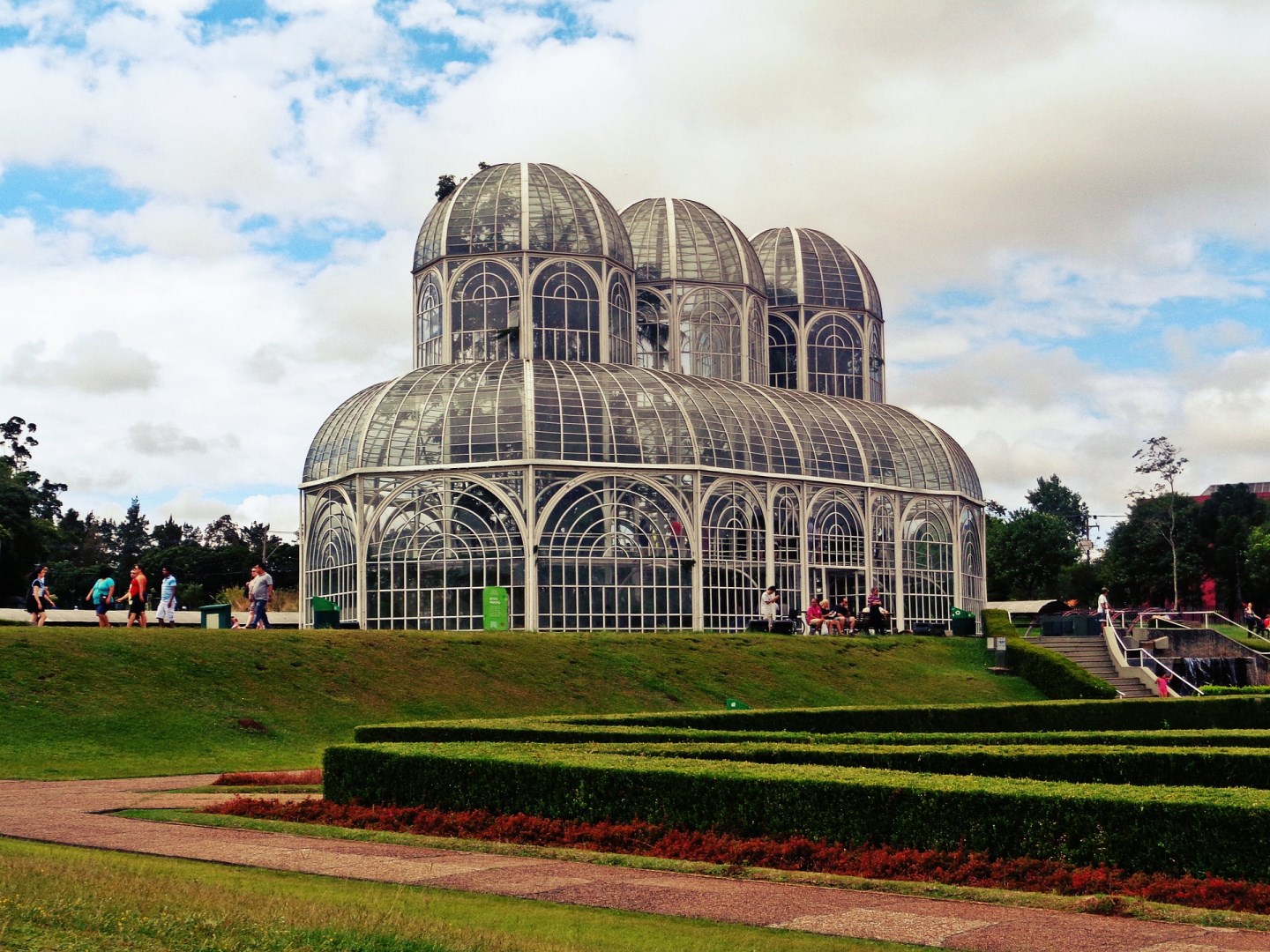
Curitiba
A very clean and European city south of Sao Paulo, it was the center for Polish, German, Italian and Russian immigration in the late 19th and early 20th centuries.

Albuquerque
Albuquerque, New Mexico, is a city where centuries-old adobe architecture, desert landscapes, and modern innovation meet beneath some of the clearest skies in the country. Every October, Albuquerque becomes the site of one of the most photographed events in the world: the Albuquerque International Balloon Fiesta. For nine crisp mornings, hundreds of hot air balloons rise over the city, painting the sky in brilliant colors and wild shapes with everything from farm animals to space aliens.
