

Belluno
Nestled in the foothills of the Dolomites, the picturesque town of Belluno offers visitors a perfect blend of natural beauty, history, and culture. Known as the "gateway to the Dolomites," Belluno is surrounded by rugged mountains, making it a prime destination for hikers, climbers, and outdoor enthusiasts. The town’s position along the Piave River also offers stunning views and opportunities for riverside walks.

Bahamas
The Bahamas, an archipelago of more than 700 islands and cays, is known for its dazzling turquoise waters, powdery white and pink sand beaches, and vibrant culture rooted in African, British, and Caribbean influences.
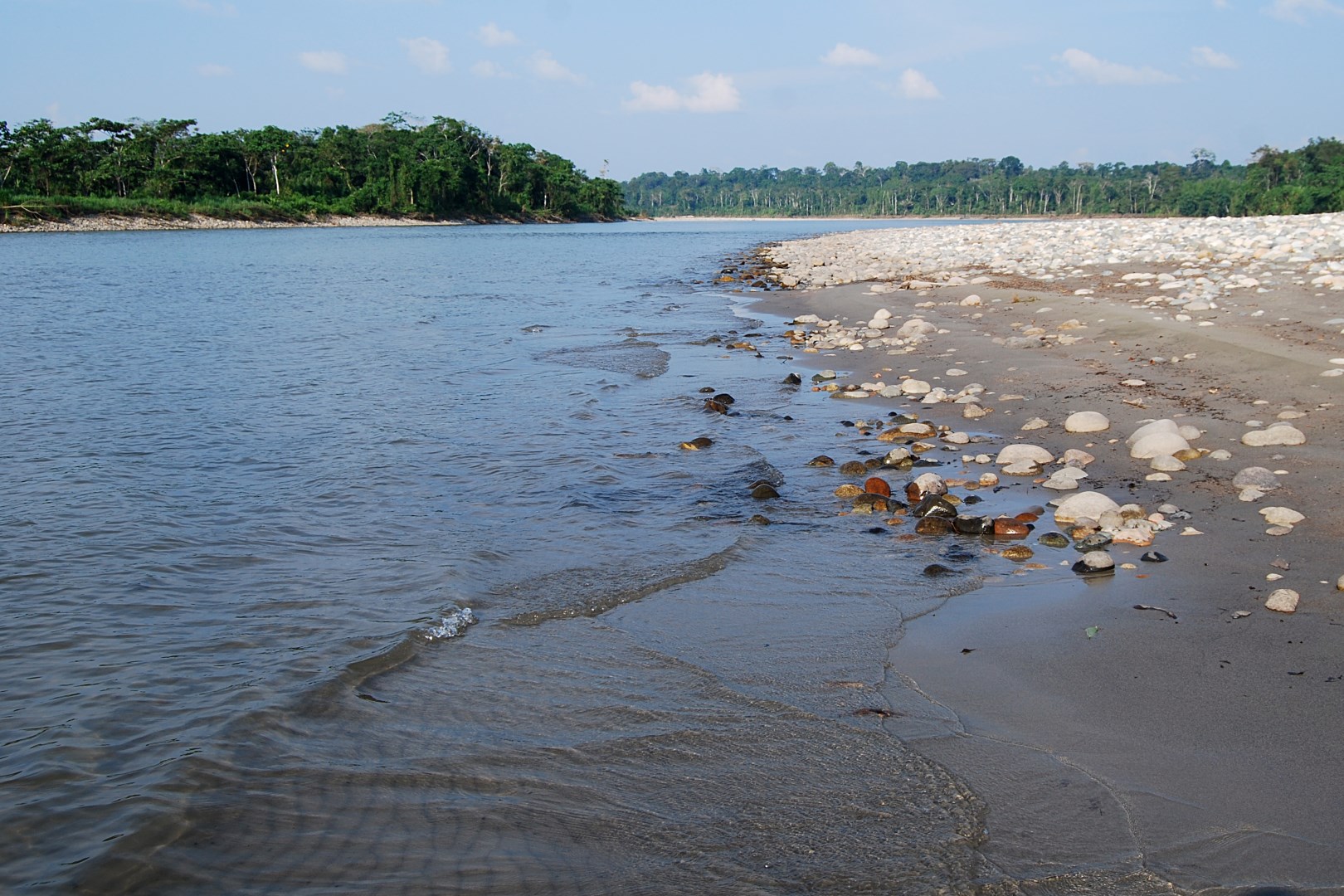
Napo River
A tributary of the Amazon, the Napo River (Río Napo) originates in the east Andes mountains. It flows east through Ecuador, then southeast into Peru, where it joins the larger river roughly 50 miles downstream from Iquitos.

Ravello
Nestled high on the cliffs of Italy’s Amalfi Coast, Ravello is a gem of medieval charm and stunning vistas. This picturesque town is renowned for its breathtaking views of the Tyrrhenian Sea and its lush gardens, such as the famed Villa Cimbrone.

Kagoshima
Kagoshima, Japan offers a captivating blend of natural beauty, cultural heritage, and culinary delights. Nestled on the southwestern tip of Kyushu, this city is famously dominated by the imposing Sakurajima volcano, one of Japan’s most active volcanoes. Visitors can take a ferry to get up close to the volcano or view it from the Kagoshima City Viewpoint for breathtaking panoramic views.
