

Vis
Vis, a charming island city in Croatia's Dalmatian region, offers a serene retreat with its blend of historical allure and natural beauty. Known for its historical significance, Vis boasts remnants of its Greek and Roman past, including the well-preserved fortifications and ancient ruins. The city itself is a captivating blend of Venetian and Austro-Hungarian architecture, with quaint streets and lovely waterfronts that invite leisurely exploration.
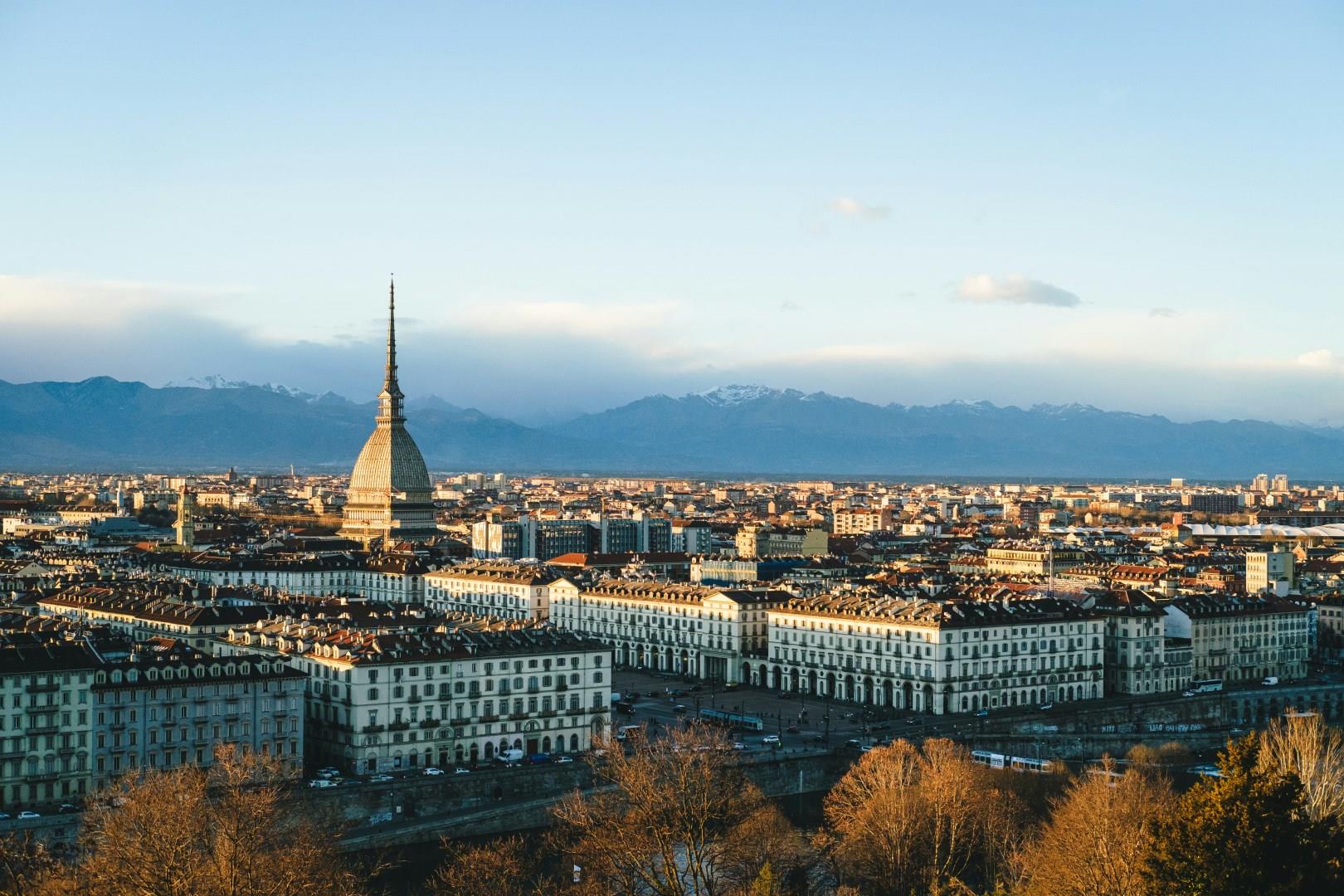
Turín
Turin carries a regal atmosphere reflected in its palaces, wide boulevards, and arcaded streets. Its history as a political and cultural powerhouse is still evident today, while its role as the birthplace of Fiat underscores its influence on modern industry.
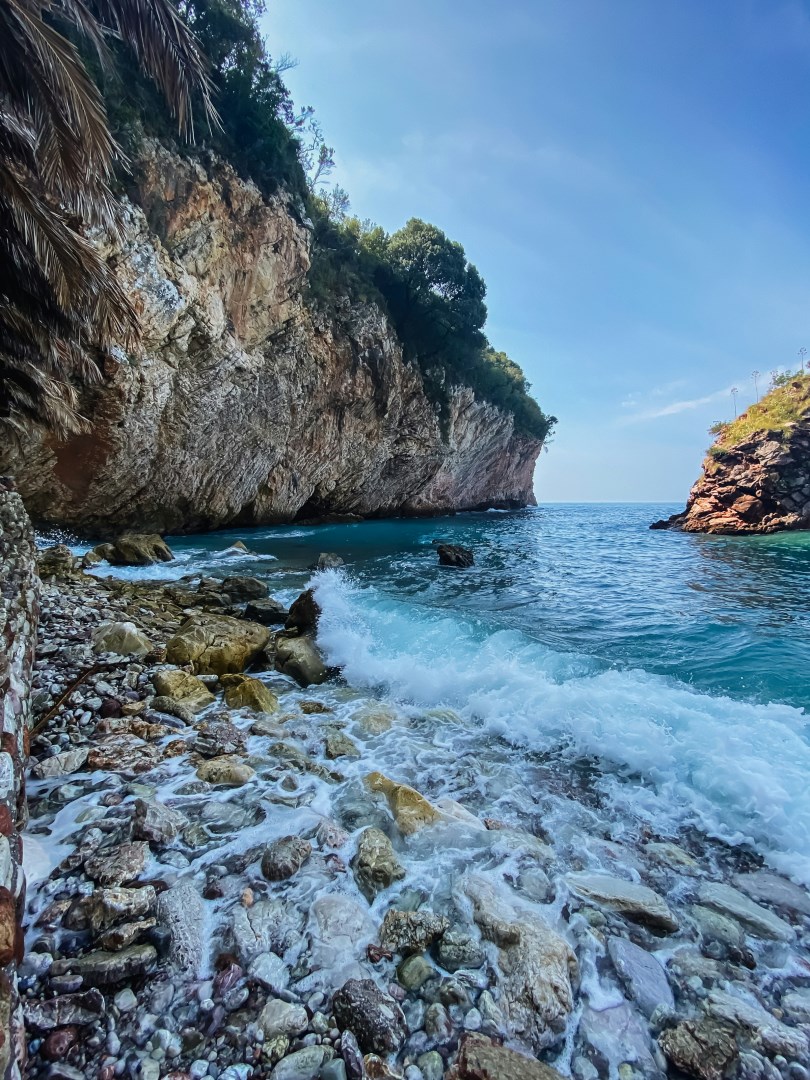
Adriatic Sea
The Adriatic Sea, a stunning crescent-shaped expanse of turquoise water between the Italian Peninsula and the Balkan Peninsula, offers a captivating destination for travelers seeking both natural beauty and rich history. Stretching from the Gulf of Trieste in the north to the Gulf of Kotor in the south, this Mediterranean gem is renowned for its crystal-clear waters, charming coastal towns, and diverse marine life. The pristine beaches of Croatia's Dalmatian Coast and Montenegro's Bay of Kotor p
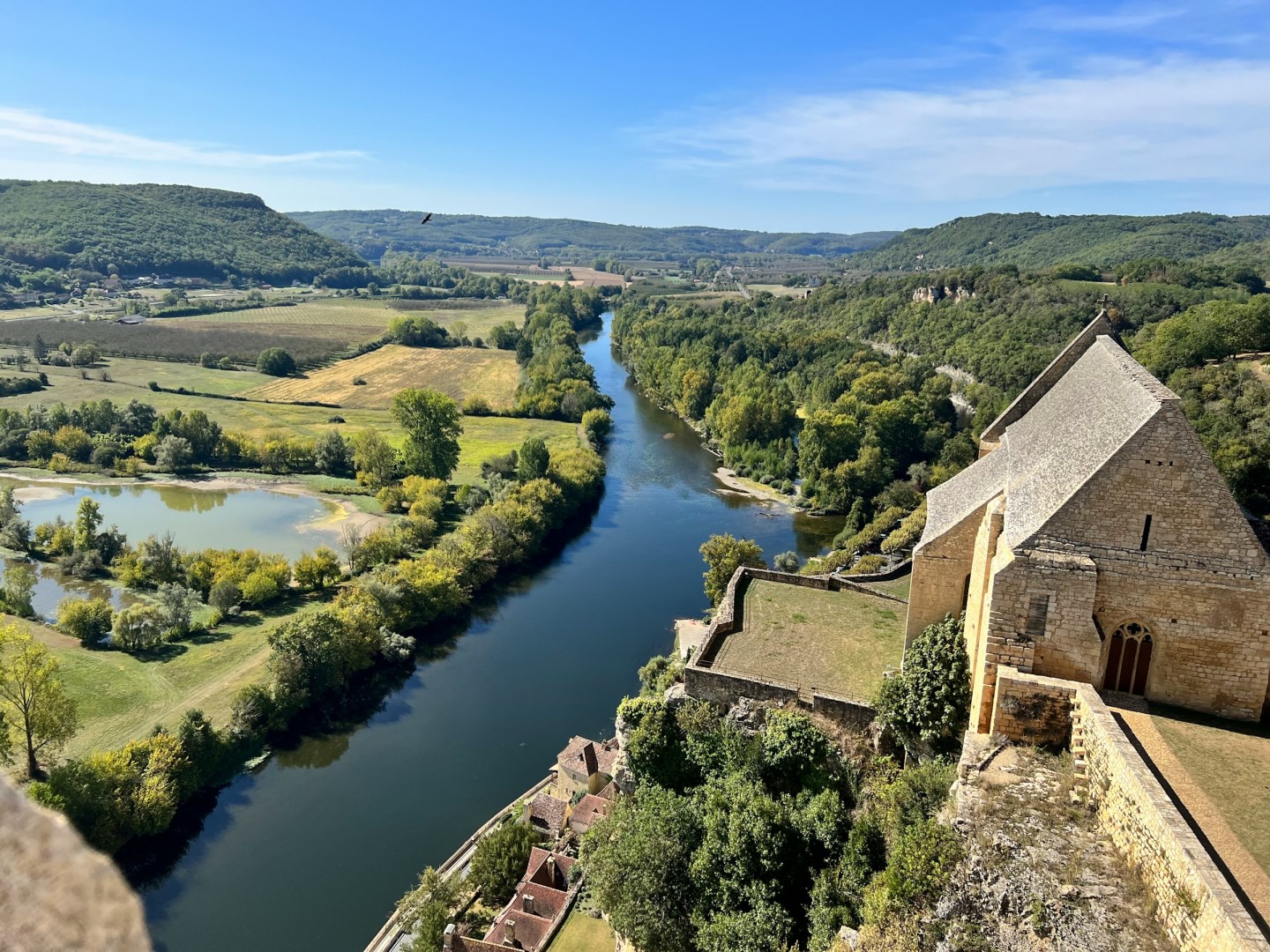
Dordogne
The British have long been associated with the Dordogne Valley. Fertile and green, this is where the 100 Year's War was fought. Many of the castles and "Bastides" were built by the British. The French say it is the land with "a little bit of everything", from a gentle river to lush pastures to wonderful wineries.
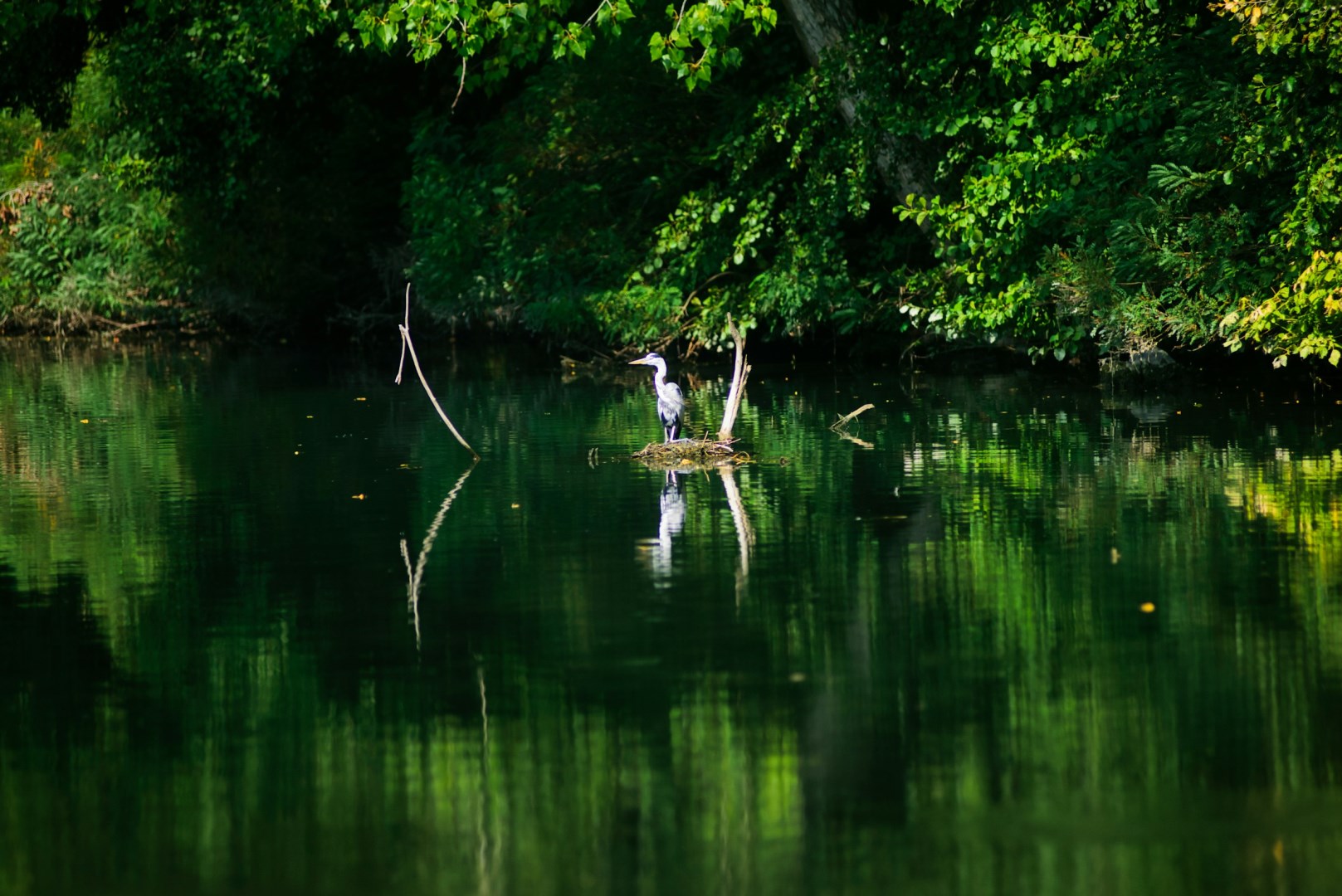
Po River
The Po River, the longest in Italy, flows eastward from Monte Viso, in the Cottian Alps, through the northern part of the country and drains into the Adriatic Sea near Venice. The Po flows through many important Italian cities, including Turin, Cremona, Piacenza, Ferrara.
