
Pendleton
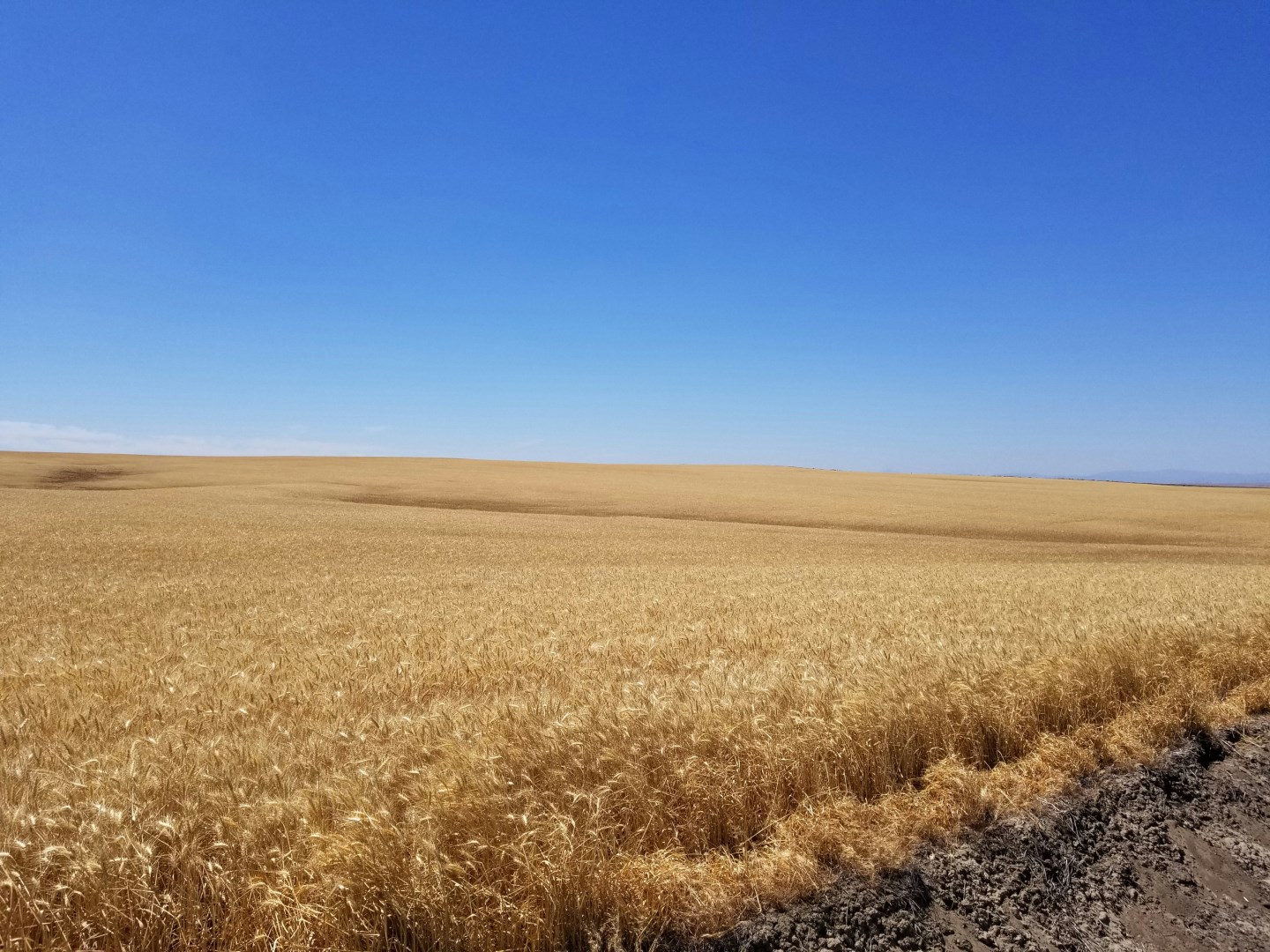
Pendleton, Oregon, sits in the heart of the high desert region, where wide open skies meet rolling wheat fields and the rugged Blue Mountains. The city is widely recognized for its rich history in ranching, railroads, and wool production, which visitors can explore through preserved buildings and museums. Downtown Pendleton features brick storefronts, murals, and sculptures that reflect the city’s connection to both the frontier and the railroad era.
Tongariro National Park
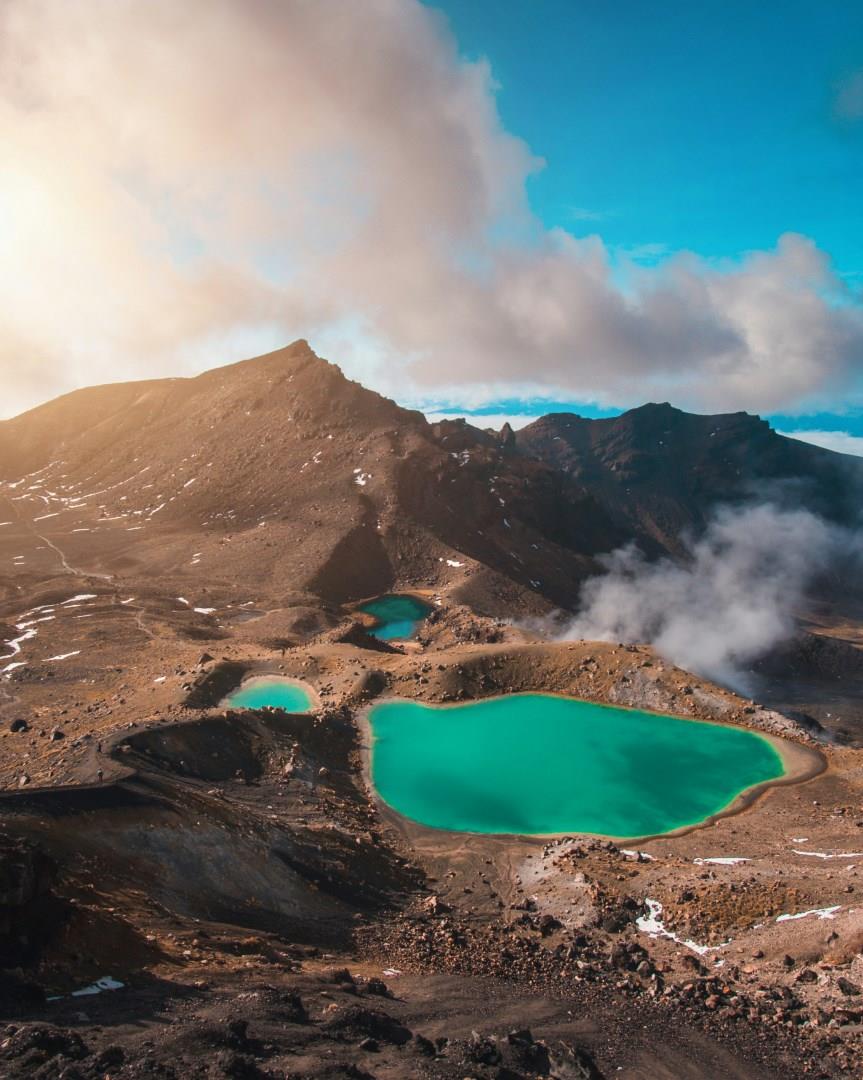
Tongariro National Park, on New Zealand’s North Island, holds deep cultural meaning as well as striking geological presence. It was the country’s first national park, gifted to the nation by Ngāti Tūwharetoa chiefs in the 19th century, establishing a model that tied conservation to Māori guardianship. The volcanic peaks of Tongariro, Ngāuruhoe, and Ruapehu are considered ancestors, giving the landscape a living cultural identity rather than a purely scenic one.
Jerusalem
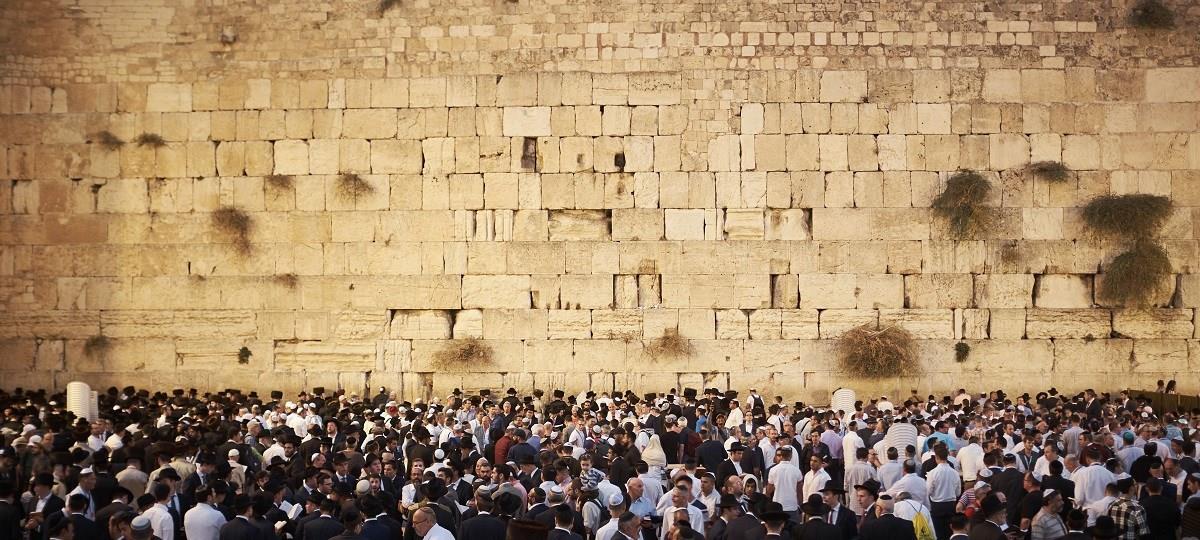
This beautiful holy city is a spiritual lightning rod and sacred to Jews, Muslims and Christians all over the world. Although Jerusalem is known primarily for its religious history, the city is also home to many artistic and cultural venues.
Kalamazoo
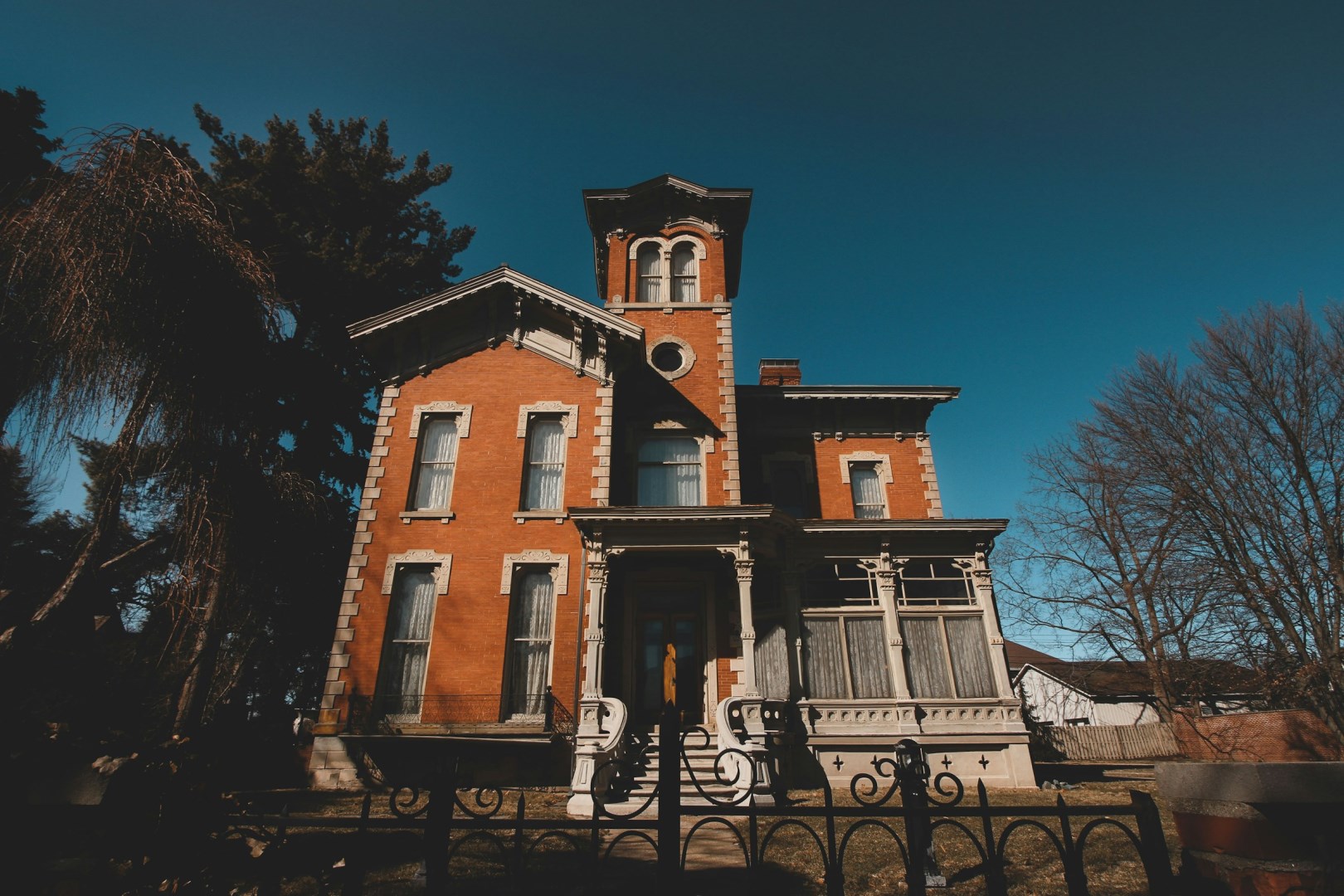
Located midway between Chicago and Detroit, Kalamazoo is rapidly becoming an important center for business, education, culture, and many other activities.

New York
New York is more than a state, it’s a collection of vivid contrasts where small-town traditions meet global icons. Beyond the skyscrapers of Manhattan, visitors discover everything from glacier-carved lakes in the Finger Lakes region to quiet mountain villages in the Adirondacks. In upstate towns like Saratoga Springs and Hudson, restored main streets are lined with galleries, cafés, and antique shops, offering a slower pace steeped in local pride.
