
Llogara National Park
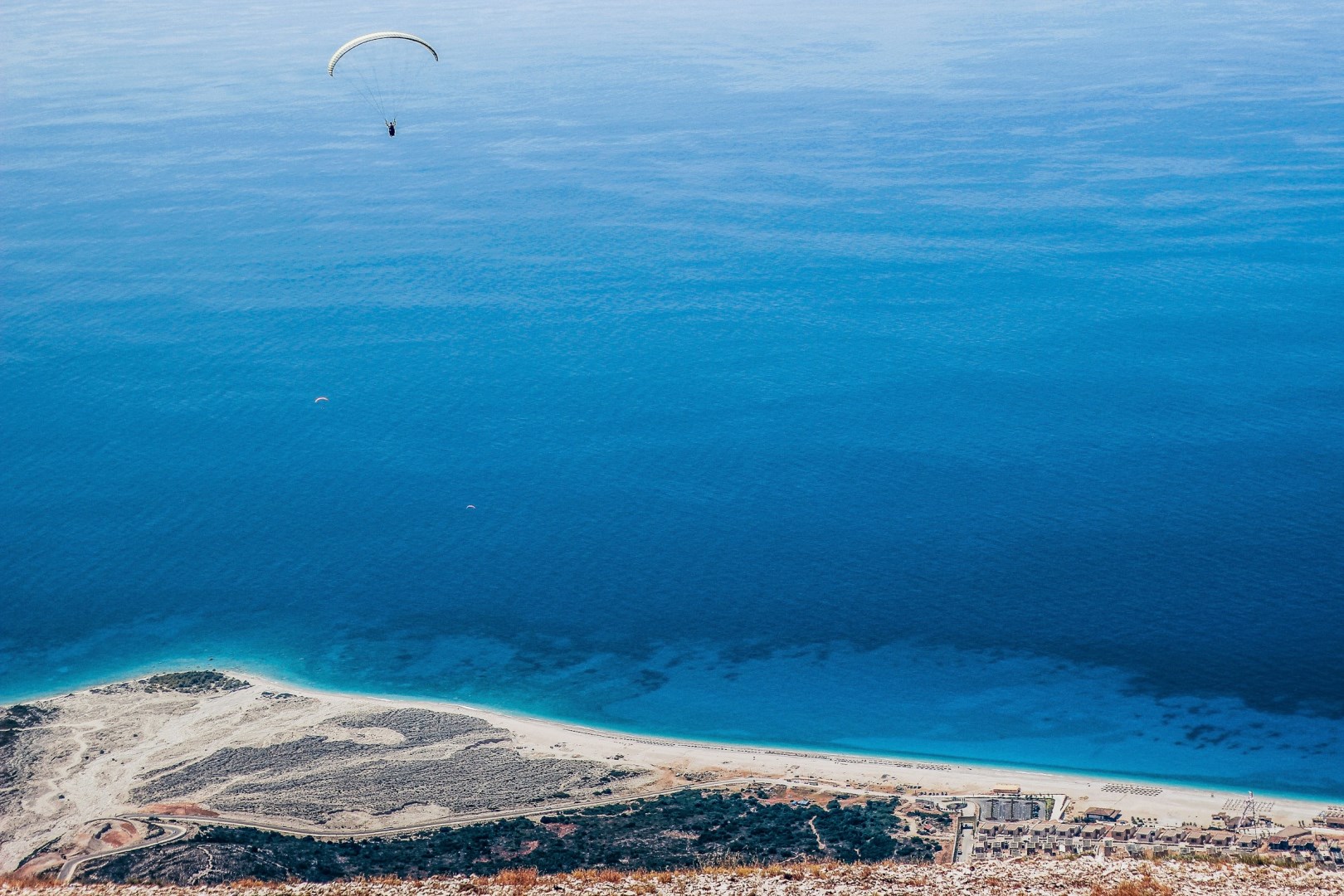
Llogara National Park lies in southern Albania within the Çika mountain range, overlooking the Ionian coast near the Albanian Riviera. The park rises from forested slopes to the Qore peak, with elevations ranging from about 450 to 2,018 meters. Its terrain includes steep limestone mountains, alpine meadows, rocky areas, and dense forests.

Ohrid
Ohrid, nestled on the shores of Lake Ohrid in North Macedonia, is a city steeped in history and natural beauty. Often referred to as the "Jerusalem of the Balkans" due to its rich cultural and religious heritage, Ohrid boasts an impressive array of Byzantine-era churches, including the stunning Church of St. John at Kaneo. Perched on a cliff overlooking the lake, this church offers breathtaking views and a glimpse into the city's spiritual past.
Hardangerfjord
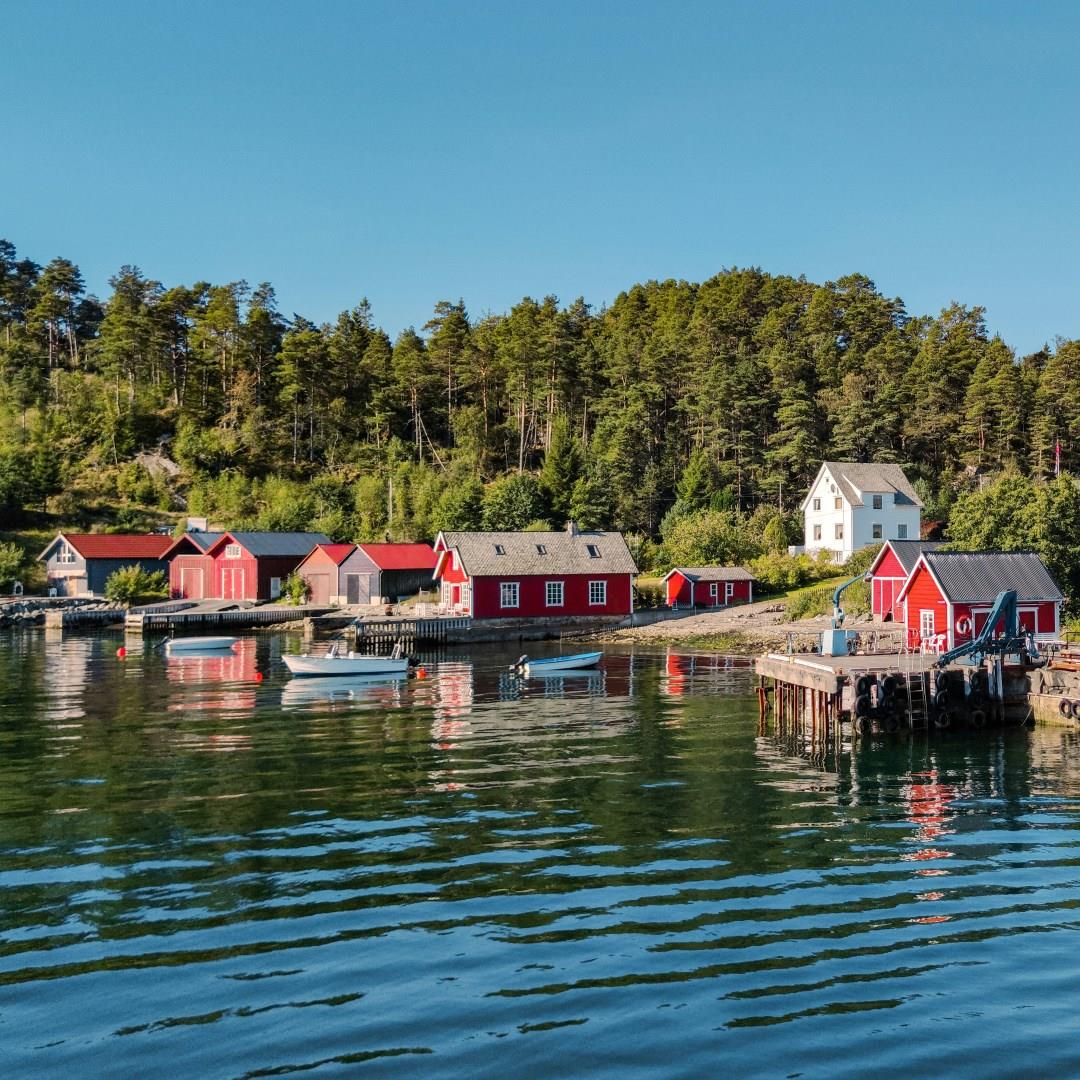
Hardangerfjord is one of Norway’s most iconic fjords, stretching over 170 kilometers through western Norway and surrounded by steep mountains, waterfalls, and orchards. Historically, the fjord has been central to regional life, providing a transportation route for fishing, trade, and fruit cultivation. Its combination of natural grandeur and human activity has shaped a landscape that is both dramatic and lived-in.

K’gari
Fraser Island, or K’gari as it is known to its Traditional Owners, the Butchulla people, is a gem off the coast of Queensland, Australia. The world's largest sand island, stretching over 120 kilometers, is a place where nature dazzles and adventure beckons. Renowned for its unique ecosystems, Fraser Island offers a diverse landscape of lush rainforests growing on sand, crystal-clear freshwater lakes, and expansive sand dunes.
Abilene
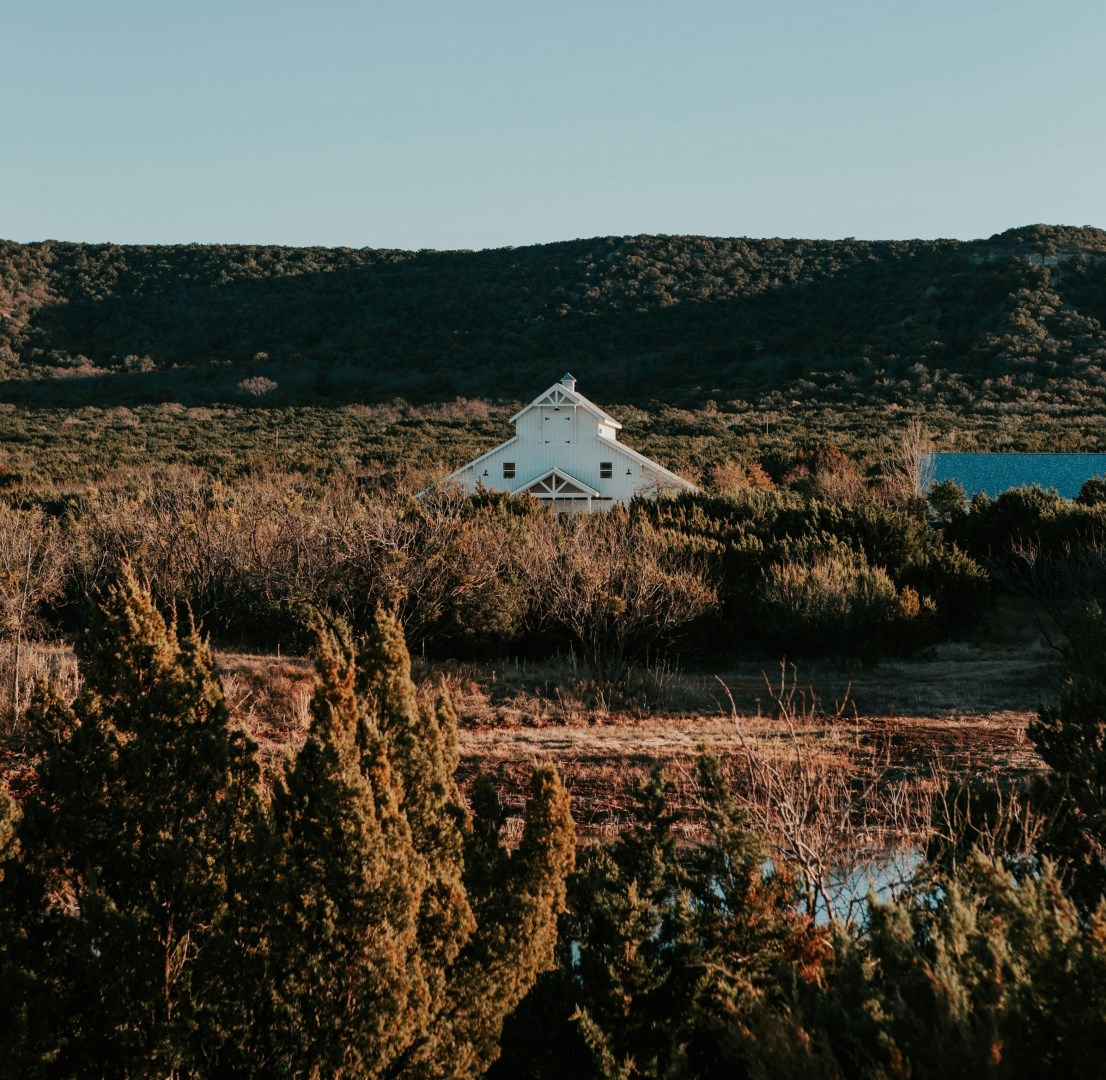
Abilene is no-nonsense and traditional, but it's just as capable of having a good time as any rip-roaring cowpoke. When you're in Abilene, take time to see the Abilene Zoo, particularly the Texas Plains exhibit, a unique collection of species native to that part of the country (if you've never seen a javelina, here's your chance).
