
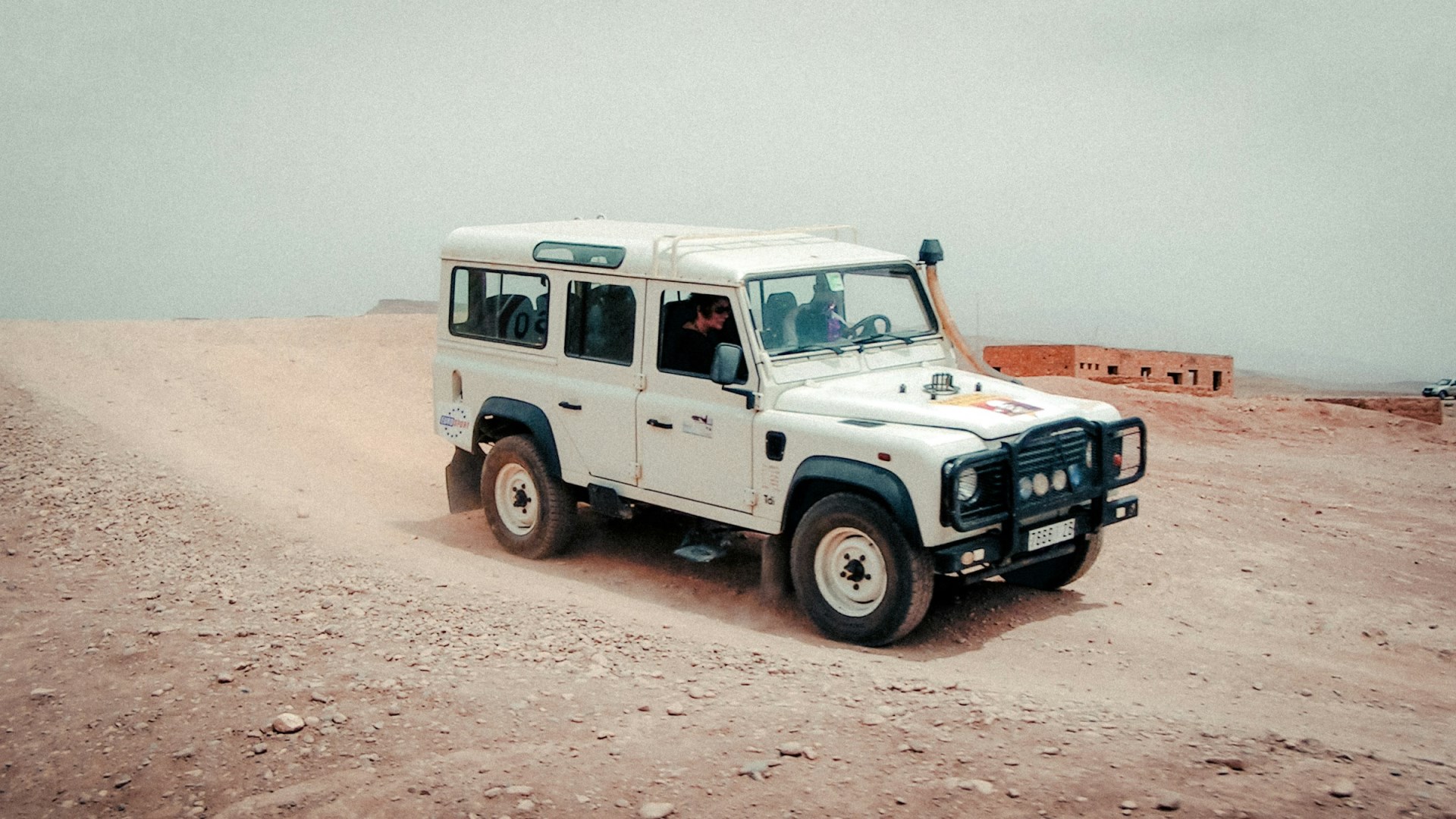
Tata
Set along the edge of the Anti-Atlas and the northern reaches of the desert, Tata offers a landscape shaped by sun, stone, and water. The town sits within a wide oasis valley, where palm groves stretch across the land in sharp contrast to the surrounding dry hills. Life here depends on careful use of water, and visitors quickly notice how every field and garden is planned with purpose. The result is a setting that feels both remote and deeply connected to the land.
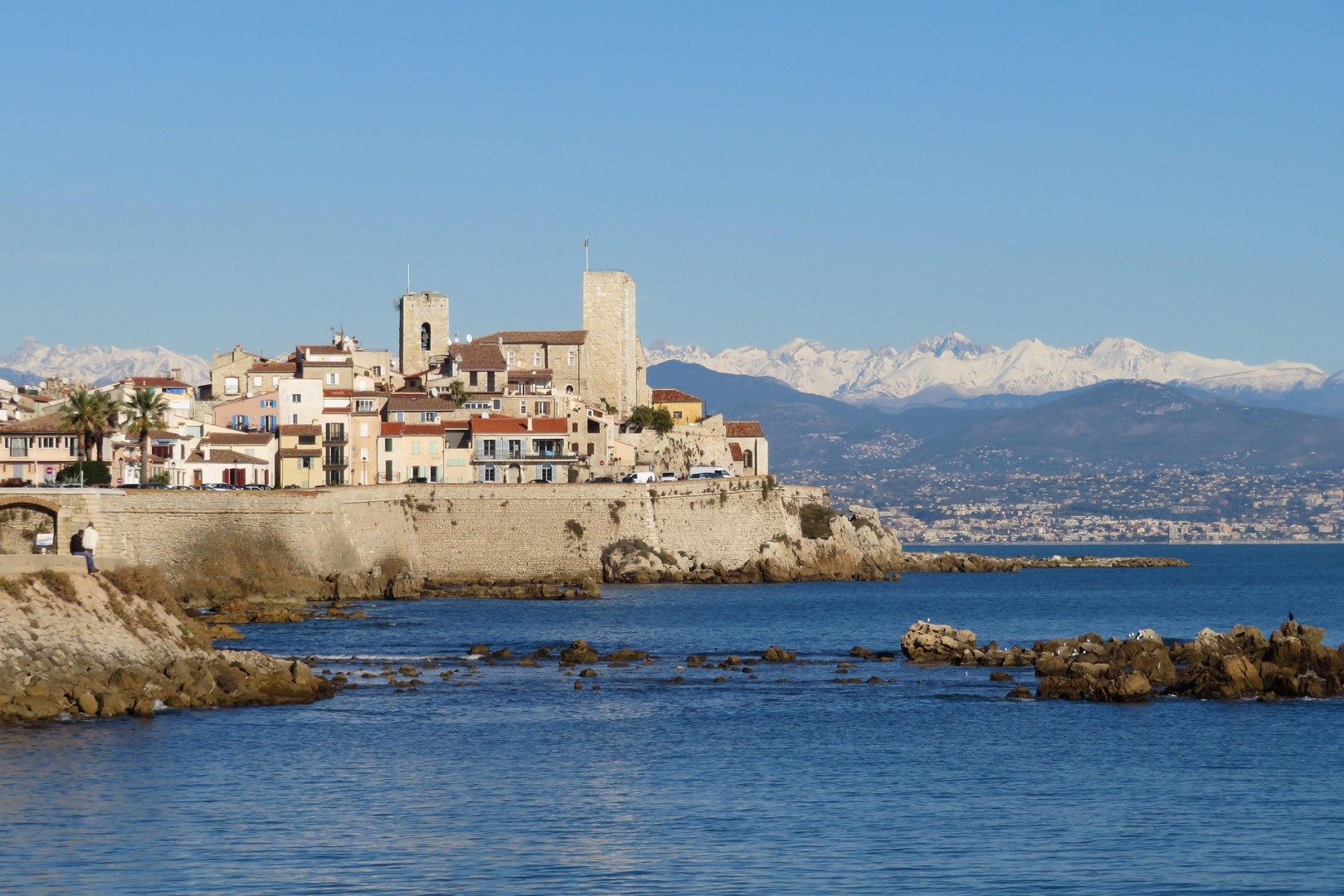
Antibes
Antibes, the new "hot spot" is located across from Nice. Explore traditional market-places packed with beautiful flowers, watching fishermen hauling in the days catch or simply relax in the warmth of the Riviera.
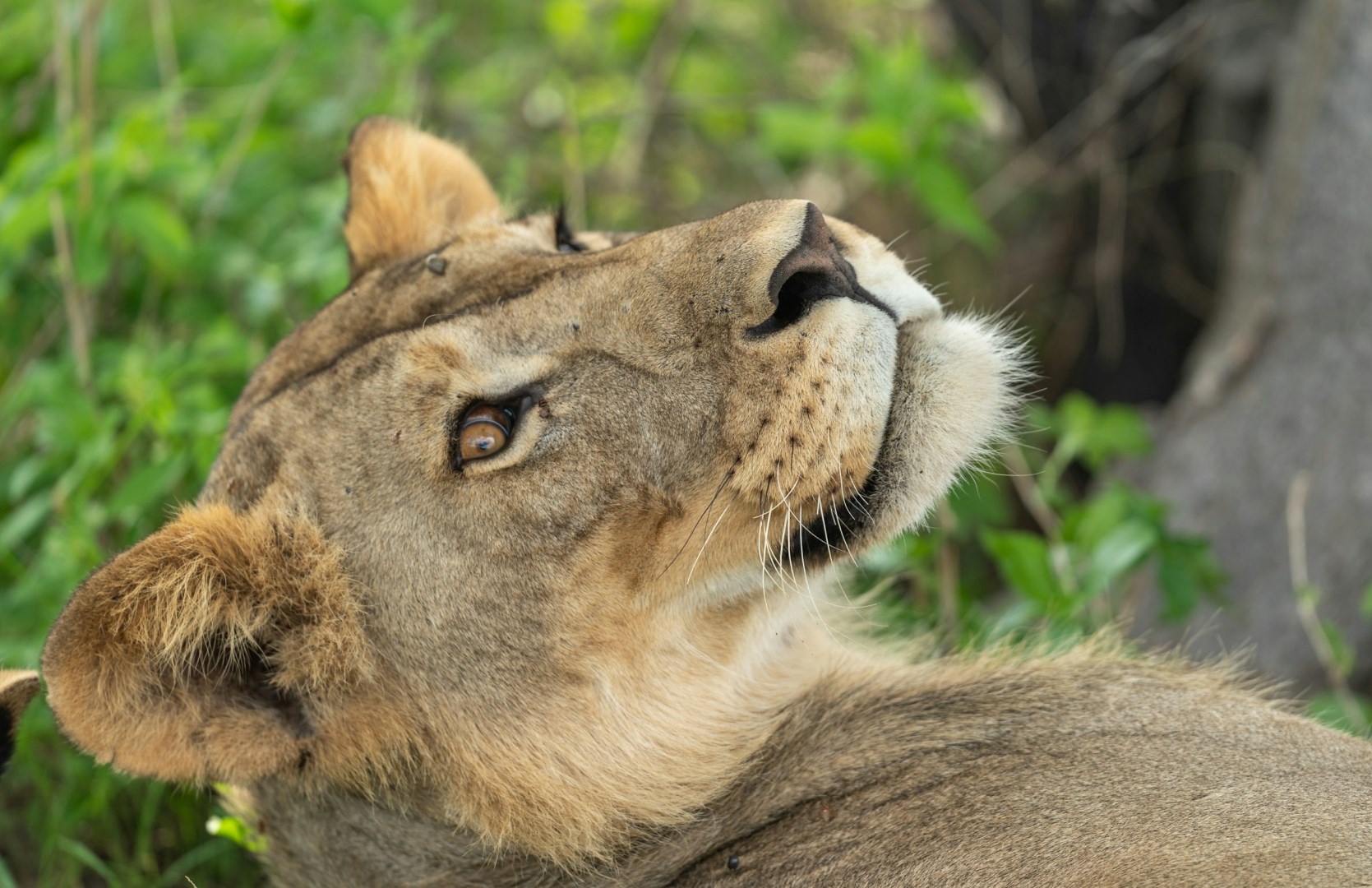
Ruaha National Park
Ruaha National Park is a vast protected area in south-central Tanzania, covering about 20,226 square kilometres. The park is defined by a varied landscape of open savanna, miombo woodland, rocky hills, seasonal rivers, and large baobab trees. The Great Ruaha River forms one of its most important natural features, providing water and supporting wildlife across the surrounding plains.

Kavala
Situated on the northeastern coast of Greece, Kavala is a picturesque port city popular for its archaeological treasures, historic old town, and scenic beach. Be sure to explore the city's best known sites, including the Panagia neighborhood, the Kavala Castle, the towering Aqueduct, and the Kavala Archaeological Museum.
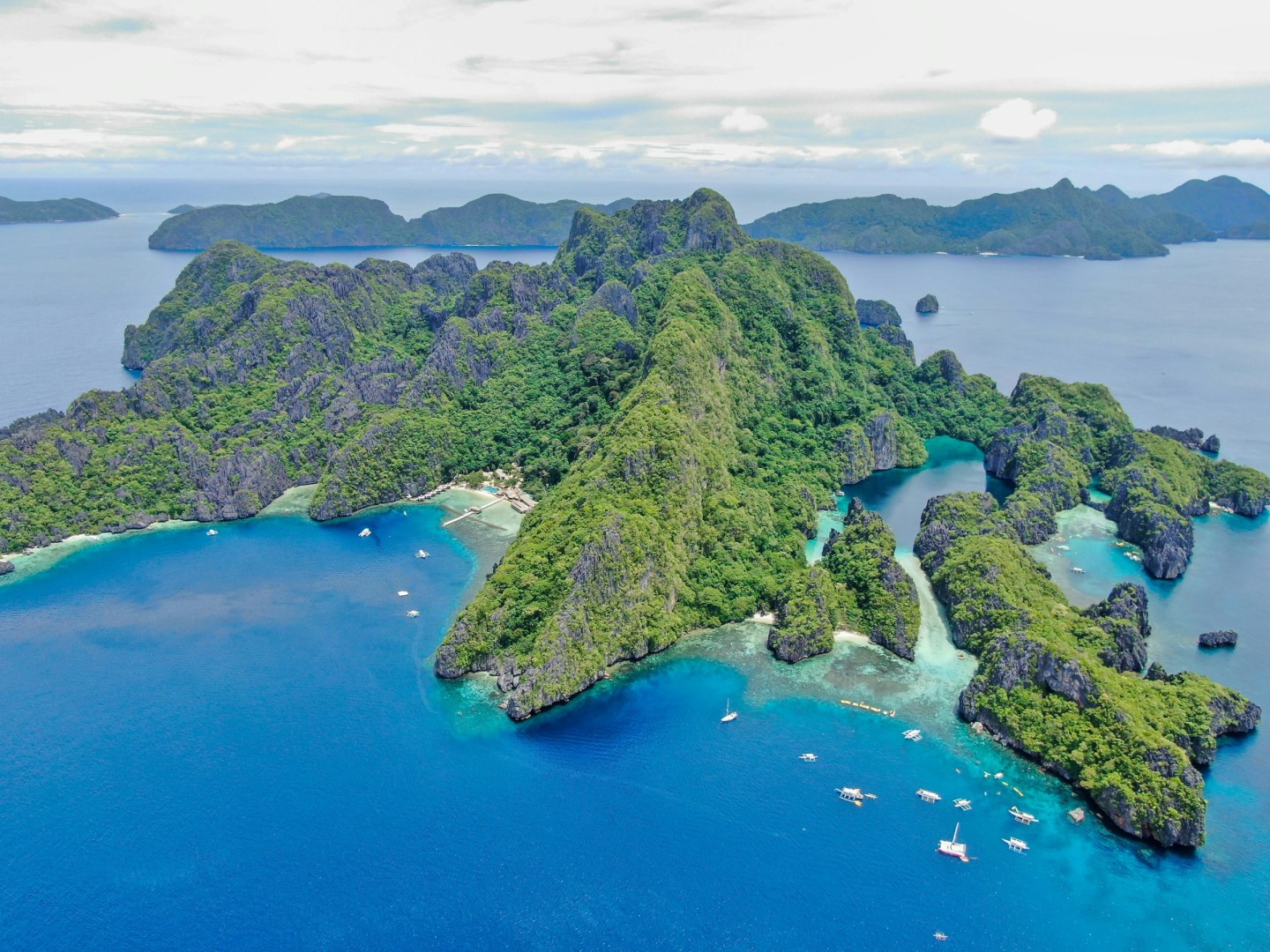
El Nido
El Nido is a coastal municipality in northern Palawan, Philippines, known for its limestone cliffs, turquoise lagoons, forested islands, and sheltered bays. The town sits at the northern end of the Palawan mainland, facing the Bacuit Archipelago, where numerous small islands rise from the sea. Its setting combines a compact seaside town with a large marine landscape that is explored mainly by boat.
