
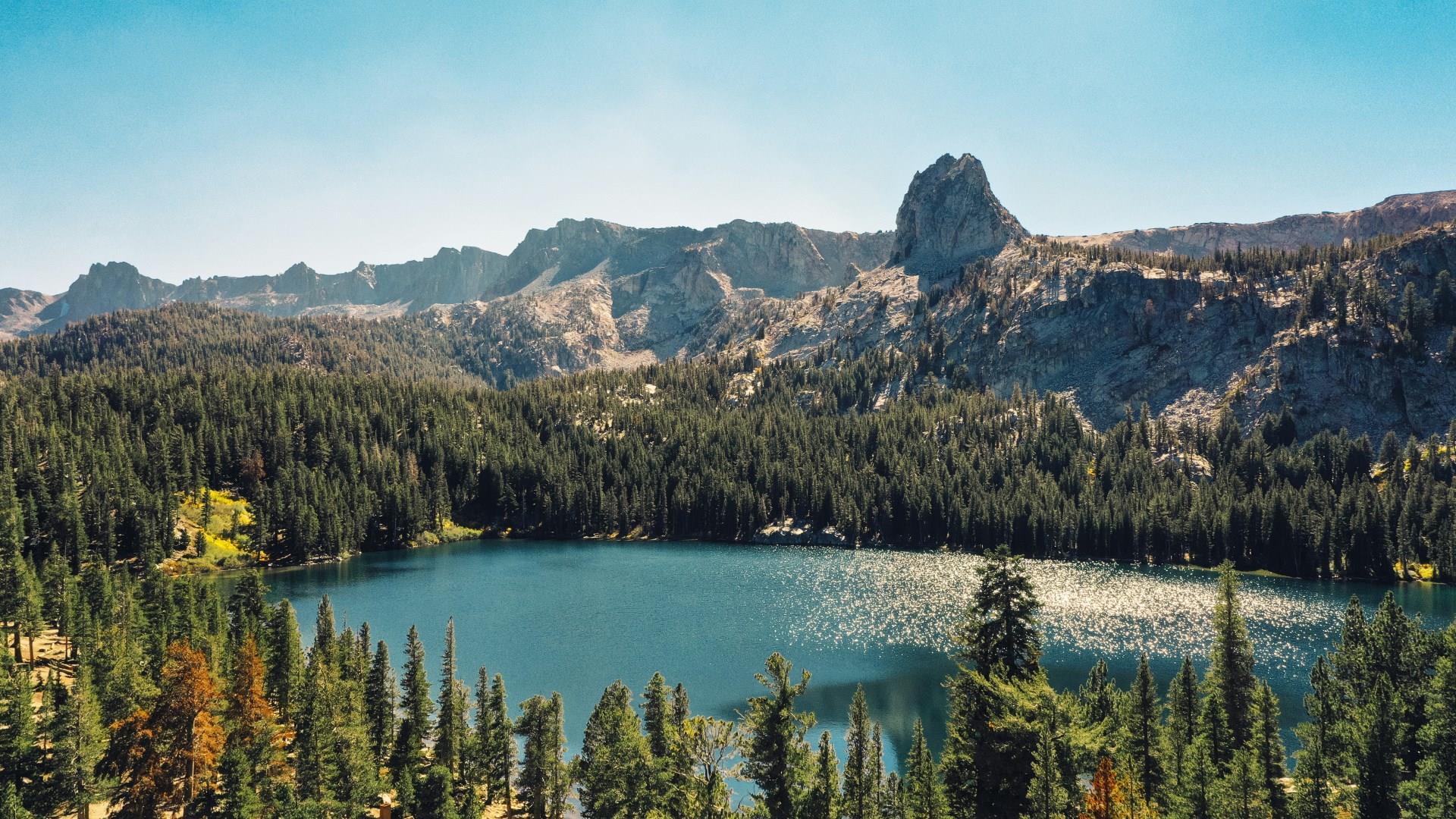
Mammoth Lakes
Mammoth Lakes, tucked into California’s Sierra Nevada mountains, is a year-round destination that combines alpine scenery with outdoor adventure. Known for its crisp mountain air and dramatic landscapes, the town sits near the eastern entrance to Yosemite National Park, making it an ideal base for exploring the region.
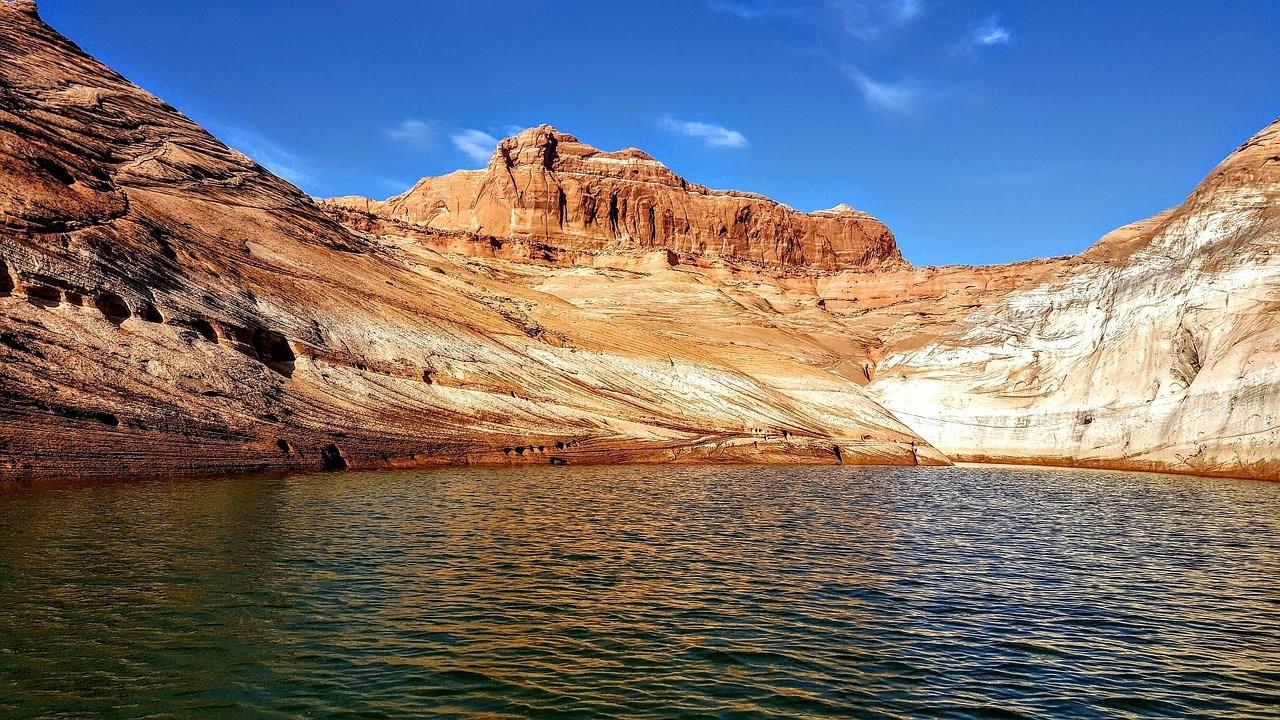
St. George
St. George, Utah, is a desert city in the state’s southwest corner, celebrated for its striking red rock landscapes, mild climate, and proximity to some of the American West’s most iconic natural wonders.

Bornholm
Bornholm, a picturesque Danish island in the Baltic Sea, offers a unique blend of natural beauty and cultural charm. Renowned for its rugged coastline and charming villages, Bornholm is a haven for outdoor enthusiasts. The island's northern coast is particularly famous for its dramatic cliffs and clear waters, perfect for hiking and cycling.
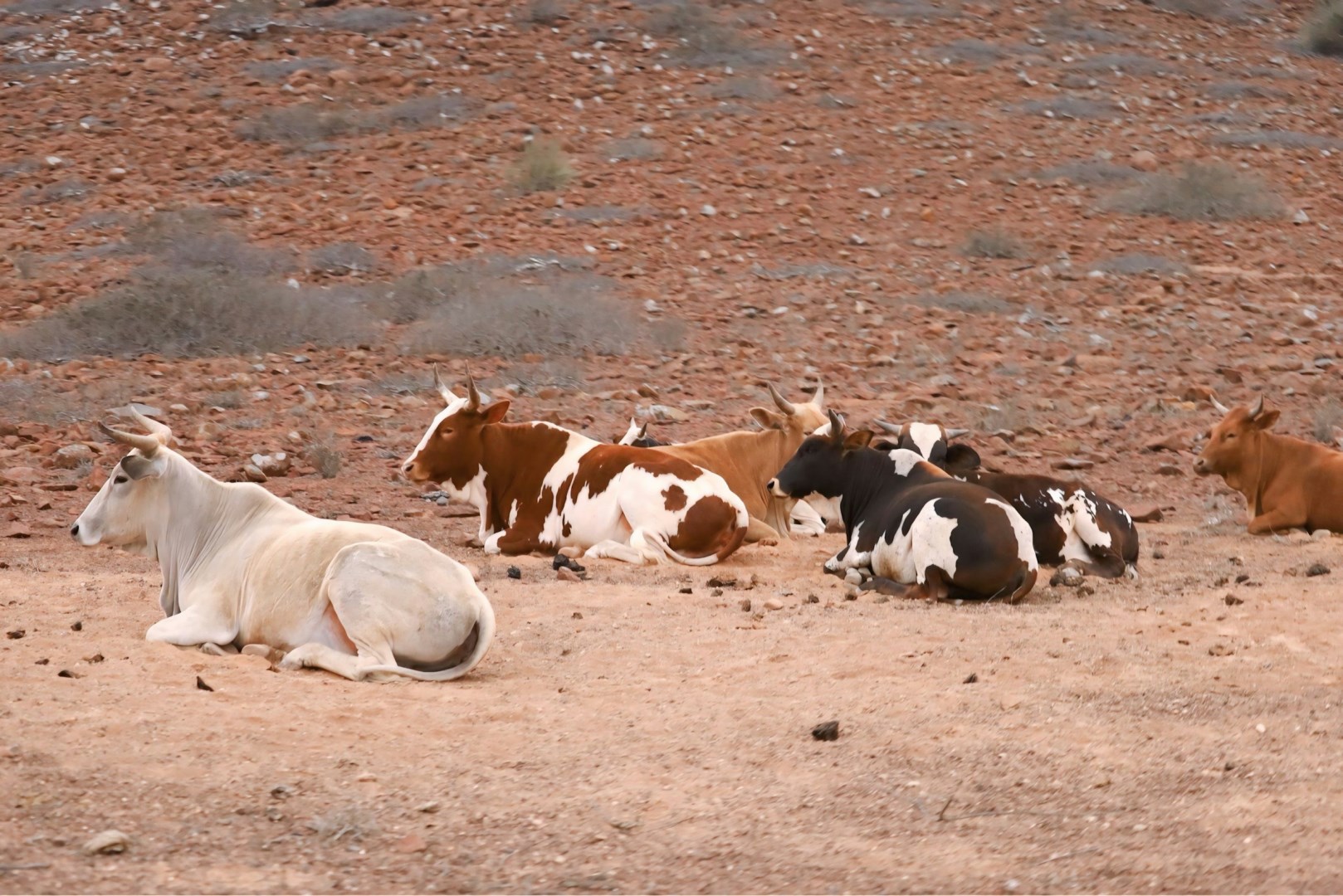
Namibe
Formerly Mocamedes, this port in southwest Angola has become an important industrial center since a rail line was built in 1905 connecting it with the interior of Angola. In 1967 when iron ore was discovered in Dongo, an additional line was laid and the port was enlarged.
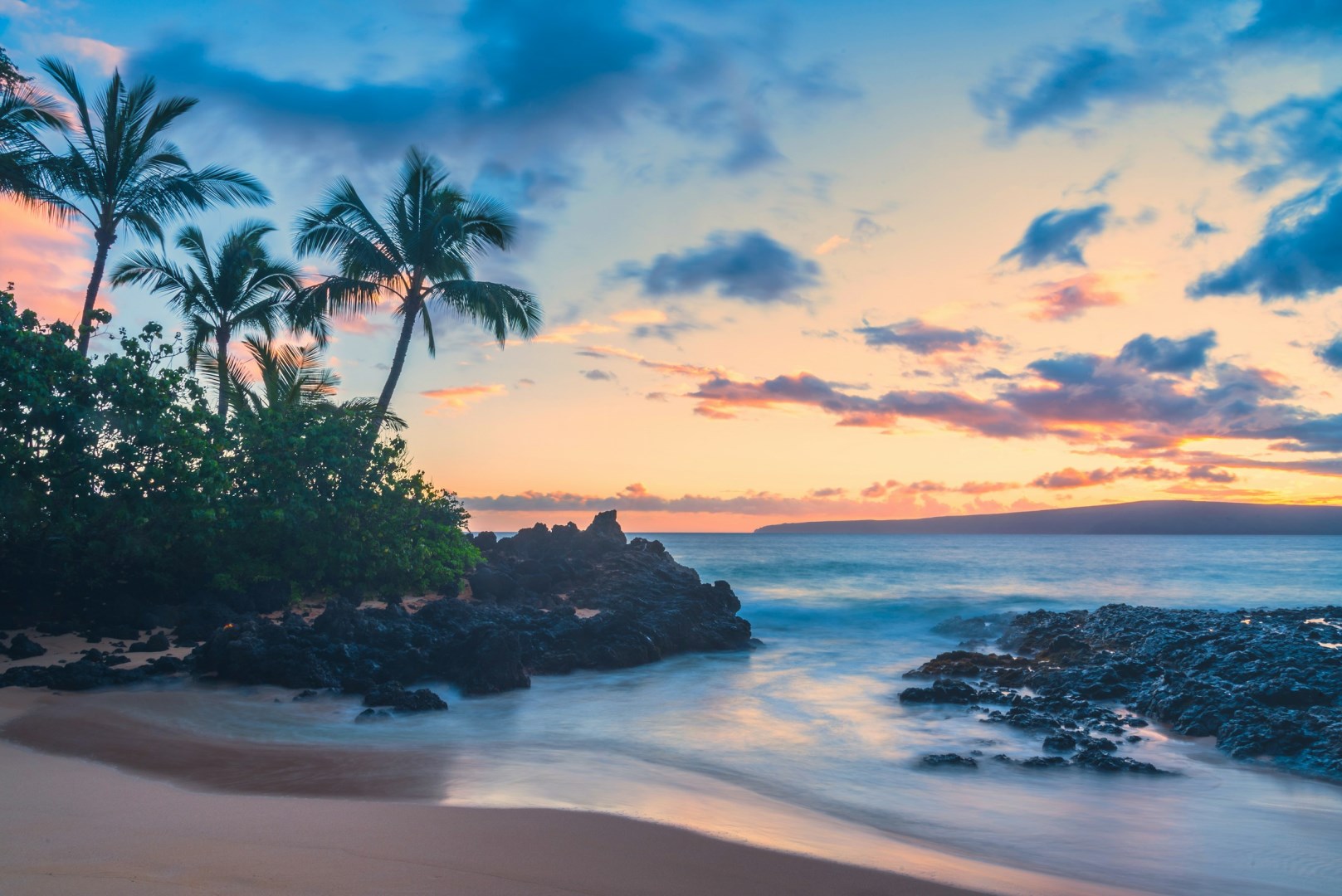
Kihei, Maui
Kihei was once a favored destination for Hawaiian royalty! With scenery like this, you can easily see why. Whether you choose to spend your days snorkeling, paddle boarding or watching for humpbacked whale breaches, or even just sitting on the beach enjoying stunning views, Kihei is sure to leave you enchanted.
