
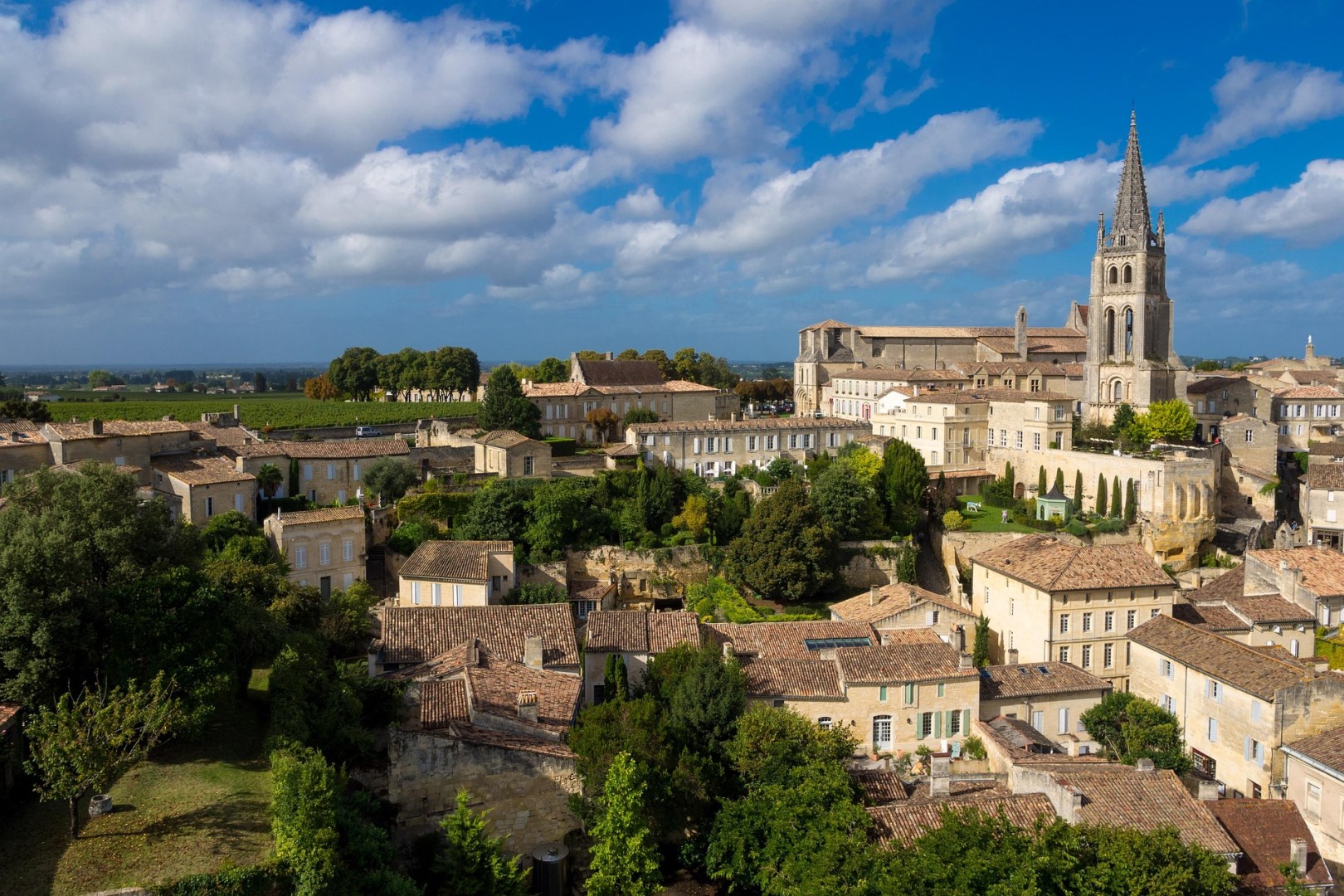
Saint-Émilion
Saint-Émilion, nestled in the heart of southwest France, is a living monument to centuries of craftsmanship, faith, and wine-making. Recognized as a UNESCO World Heritage Site since 1999, this medieval town sits on a limestone plateau surrounded by vineyards that date back to Roman times. Visitors can explore cobbled streets that wind past centuries-old stone houses, descend into underground catacombs carved by monks, and visit the astonishing Monolithic Church.
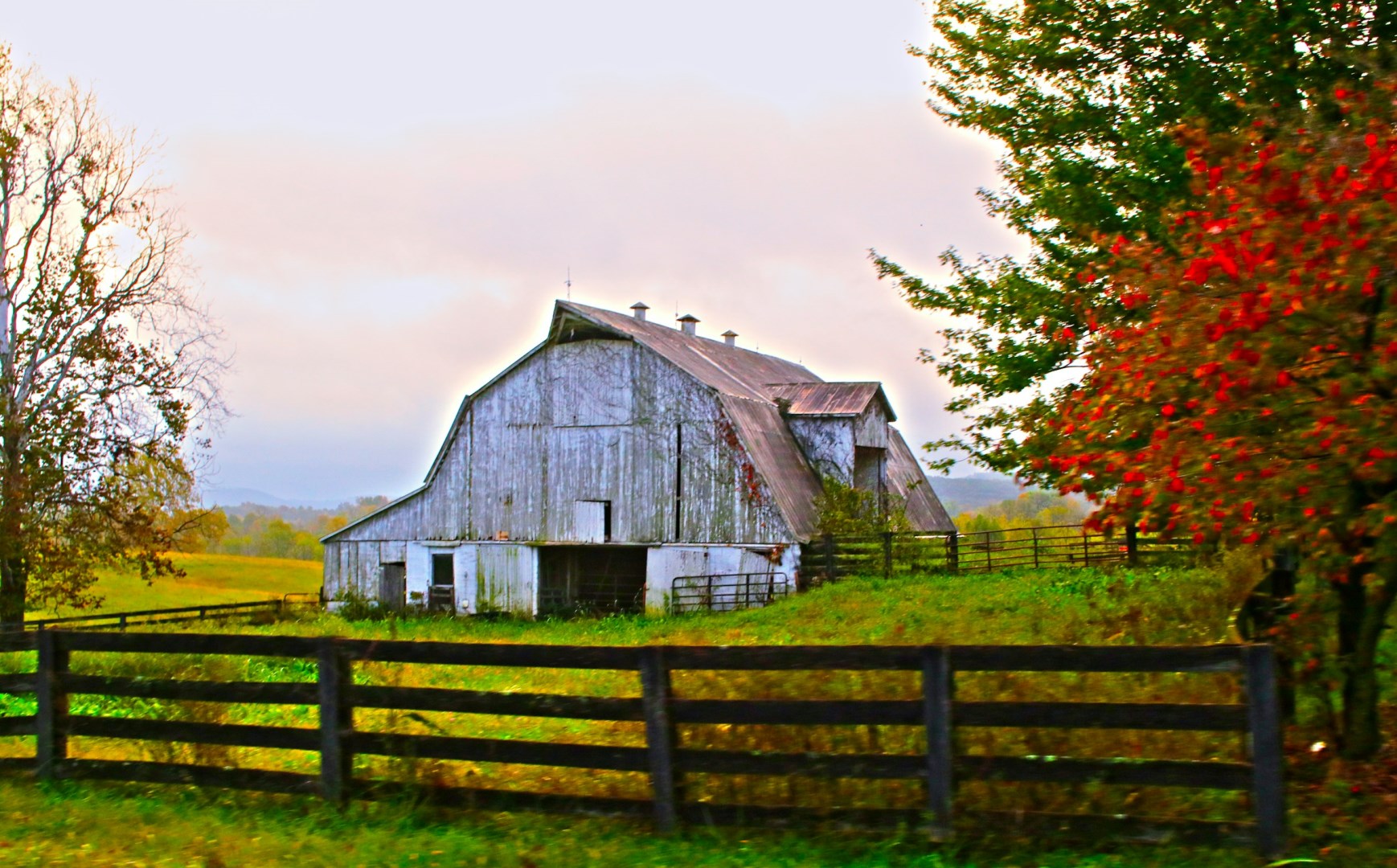
Kentucky
Kentucky is known worldwide for the Kentucky Derby, but there’s far more to this southern state than fast horses and fancy hats. Louisville, the largest city, pairs old-world charm with modern energy. Visitors can stroll along Museum Row on Main to explore the Louisville Slugger Museum & Factory or dive into boxing history at the Muhammad Ali Center, dedicated to the life and legacy of the Louisville-born champion.

Valdez
Located just north of Chugach National Forest and nestled in an inlet of Prince William Sound, charming Valdez is a small Alaskan city known for its proximity to stunning glaciers, canyons, forests, and natural wildlife. Highlights include Valdez Glacier Lake, Keystone Canyon, and the Valdez Museum. The region's untouched natural beauty will astound you on your next Alaskan cruise!
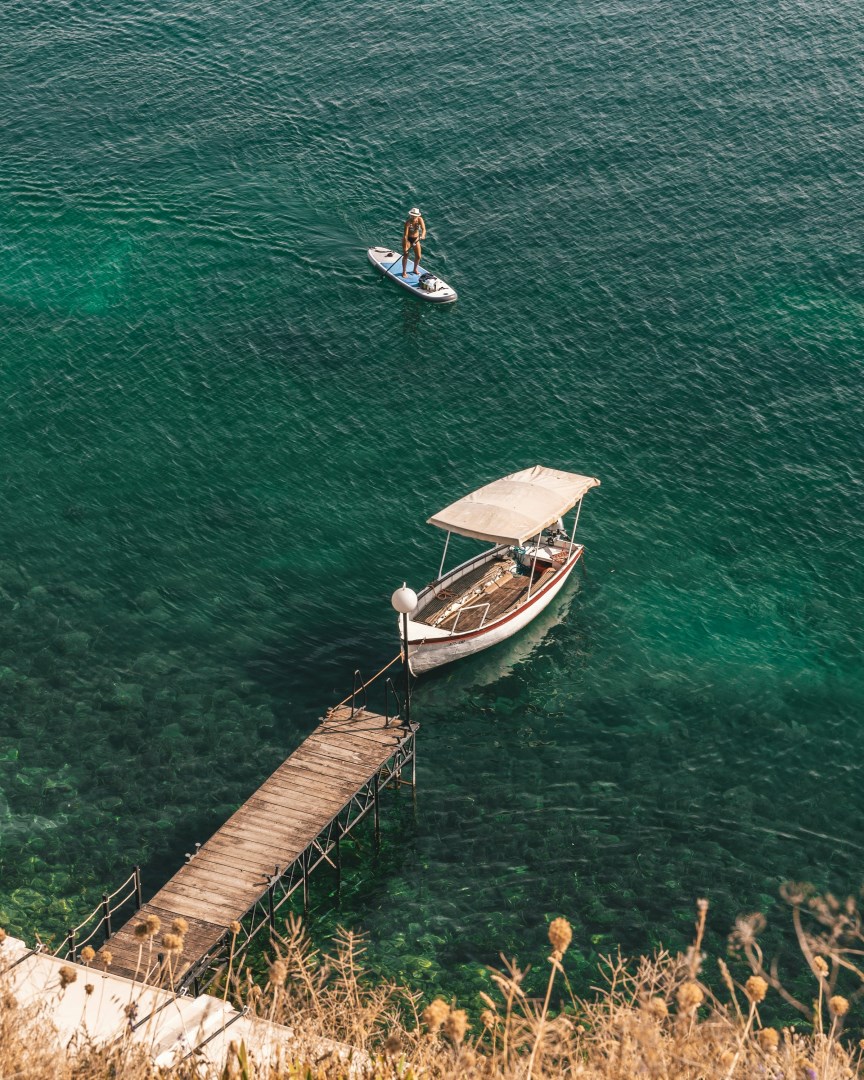
Lake Ohrid
Lake Ohrid, a natural tectonic lake in the south-west corner of Macedonia, is the oldest lake in Europe and one of the oldest lakes in the world. Formed tectonically between four and ten million years ago, the lake is situated in limestone bedrock. Nestled amid mountains at an altitude of 2290 feet, the lake offers striking vistas of the surrounding beach and hills.

Puerto Madryn
Puerto Madryn is a seaside city on the eastern coast of Argentina. Facing Golfo Nuevo and the South Atlantic Ocean, this coastal destination is popular for its beaches, marine life, nature preserves, and Patagonian museums.
