
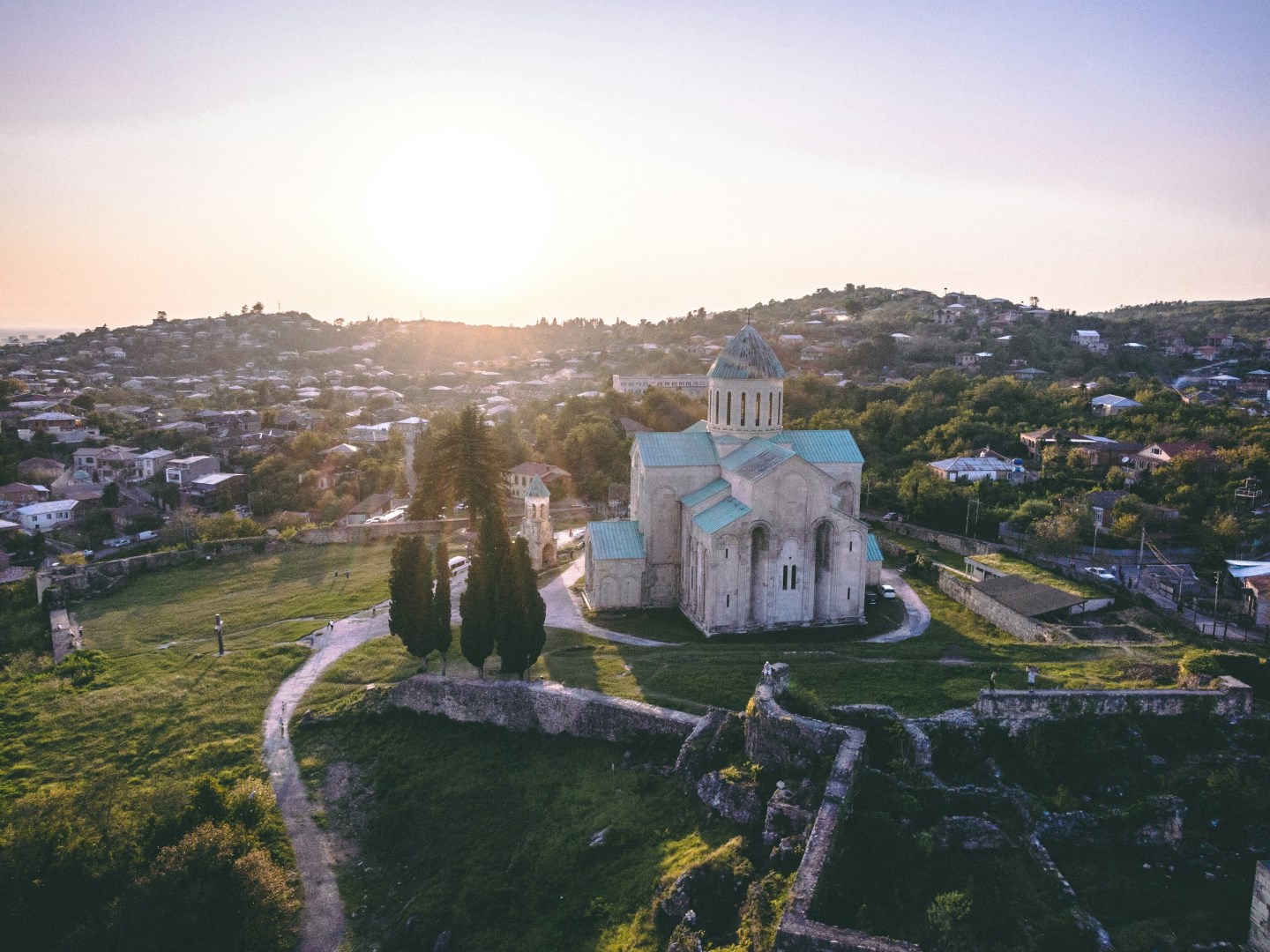
Kutaisi
Georgia's second largest city, it is located between the Caspian and Black seas. Dating back to at least the sixth century, it has outstanding museums.
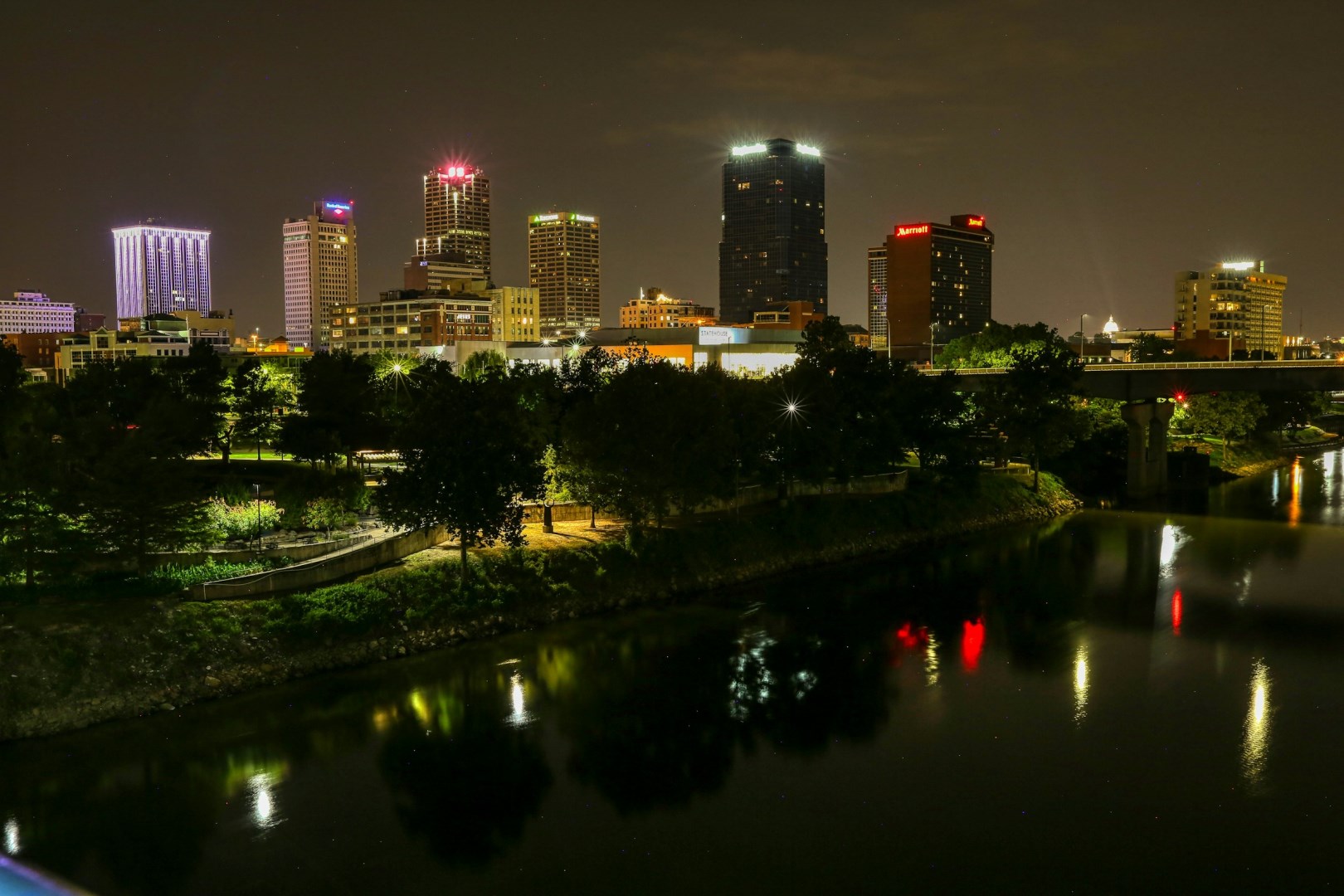
Little Rock
Little Rock, capital and largest city of Arkansas, a port of entry on the Arkansas River opposite North Little Rock, in the central part of the state. Among the attractions in Little Rock are the State Capitol (1911); the Governor's Mansion; Quapaw Quarter, a district of restored buildings that includes the Old State House; the Arkansas Territorial Restoration, a group of restored homes dating from the early 19th century; and MacArthur Park, containing the Arkansas Arts Center, and much more!
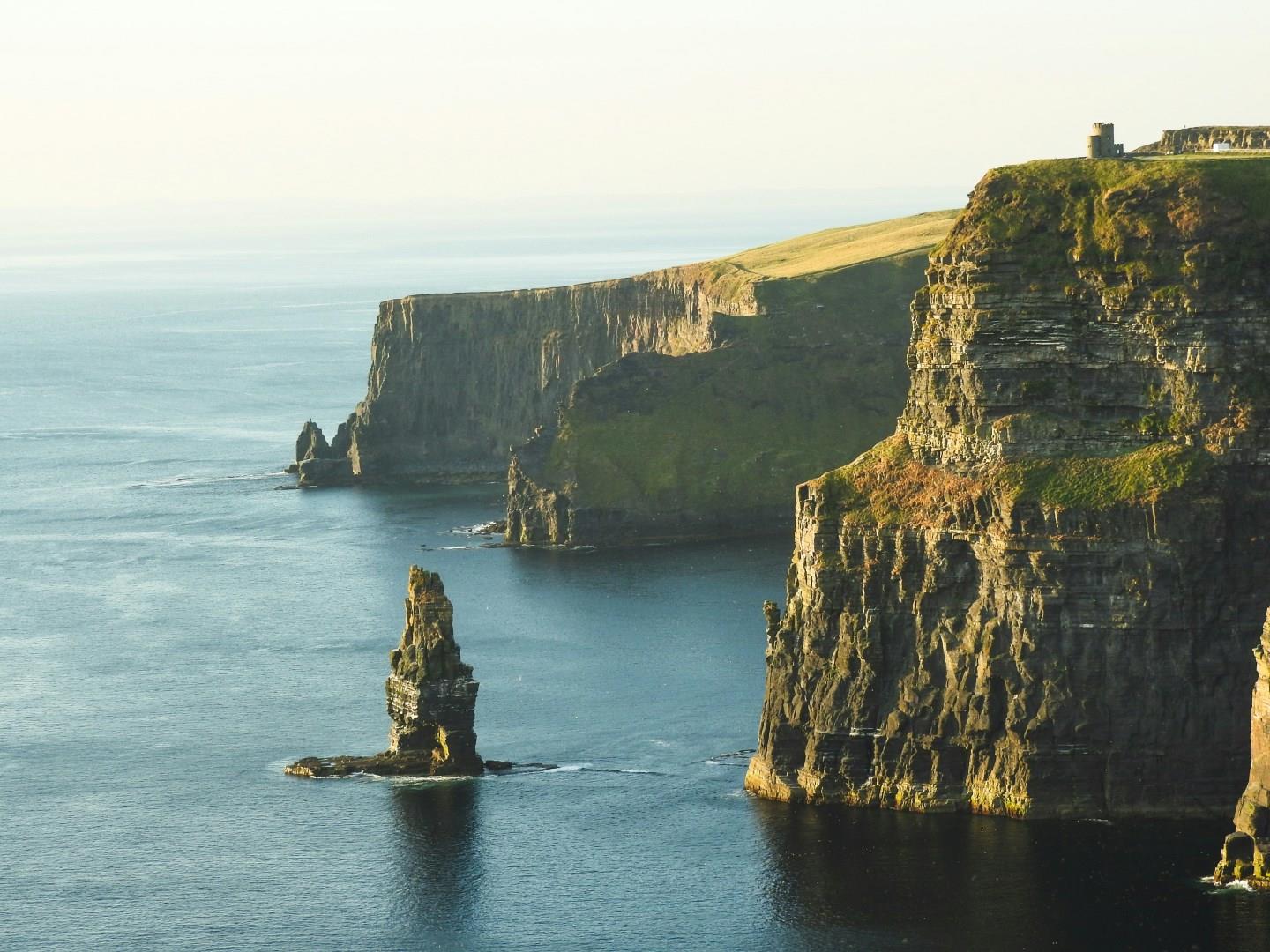
Cliffs of Moher
The Cliffs of Moher rise dramatically from the Atlantic Ocean, stretching for about 8 kilometers along Ireland’s western coast in County Clare. At their highest point near O'Brien's Tower, the cliffs reach 214 meters, offering uninterrupted views of the Aran Islands, Galway Bay, and the craggy peaks of Connemara on a clear day. These ancient sea cliffs have stood for over 300 million years and remain one of the most visited and photographed sites in Ireland.

Bucharest
Tree-lined avenues, grand architecture, and the imperative to live well defines Bucharest, a bustling city that is rebounding and expanding. In the 1900s, this vibrant Romanian capital was nicknamed "Little Paris" and that jubilant, raise-a-glass spirit carries over to this day.

Pennsylvania
Pennsylvania offers more than just a glimpse into American history, it invites travelers to walk through it. In Philadelphia, the Liberty Bell still draws visitors from around the world, while Independence Hall, a UNESCO World Heritage Site, is where both the Declaration of Independence and the U.S. Constitution were debated and signed. Just a short walk away, modern museums like the National Constitution Center offer hands-on exhibits that connect the past to today’s civic questions.
