

Salvador da Bahia
Salvador da Bahia, often simply called Salvador, is a city where the soul of Brazil truly shines. As the capital of the state of Bahia and one of the oldest colonial cities in the Americas, Salvador offers a rich tapestry of Afro-Brazilian culture, vibrant music, and historic architecture.
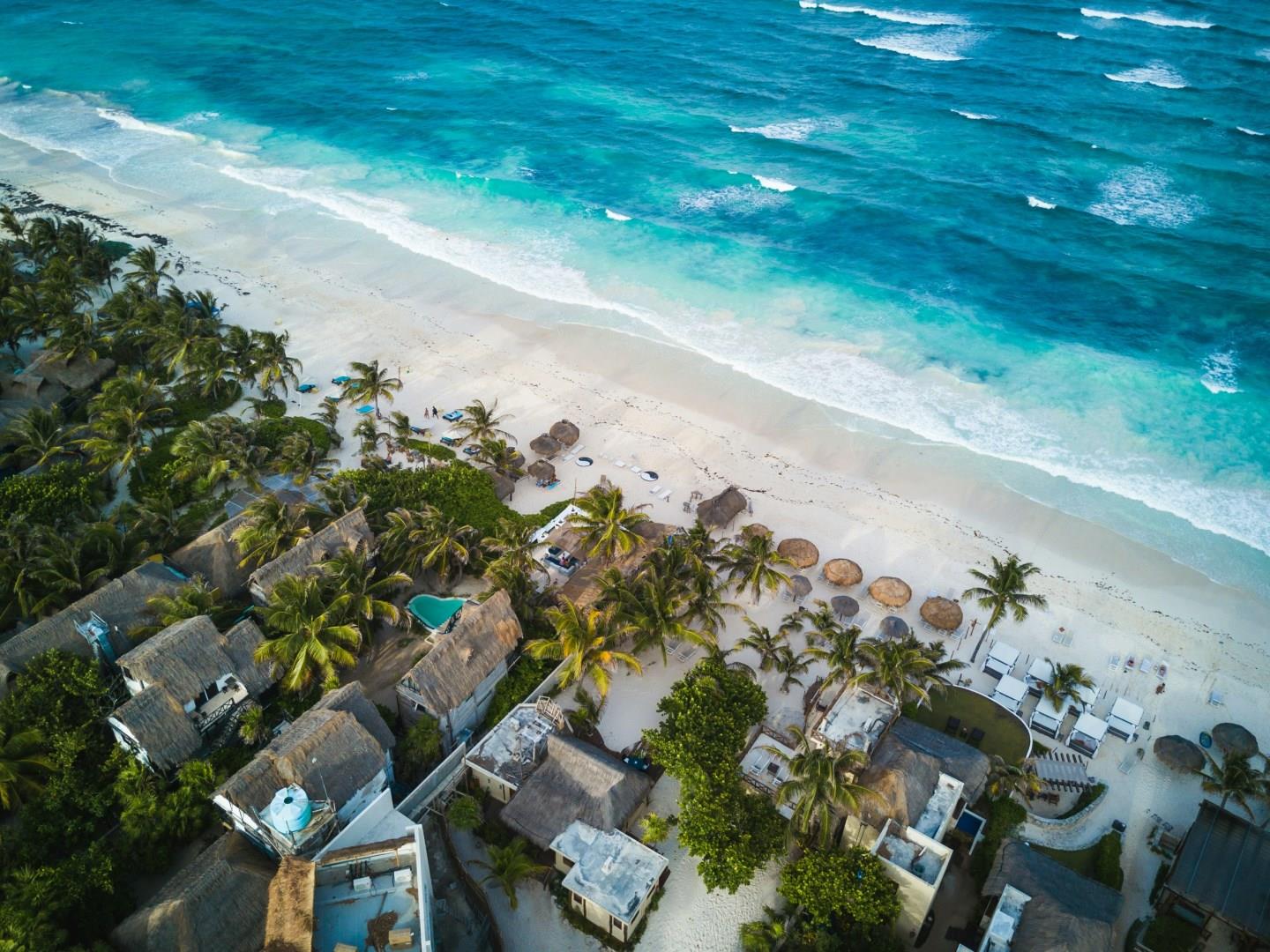
Mexico
Mexico is a land where ancient civilizations, vibrant traditions, and breathtaking landscapes come together. From the bustling streets of Mexico City to the quiet pueblos tucked into mountain valleys, each corner of the country reveals a unique facet of its rich identity.
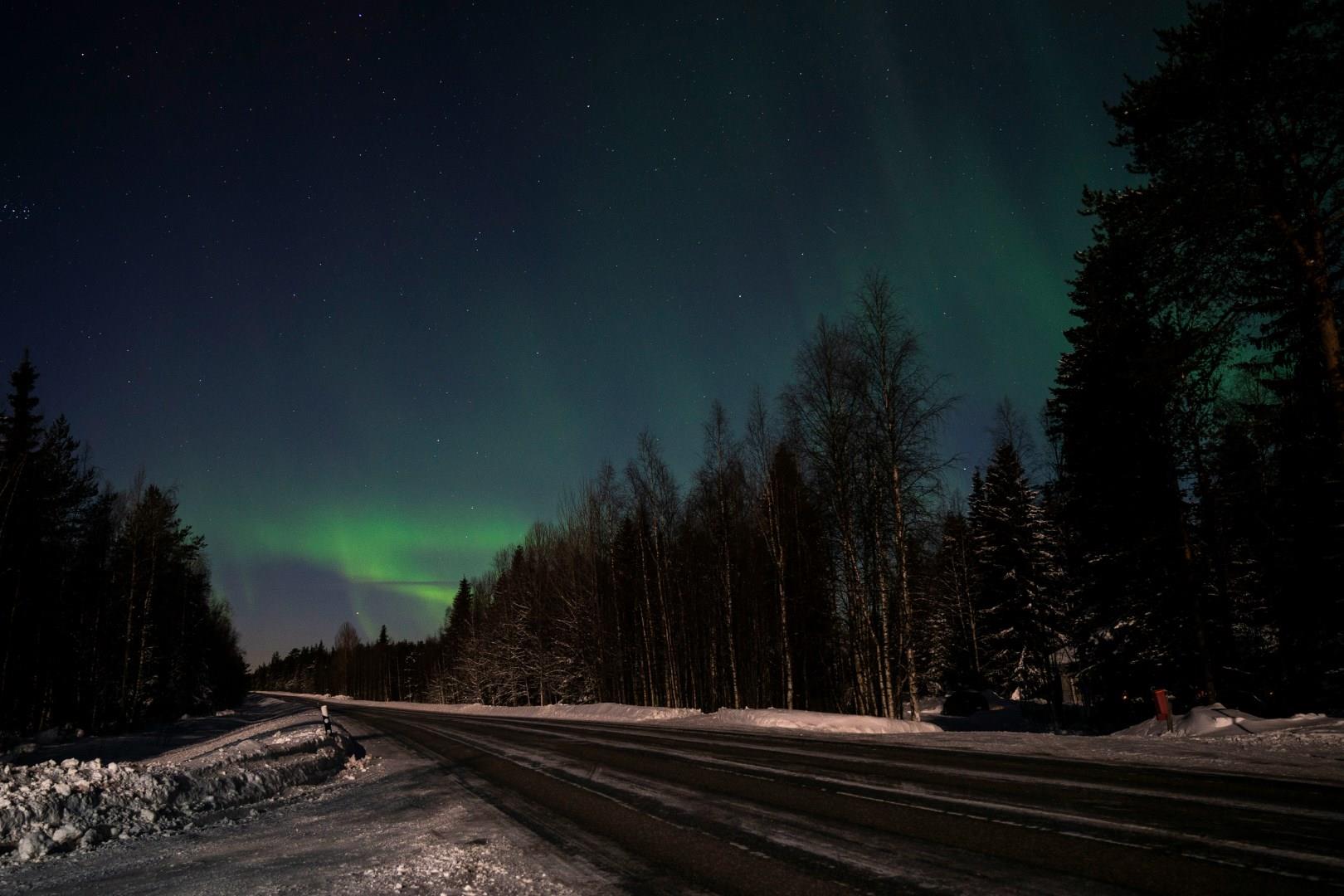
Rovaniemi
Rovaniemi, located just a few kilometers south of the Arctic Circle, is widely recognized as the official hometown of Santa Claus. From late August through early April, the Northern Lights are visible on clear nights, and several local guides offer nighttime tours to remote locations for optimal viewing. During summer, the sun doesn't set for weeks, giving travelers the rare chance to hike or kayak under a sky that stays bright at midnight.
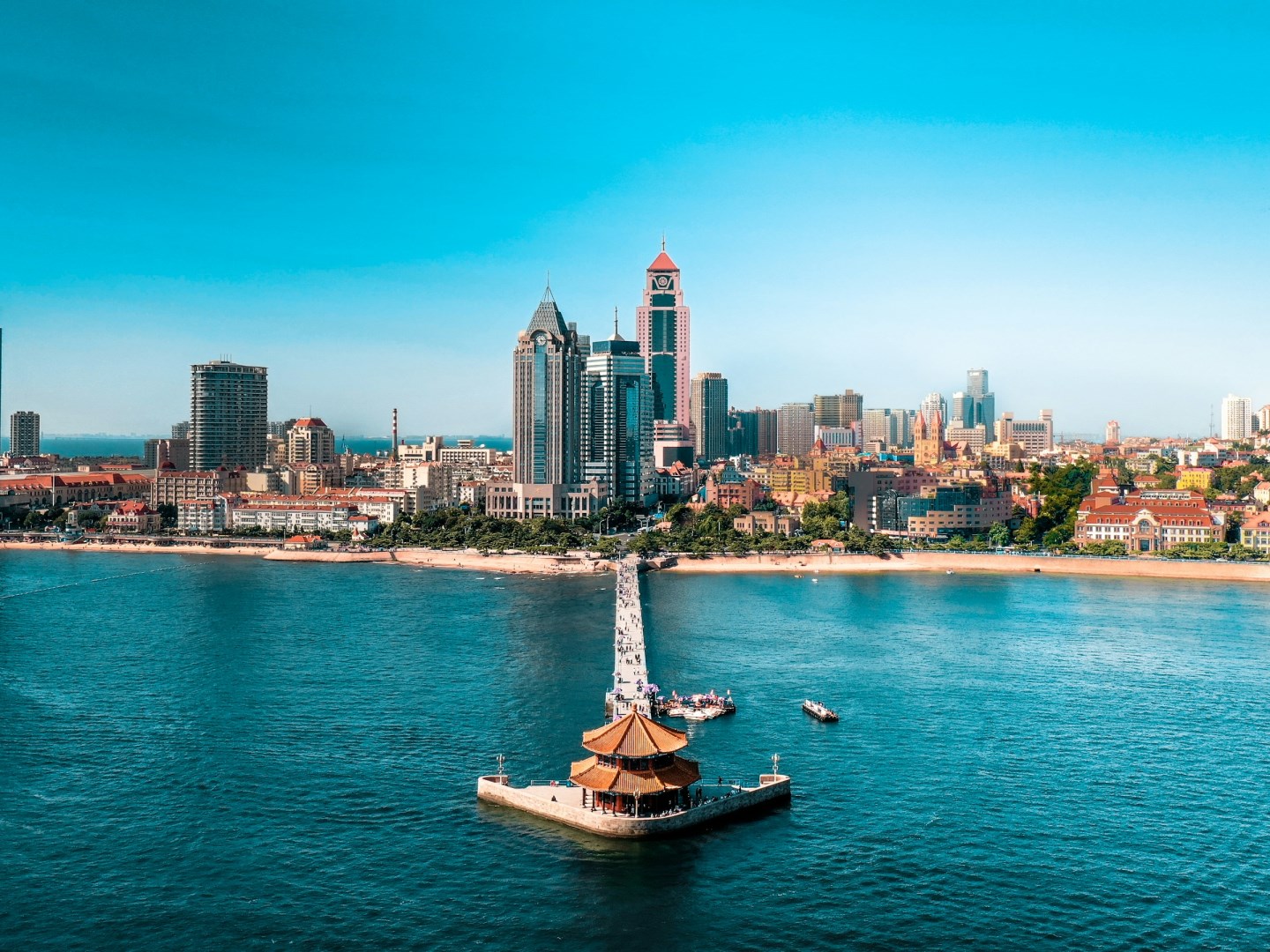
Qingdao
Qingdao, also Tsingtao or Ch'ing-tao, Shandong Province, eastern China. It is a major naval base, an industrial center, and a port on the Yellow Sea at the entrance to sheltered Jiaozhou Bay. The port, which rarely freezes over, serves the industrialized northern China Plain and was expanded in 1976 to include an oil terminal for large tankers on Huang Island. The leading manufactures of the city include textiles, railroad equipment, rubber goods, fertilizer, and chemicals.

Isla del Sol
Isla del Sol, or Island of the Sun, is one of the best-known islands in Lake Titicaca, Bolivia, located in the lake’s southern section near Copacabana. The island is shaped by steep hills, stone terraces, small farming communities, and broad views across the high-altitude lake toward the Andes. At about 3,810 meters above sea level, Lake Titicaca creates a distinctive setting where cultivated slopes meet deep blue water and distant mountain peaks.
