

Vik
Perched on the southern coast of Iceland, the quaint village of Vík í Mýrdal, or simply Vík, is a destination that defies expectations with its dramatic landscapes and unique charm. Known as Iceland’s southernmost village, Vík is famed for its striking black sand beach, Reynisfjara, consistently ranked among the most beautiful non-tropical beaches in the world.
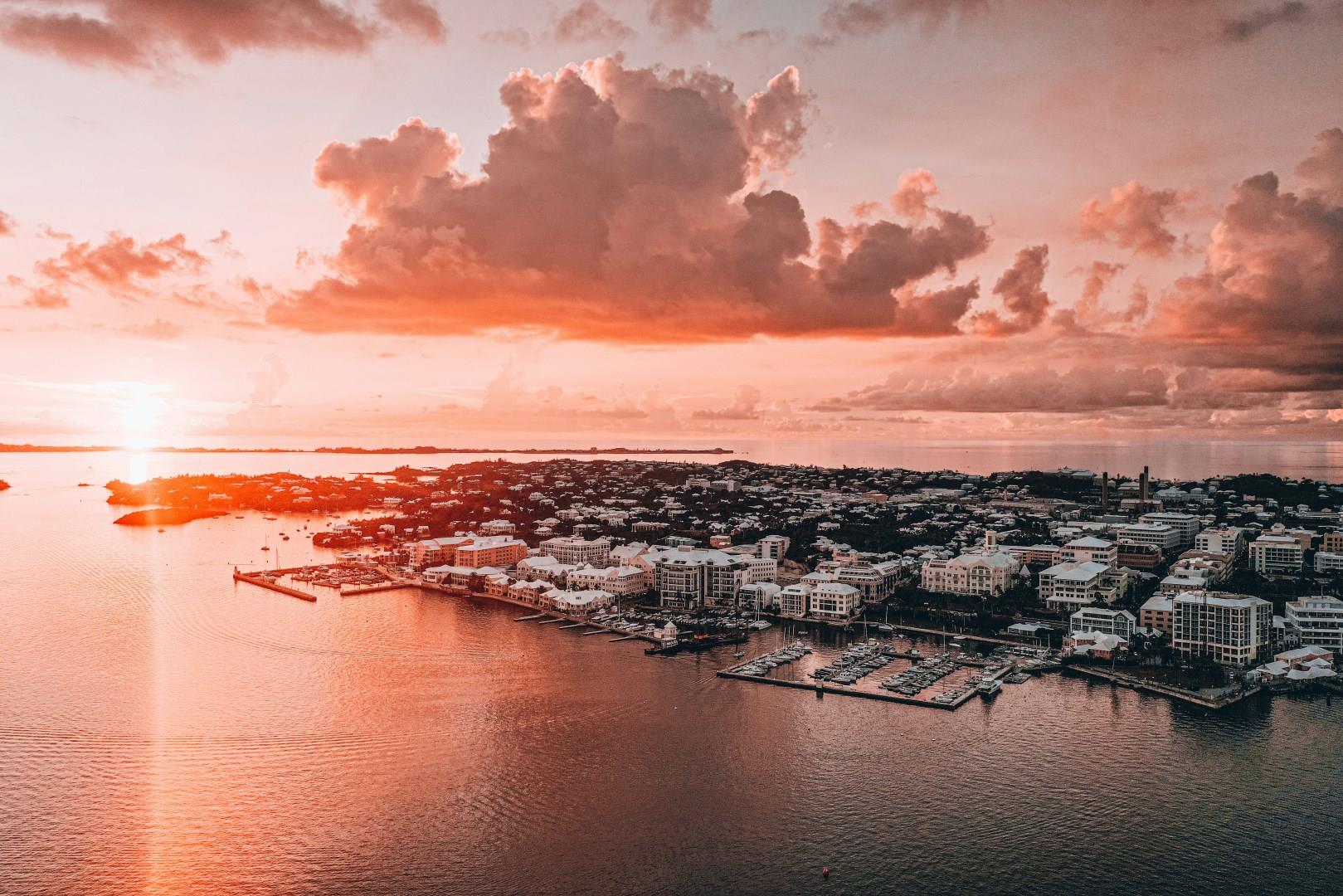
Hamilton
Hamilton, the capital of Bermuda, is the island’s lively cultural and commercial heart. Established in 1793, the city blends colonial charm with a modern island vibe, framed by pastel buildings and a picturesque harbor.

Latvia
Latvia invites visitors to explore a land where medieval streets meet vast forests and a lively coastline. Riga, the country’s capital, is home to one of the largest and best-preserved collections of Art Nouveau architecture in Europe. Walking through the Old Town, visitors can admire intricate facades and cobblestone streets that lead to landmarks like the House of Blackheads and St. Peter’s Church, whose tower offers panoramic views of the city.

Bolivia
Bolivia is a country where altitude meets attitude high in the Andes with rich traditions that stretch back thousands of years. Its capital, La Paz, sits in a bowl-shaped valley surrounded by jagged peaks, making it one of the highest cities in the world. Cable cars glide over the city’s rooftops, linking markets, museums, and neighborhoods in a way that doubles as both transport and sightseeing. From here, visitors can easily reach the Moon Valley.

Puno
Situated on the shore of Lake Titicaca, Puno is referred to as the folkloric capital of Peru due to its artistic and cultural expressions, particularly dance. Notable landmarks include the Andean baroque-style Puno Cathedral and the Yavari, a 19th-century steamship. Products created from alpaca, llama, or sheep wool are a signature of the area, as well as musical instruments like the siku.
