

Húsavík
Nestled on the shores of Skjalfandi Bay in northern Iceland, Husavik offers visitors the unique chance to witness humpback whales, minke whales, and even the occasional blue whale in their natural habitat. The town is also home to the Husavik Whale Museum, which provides fascinating insights into the marine life of the region and the history of whaling in Iceland.

Ghent
If it wasn't for Paris, Ghent would be medieval Europe's largest city. Steeped in history both rebellious and industrious, it sits at the junction of the Leie and Scheldt rivers and was once the site of armed battles by its townsfolk, who raged against heavy taxes and restricted civil liberties.
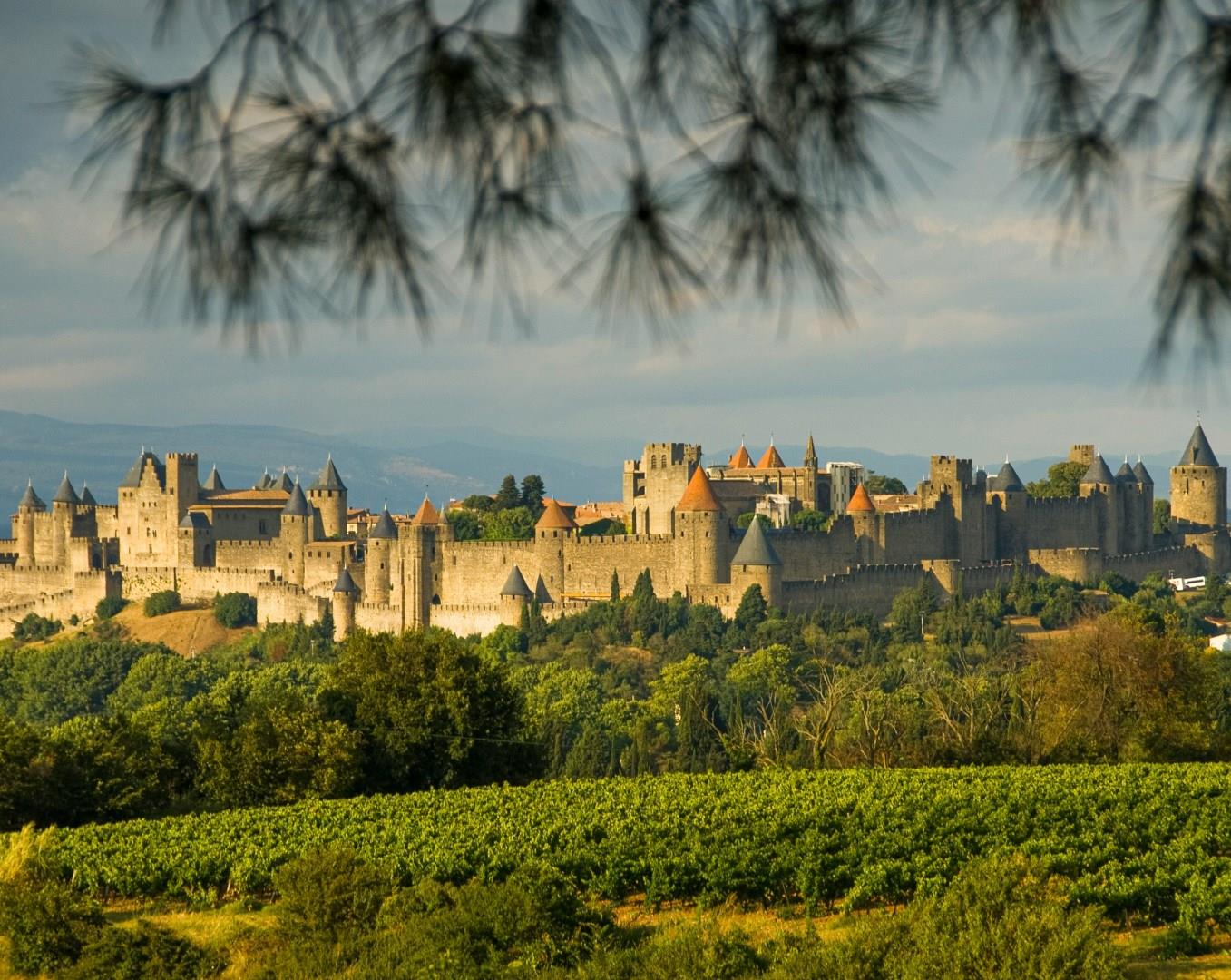
Carcassonne
Carcassonne is a fortified city in southern France, rising above the Aude River with walls and towers that feel lifted from another century. Its origins stretch back to Roman times, but the city is best known for its medieval citadel, rebuilt and expanded during the Middle Ages when Carcassonne became a strategic stronghold on key trade and military routes.

Tromso
Tromsø, a gem nestled in the Arctic Circle, offers an unparalleled blend of natural wonders and cultural richness. Known as the "Gateway to the Arctic," this Norwegian city is famed for its spectacular Northern Lights. Between September and April, Tromsø becomes a prime location for witnessing the aurora borealis, a mesmerizing display of green, purple, and pink lights dancing across the polar sky.
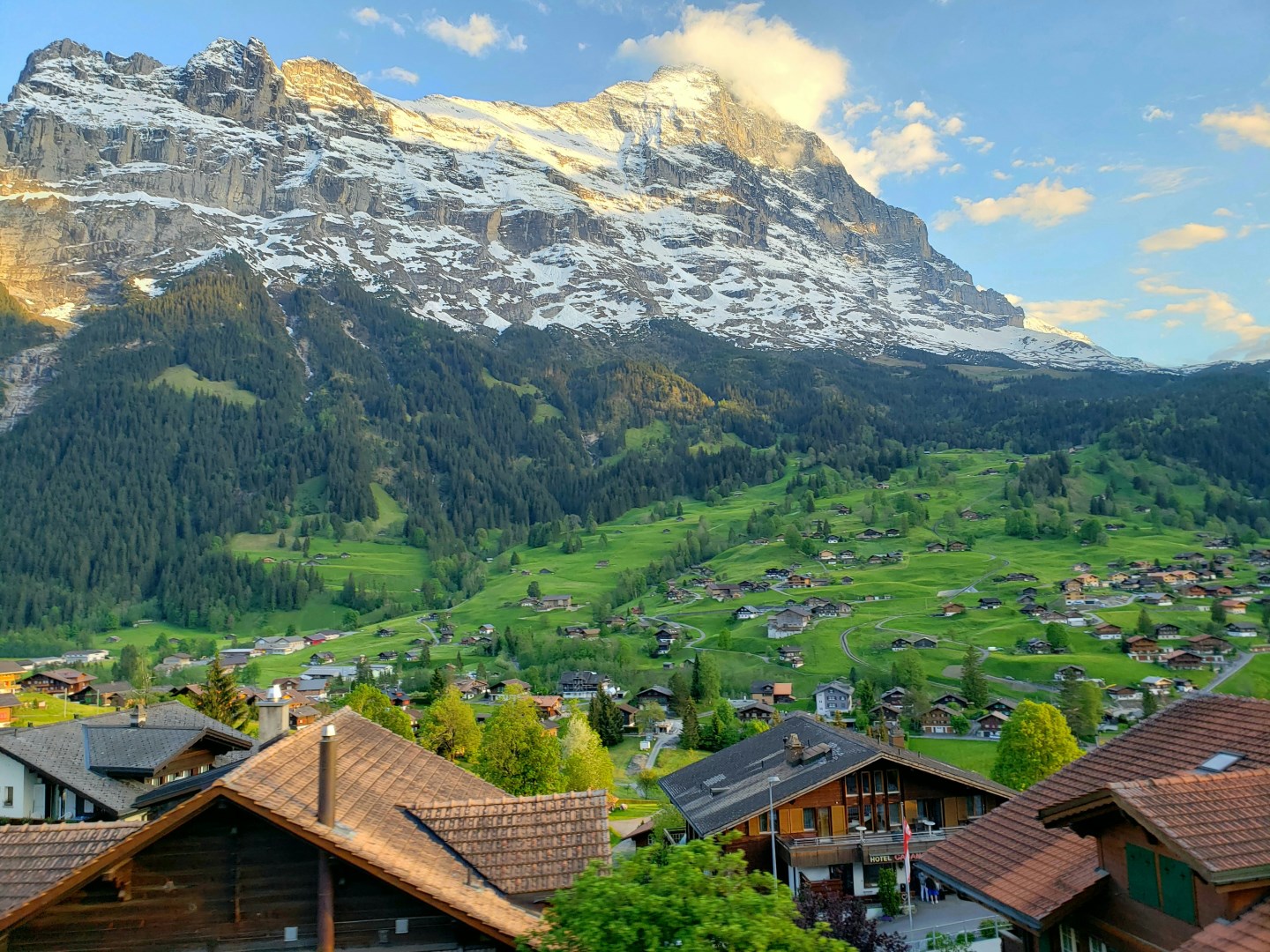
Grindelwald
Set in a wide alpine valley beneath the north face of the Eiger, Grindelwald has long been a place where mountain life and mountaineering history intersect. The village grew from a farming settlement into one of Switzerland’s earliest alpine tourism hubs in the 19th century, when climbers, writers, and scientists arrived to study—and attempt—the surrounding peaks.
