
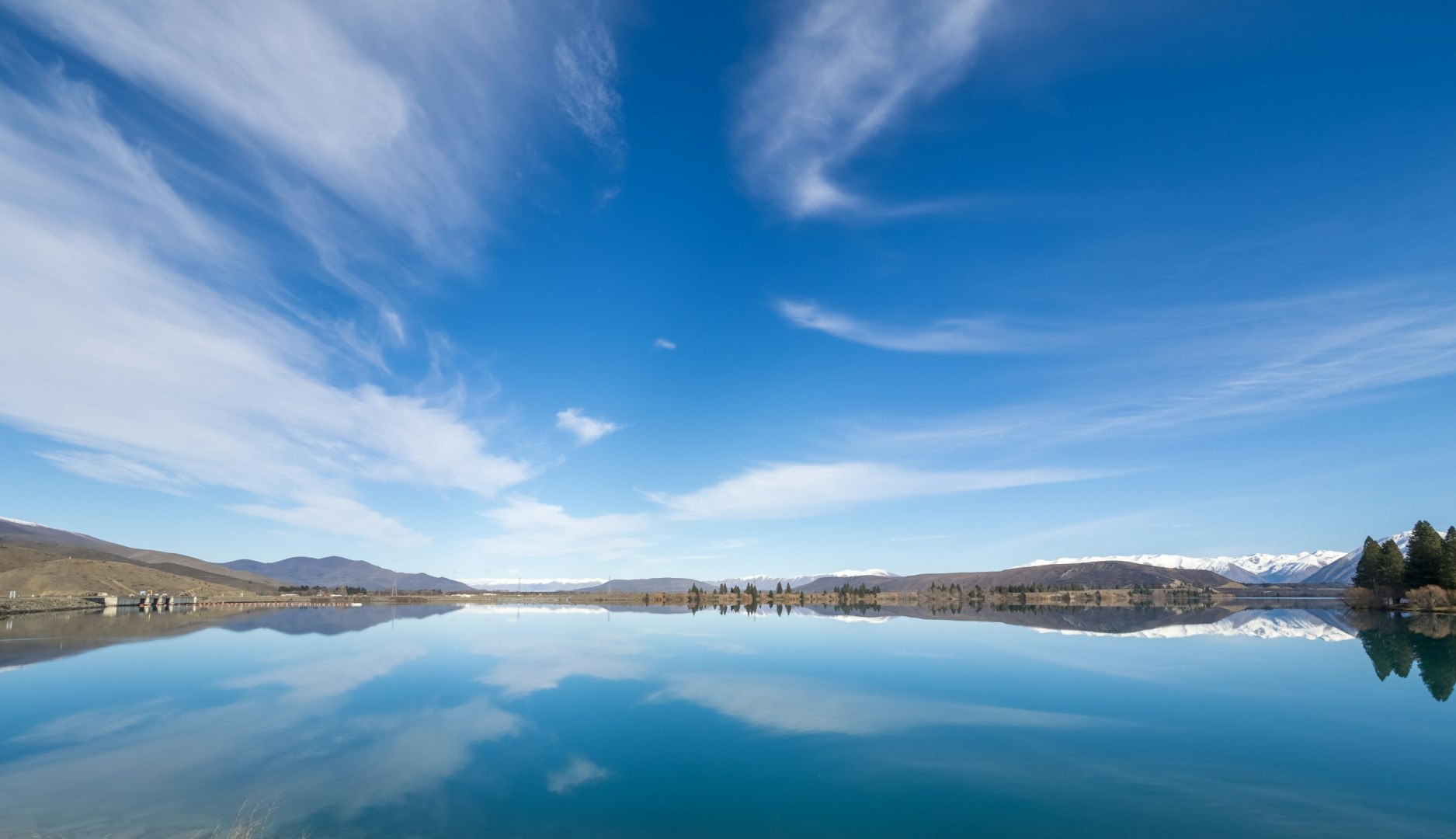
Lake Ōhau
Lake Ōhau, nestled in the Mackenzie Basin of New Zealand’s South Island, is a serene and striking alpine lake framed by the Southern Alps. Its clear, turquoise waters reflect the surrounding mountains, creating vistas that captivate visitors at every turn. The lake’s remote location and relatively low visitor numbers make it an ideal destination for those seeking a peaceful retreat, with opportunities to fish, kayak, or simply take in the sweeping scenery along its shores.
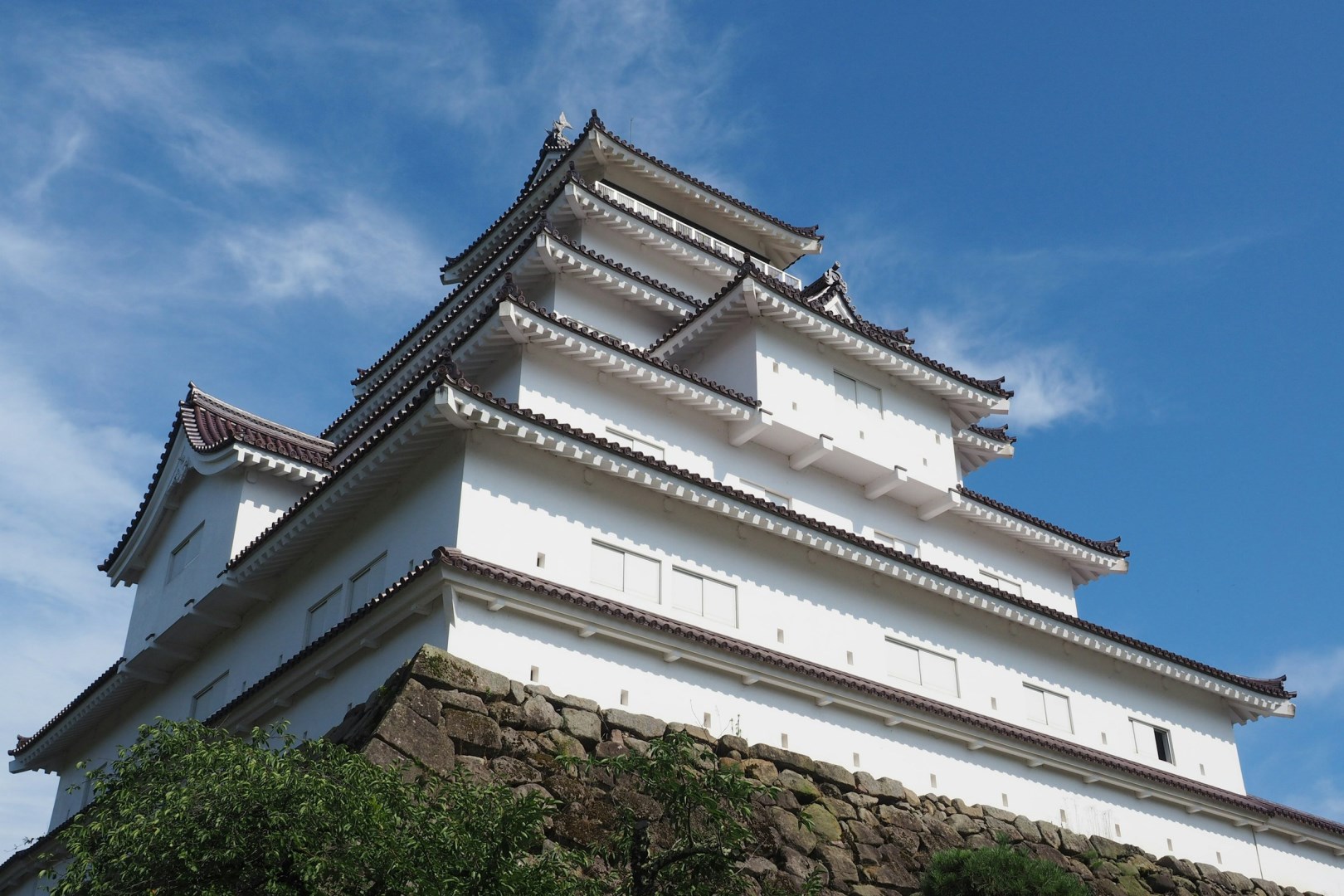
Aizuwakamatsu
Aizuwakamatsu in Fukushima Prefecture is a city where samurai history is tangible. Once a stronghold of the Aizu domain, it played a pivotal role in the late Edo period and the Boshin War.

Warsaw
Warsaw stands as one of Europe’s most resilient cities, having rebuilt itself almost entirely after World War II. The Old Town, meticulously reconstructed using paintings by Italian artist Bernardo Bellotto, feels centuries old but is, in fact, less than a hundred years in its current form. Behind the medieval facades lie stories of uprisings, resistance, and quiet defiance. Visitors walking through Castle Square can enter the Royal Castle, where Poland’s Constitution of May 3, 1791 was adopted.

Helsinki
Nature is never far in Helsinki. Locals swim in the sea, walk forested trails, and gather mushrooms or berries all within city limits. One popular local habit is heading to the sauna, and the city offers several open-to-the-public options. Löyly, located on the waterfront, combines traditional wood-burning saunas with a sleek, modern design. In winter, visitors can even pair a sauna session with a quick dip through a hole cut in the ice for an experience both shocking and strangely calming.
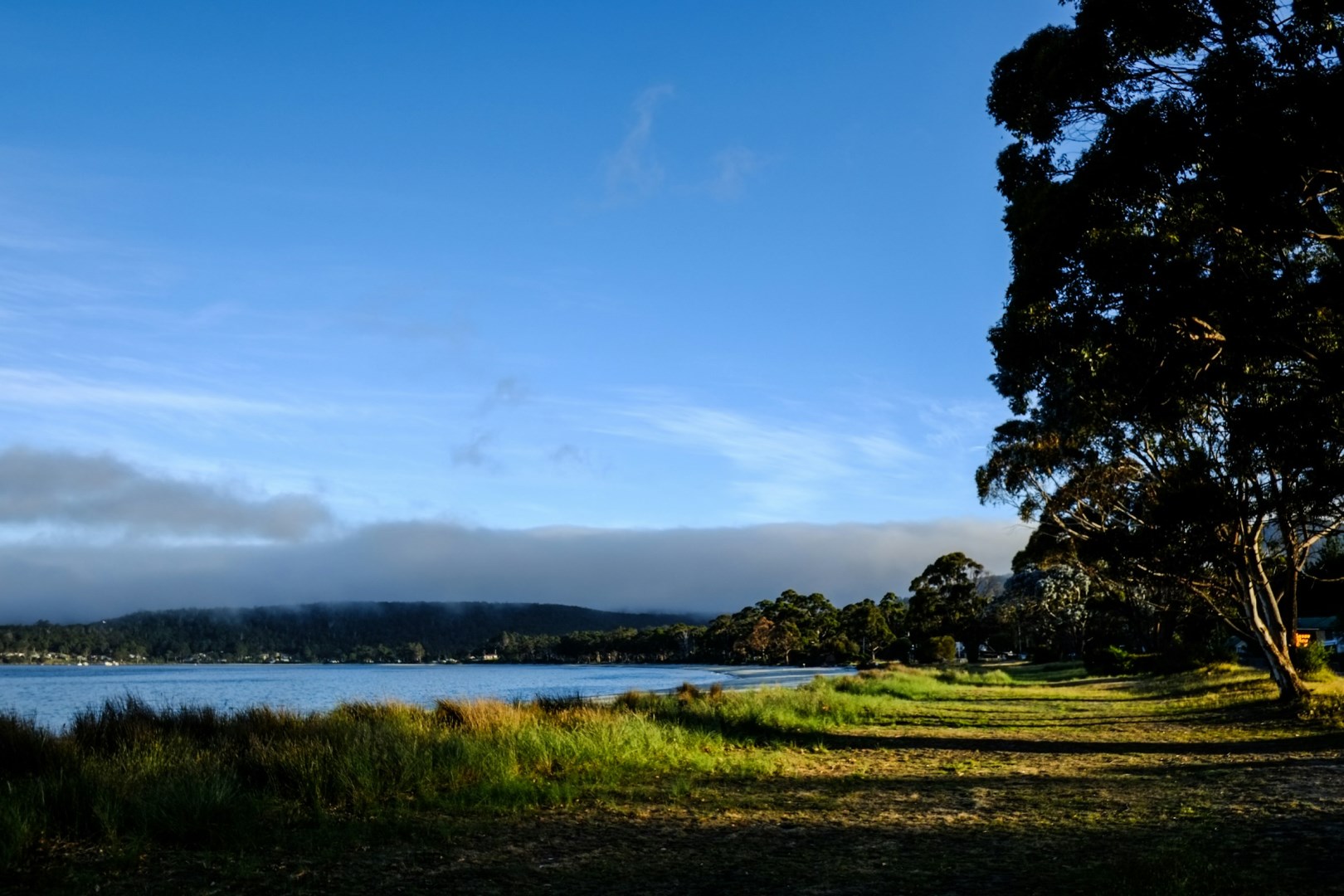
Bruny Island
Bruny Island is an island destination off the south-east coast of Tasmania, separated from the mainland by the D’Entrecasteaux Channel and reached by a short vehicle ferry from Kettering. The island consists of North Bruny and South Bruny, connected by a narrow isthmus known as The Neck. Its landscape includes beaches, sheltered bays, forests, farmland, cliffs, and coastal heath.
