

Okavango Delta
The Okavango Delta, located in Botswana, is one of Africa’s most extraordinary natural wonders. This vast inland delta, renowned for its rich biodiversity and stunning landscapes, offers a unique opportunity to experience a pristine wilderness. As the Okavango River meanders into the Kalahari Desert, it creates a sprawling floodplain that transforms into a lush oasis during the annual flood.
Te Anau
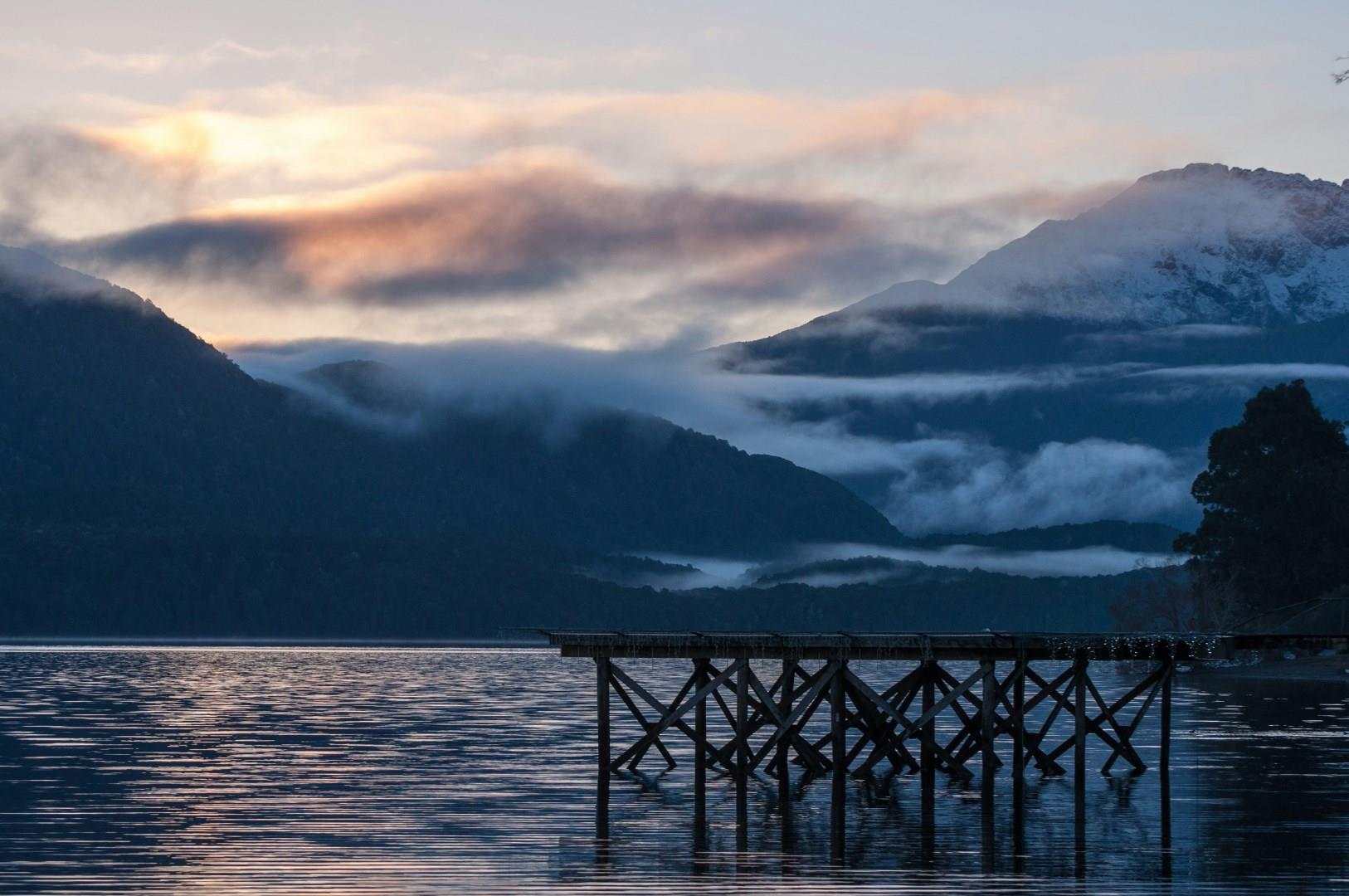
Te Anau sits on the edge of New Zealand’s second-largest lake, acting as the unofficial gateway to Fiordland National Park. While it’s often viewed as a starting point for trips to Milford Sound, the town itself offers a slower, more scenic way to experience the South Island’s dramatic landscapes. Te Anau’s lakefront is a mix of walking paths, local birdlife, and wide-open views across snow-dusted peaks.
Mexico
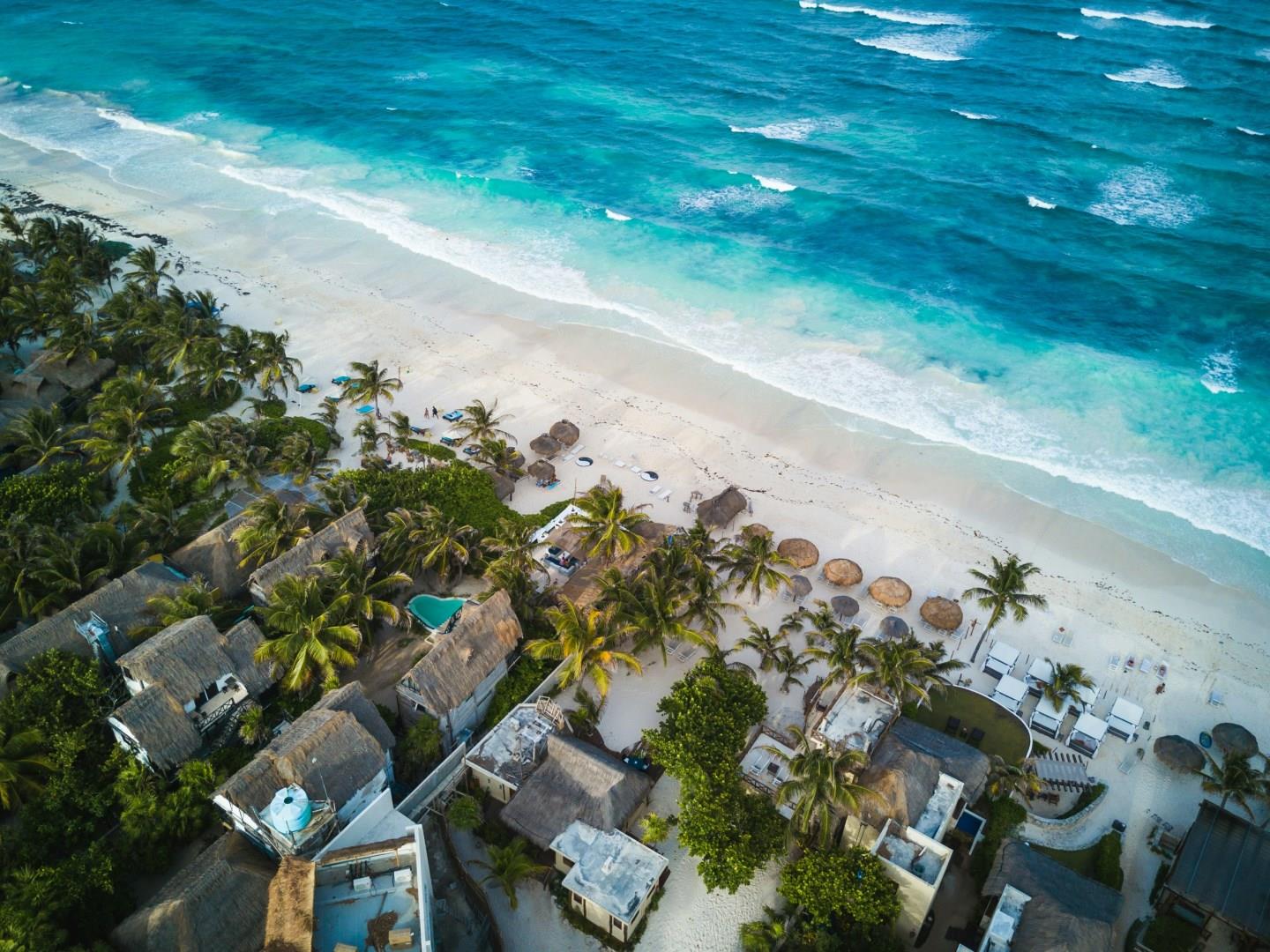
Mexico is a land where ancient civilizations, vibrant traditions, and breathtaking landscapes come together. From the bustling streets of Mexico City to the quiet pueblos tucked into mountain valleys, each corner of the country reveals a unique facet of its rich identity.
St. Kilda
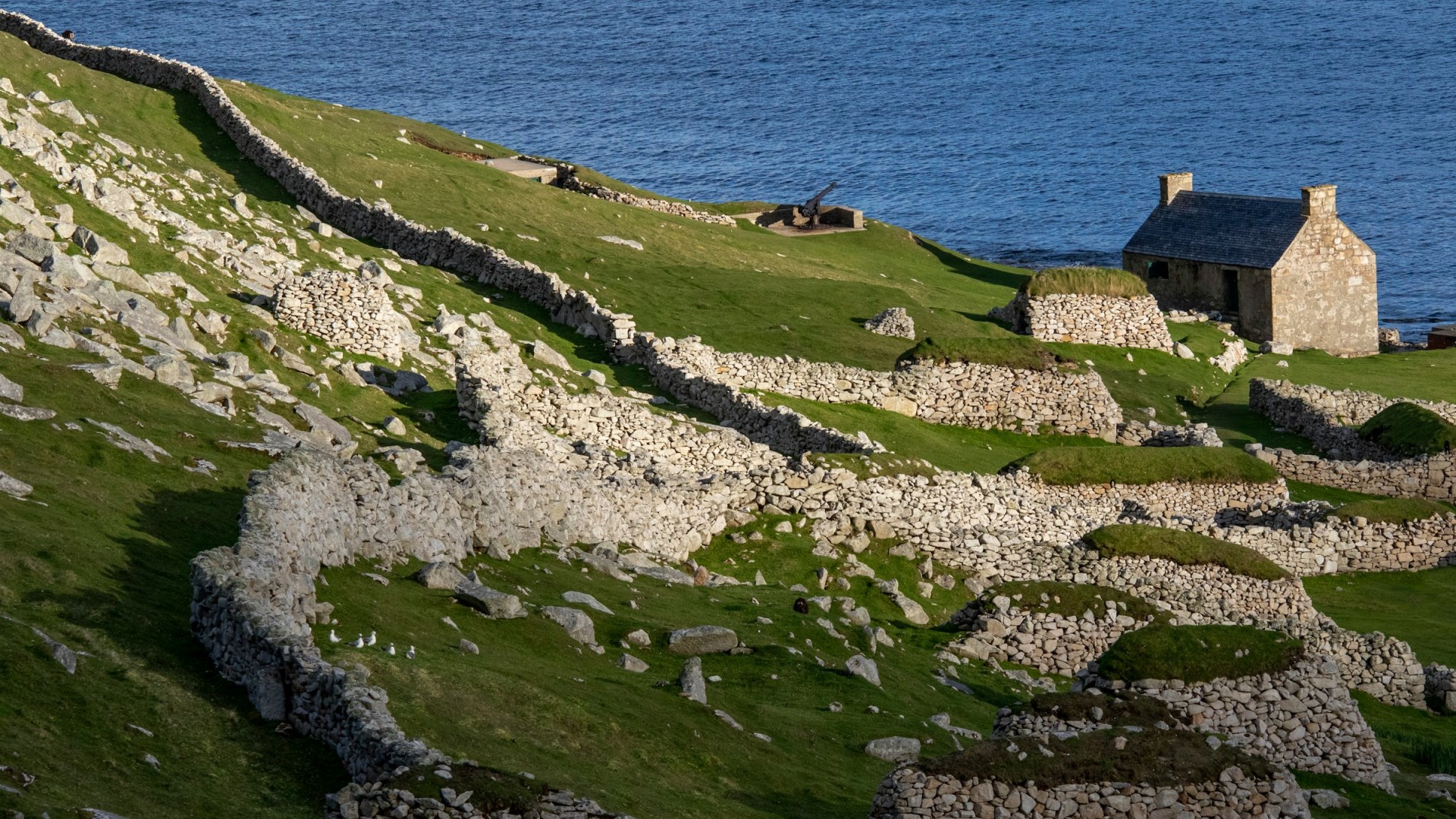
St Kilda is a remote volcanic archipelago in the Atlantic Ocean, far west of Scotland’s Outer Hebrides. The group consists of Hirta, Dun, Soay, and Boreray, along with numerous sea stacks and smaller formations. Hirta is the largest island and contains the remains of the former settlement around Village Bay. No permanent civilian population lives on St Kilda today, although conservation workers, researchers, and Ministry of Defence personnel occupy Hirta at various times.
Uhuru Peak
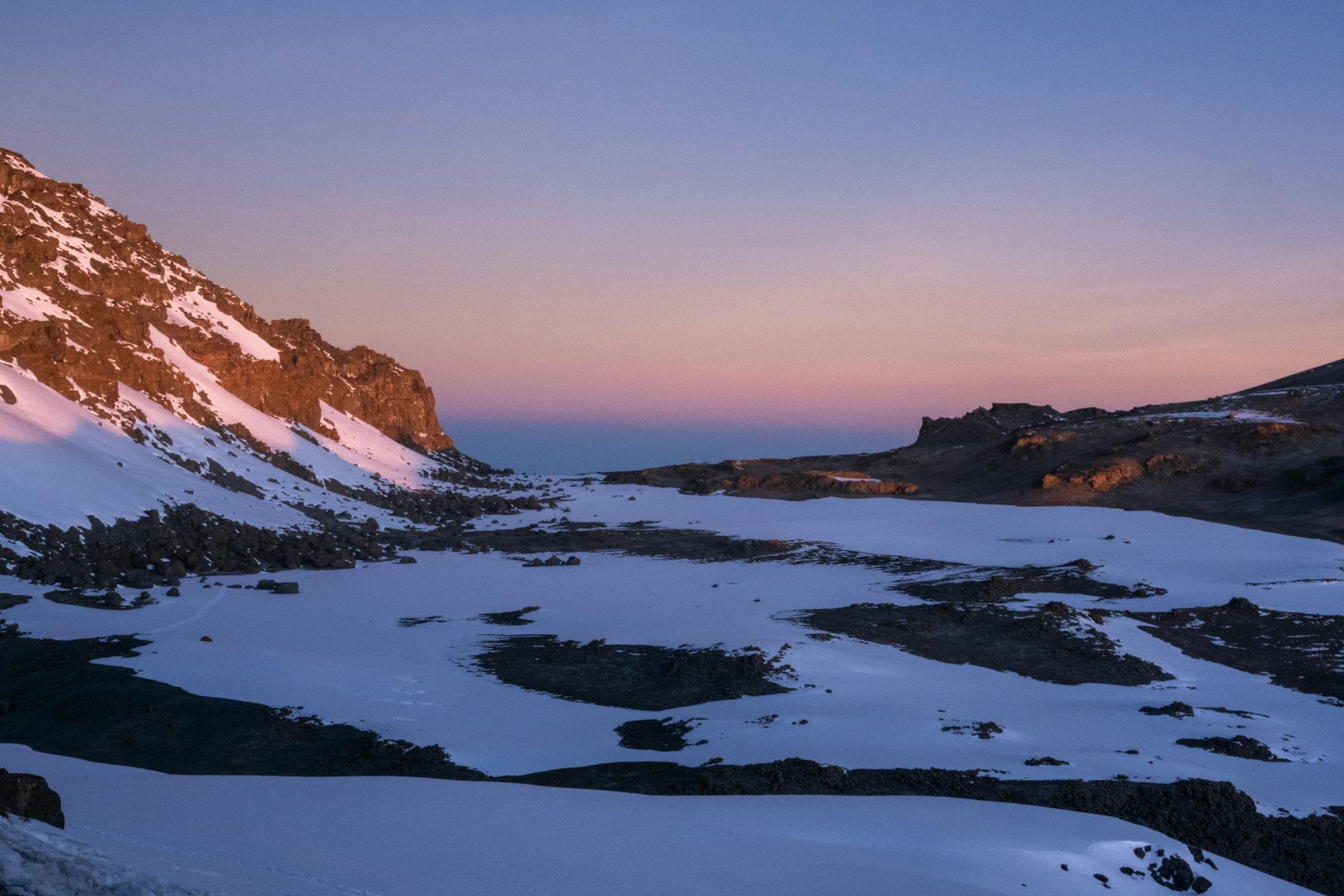
Uhuru Peak is the highest point on Mount Kilimanjaro in northern Tanzania, reaching 5,895 metres above sea level. It stands on Kibo, the mountain’s highest volcanic cone, and forms the summit of the highest free-standing mountain in the world. The route to the peak passes through several distinct ecological zones, beginning with cultivated land and montane forest before reaching moorland, alpine desert, and the high-altitude summit zone.
