

Lanzarote
Lanzarote, the northernmost of the Canary Islands, is a striking destination characterized by its volcanic landscapes and unique architectural heritage. Known for its otherworldly scenery, the island boasts a remarkable volcanic terrain shaped by eruptions in the 18th and 19th centuries. The Timanfaya National Park is a highlight, where visitors can witness geothermal demonstrations and explore the dramatic lava fields on a guided tour.
Nosy Boraha
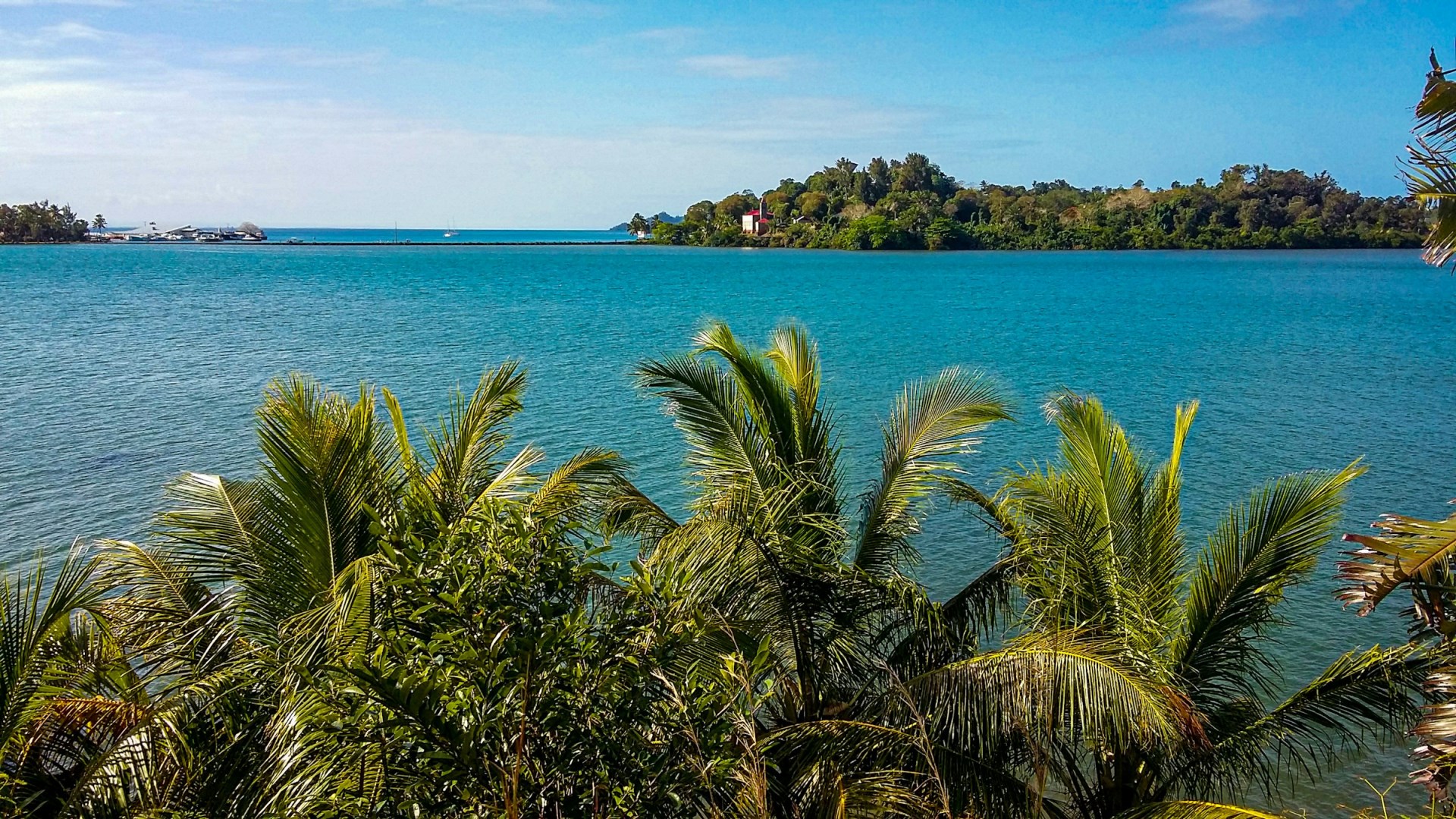
Nosy Boraha, also known as Île Sainte-Marie, is a long, narrow island off Madagascar’s northeastern coast. Its sheltered position in the Indian Ocean gives it a landscape of sandy beaches, coconut palms, lagoons, small bays, and inland forests. The island is separated from mainland Madagascar by a channel that creates relatively calm coastal waters in many areas
Tristan da Cunha
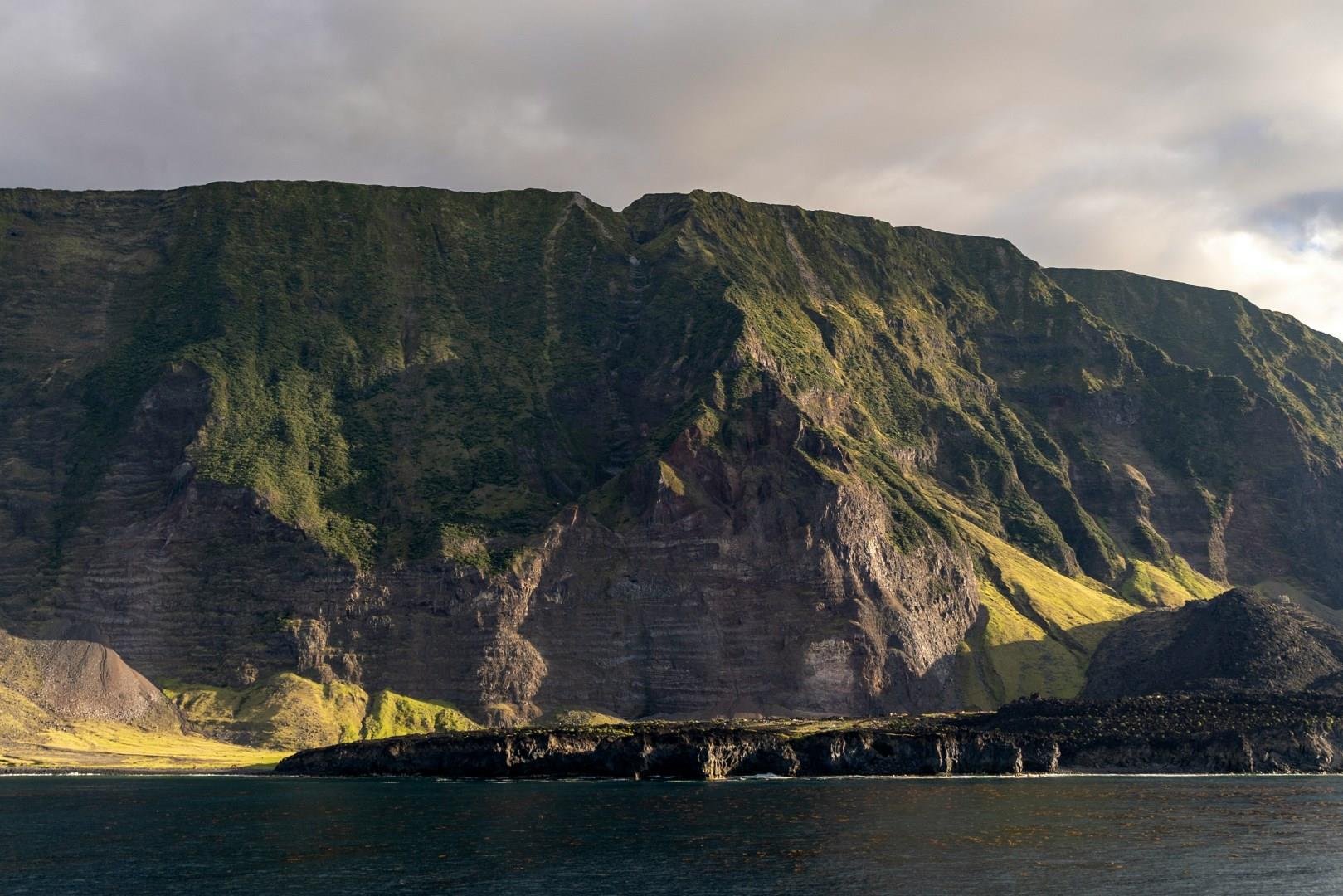
Tristan da Cunha is a remote volcanic island in the South Atlantic Ocean, forming part of a small archipelago along with Inaccessible Island and Nightingale Island. Known as the most isolated inhabited island in the world, it is accessible only by a week-long boat journey from South Africa.
Glendalough
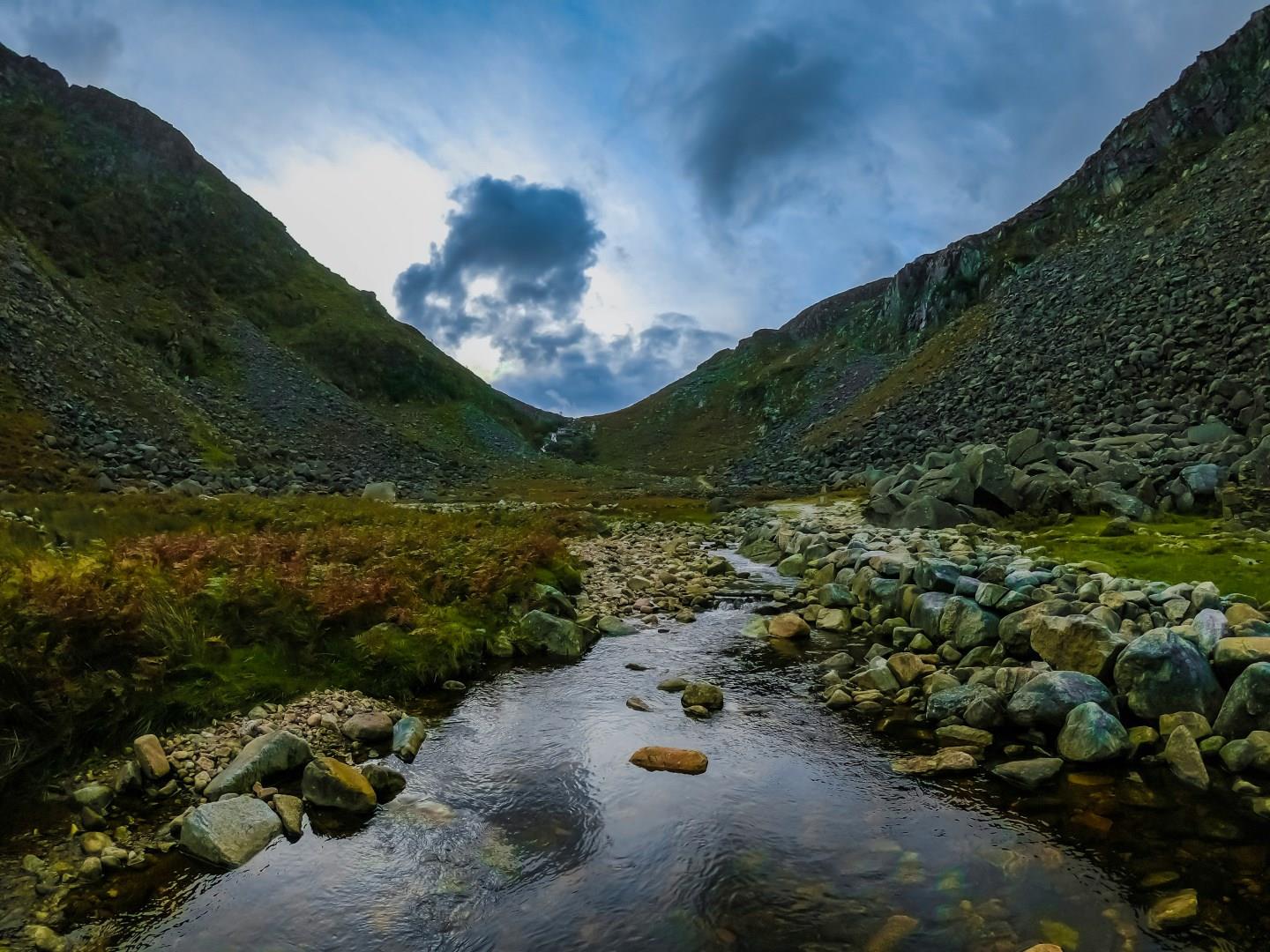
Glendalough, located in County Wicklow, is one of Ireland’s most historically significant and visually striking valleys. It’s best known for its early medieval monastic site, founded by St. Kevin in the 6th century. The round tower, cathedral ruins, and stone churches that remain today are surrounded by forests, lakes, and mountain trails, creating a setting that feels both ancient and untouched.
Sainte-Suzanne
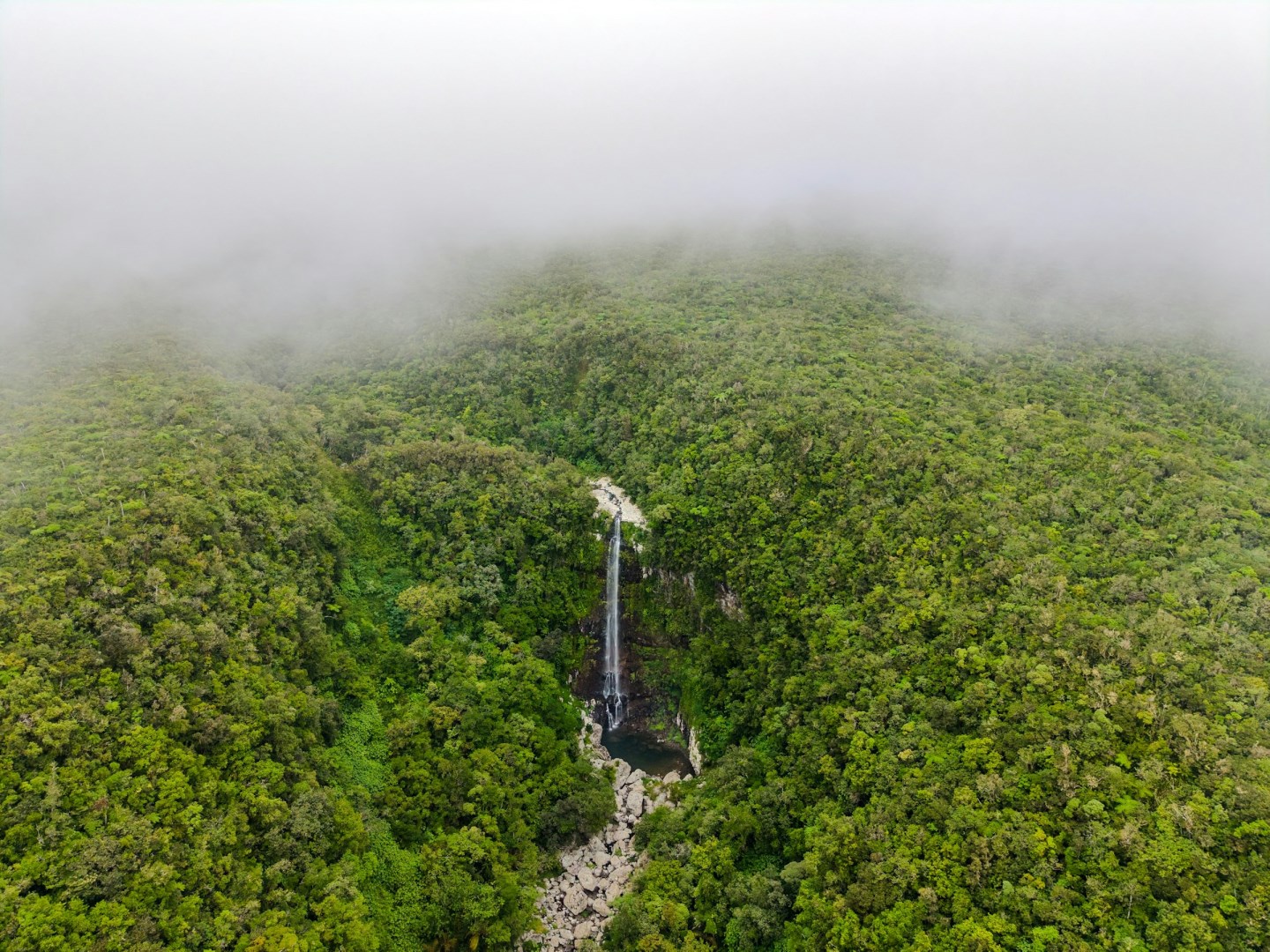
Sainte-Suzanne is a commune on the northeastern coast of Réunion, a French island in the southwestern Indian Ocean.
