
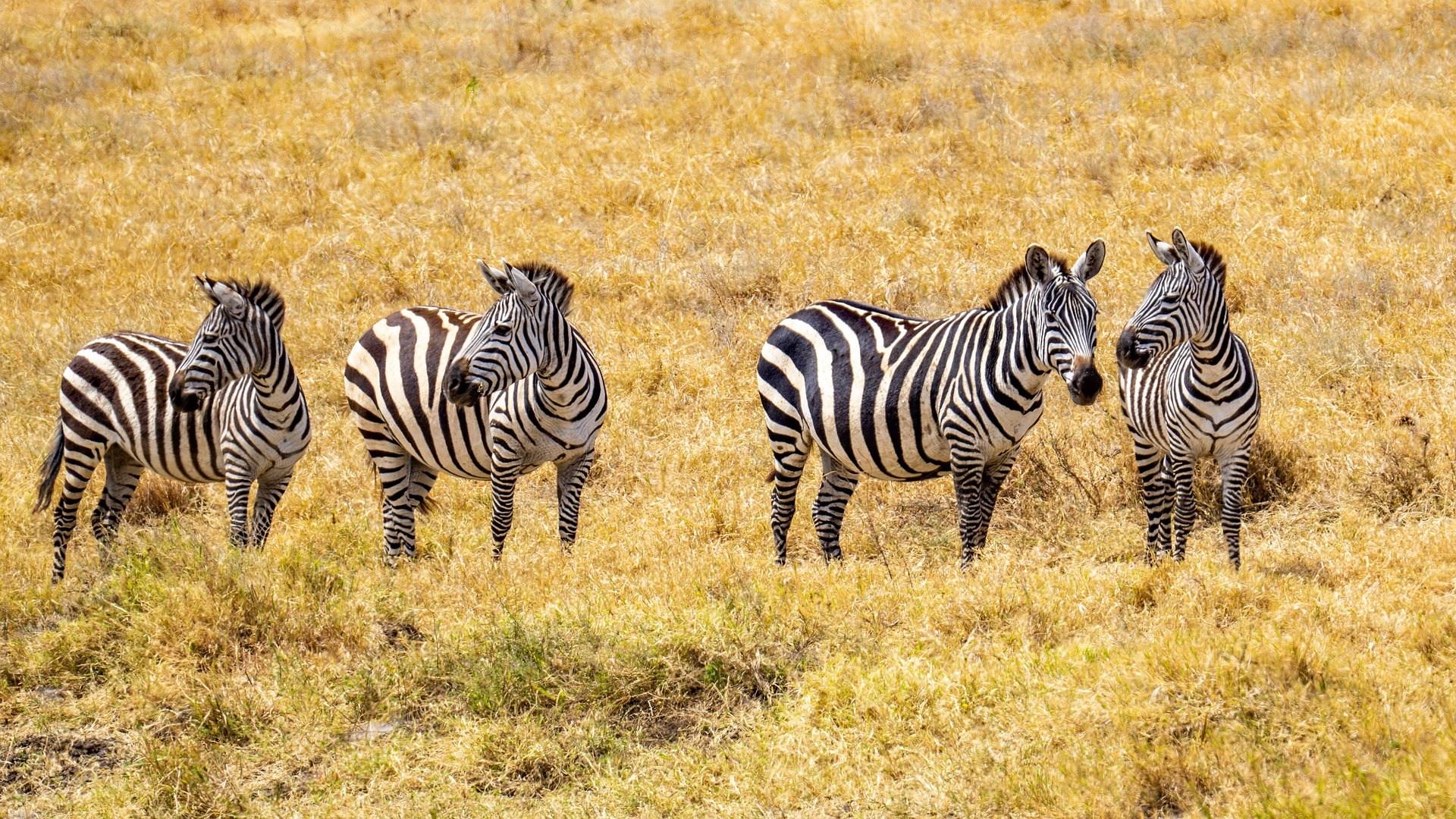
Tanzania
Tanzania, located in East Africa along the Indian Ocean, is a country of extraordinary landscapes and cultural diversity. It is home to Africa’s tallest peak, Mount Kilimanjaro, and vast plains such as the Serengeti, where wildlife roams freely across open savannas.
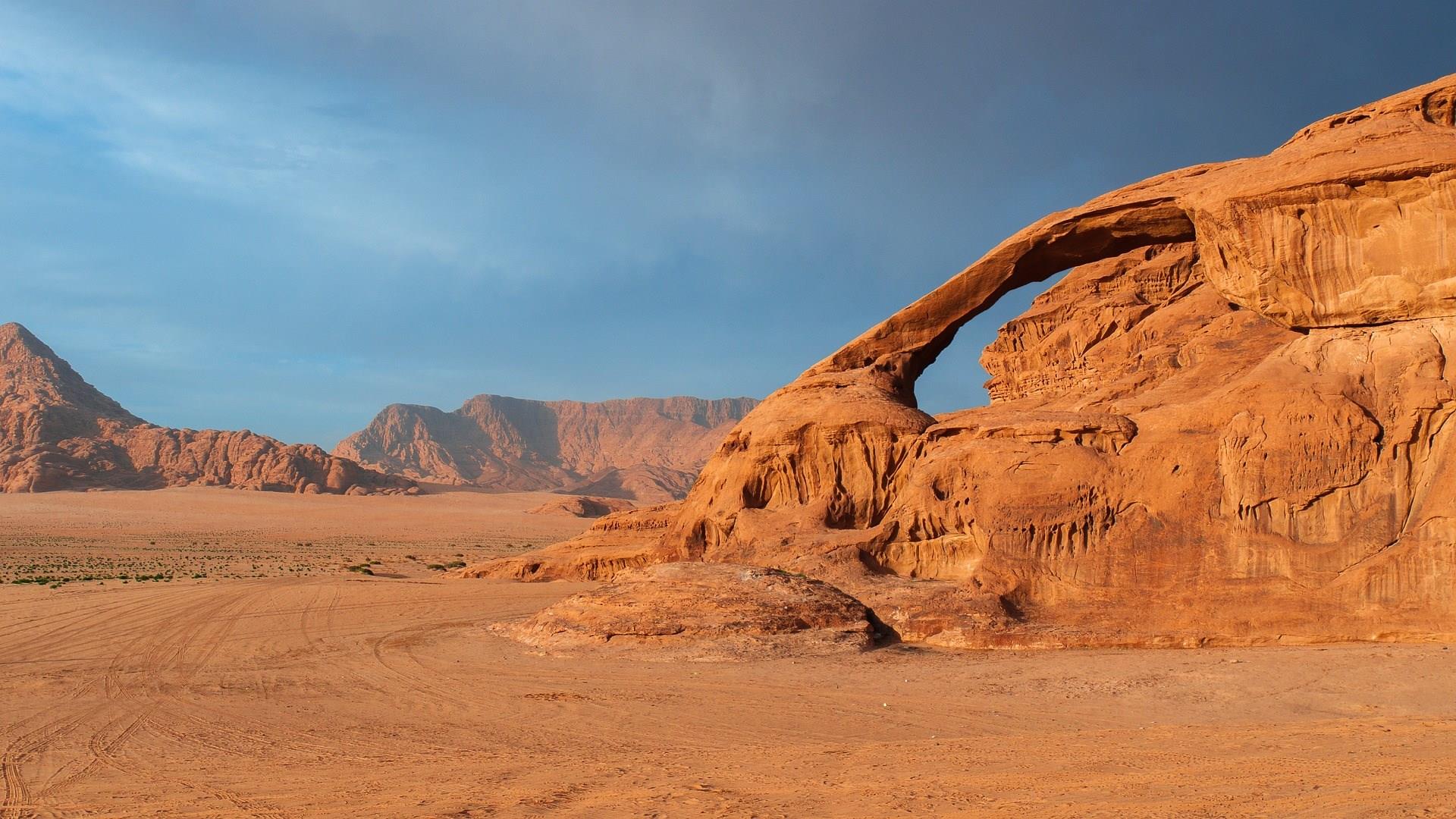
Wadi Rum
Wadi Rum, often called the “Valley of the Moon,” is a desert landscape in southern Jordan renowned for its dramatic sandstone mountains, sweeping red sand dunes, and ancient history carved into the rock. Its vast, otherworldly scenery has made it both a UNESCO World Heritage Site and a backdrop for films set on distant planets.
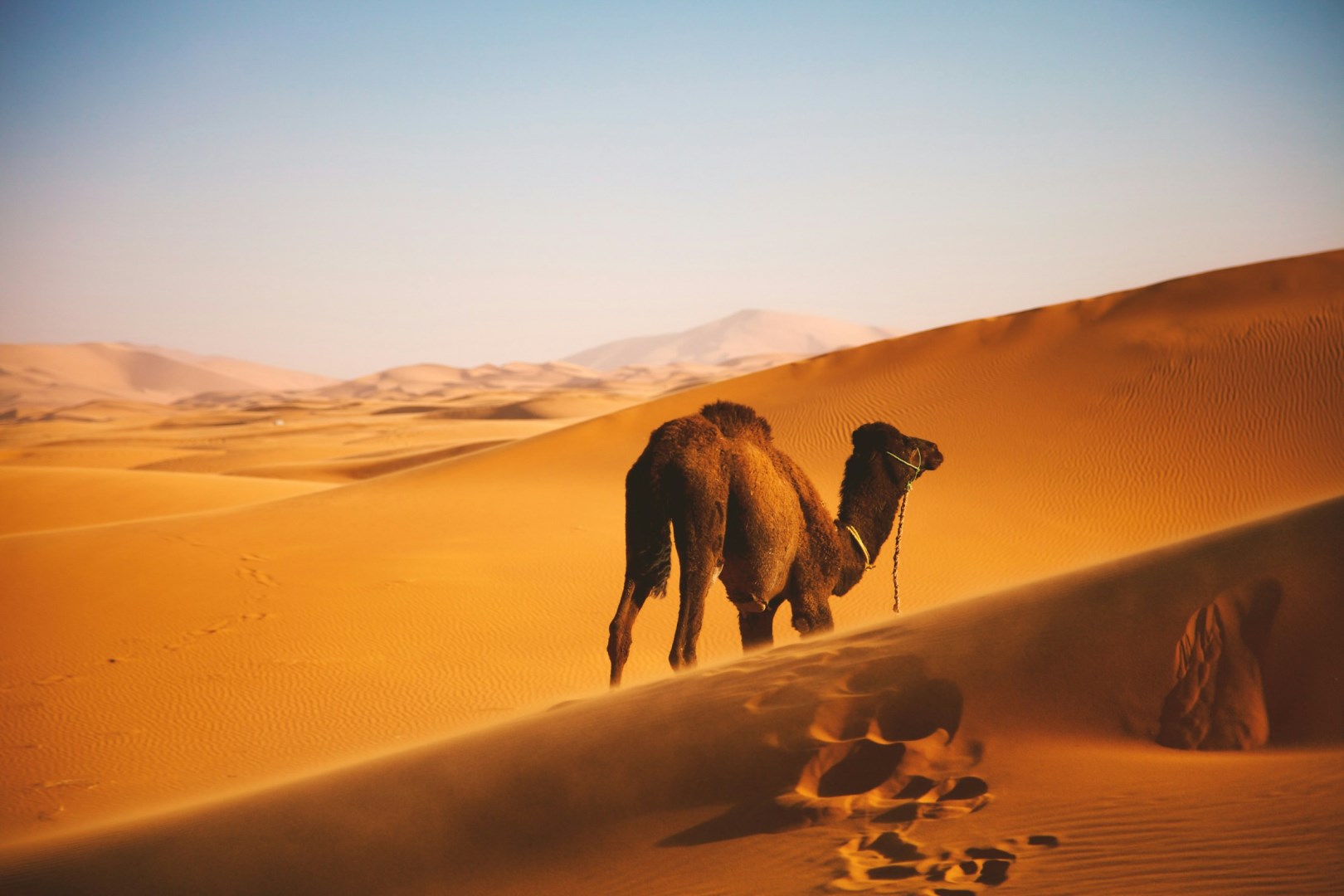
Erg Chebbi
Erg Chebbi is a large field of wind-shaped sand dunes in southeastern Morocco, near the village of Merzouga in the Drâa-Tafilalet region. It forms one of Morocco’s best-known Sahara landscapes, rising abruptly from the surrounding rocky desert. The dunes stretch for roughly 28 kilometres from north to south, with some of the highest crests reaching about 150 metres. Their deep orange and golden tones change noticeably with the position of the sun.
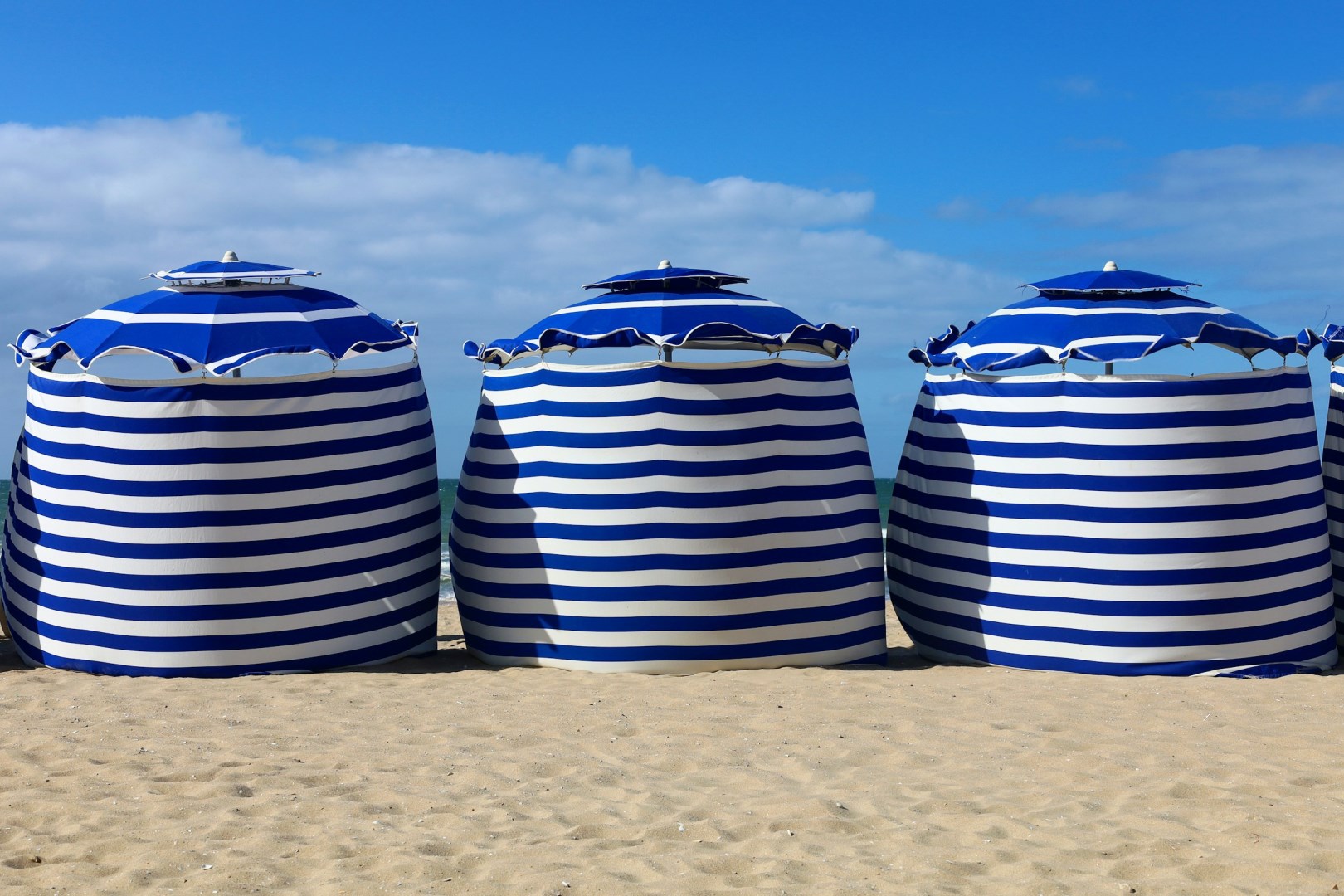
Cabourg
Cabourg is a seaside resort on the Côte Fleurie in Normandy, set where the River Dives reaches the English Channel. Its long sandy beach, broad promenade, and orderly streets give the town a distinctive coastal character, while Belle Époque villas and landscaped gardens reflect its development as a fashionable resort. The central Grand Hôtel stands beside the beach and casino, forming one of Cabourg's most recognisable landmarks.
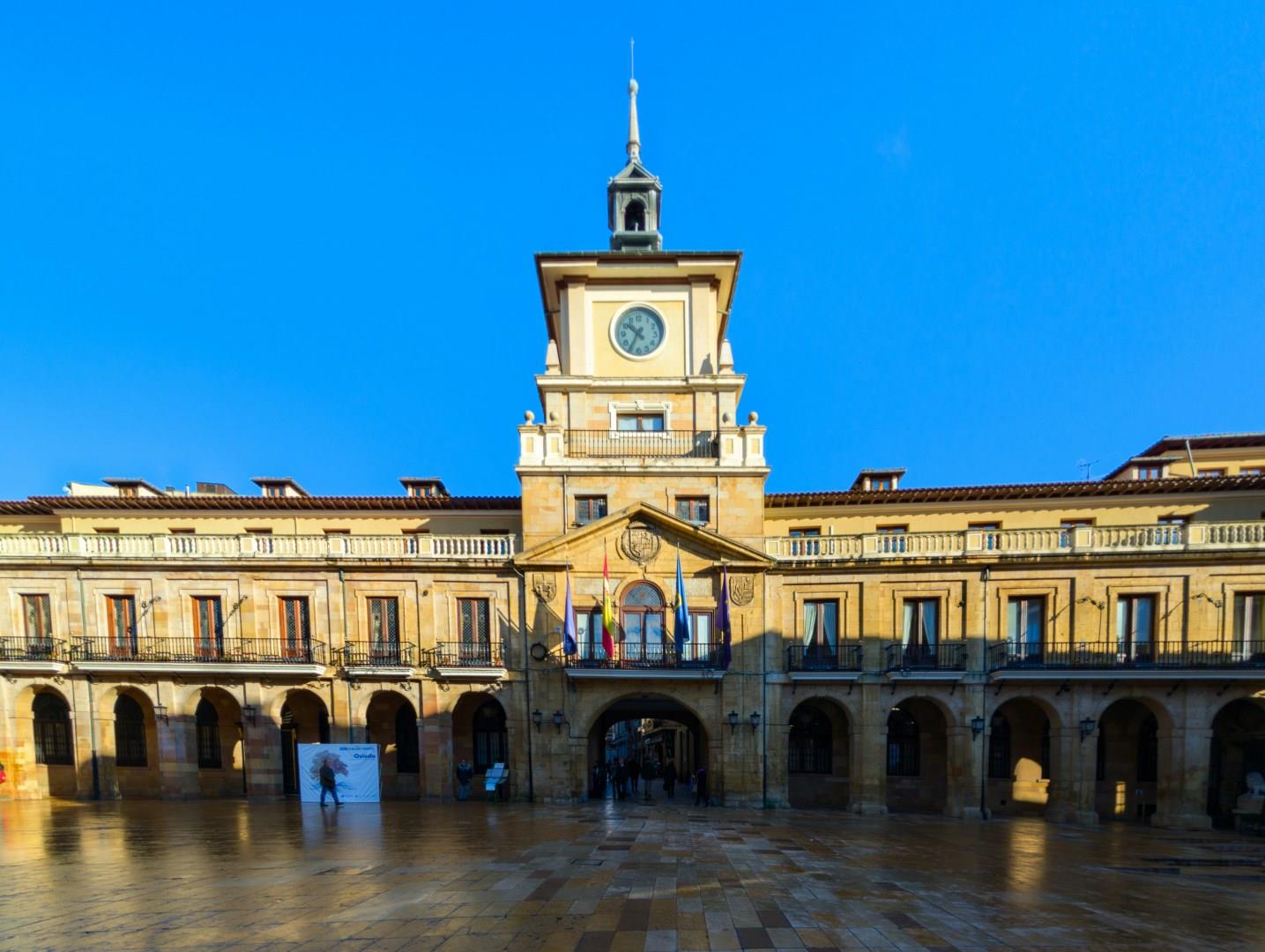
Oviedo
Oviedo, the capital of Asturias in northern Spain, offers a rare mix of medieval heritage and everyday life that feels rooted rather than staged. The city’s historic center is home to some of the oldest pre-Romanesque buildings in Europe, including the UNESCO-listed Santa María del Naranco and San Miguel de Lillo. Cider, not wine, defines the local table. Oviedo is surrounded by apple orchards, and the traditional drink, sidra natural, is poured from a height by skilled escanciadores.
