

Uluru
Located in Australia's Northern Territory, Uluru is an iconic sandstone formation and UNESCO World Heritage site. This red rock monolith, believed to be over 500 million years old, has been considered sacred by Australia's indigenous peoples for thousands of years and is one of the country's most well-known natural landmarks. This spiritual destination will astound you at sunrise and sunset, when the warm sunlight turns Uluru to deep hues of red and orange.

Huacachina
Huacachina is a small desert oasis in Peru’s Ica Region, located about five kilometers from the city of Ica. A green lagoon sits at the center of the settlement, surrounded by palm trees, huarangos, eucalyptus, and high sand dunes. The contrast between water and vegetation and the surrounding coastal desert gives Huacachina a distinctive landscape within southern Peru. T
Haputale
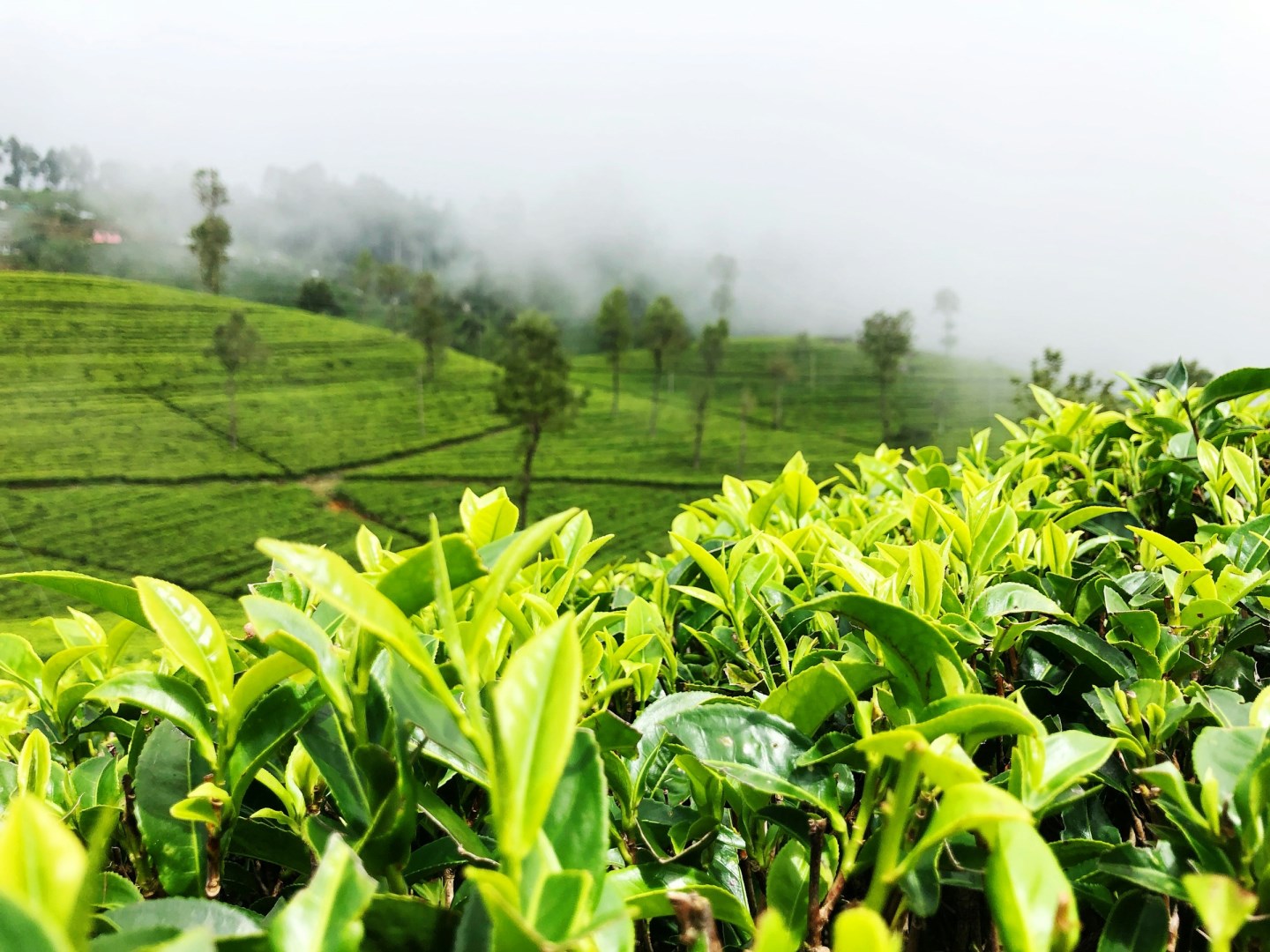
Haputale is a hill town in Sri Lanka’s Badulla District, set along a narrow mountain ridge surrounded by tea-covered slopes and forested highlands. Its elevated position gives the town a cool climate and broad views across the valleys of the southern and eastern hill country. Tea cultivation is central to the surrounding landscape, with estates covering the steep hillsides and winding roads connecting plantations and villages.
Pogradec
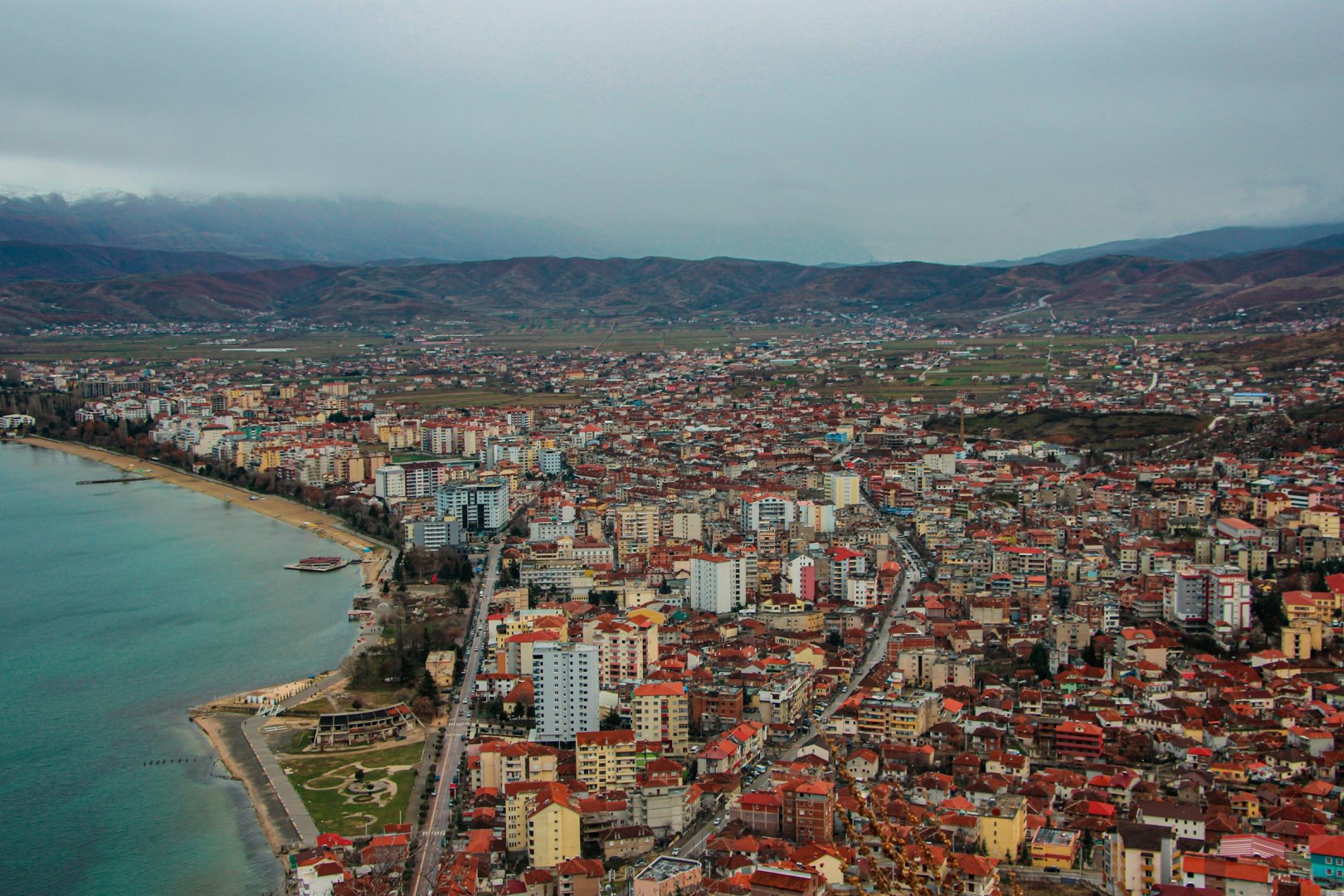
Pogradec is a lakeside town in southeastern Albania, situated on the southwestern shore of Lake Ohrid beneath the surrounding mountains. The lake is part of the UNESCO World Heritage property known as the Natural and Cultural Heritage of the Ohrid Region and is recognized for its exceptional freshwater biodiversity.

Oman
Oman stands among the oldest independent states in the Arab world, with evidence of human habitation stretching back over 100,000 years. Its capital, Muscat, rises gently against limestone hills with no skyscrapers to interrupt its skyline. Visitors find broad avenues lined with stunning buildings leading to landmarks like the Sultan Qaboos Grand Mosque and the Royal Opera House, both offering glimpses into Omani artistry and modern elegance.
