
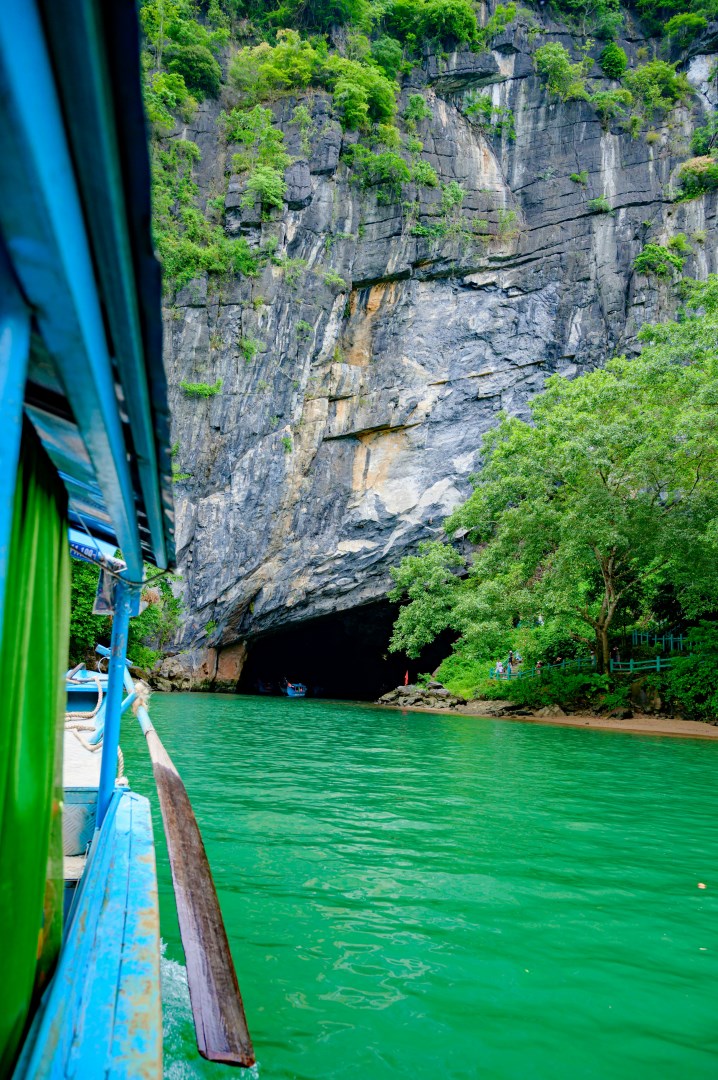
Phong Nha - Ke Bang National Park
Kẻ Bàng National Park lies in central Vietnam, near the border with Laos, and is known for its vast network of limestone mountains and underground rivers. The park forms part of one of the oldest karst landscapes in Asia, shaped over millions of years into a maze of caves, cliffs, and dense forest. Among its most famous features is Sơn Đoòng Cave, recognized as the largest cave on Earth, with sections so vast that clouds can form inside and a jungle grows beneath its collapsed roof.
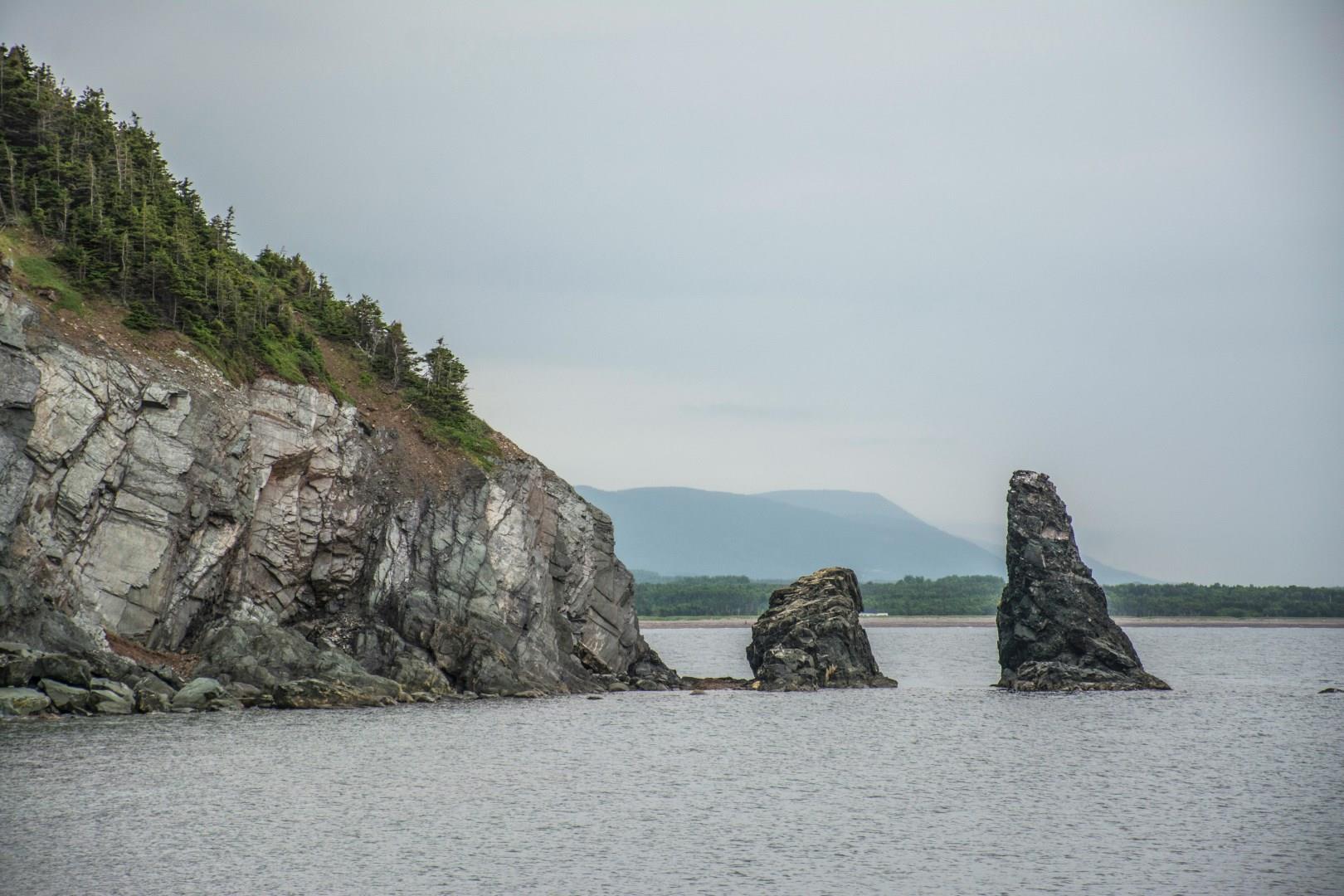
Cabot Trail
The Cabot Trail loops around northern Cape Breton Island, Nova Scotia, tracing cliffs, highlands, and forests for roughly 298 km. Named for the explorer John Cabot, the region’s deeper story belongs to the Mi’kmaq people, whose presence predates European settlement.
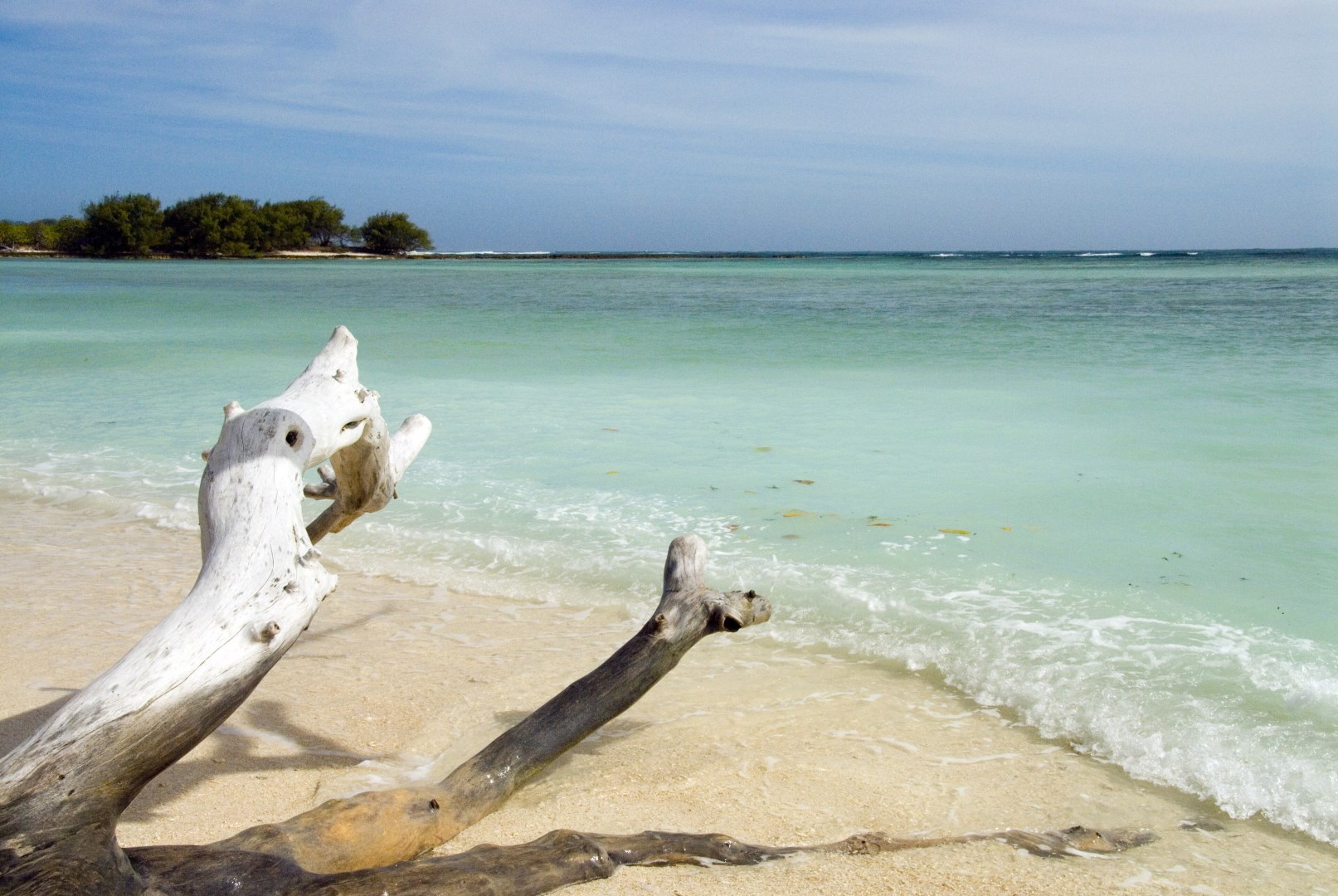
Desroches
Desroches Island, a serene oasis in the Seychelles, offers an unparalleled escape into tropical luxury. Located 230 kilometers southwest of Mahé, this private island is famed for its pristine beaches, lush coconut palms, and crystal-clear waters. Desroches is the largest island in the Amirantes group and is celebrated for its untouched beauty and exclusive ambiance.
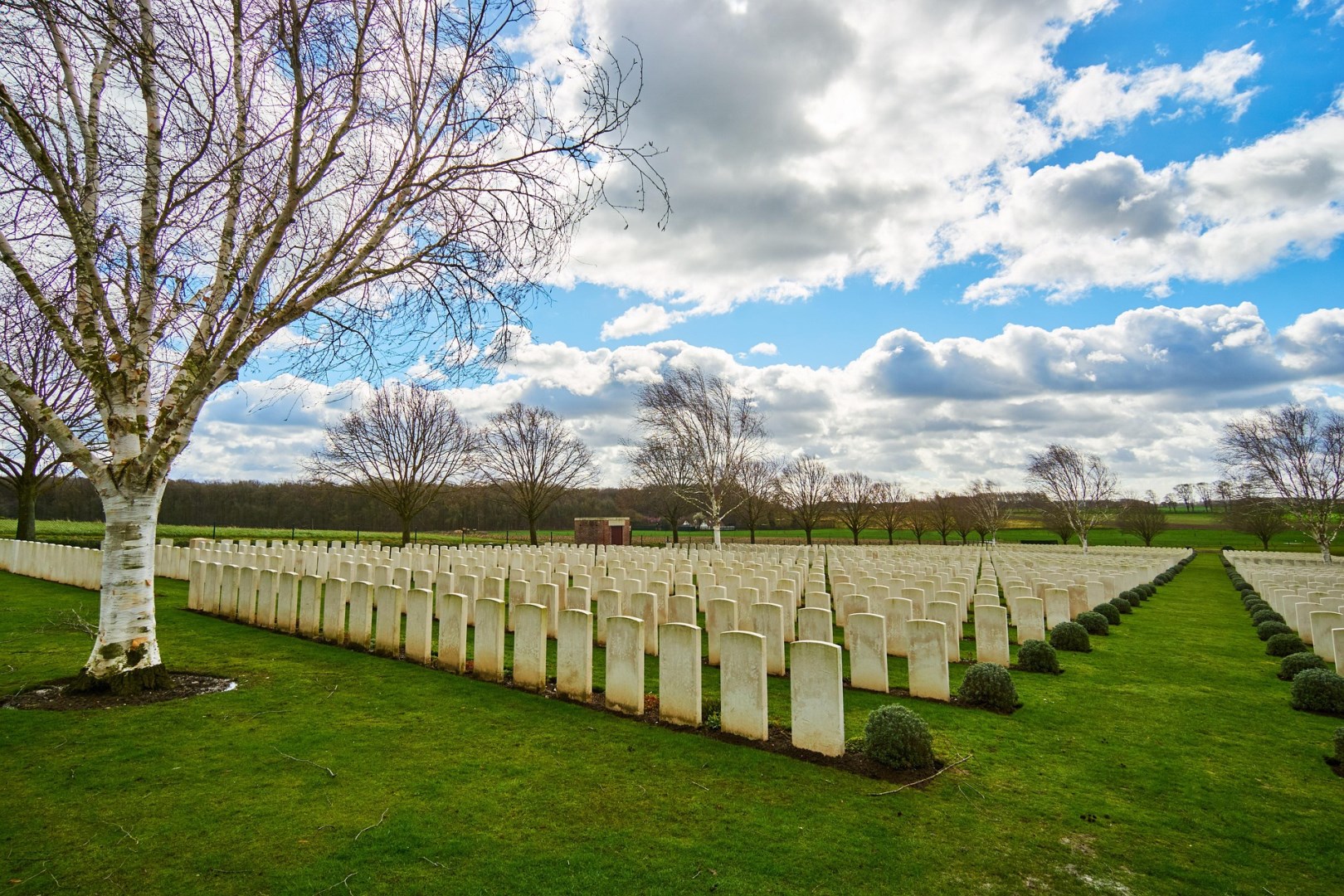
Ypres
Ypres is a city where soaring medieval-style landmarks meet one of Europe’s most powerful landscapes of remembrance. From the nightly Last Post beneath the Menin Gate to the wonderfully eccentric Cat Parade, it has a character that is solemn, surprising, and unmistakably Flemish.
Madang
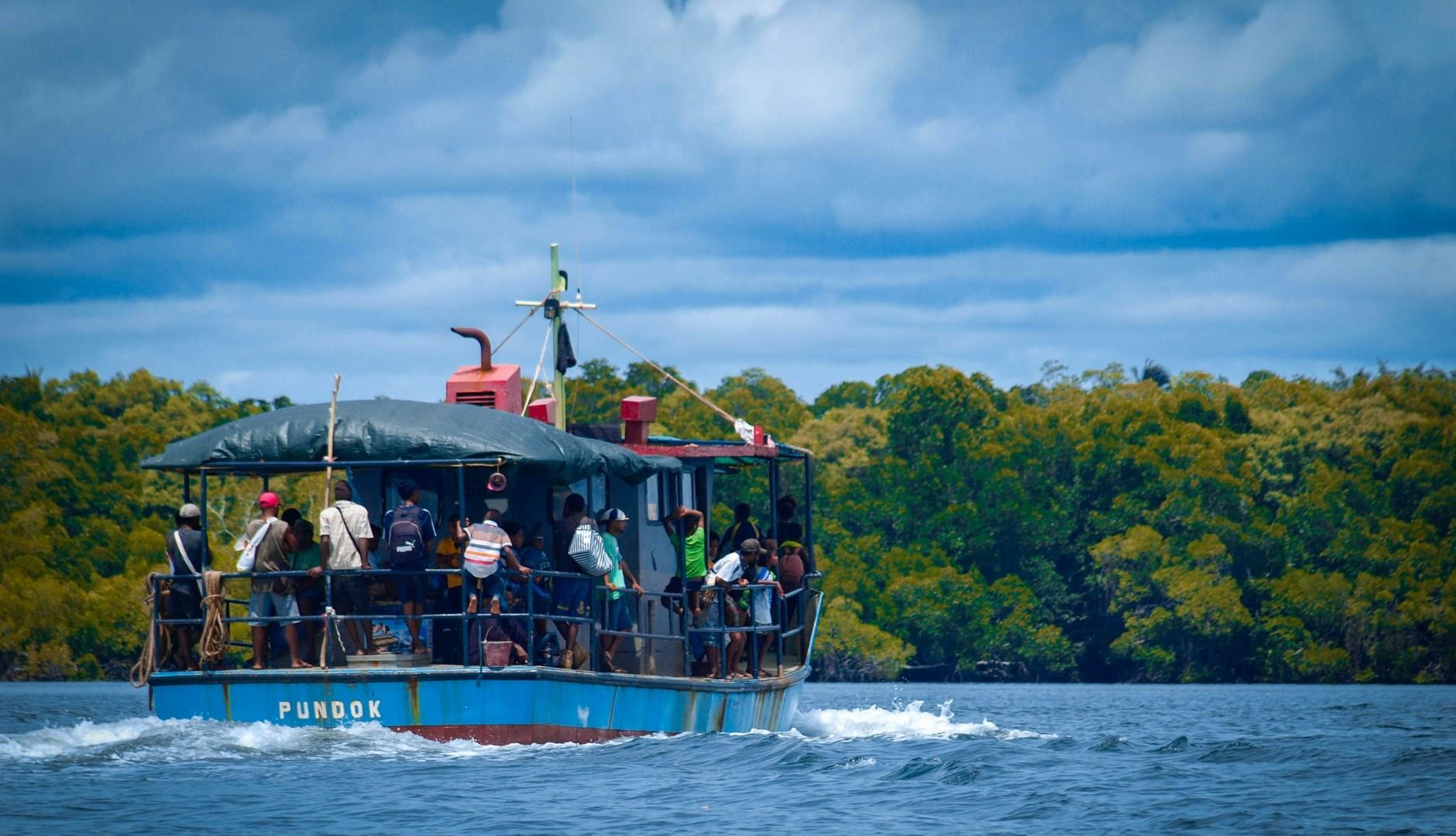
Madang, perched on the edge of Astrolabe Bay, feels like a well-kept secret of Papua New Guinea that’s framed by lush jungles and dotted with volcanic isles. Every June, Madang pulses with energy at the annual Madang Festival. Villages from across the province gather for ceremonies where dancers don feathered costumes, shells, and body paint. The beat of kundu drums rises through the air and stories woven in movement.
