
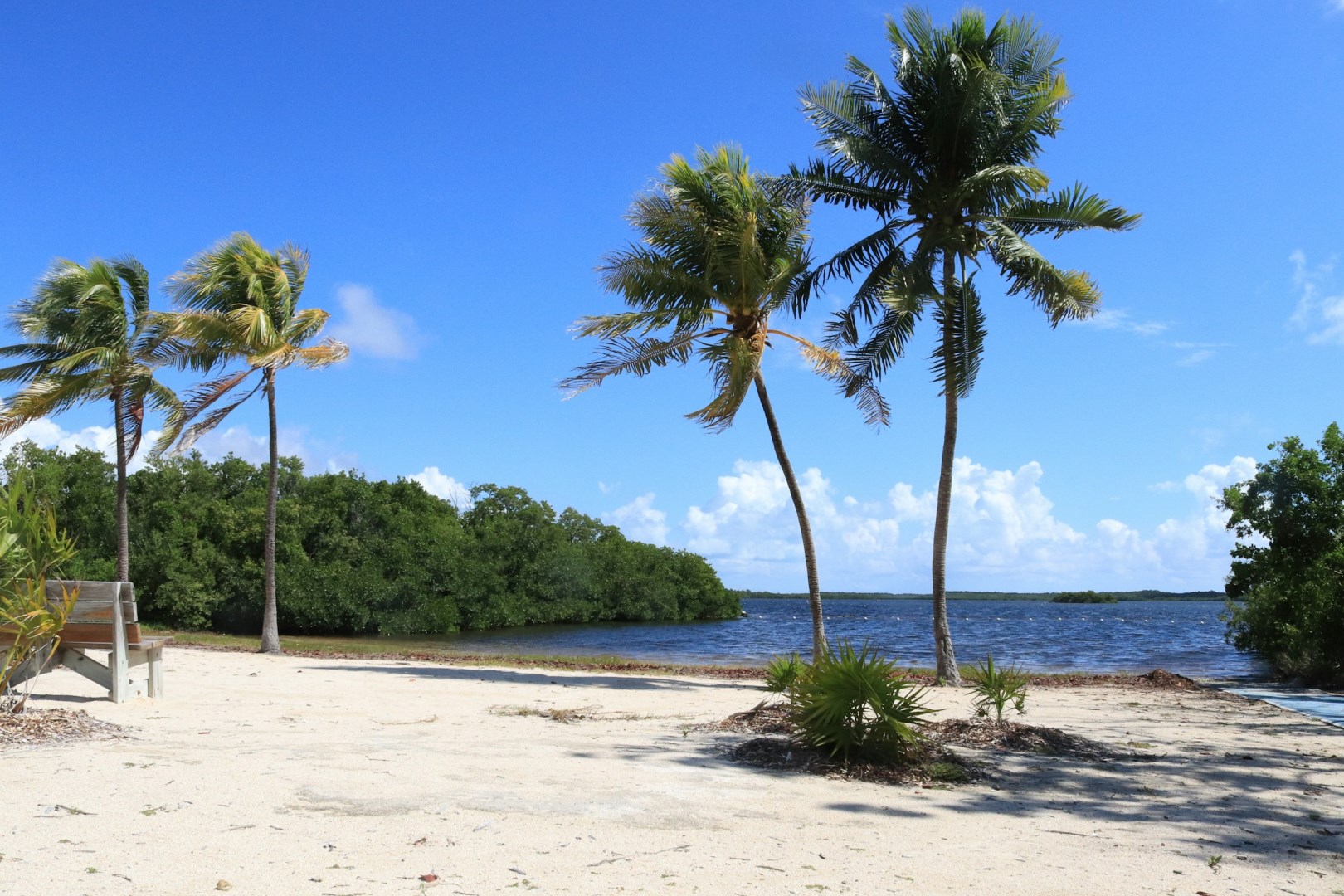
Key Largo
Key Largo, the northernmost of the Florida Keys, is renowned for its pristine natural beauty and vibrant marine life. As part of the Florida Keys archipelago, Key Largo is a gateway to the spectacular underwater world of the John Pennekamp Coral Reef State Park, the first underwater park in the U.S. Here, visitors can explore vibrant coral reefs through snorkeling and scuba diving, or take a glass-bottom boat tour to marvel at the colorful marine ecosystems without getting wet.

Haugesund
Haugesund, located on the southwestern coast of Norway, is known for its rich Viking heritage and natural landscapes. The town's maritime history is celebrated at the Nordvegen History Centre, where you can learn about the Viking kings who once ruled the area. Nature enthusiasts will appreciate the proximity to the Folgefonna Glacier, where they can enjoy guided glacier hikes and breathtaking views of the surrounding fjords.

Victoria
Victoria, the capital of Seychelles, is often described as one of the world’s smallest capitals, yet it brims with color and character. Located on Mahé Island, the city is both a cultural hub and a gateway to the surrounding beaches and mountains.
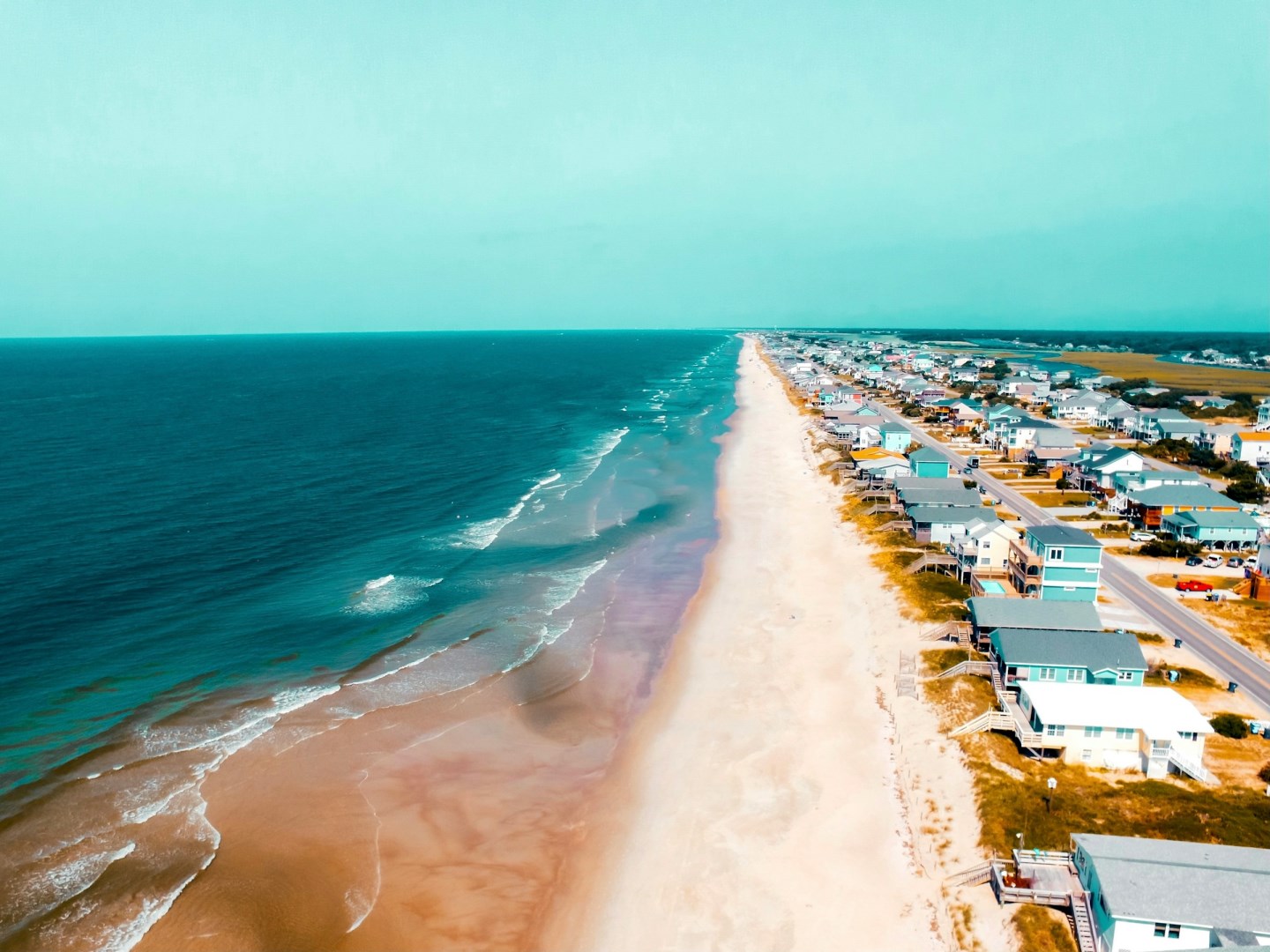
North Carolina
North Carolina is a state where natural beauty and cultural richness collide, offering visitors a wide variety of experiences. From the breathtaking peaks of the Blue Ridge Mountains to the sun-drenched shores of the Outer Banks, North Carolina’s diverse landscapes provide endless opportunities for adventure. The iconic Great Smoky Mountains National Park is a must-see for hikers and wildlife enthusiasts.

Rhine Valley
The Rhine Valley offers a unique blend of historic landmarks, cultural traditions, and natural splendor. Whether exploring ancient castles, savoring local wines, or simply cruising along the river, visitors will find endless opportunities to create lasting memories in this enchanting region.
