

Mâcon
Mâcon is a riverside town in the Saône et Loire department of southern Burgundy, set where the Saône River curves gently through the countryside. Walking through the town naturally leads visitors from the riverfront toward its historic streets, where the past seems to linger in every corner. In the heart of Mâcon’s historic district, pedestrians find streets lined with notable sites.
Gorée
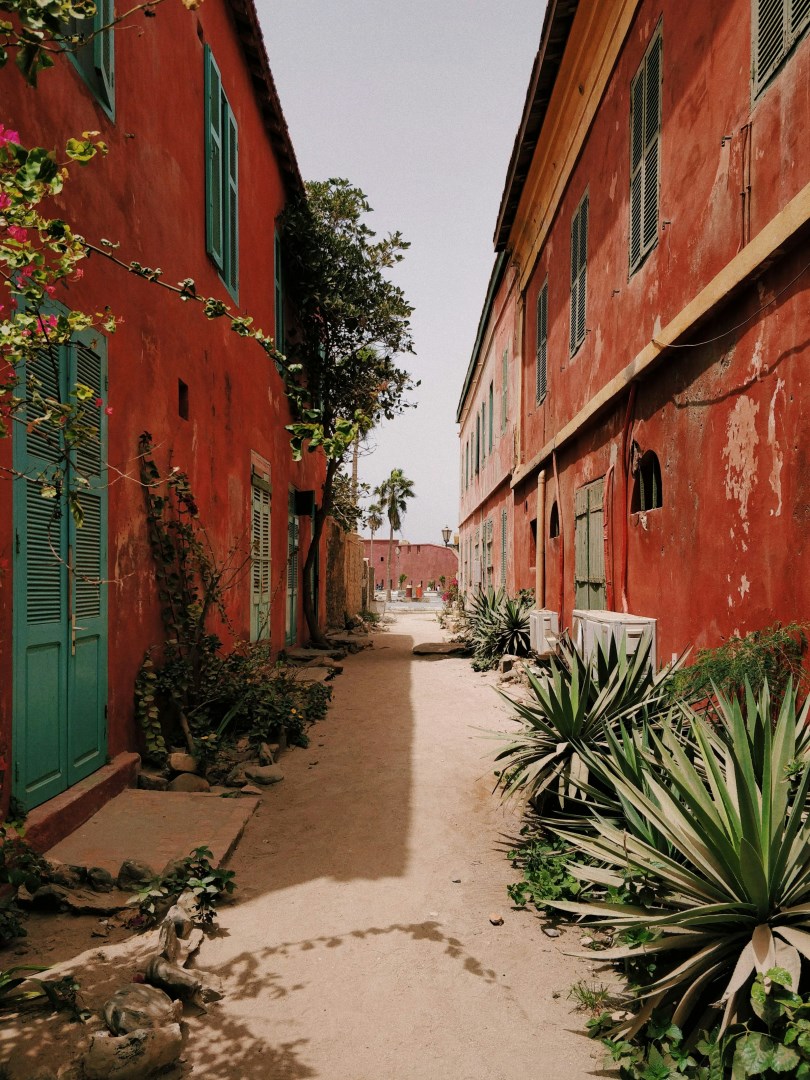
Gorée is a small island off the coast of Dakar, known for its preserved architecture and its central place in Senegal’s history of the Atlantic slave trade. Its narrow streets, pastel-colored buildings, courtyards, and waterfront create a compact historic landscape that contrasts with the modern capital across the water. The island is part of a UNESCO World Heritage Site and is regarded as an important place of memory for the African diaspora.
Exuma
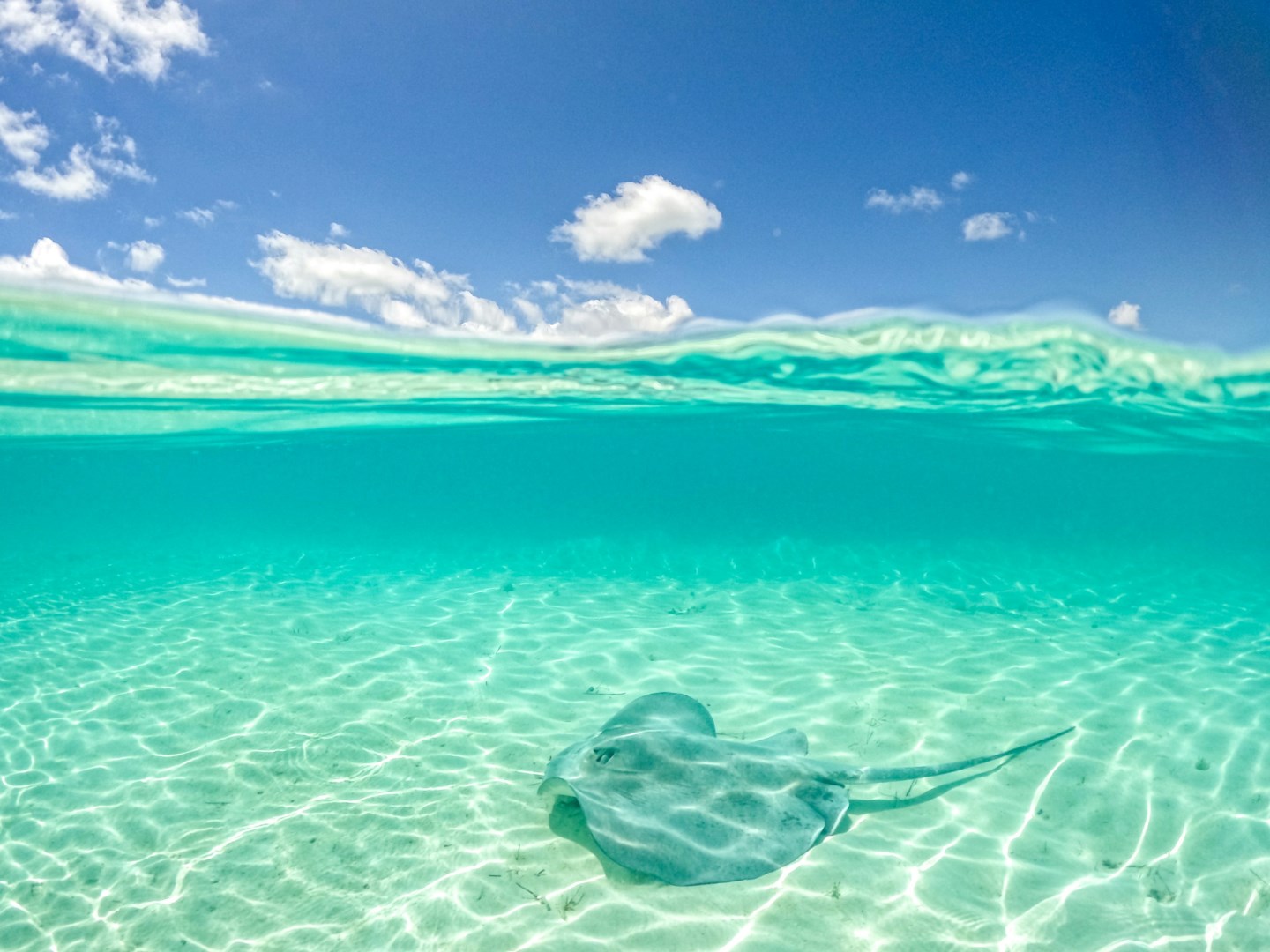
Exuma is a long chain of islands and cays in the central Bahamas, stretching through clear Atlantic waters southeast of New Providence. The district includes Great Exuma, Little Exuma, and hundreds of smaller cays, with George Town serving as the main settlement and administrative centre. The islands are characterized by white-sand beaches, shallow turquoise banks, limestone landscapes, mangroves, and sheltered bays.
Tongatapu Island
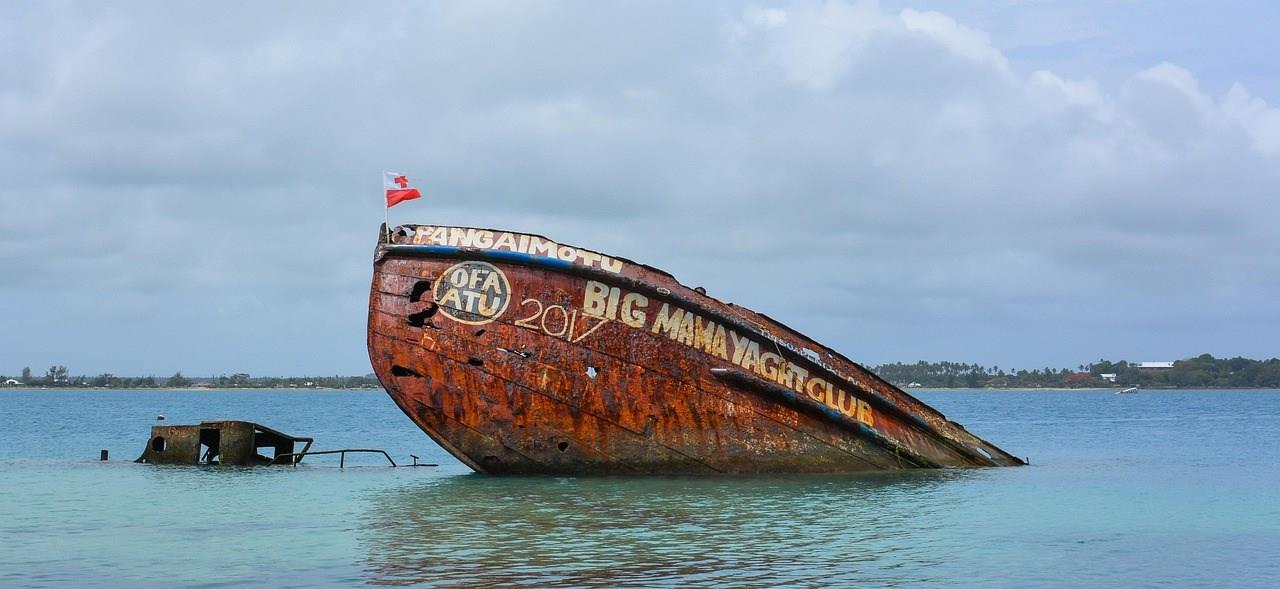
Tongatapu, the main island of Tonga, is where tradition, history, and the South Pacific’s natural world intersect in quiet and unexpected ways. As the political and cultural center of the Kingdom of Tonga, it is home to the capital city, Nukuʻalofa, as well as ancient royal burial grounds, dramatic coastal blowholes, and friendly villages where daily life unfolds slowly.

Kom Ombo
Kom Ombo, a hidden gem along the Nile River in southern Egypt, is a destination that seamlessly blends ancient history, captivating architecture, and scenic beauty. This charming town is renowned for the Temple of Kom Ombo, a unique double temple dedicated to two deities: Sobek, the crocodile god, and Horus, the falcon-headed god of the sky.
