
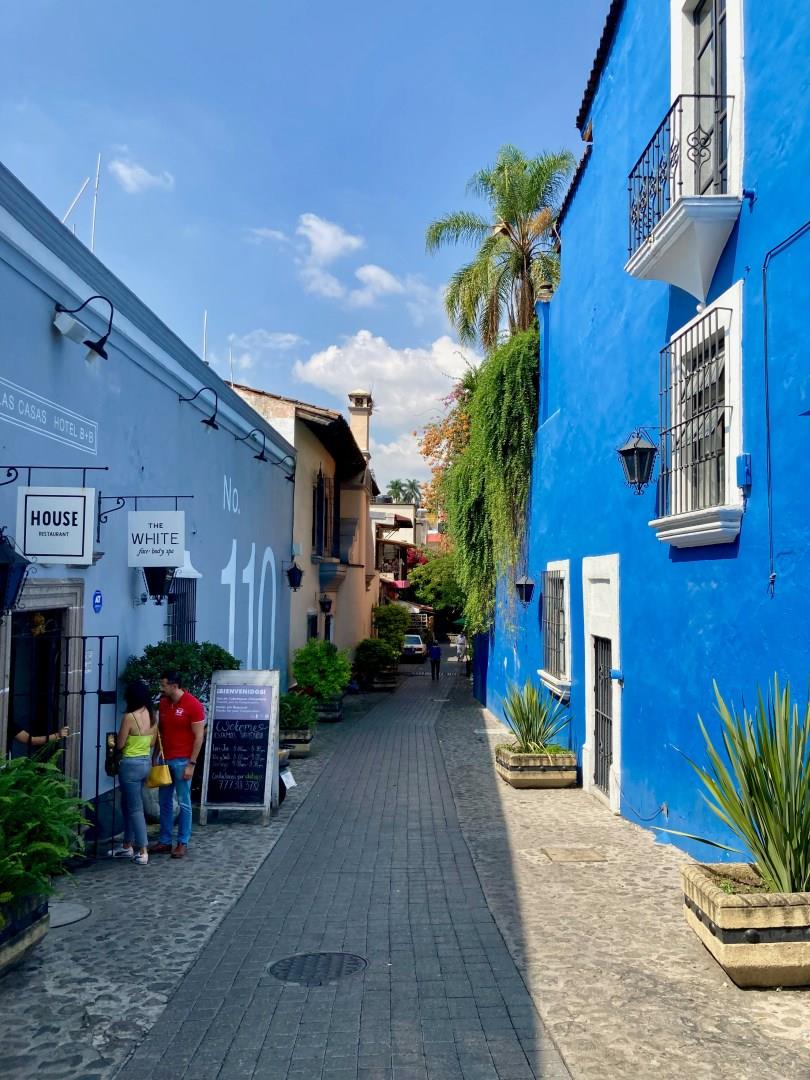
Cuernavaca
Cuernavaca, often called the “City of Eternal Spring,” has long been a retreat for those seeking warm weather and relaxing surroundings just 90 minutes from Mexico City. With a history that stretches back to the Aztec empire, the city is layered with centuries of cultural change. The historic center of Cuernavaca combines architecture from multiple eras, with narrow streets leading to quiet plazas and colonial churches.
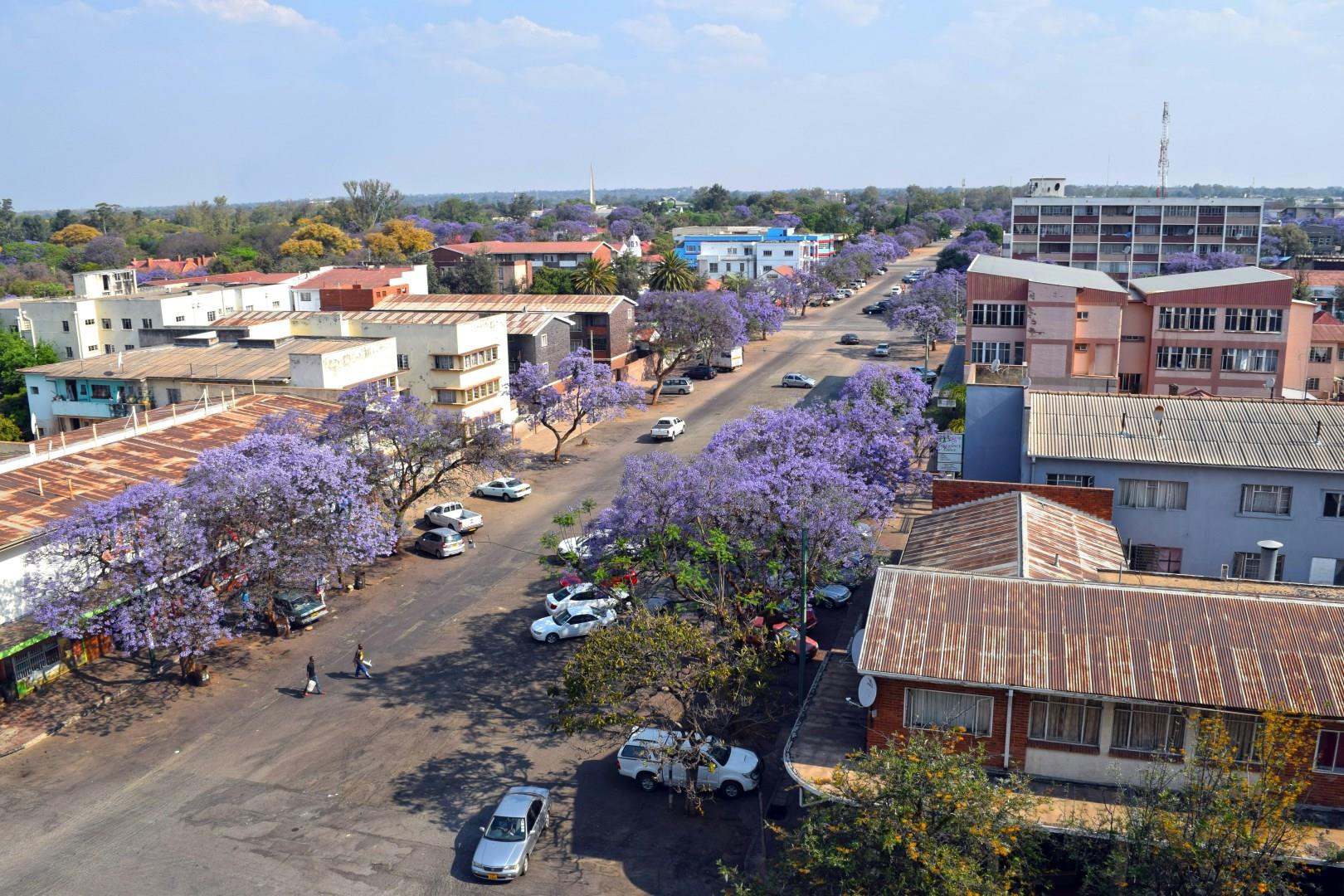
Bulawayo
Bulawayo is Zimbabwe’s second-largest city and a place where industrial heritage and deep cultural roots intersect. Founded near the former capital of the Ndebele kingdom, the city carries strong historical significance tied to King Lobengula and the resistance to colonial expansion.
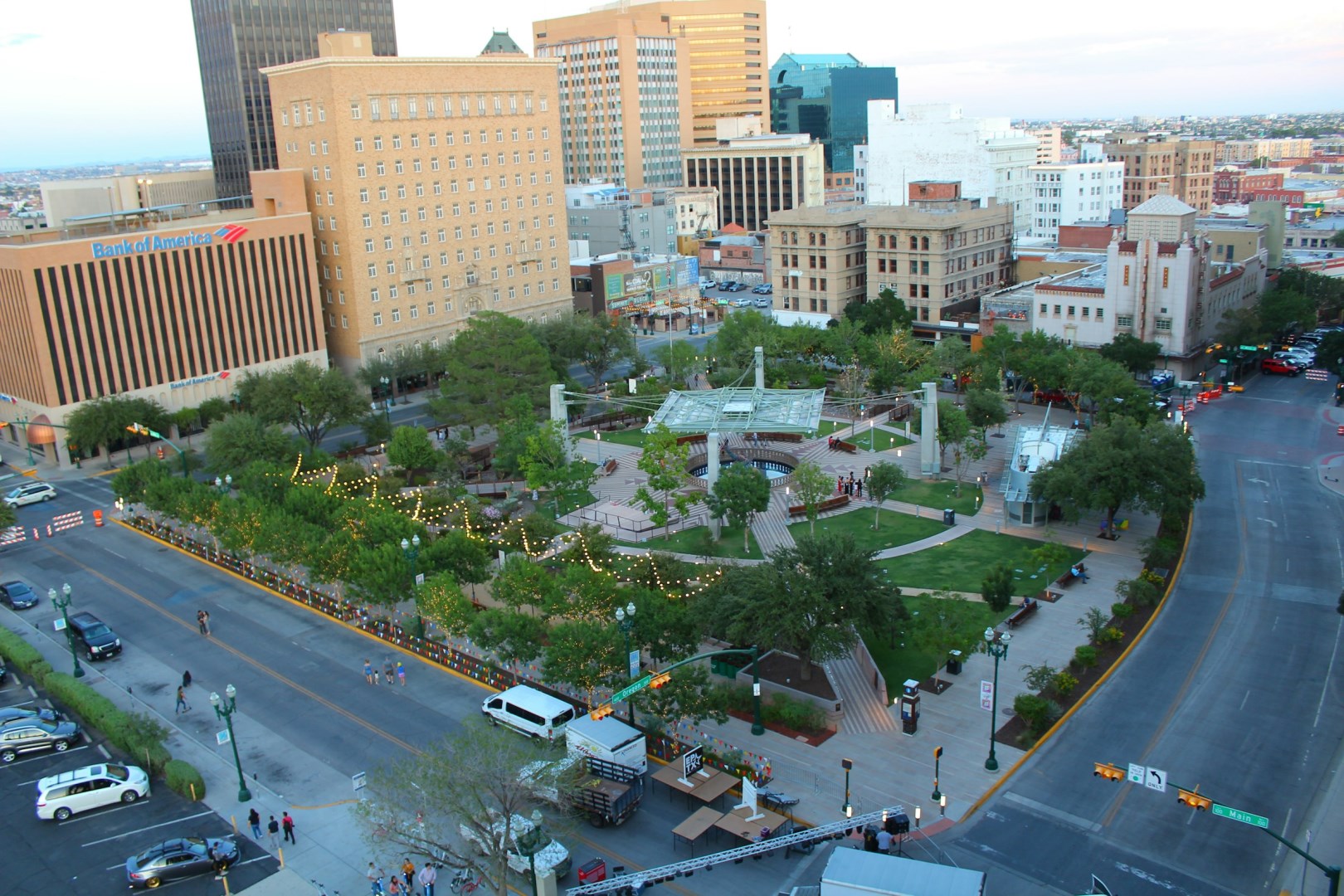
El Paso
El Paso, located in far western Texas along the Rio Grande, is a vibrant border city that blends American, Mexican, and Native American cultures. Its location at the meeting point of Texas, New Mexico, and Chihuahua, Mexico, has shaped a rich cultural tapestry, visible in its architecture, cuisine, and community traditions. El Paso’s history stretches from indigenous settlements to Spanish colonial influence, all of which contribute to the city’s unique identity.
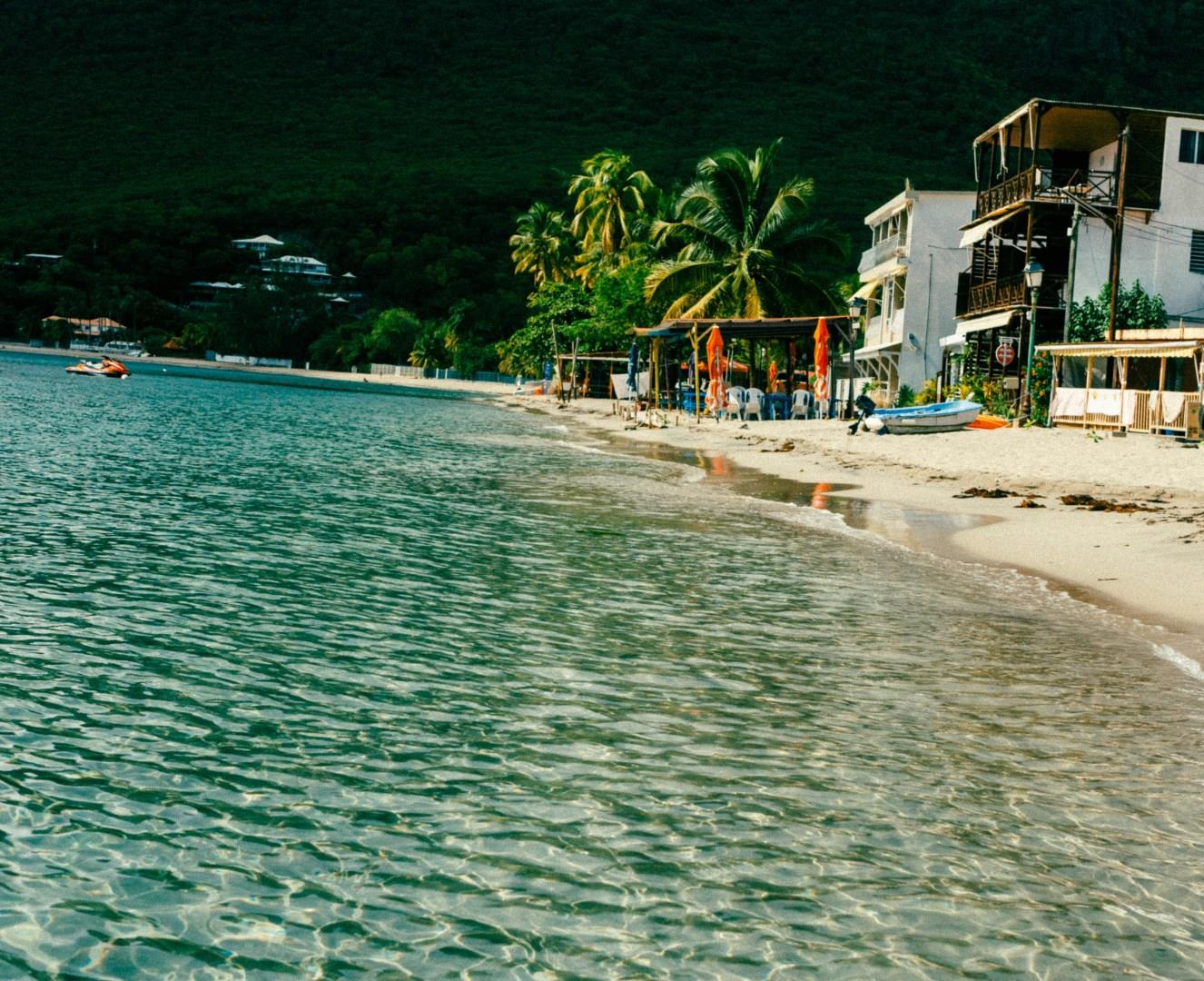
Les Anses-d'Arlet
Les Anses-d’Arlet, a charming fishing village on Martinique’s southern coast, is known for its picture-perfect blend of Caribbean warmth and local tradition. Its centerpiece is a white-sand beach backed by brightly painted houses and the landmark Church of St. Henry, whose steeple aligns beautifully with the sea when viewed from the pier.
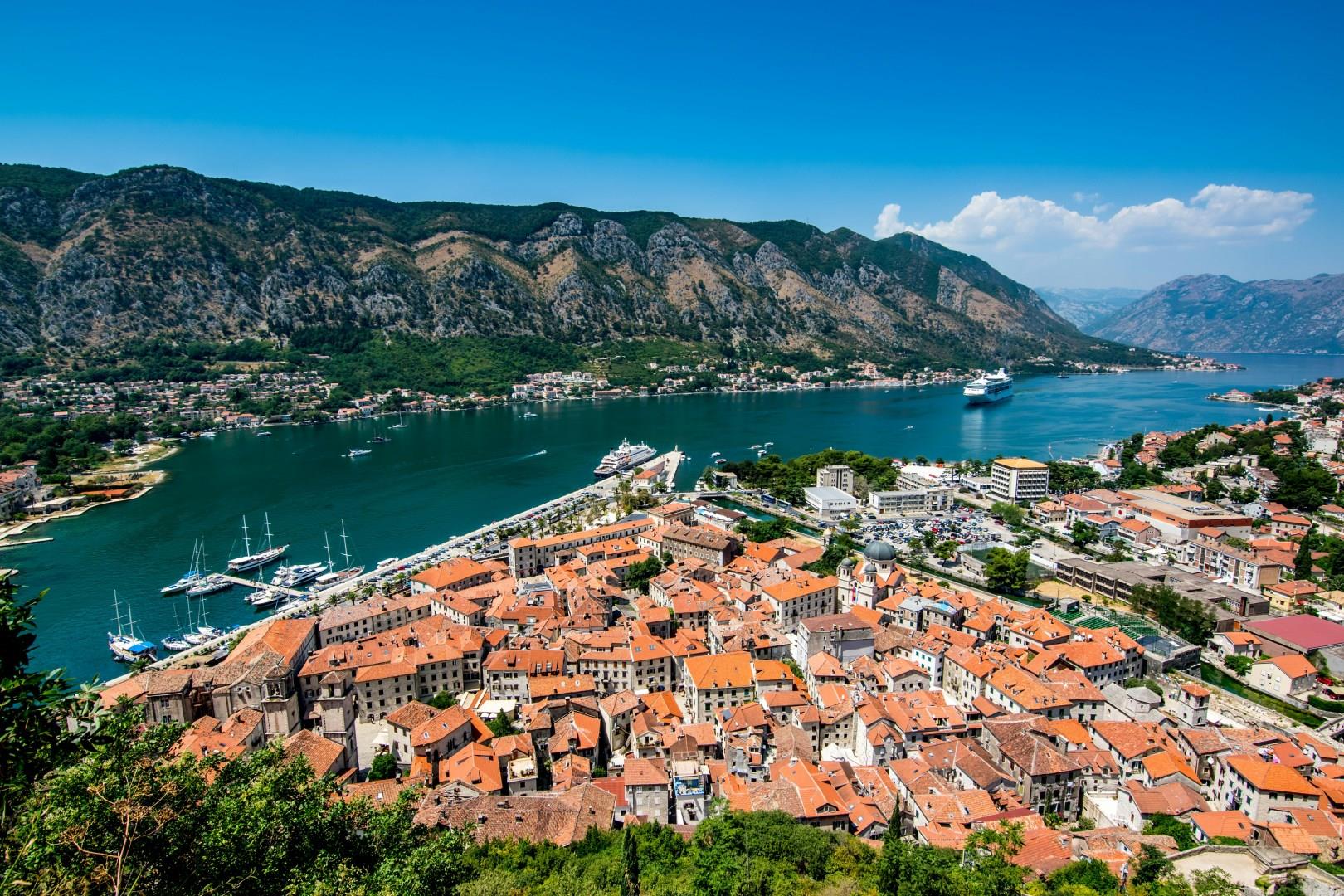
Montenegro
Montenegro, set along the Adriatic Sea, draws travelers with its dramatic landscapes and layered history. The Bay of Kotor, often mistaken for a fjord, is actually a submerged river canyon surrounded by steep cliffs and medieval towns. Kotor itself, a UNESCO World Heritage site, is enclosed by ancient fortifications that visitors can climb for panoramic views stretching from terracotta rooftops to the sea.
