
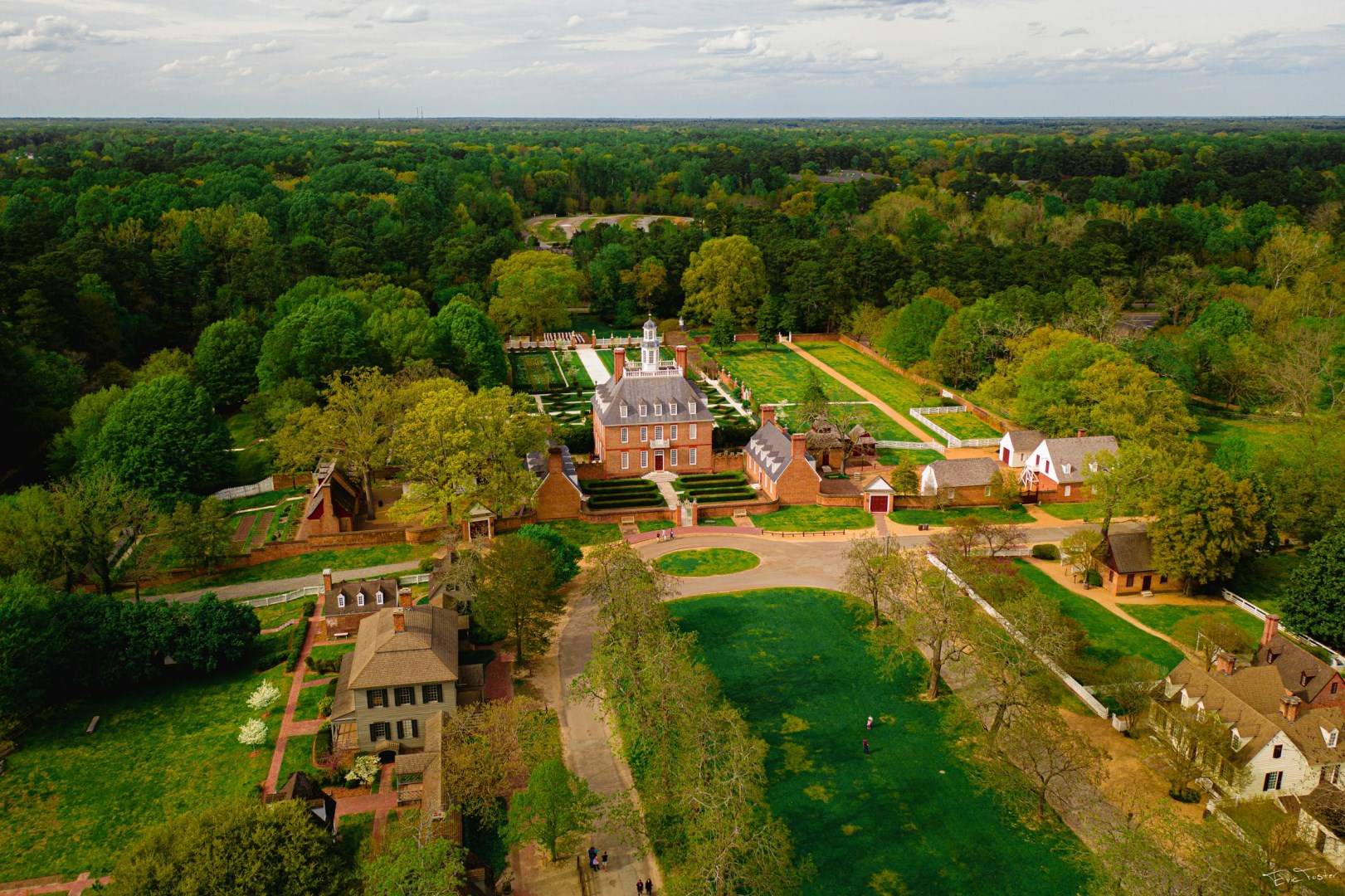
Williamsburg
Williamsburg, Virginia offers visitors the unusual opportunity to walk through a fully reconstructed 18th-century city. As the capital of the Virginia Colony from 1699 to 1780, Williamsburg played a key role in early American politics and daily life. Today, Colonial Williamsburg spans over 300 acres and includes historic buildings, working tradespeople, and costumed interpreters who bring the Revolutionary era to life.
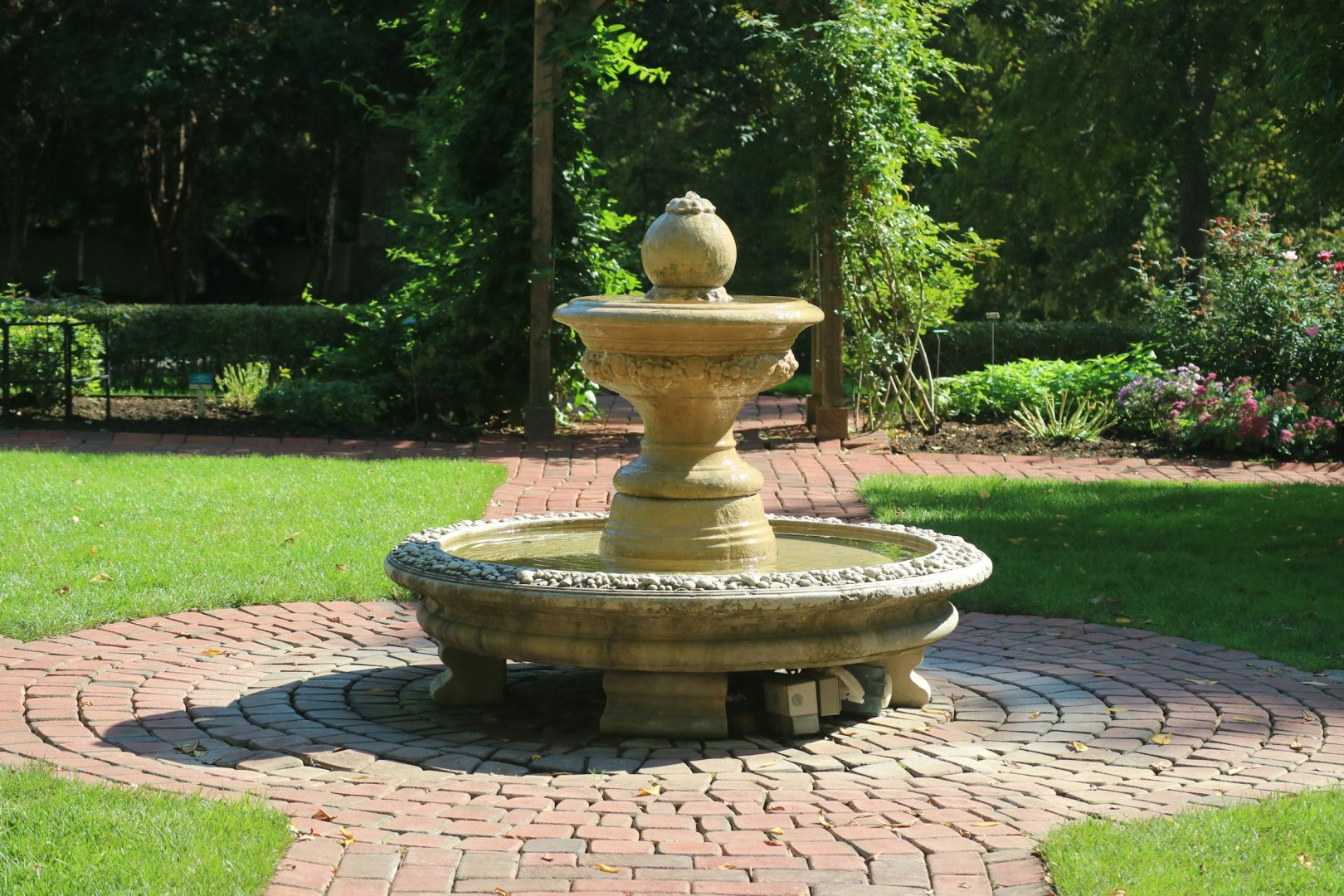
Dubuque
Dubuque sits along the Mississippi River in northeastern Iowa, where steep limestone bluffs rise above a broad river corridor. The city is Iowa’s oldest incorporated community and developed around river commerce, lead mining, manufacturing, and trade. Its historic downtown contains preserved brick buildings, churches, shops, restaurants, and the distinctive Town Clock, while the Port of Dubuque provides a more modern riverfront district.
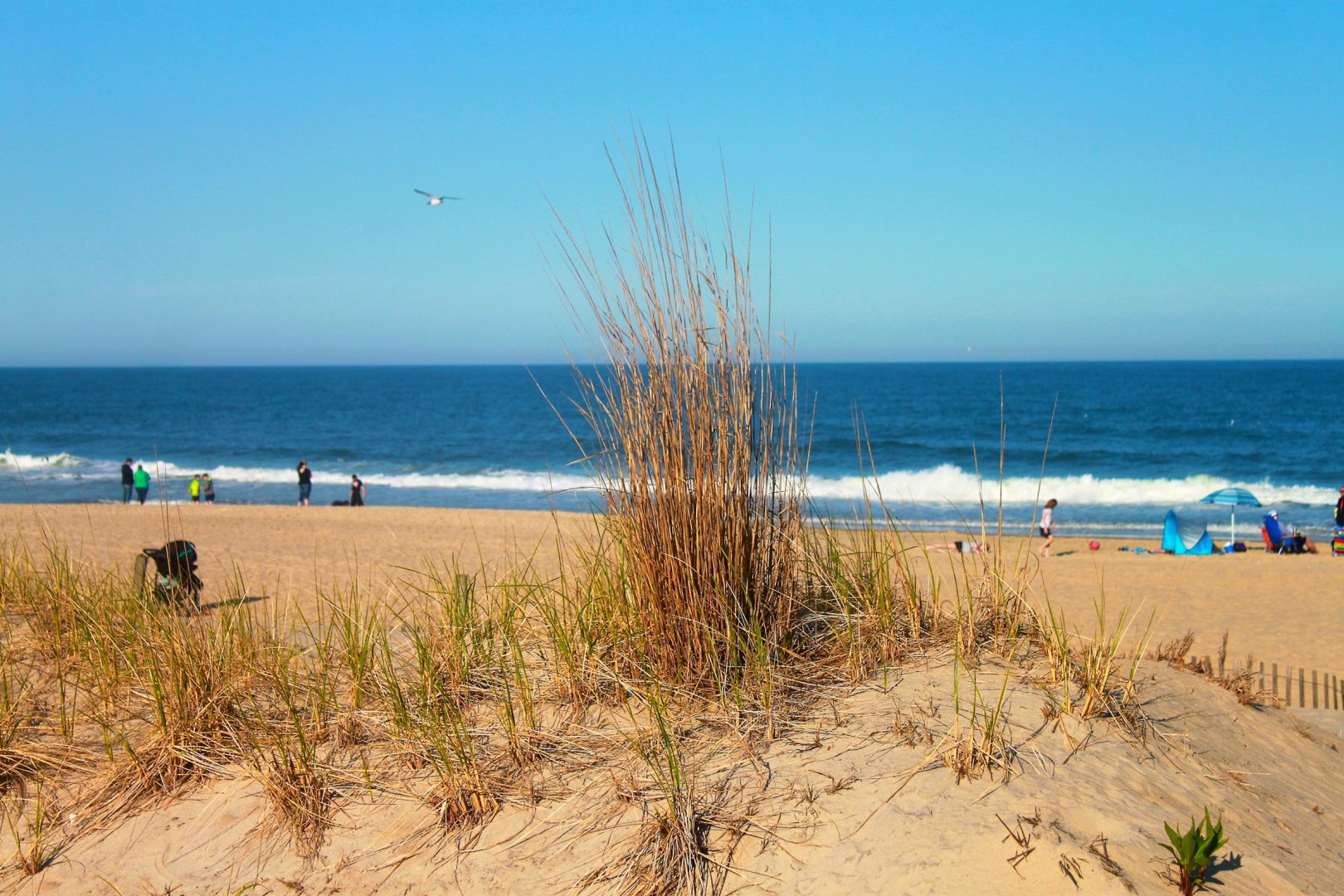
Ocean City
Ocean City, Maryland, is a barrier-island resort along the Atlantic coast of Worcester County, known for its broad beaches, long boardwalk, and connection to the coastal bays. The town stretches for about 10 miles between the Ocean City Inlet and the Delaware state line, with distinct neighborhoods ranging from the historic downtown to quieter northern sections. Its roots as a fishing community remain visible alongside its role as a major seaside destination.

Vanuatu
Vanuatu, a chain of 83 islands in the South Pacific, offers travelers an experience that’s both bold and deeply rooted in custom. Once known as the New Hebrides, Vanuatu blends ancient Melanesian traditions with dramatic landscapes shaped by volcanic activity. On Tanna Island, visitors can stand at the rim of Mount Yasur, one of the world’s most accessible active volcanoes, and watch fiery eruptions light up the night sky.
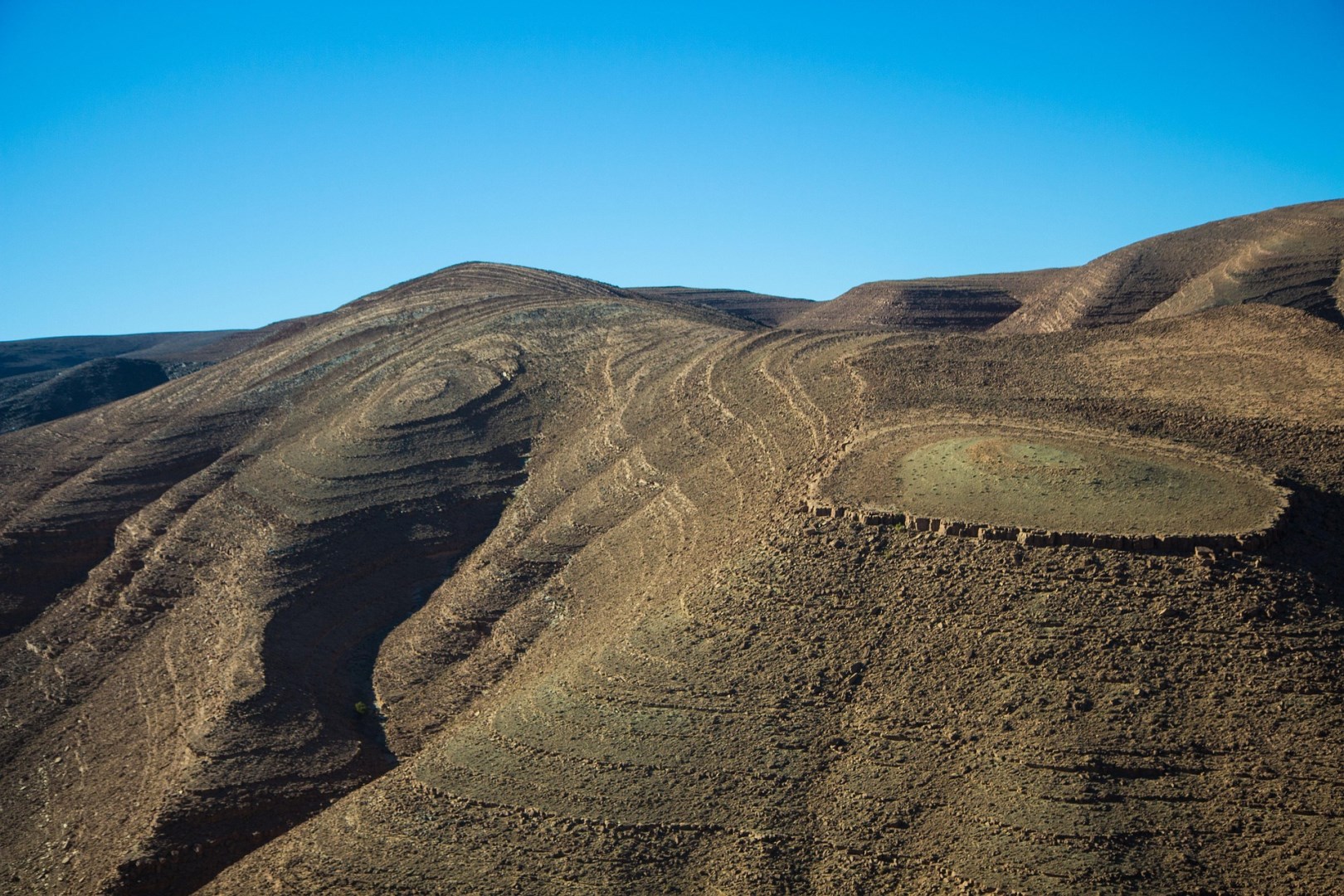
Atlas Mountains
The Atlas Mountains extend across Morocco, Algeria and Tunisia, forming a vast system of ranges between the Mediterranean and Atlantic coasts and the Sahara.
