

Ketchikan
A favorite for many cruise-goers and tourists, Ketchikan, Alaska, is a charming city located near the state’s southeastern edge.

Umbria
Nestled in the heart of Italy, Umbria is often called the "Green Heart of Italy" due to its lush landscapes and rolling hills. This region offers visitors a tranquil escape from the bustling cities, with medieval hilltop towns, rich history, and exceptional cuisine. Perugia, Umbria's capital, is a cultural hub known for its well-preserved Etruscan history, including the Etruscan Well and Arco Etrusco, a gateway dating back to the third century BC.
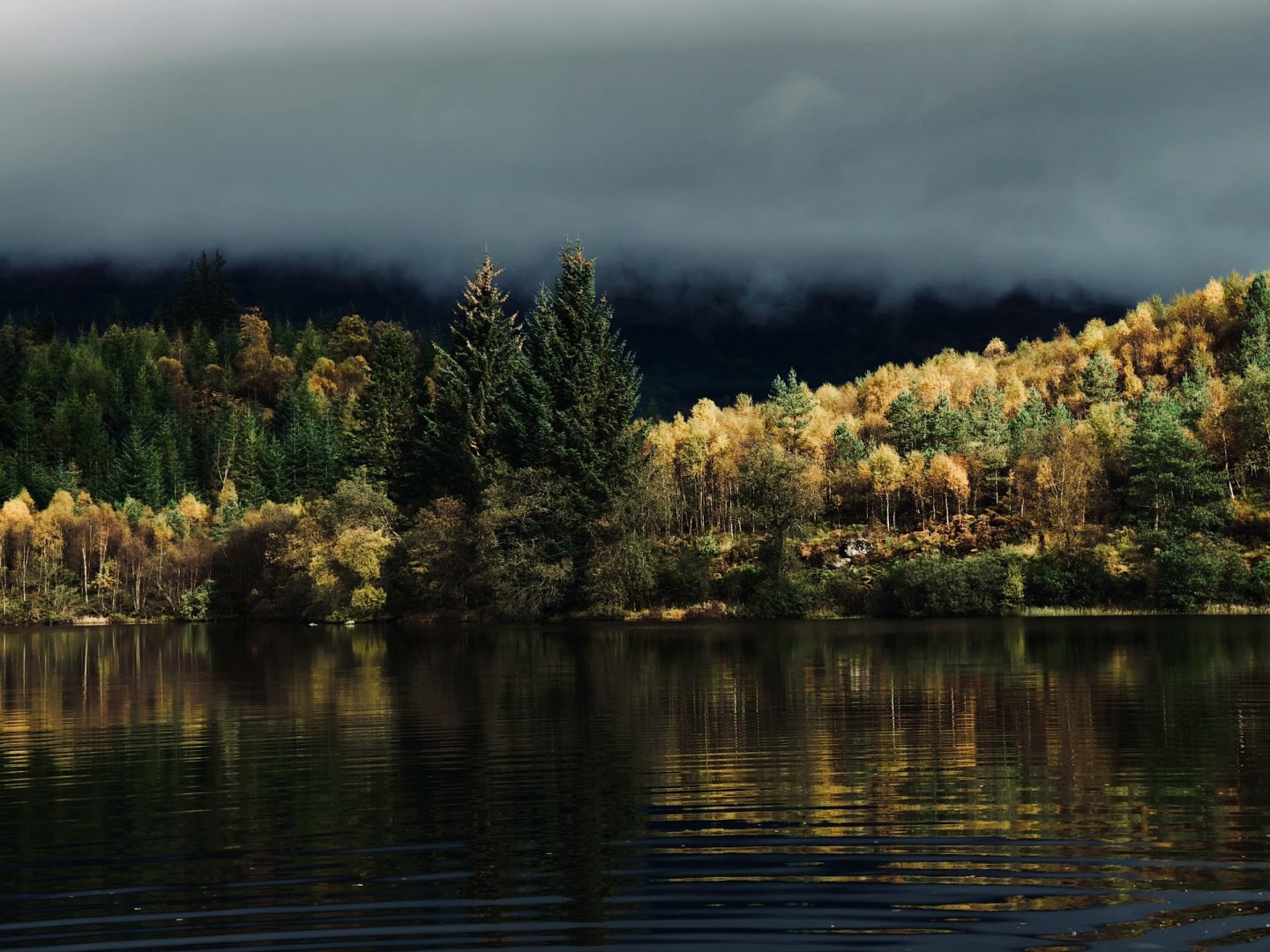
Stirling
Home to Stirling Castle, Sterling, is a picturesque and historical town located in the heart of Scotland.

The Dolomites
The Dolomites, a spectacular mountain range in northern Italy, offer a captivating blend of dramatic landscapes and outdoor adventure. Renowned for their unique jagged peaks and stunning natural beauty, the Dolomites are part of the Southern Limestone Alps and are a UNESCO World Heritage Site.
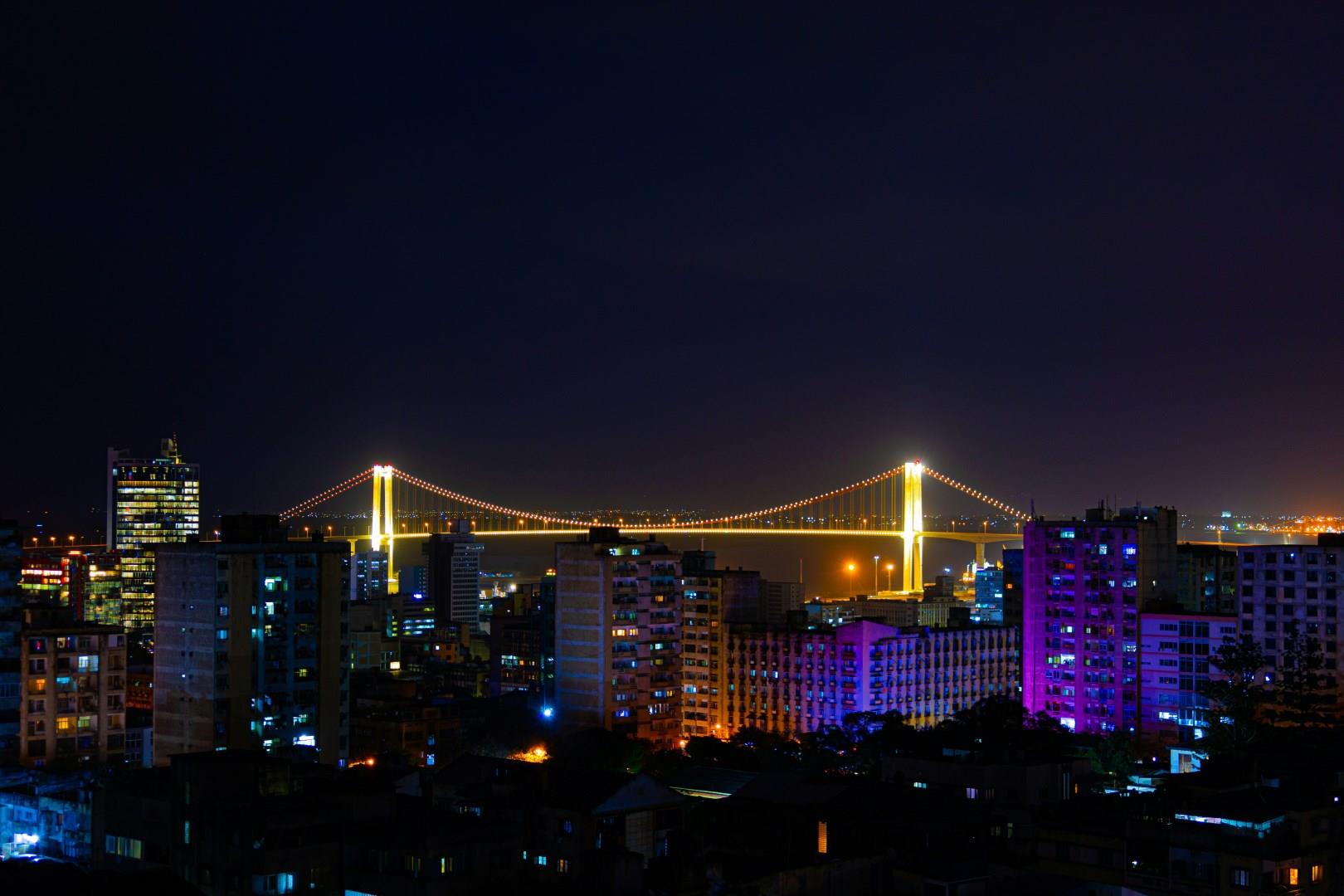
Maputo
Maputo, Mozambique’s capital, grew from a modest colonial port into a city shaped by trade, migration, and independence.
