
Nome
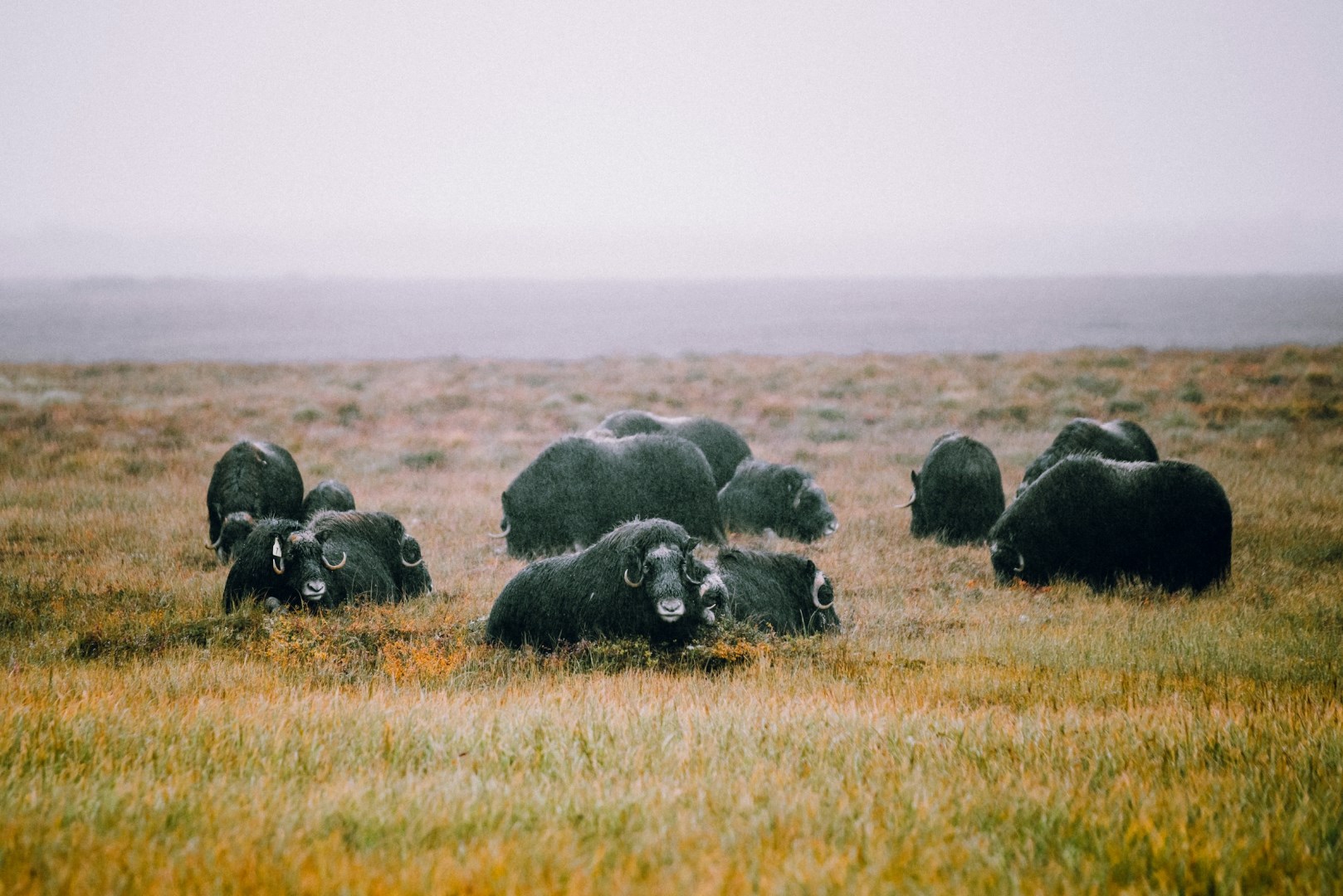
Nome is a coastal city on the southern Seward Peninsula in western Alaska, facing Norton Sound and the Bering Sea. Its remote location places it far from Alaska's major road network, with access primarily by air and seasonal sea travel. The surrounding landscape consists of tundra, low mountains, wetlands, beaches, and broad coastal plains. Nome is best known for its connection to gold mining and its role as a regional center for communities across western Alaska.
Grenada
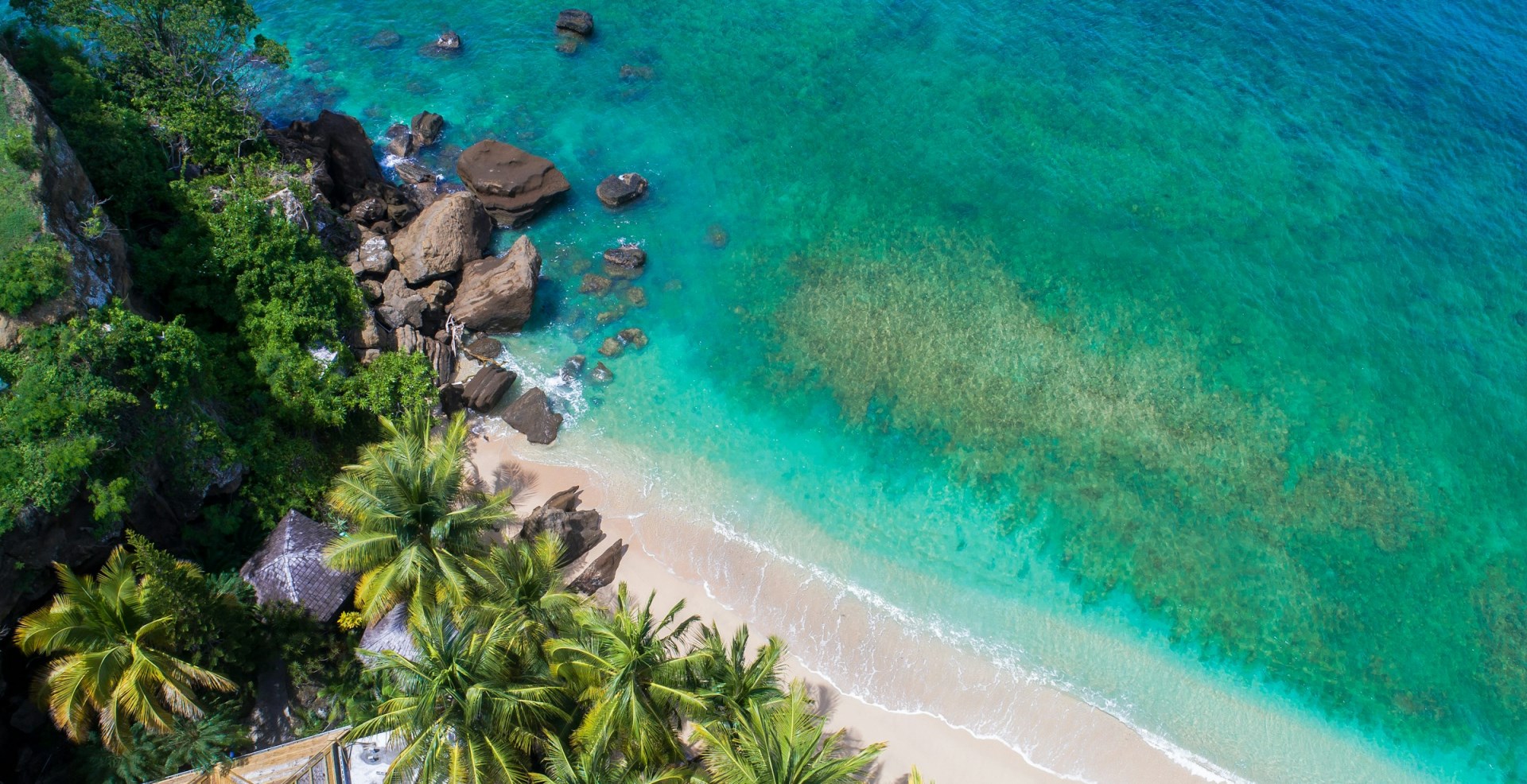
You'll know why picturesque Grenada is known as the "spice island" when you notice the scent of nutmeg, vanilla and cocoa in the air. Grenada's waterfalls, lush rain forests, volcanic crater lake, tiny villages, cocoa, nutmeg and banana plantations, rum distilleries, scenic hiking trips, pristine coral reefs, and hidden-away unspoiled beaches all make Grenada one of the most popular ecotourism destinations for those who like to discover off-the-beaten-track natural beauty and charm.
Giverny
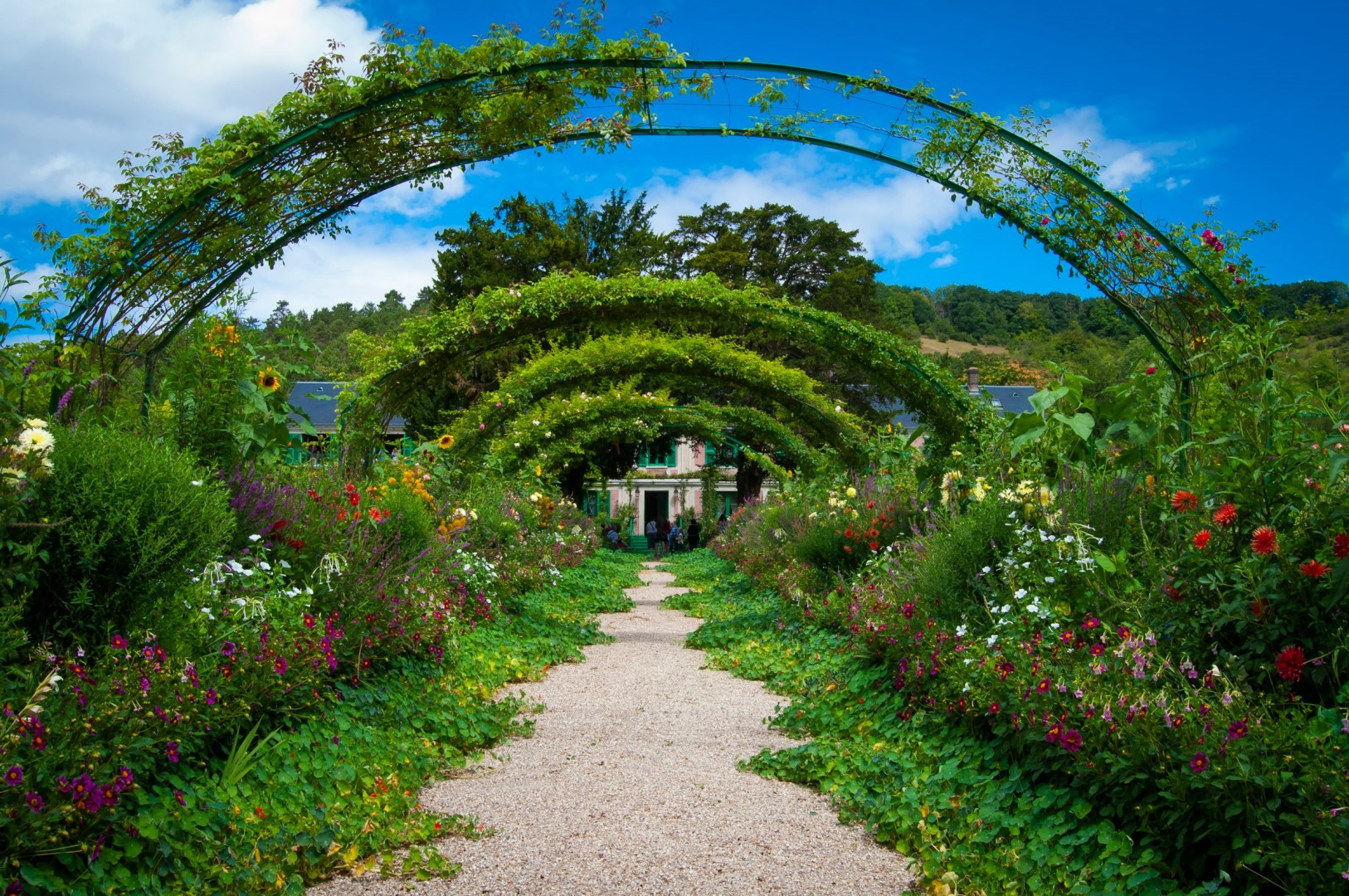
Giverny is a village in Normandy, France, best known for its close association with the painter Claude Monet and the gardens he created around his home. The village lies near the Seine and combines a small rural setting with attractions devoted to art and garden design. Monet’s house and gardens are the principal landmark, while the Musée des Impressionnismes Giverny explores the broader history of Impressionism and related artistic movements.
Molokai Island
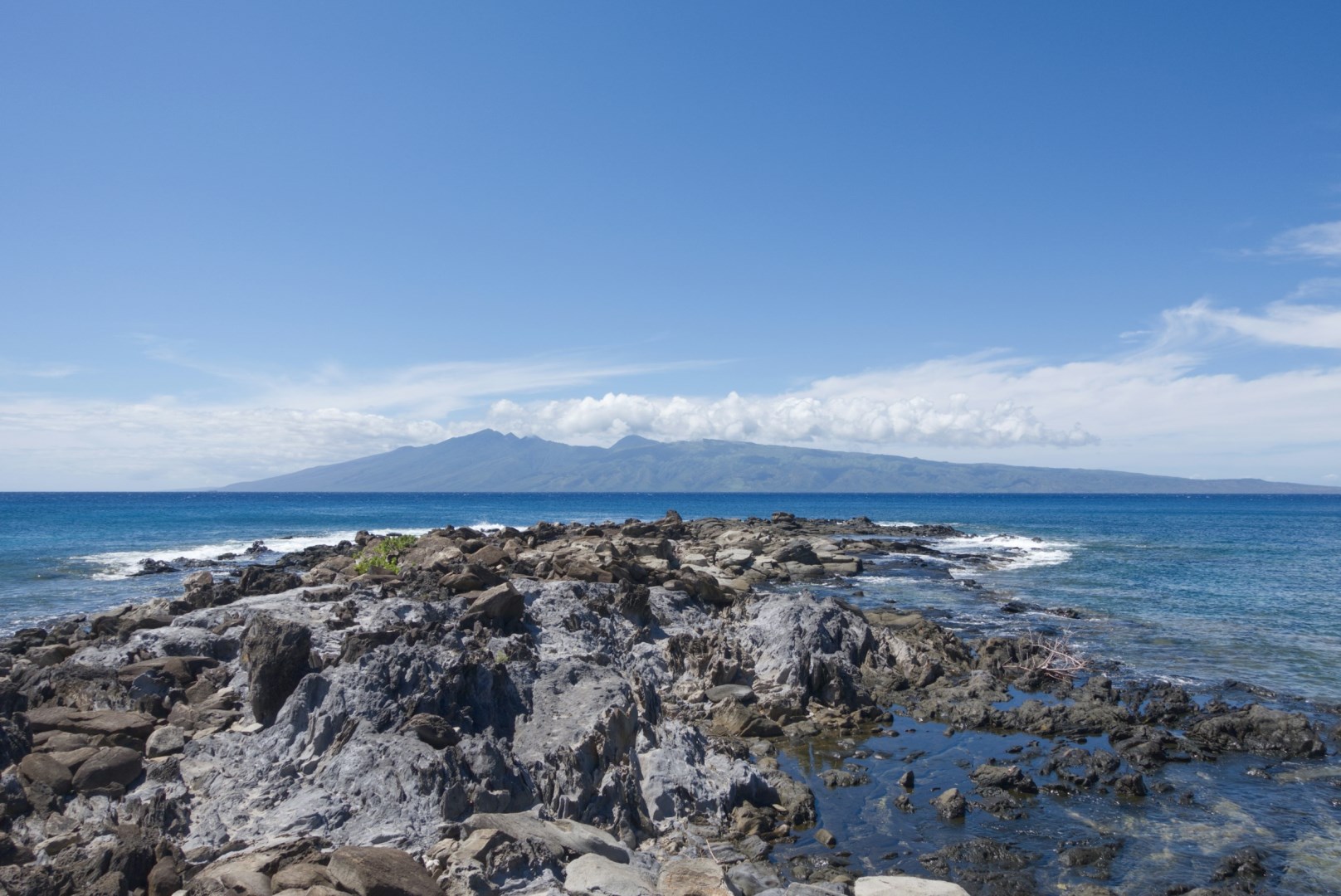
Molokai, island, in Kalawao County, administered by Maui County, central Hawaii, between Oahu and Maui islands, known as the Friendly Island. On the southern coast of Molokai is the port of Kaunakakai. The island rises to 1512 m (4961 ft) in the east at Kamakou Peak. Pineapples, coffee, and cattle are raised. In 1873Father Damien, the Belgian Roman Catholic missionary, began his work in the leper colony of Kalawao on the Kalaupapa Peninsula of northern Molokai.
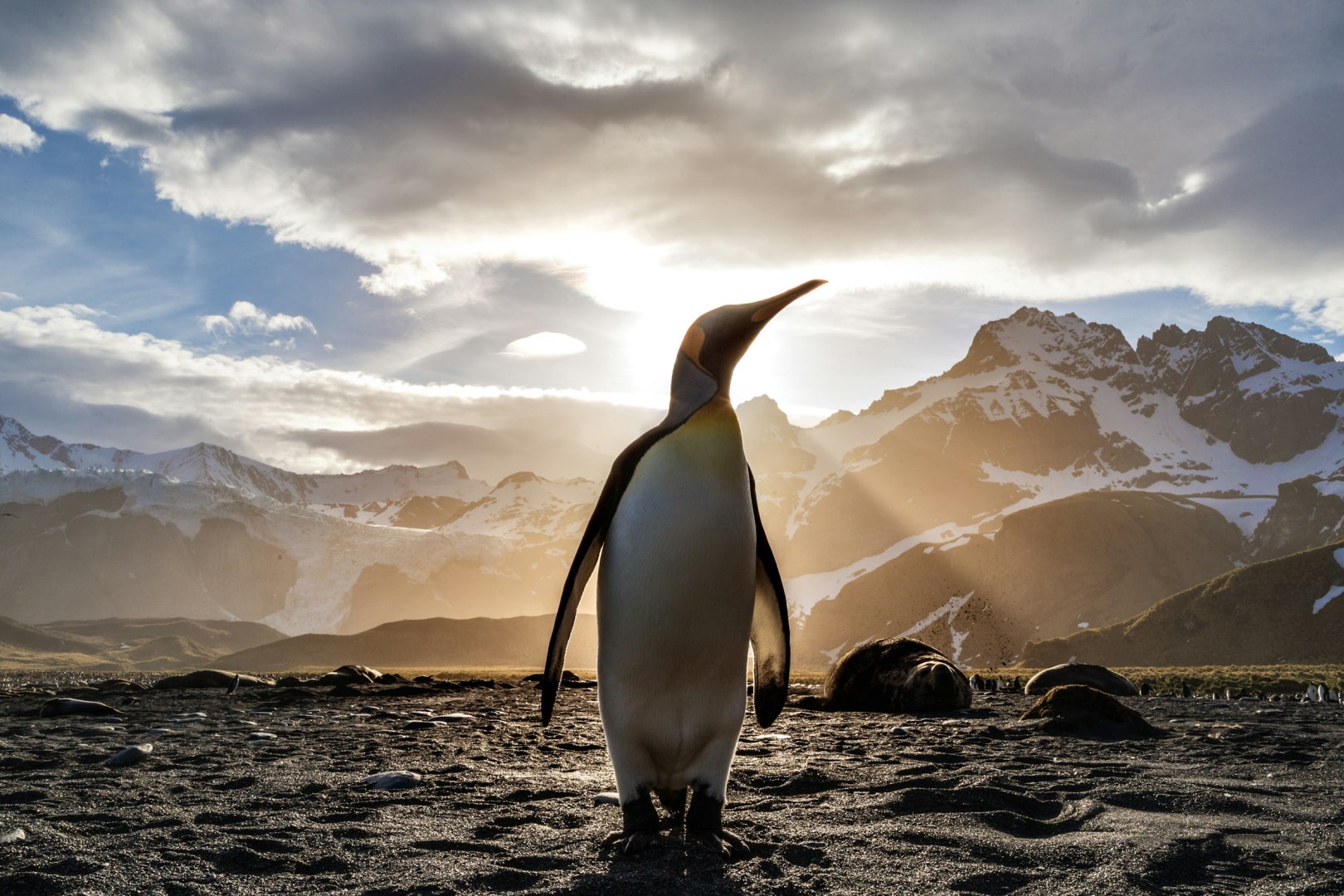
South Georgia
Remote, windswept, and bursting with wildlife, South Georgia is a sub-Antarctic island that surprises nearly everyone who steps ashore. Though uninhabited by civilians, the island hosts a small British research station and welcomes visitors via expedition cruises. What draws people here is not luxury or convenience, but the scale of its wildness.
