

Pompeii
Pompeii, Italy, is a mesmerizing time capsule that invites travelers to step back into the world of ancient Rome. Once a thriving city, Pompeii was abruptly buried under volcanic ash and pumice following the catastrophic eruption of Mount Vesuvius in 79 AD. This tragic event preserved the city in remarkable detail, allowing visitors today to walk the cobbled streets and witness a snapshot of Roman life, from grand villas and bathhouses to bakeries and amphitheaters.
San Ignacio
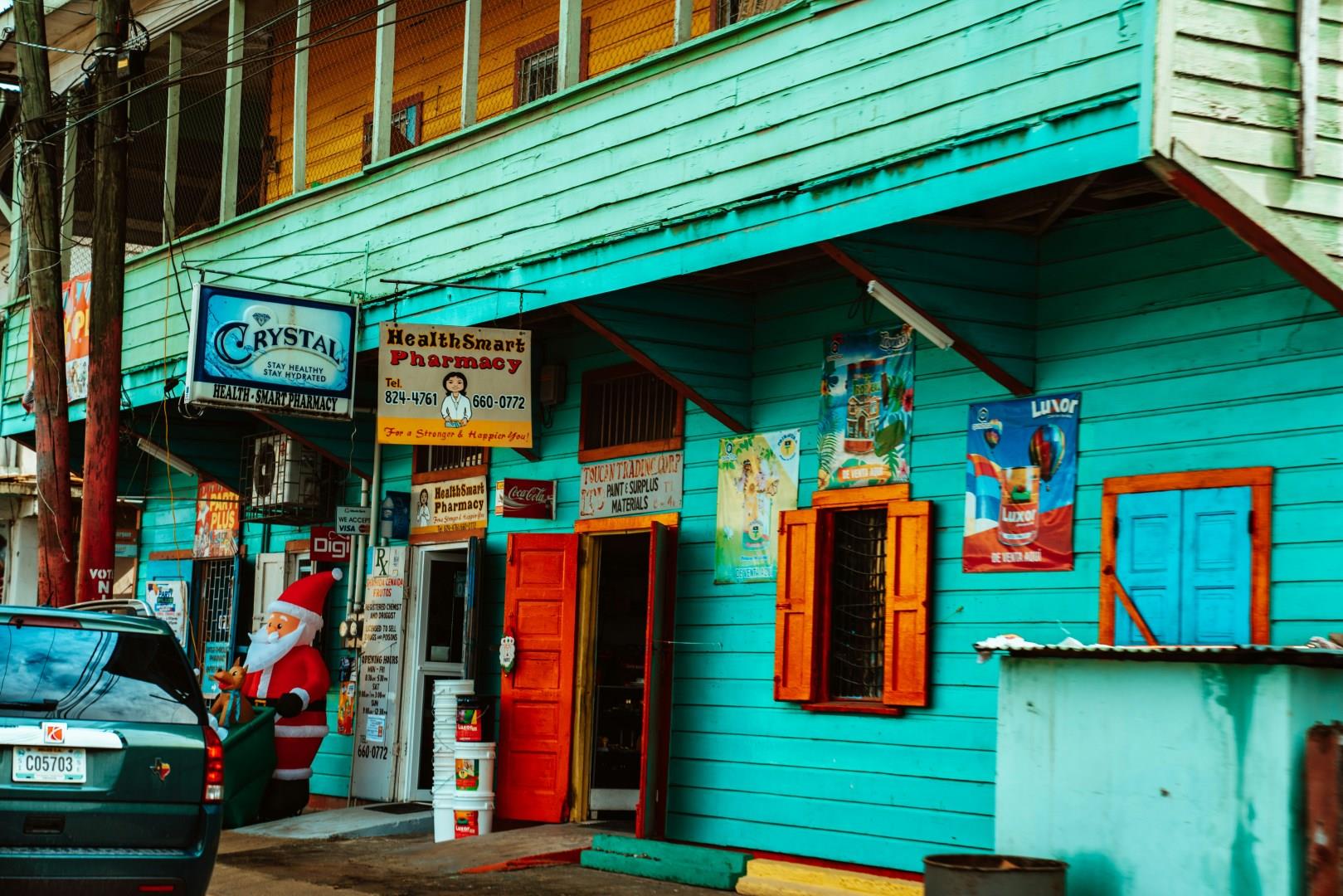
San Ignacio sits in western Belize’s Cayo District on the banks of the Macal and Mopan Rivers, where the town and its sister settlement of Santa Elena are linked by Belize’s lone suspension bridge. Its location also makes San Ignacio a gateway to both inland Belize and the nearby Guatemalan border, making it easy for curious travelers to explore beyond town limits.

Las Vegas
Las Vegas, Nevada, is an electrifying city where glitz and glamour meet entertainment and excitement. Known as "The Entertainment Capital of the World," Las Vegas offers an unparalleled array of attractions, from its iconic casinos and luxurious hotels to its world-class dining and live shows. The city's entertainment scene is second to none, featuring legendary headliners, cutting-edge performances, and an array of themed attractions.

Santa María Huatulco
Located in Oaxaca, Mexico, Huatulco is famous for its beaches and the sparkling blue water of surrounding bays.

Messina, Sicily
Messina sits on the northeastern tip of Sicily, facing the narrow Strait of Messina. Its position has long made it a key port connecting the island to mainland Italy. The city is shaped by its harbor, hillside neighborhoods, and views across the water toward Calabria. Messina stands out for its role as a gateway, with active ferry routes and a layout that blends rebuilt urban areas with historic landmarks and coastal scenery.
