

Pompeii
Pompeii, Italy, is a mesmerizing time capsule that invites travelers to step back into the world of ancient Rome. Once a thriving city, Pompeii was abruptly buried under volcanic ash and pumice following the catastrophic eruption of Mount Vesuvius in 79 AD. This tragic event preserved the city in remarkable detail, allowing visitors today to walk the cobbled streets and witness a snapshot of Roman life, from grand villas and bathhouses to bakeries and amphitheaters.
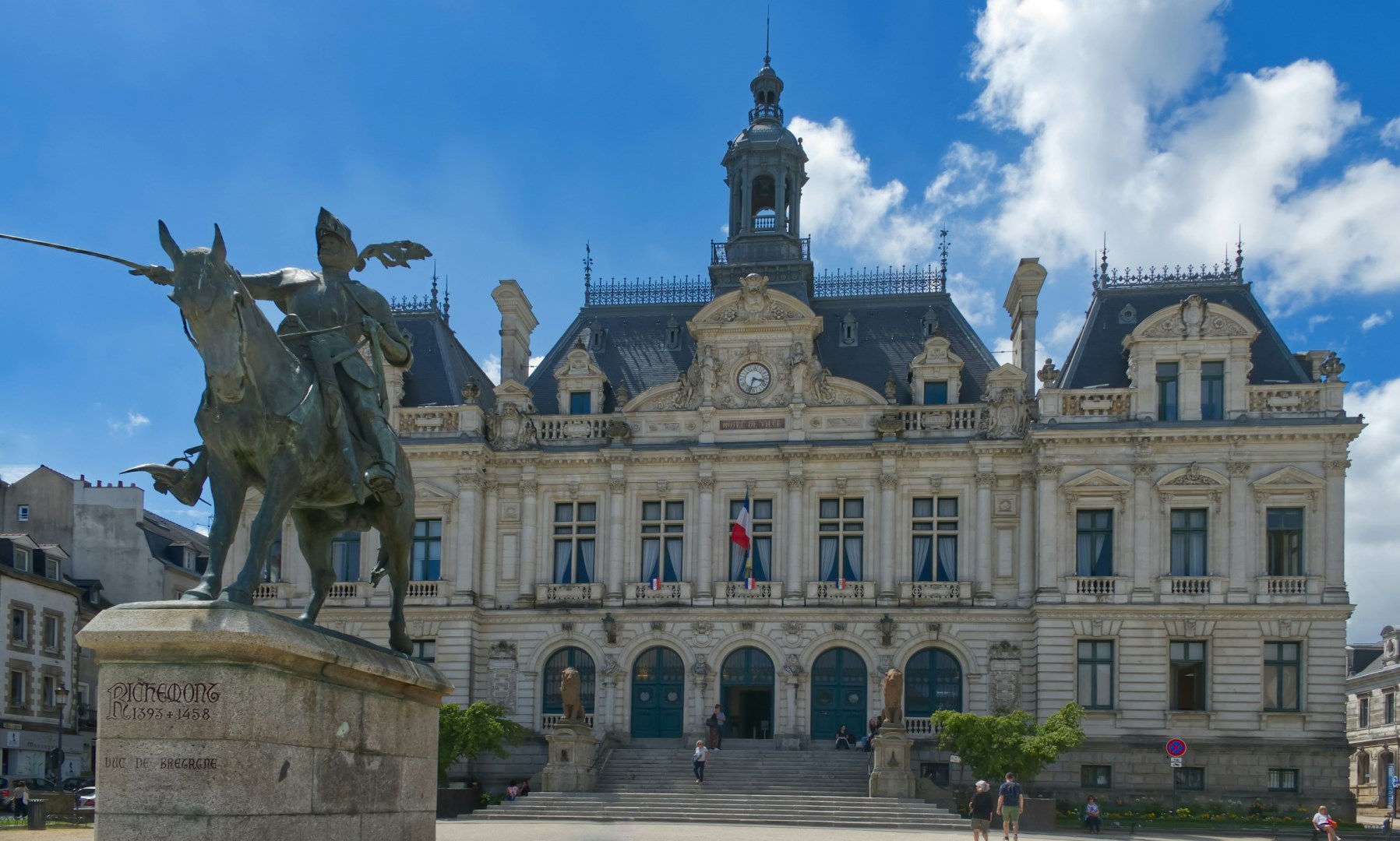
Vannes
Vannes is a historic port city in Brittany, set at the northern end of the Golfe du Morbihan. Its compact old center is enclosed by medieval fortifications and combines cobbled lanes, half-timbered houses, private mansions, and small squares. The harbor extends the city toward the gulf, making Vannes an important gateway to the islands and coastal landscapes of southern Brittany.
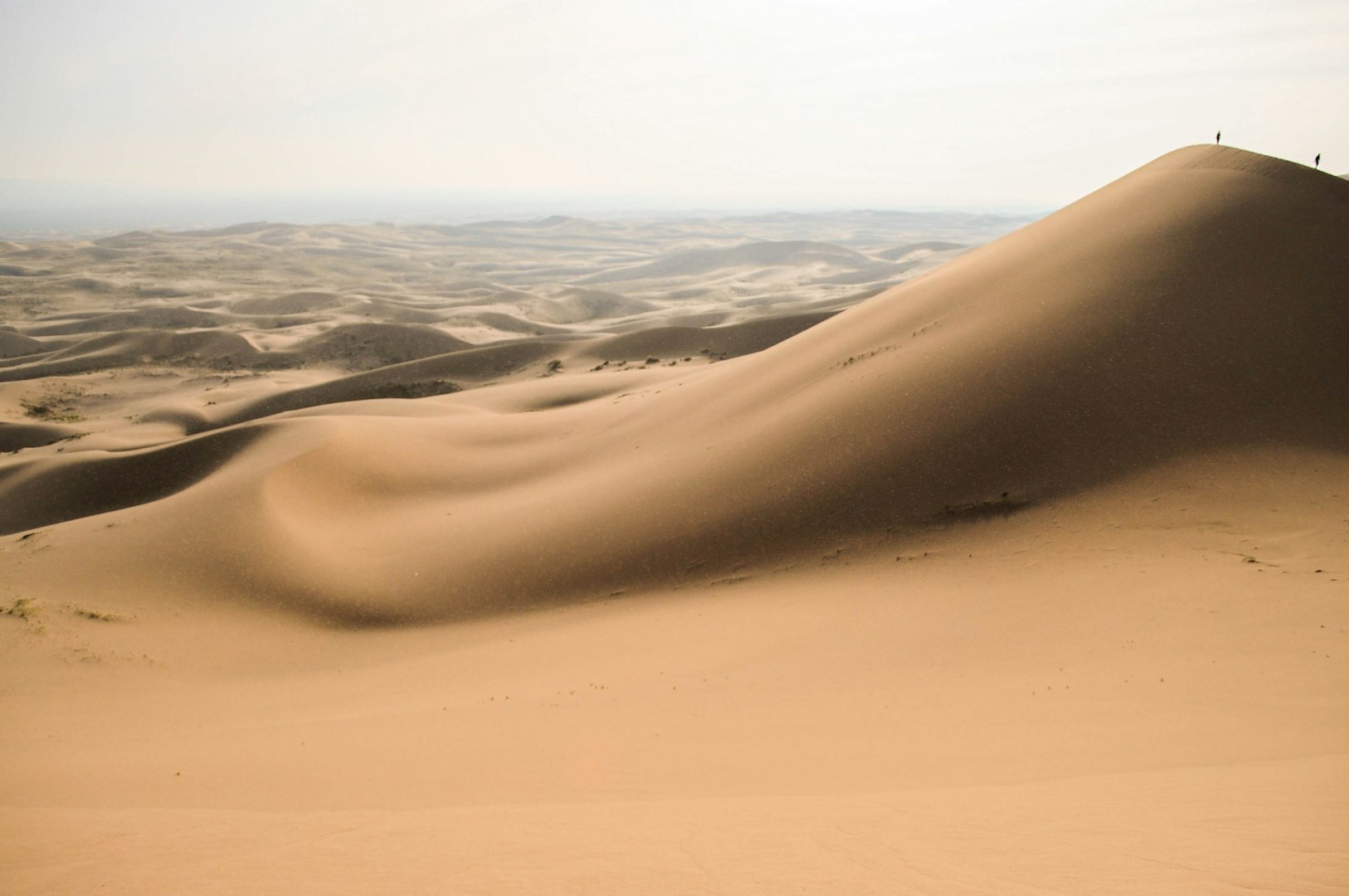
Khongoriin Els
Khongoriin Els is one of the largest sand dune systems in Mongolia's Gobi Desert, located within Gobi Gurvansaikhan National Park in Ömnögovi Province. The dunes extend across a broad desert landscape between rocky mountains and dry plains, with some ridges rising more than 200 meters above the surrounding ground. Wind continually reshapes the sand, creating long lines and shifting slopes across the desert.

Ontario
Ontario is Canada's most densely populated province, harboring such cosmopolitan cities as Toronto and Ottawa. Millions of tourists come into Ontario every year, and industry and farming are the chief industries along the Great Lakes.

Cuenca
Nestled in the Andes Mountains, Cuenca, Ecuador, is a city that seamlessly blends colonial charm, cultural richness, and natural beauty. Known as the “Athens of Ecuador” due to its vibrant intellectual and cultural life, Cuenca's historic center is a UNESCO World Heritage Site that delights visitors with its cobblestone streets, whitewashed buildings, and red-tiled roofs.
