

Basel
Basel is the global center of the pharmaceutical industry, but most travelers visit for the world-famous ART Basel festival, as well as the numerous art galleries, iconic architecture and museums.

St. Croix
It's the largest of the three U.S. Virgin Islands, lying 40 miles south of St. Thomas and St. John. While its history is laced with tales of pirates and privateers, the island today maintains a slower, more quiet pace than its sisters to the north.

Sossusvlei
Sossusvlei, located in the heart of the Namib Desert in Namibia, is a breathtaking destination that captivates travelers with its surreal landscapes and towering red sand dunes. The star attraction of Namib-Naukluft National Park, Sossusvlei is famous for its clay pans surrounded by some of the highest sand dunes in the world, some reaching heights of over 300 meters.
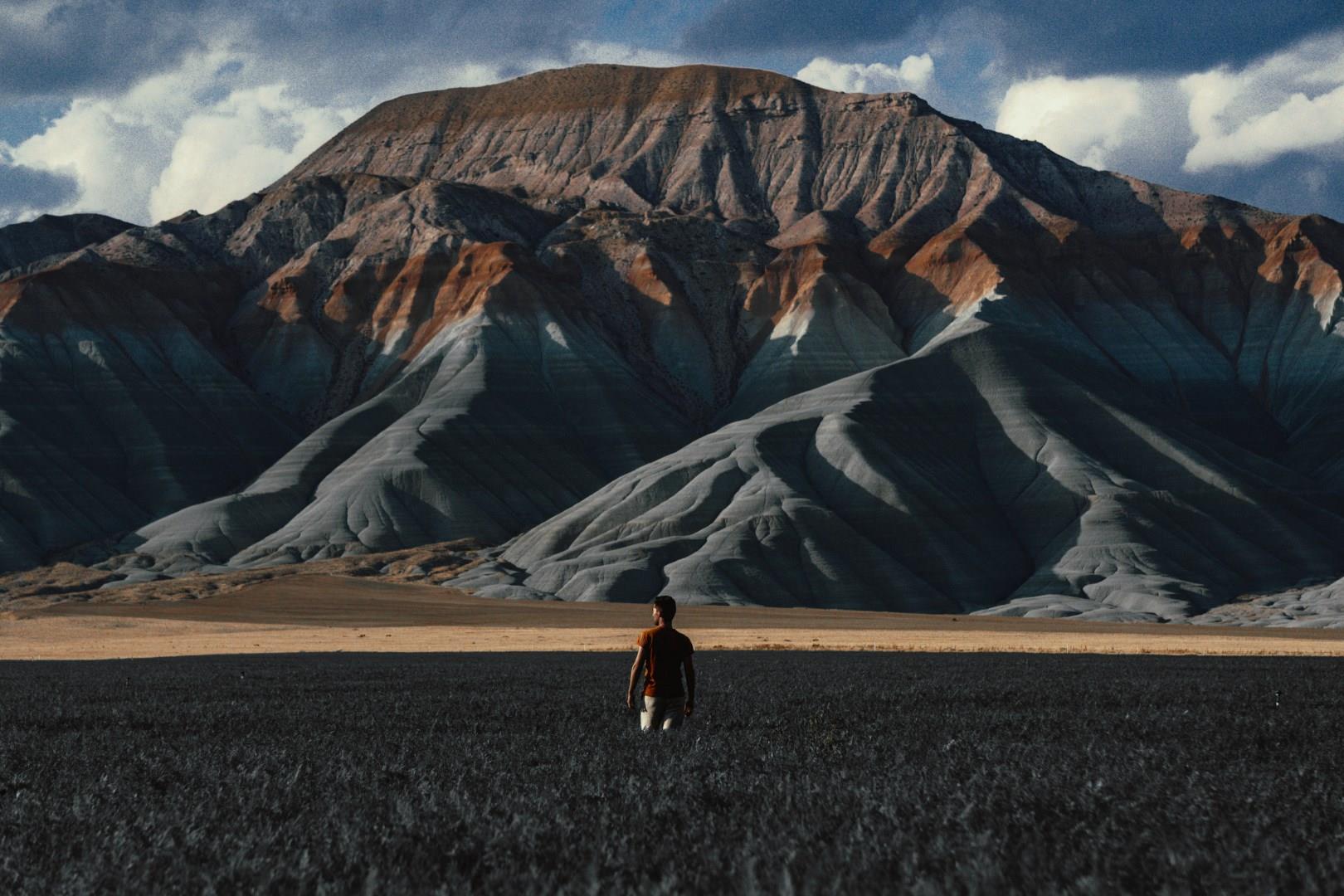
Ankara
Ankara, the capital of Turkey, sits on the Anatolian plateau and reflects the country’s layered history more quietly than Istanbul, yet with equal depth. Once an important settlement for the Hittites, Phrygians, Romans, and Byzantines, Ankara rose to national prominence in the 20th century when Mustafa Kemal Atatürk chose it as the heart of the modern Turkish Republic. Today, it functions as Turkey’s political center while preserving traces of its ancient and Ottoman past.
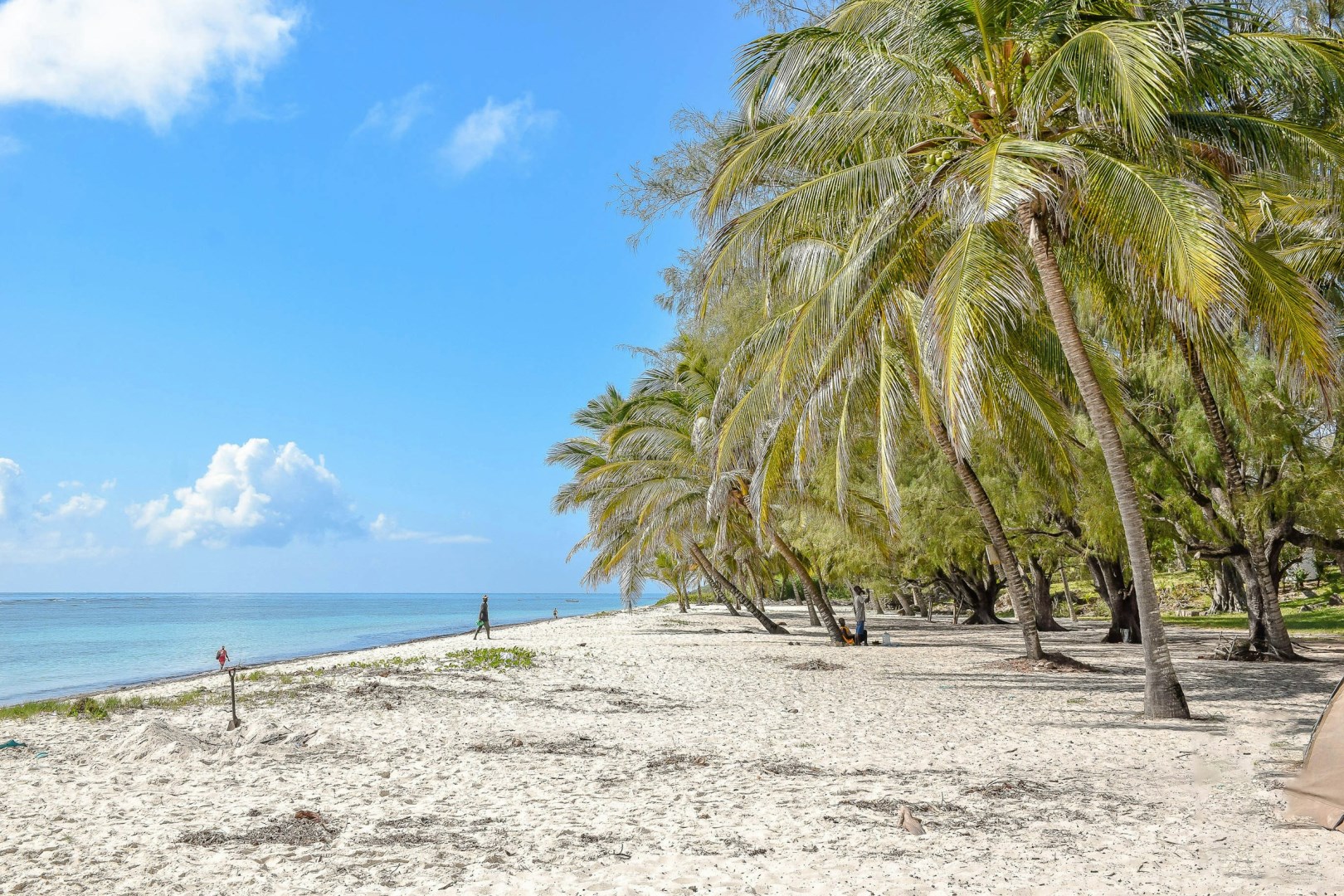
Mombasa
Mombasa, Kenya’s vibrant coastal city, offers a blend of rich history, diverse cultures, and stunning beaches. As Kenya's second-largest city and its principal port, Mombasa has been a crucial crossroads for trade and culture for centuries. The historic Fort Jesus, a UNESCO World Heritage site, stands as a testament to the city's colonial past.
