
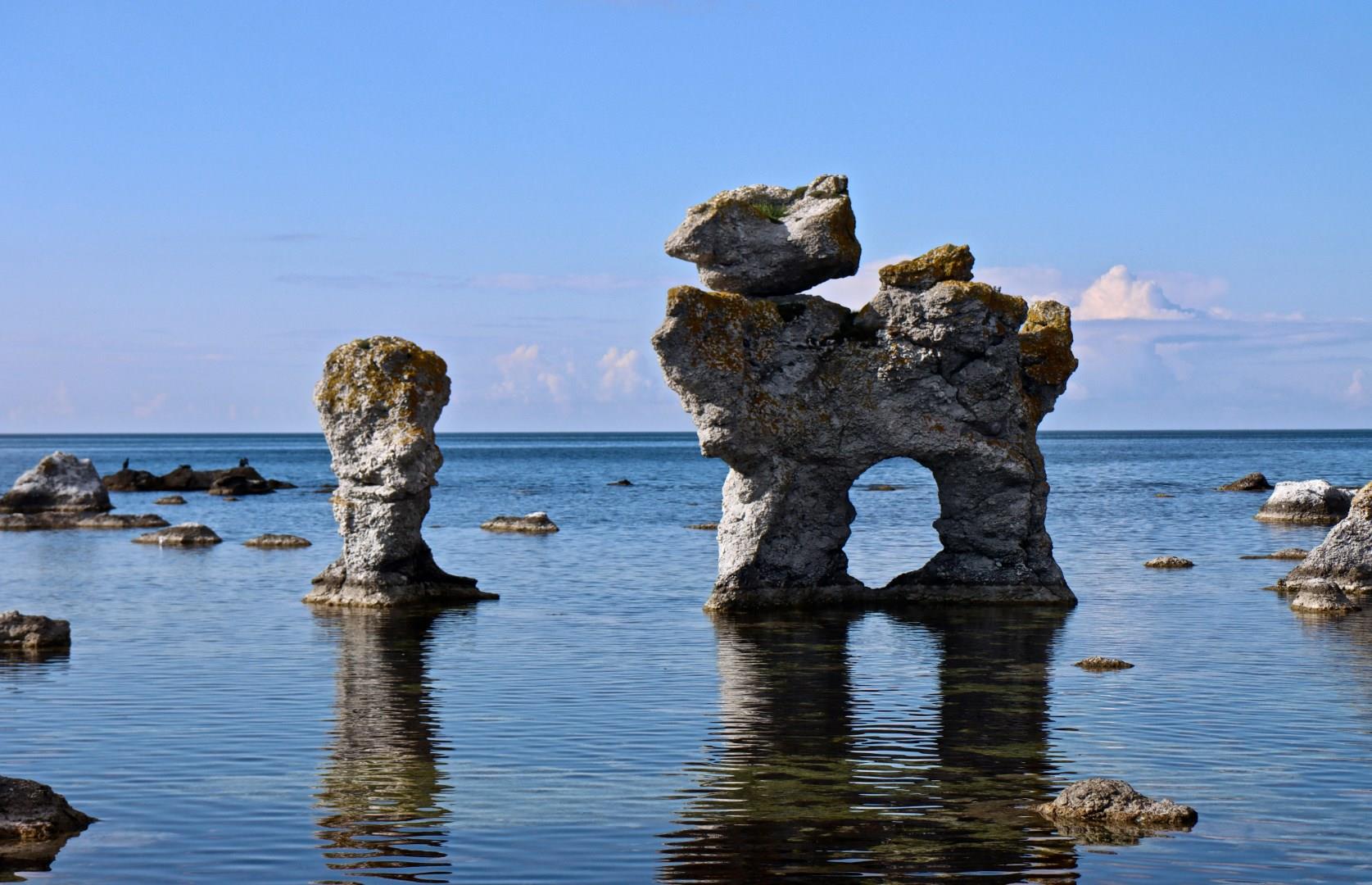
Gotland
Gotland, Sweden’s largest island, sits in the Baltic Sea and feels like a world of its own. Its main town, Visby, is a UNESCO World Heritage site and one of the best-preserved medieval towns in Northern Europe. Surrounded by a 3.5-kilometer stone wall with original towers still intact, Visby once served as a key Hanseatic trading hub. Visitors can walk along cobbled streets lined with rose-covered cottages, explore Gothic church ruins, and climb up the city wall for views over the harbor.

Aitutaki
Aitutaki is the second most visited of the magical Cook Islands and is recommended as a "must see" extension of any Rarotonga holiday. This is a place of great natural beauty and tranquility, where crystal clear waters and swaying palms provide a simple tonic to sooth away the pressures of the outside world.
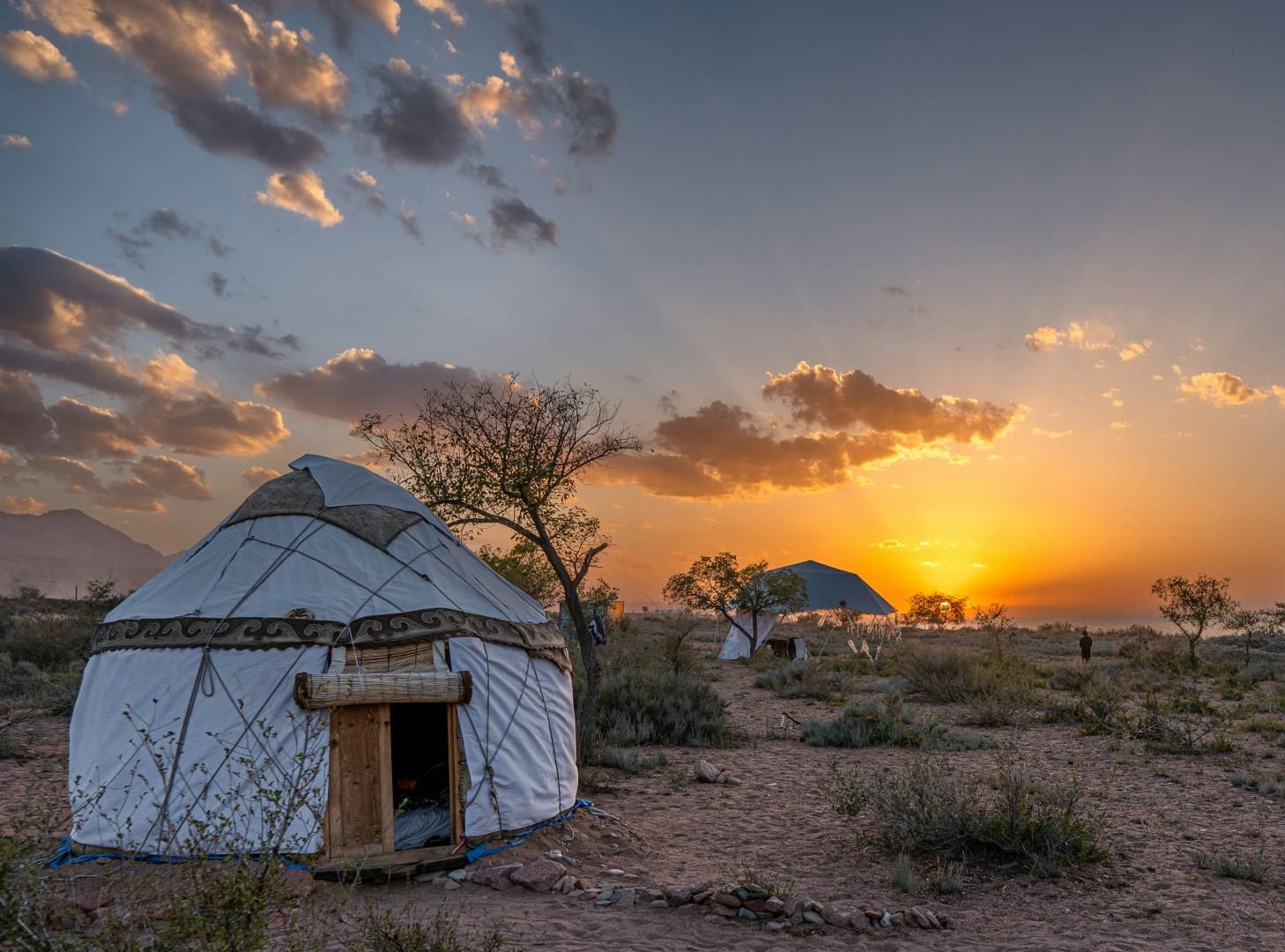
Kyrgyzstan
Kyrgyzstan, a country in Central Asia, is known for its rugged mountains, alpine lakes, and rich nomadic traditions. The Tien Shan mountain range dominates the landscape, offering opportunities for hiking, horseback riding, and exploring remote villages.

Uluru
Located in Australia's Northern Territory, Uluru is an iconic sandstone formation and UNESCO World Heritage site. This red rock monolith, believed to be over 500 million years old, has been considered sacred by Australia's indigenous peoples for thousands of years and is one of the country's most well-known natural landmarks. This spiritual destination will astound you at sunrise and sunset, when the warm sunlight turns Uluru to deep hues of red and orange.
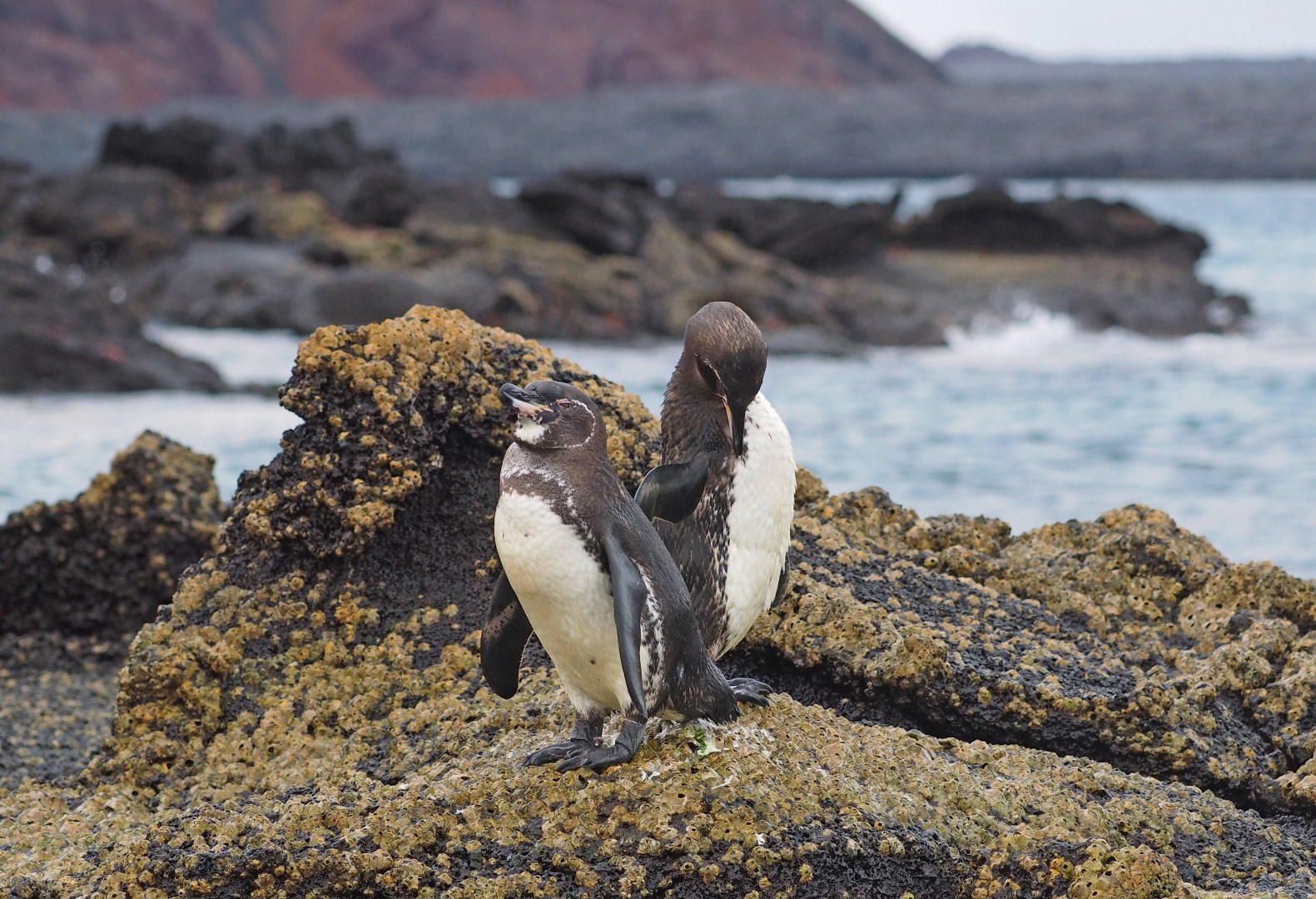
Fernandina Island
Besides being one of the largest and most remote of the Galapagos Islands, Fernandina Island is home to the area's most active volcano. It also boasts the most pristine ecosystem; unlike other islands in the Galapagos, Fernandina has thus far avoided the introduction of any non-native mammal species.
