
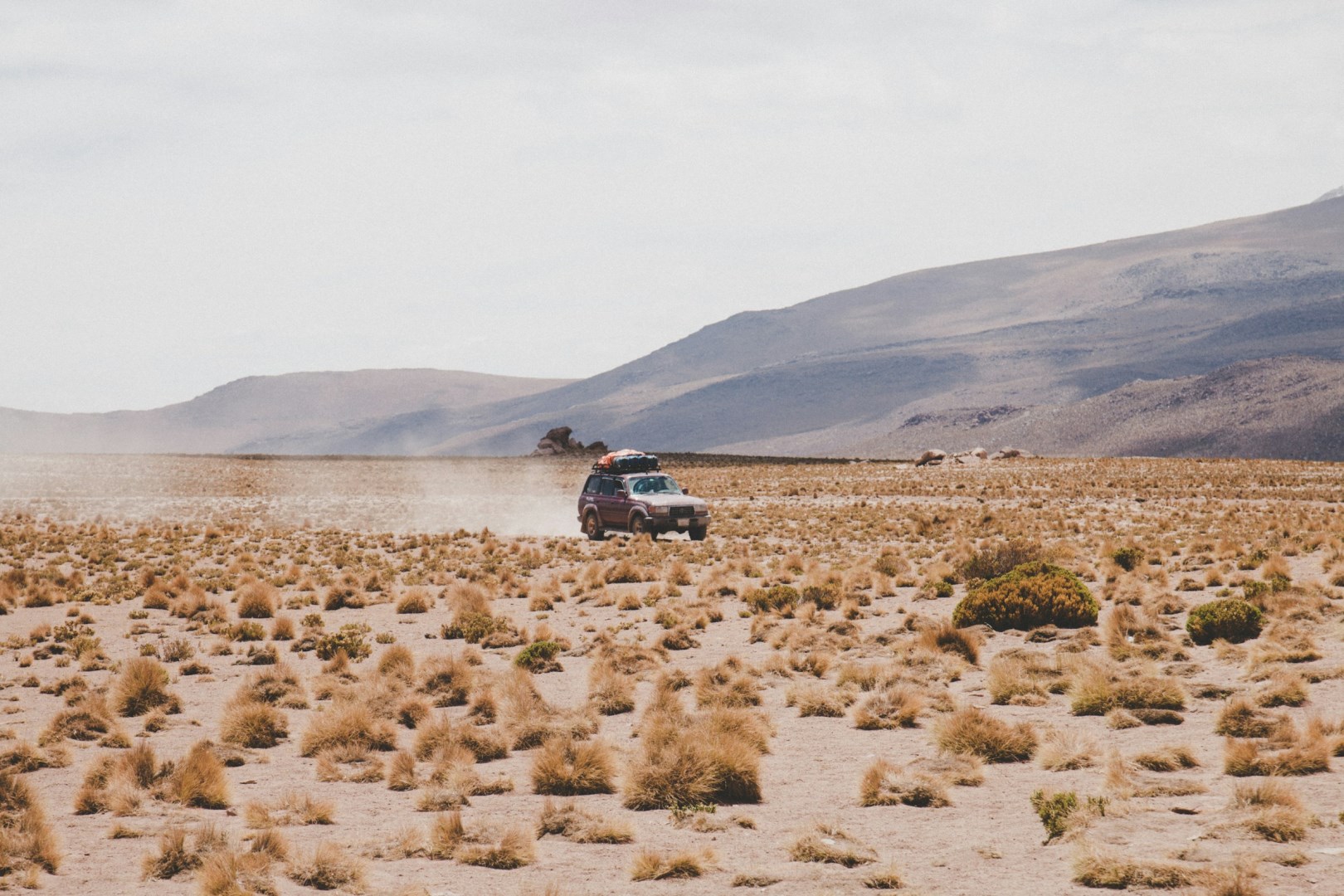
Eduardo Avaroa Andean Fauna National Reserve
Eduardo Avaroa Andean Fauna National Reserve is a vast protected area in southwestern Bolivia, close to the borders with Chile and Argentina. It covers a high-altitude landscape of volcanic mountains, deserts, salt flats, geothermal fields, and mineral-rich lagoons. The reserve forms part of the southern Altiplano and is one of Bolivia’s most distinctive protected areas.
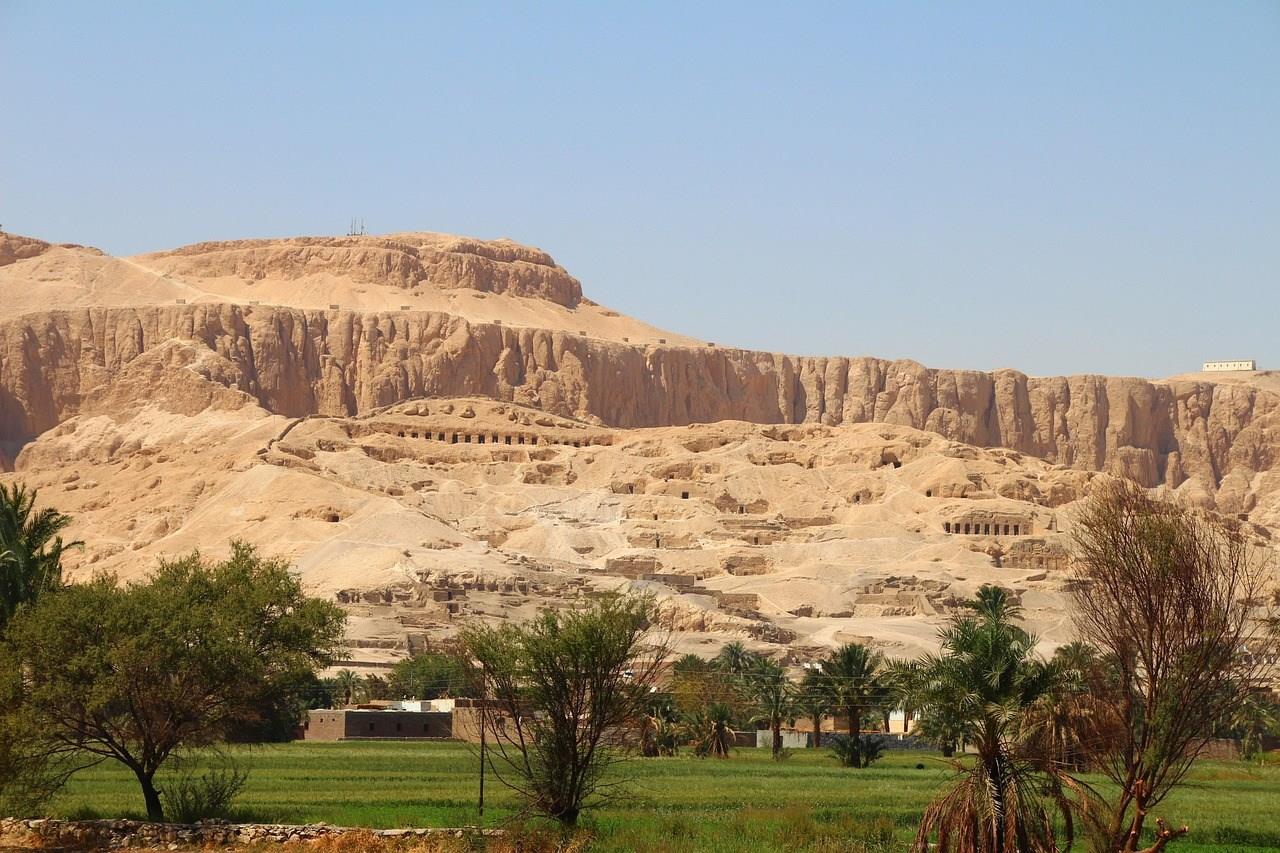
Valley of the Kings and Queens
The Valley of the Kings and the Valley of the Queens, located on the west bank of the Nile near Luxor, Egypt, are two of the world’s most significant archaeological sites. For over 500 years during the New Kingdom (16th–11th centuries BCE), these valleys served as the burial grounds for pharaohs, queens, and high-ranking nobles.
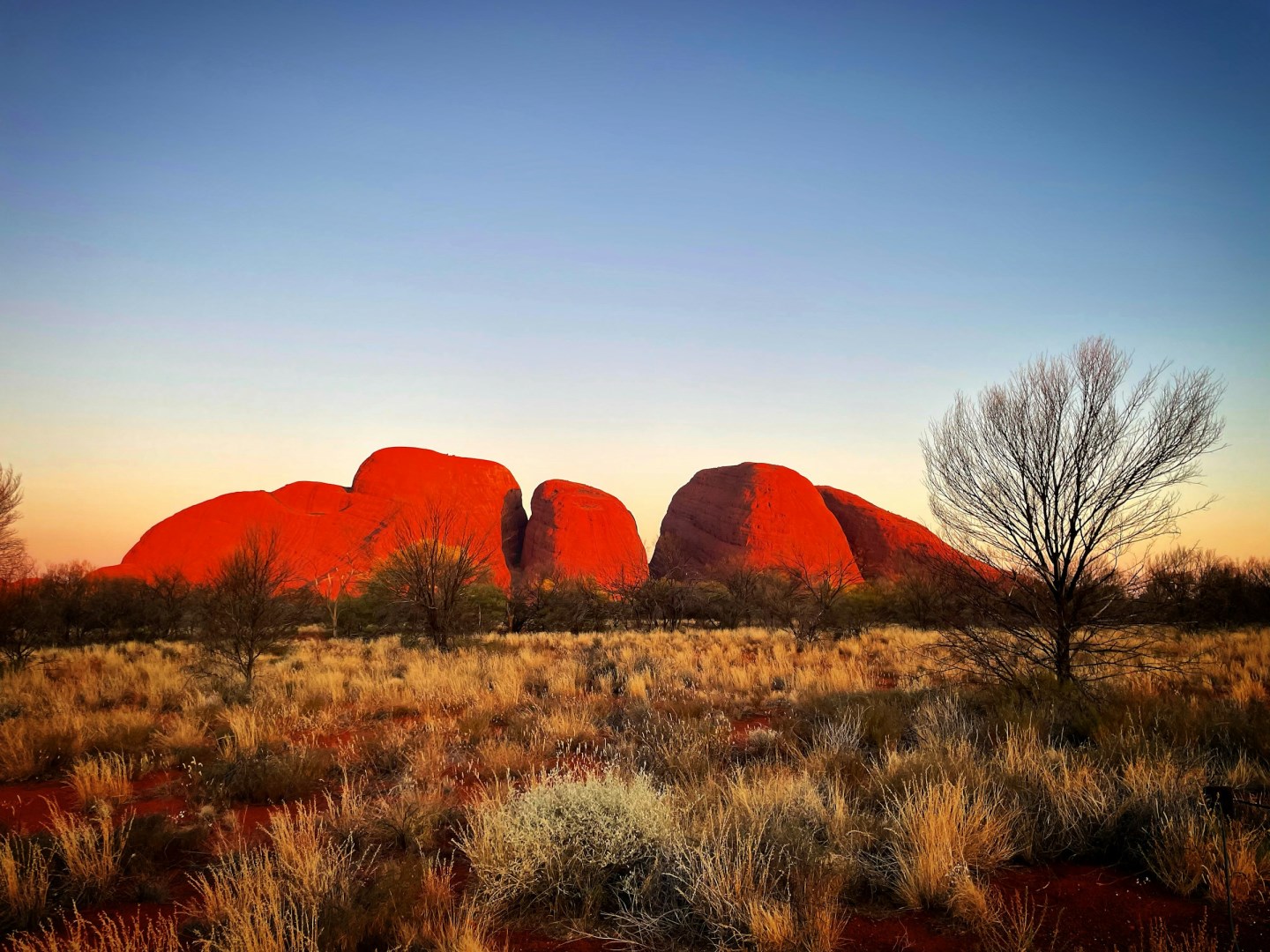
Kata Tjuta
Kata Tjuṯa is a group of large rock domes in the Red Centre of Australia, within Uluṟu-Kata Tjuṯa National Park in the Northern Territory. Located about 40 kilometres west of Uluṟu, the formation rises prominently from the surrounding desert plain and consists of 36 domes spread across a broad area. Its name means “many heads” in the local Aṉangu languages.
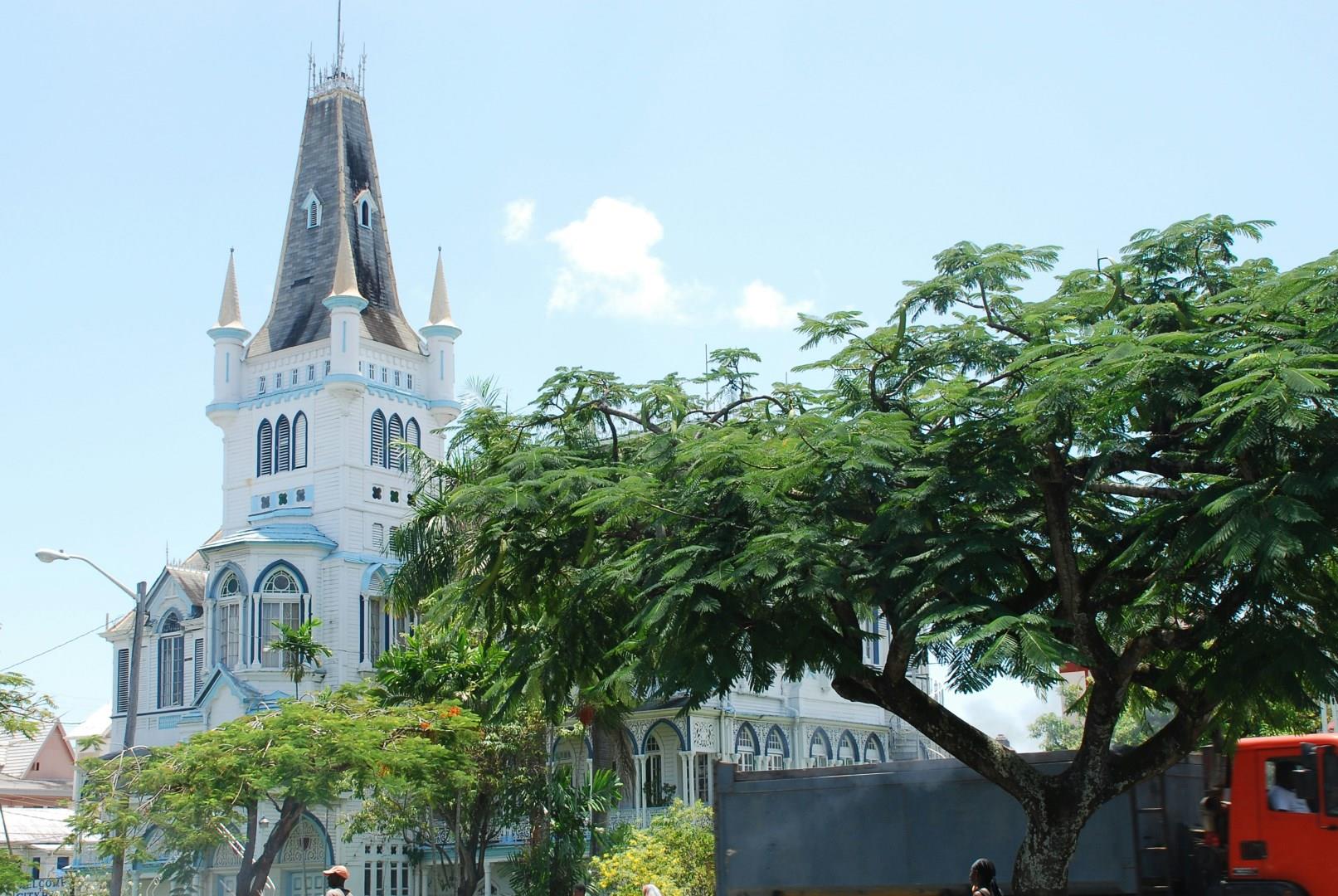
Georgetown
Georgetown, Guyana’s capital, is a city of wooden cathedrals, tree-lined canals, and street corners alive with music, food, and political discussion. Located at the mouth of the Demerara River, the streets still follow the Dutch grid system, and the city’s architectural signature, with its elegant wooden buildings with louvered shutters and fretwork, make it one of the most visually distinct capitals in South America.
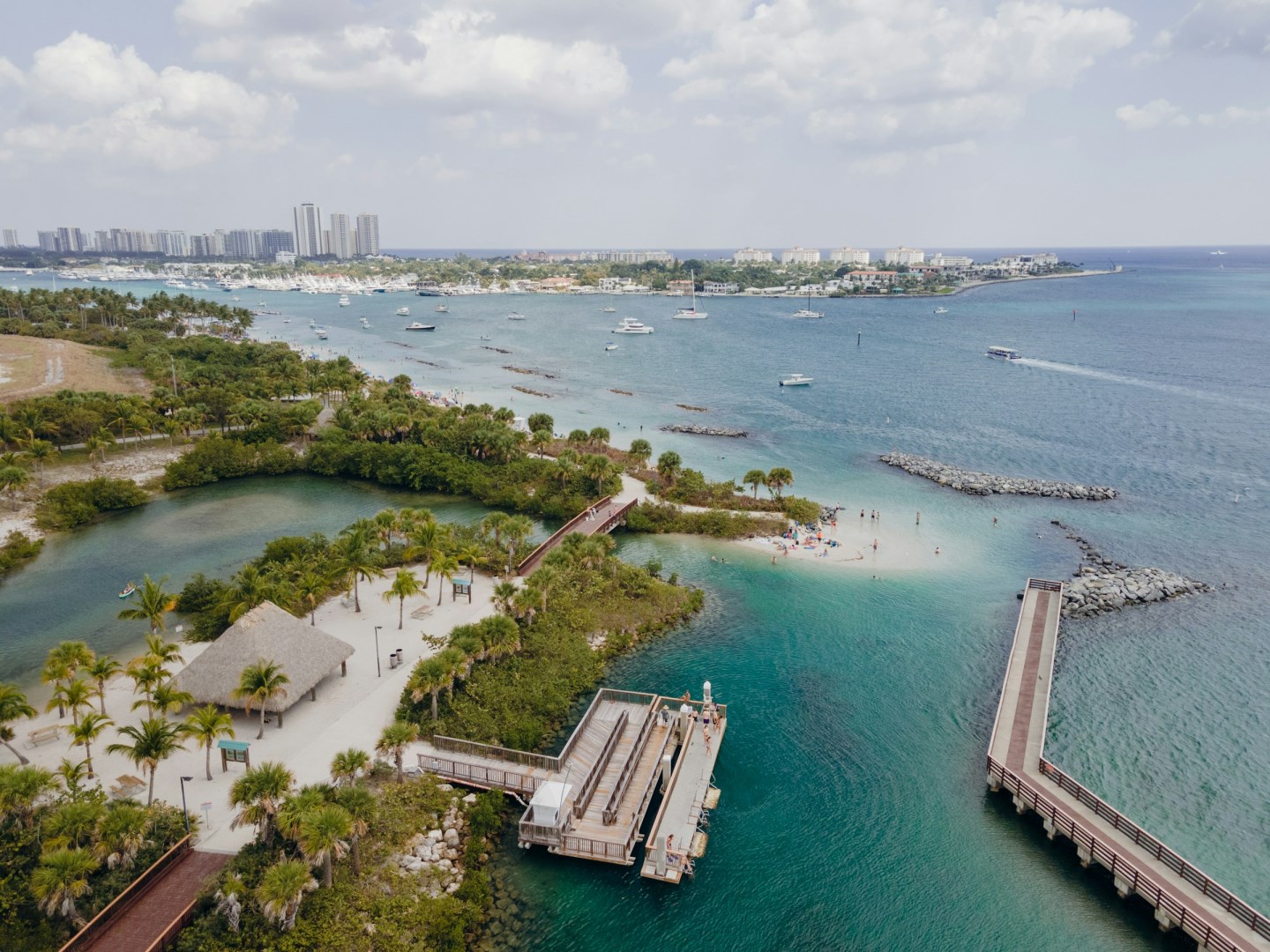
Peanut Island
Peanut Island is a small 79-acre island in Lake Worth Lagoon, just north of the Port of Palm Beach in southeastern Florida. Accessible only by boat or water taxi, the island is known for its sandy beaches, clear lagoon waters, picnic areas, and views of the surrounding Palm Beach County coastline. A network of paths crosses the island, connecting its beaches and recreation areas. Peanut Island is also notable for its location near the Lake Worth Inlet, where the lagoon meets the Atlantic Ocean,
