
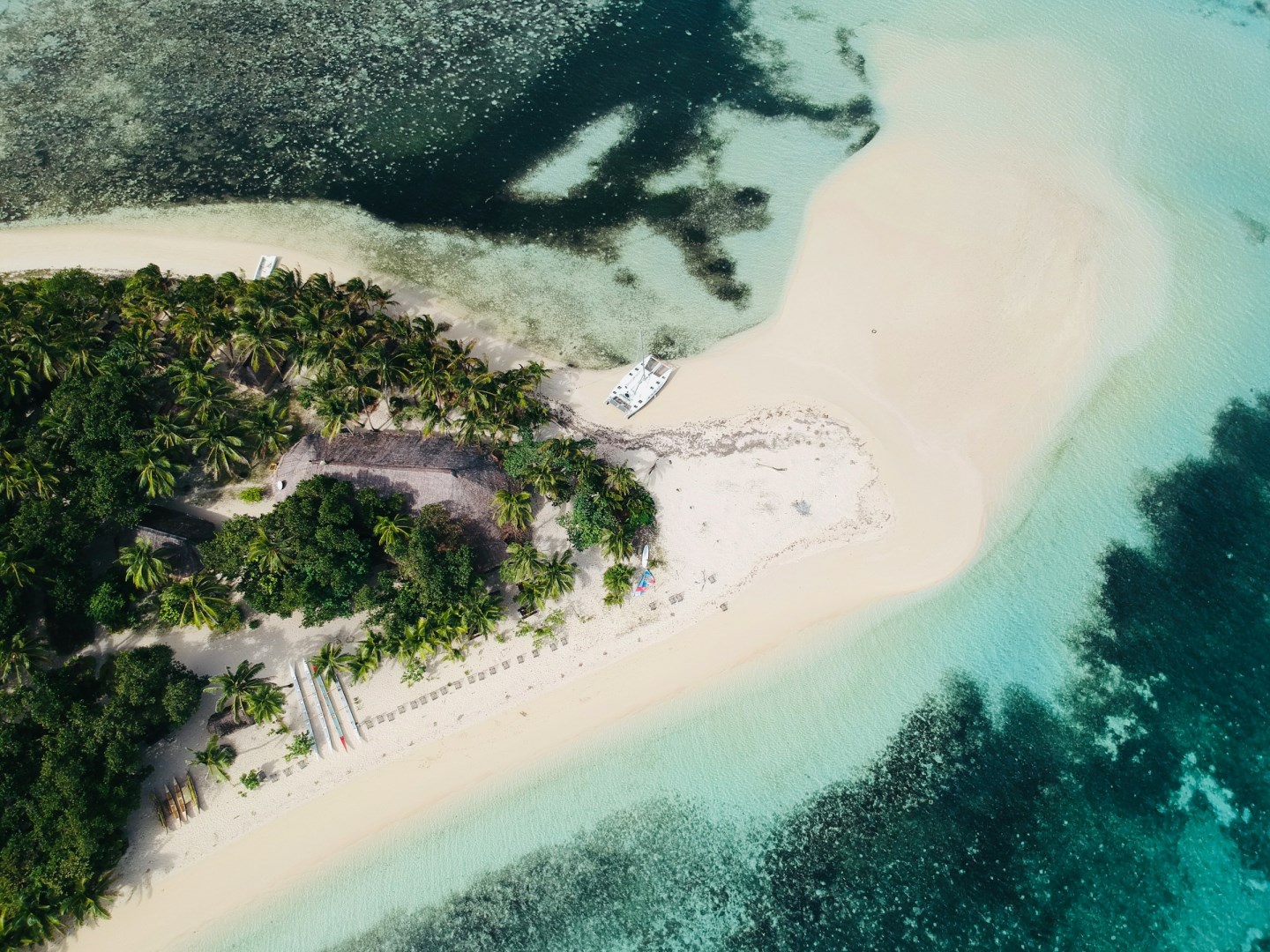
Leleuvia Island
Leleuvia Island is a small island in Fiji’s Lomaiviti group, located off the eastern coast of Viti Levu between Bau, Moturiki and Ovalau.
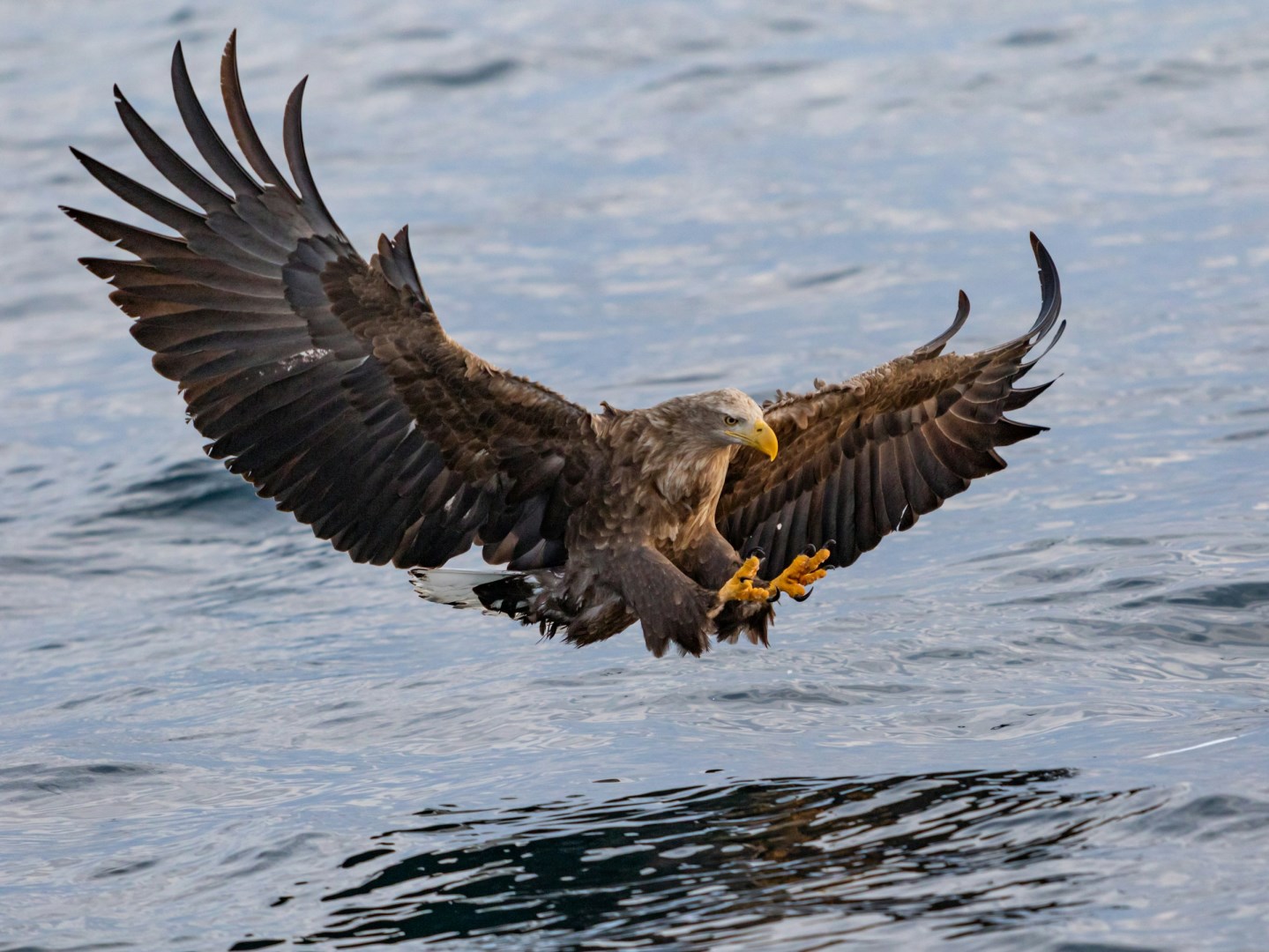
Hokkaido
Hokkaido is Japan's northernmost main island and the country's second-largest island, known for broad landscapes, volcanic mountains, forests, lakes, and a cooler climate than most of Japan. Sapporo serves as the prefectural capital and largest city, while smaller communities extend across farmland, coastlines, and mountain regions.

Lanzarote
Lanzarote, the northernmost of the Canary Islands, is a striking destination characterized by its volcanic landscapes and unique architectural heritage. Known for its otherworldly scenery, the island boasts a remarkable volcanic terrain shaped by eruptions in the 18th and 19th centuries. The Timanfaya National Park is a highlight, where visitors can witness geothermal demonstrations and explore the dramatic lava fields on a guided tour.
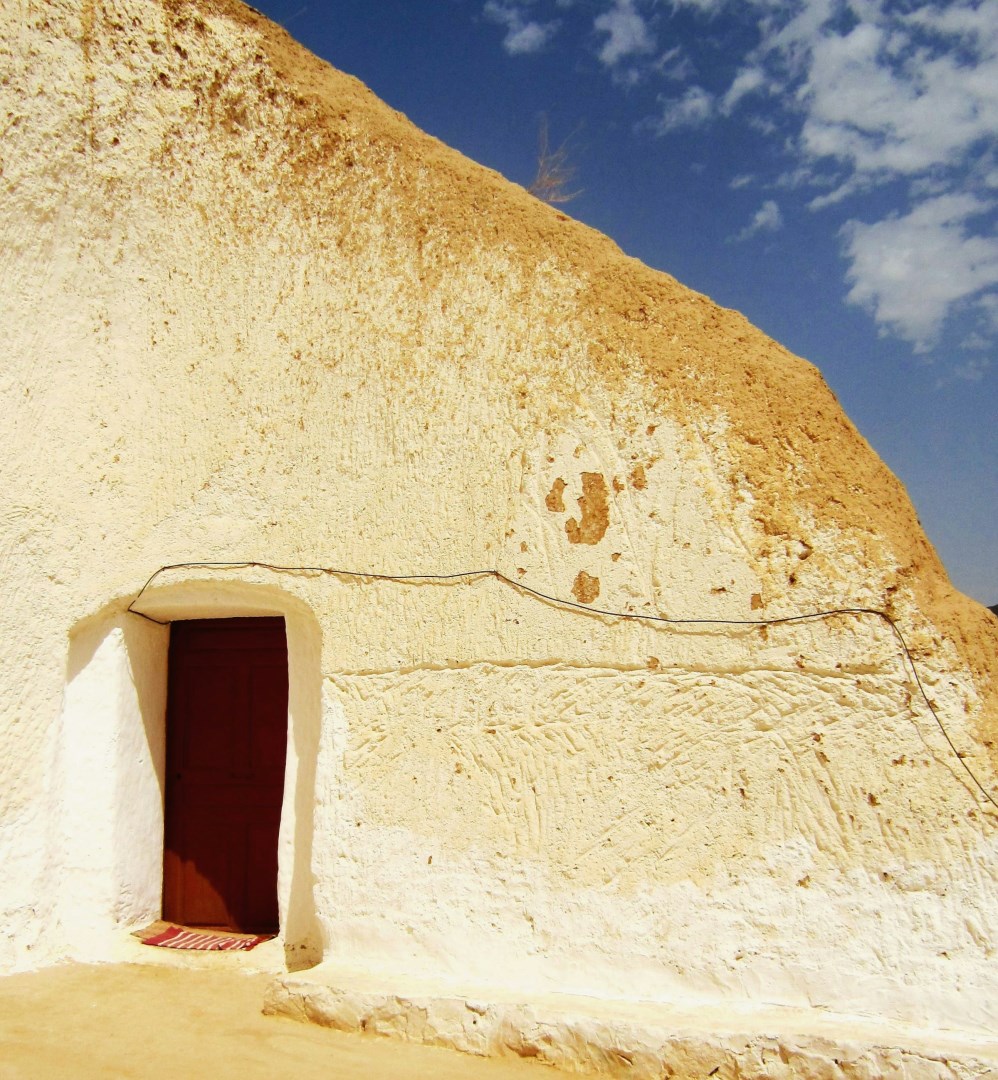
Douz
Douz is a town in southern Tunisia on the edge of the Sahara, where date-palm oases meet the dunes of the Grand Erg Oriental. The town is often regarded as a gateway to the sandy desert, with dunes beginning close to the built-up area and extending toward the wider Sahara. Palm groves provide a strong contrast to the surrounding dry landscape, while nearby Chott el-Jerid forms a vast salt depression with bright mineral surfaces and mirages.
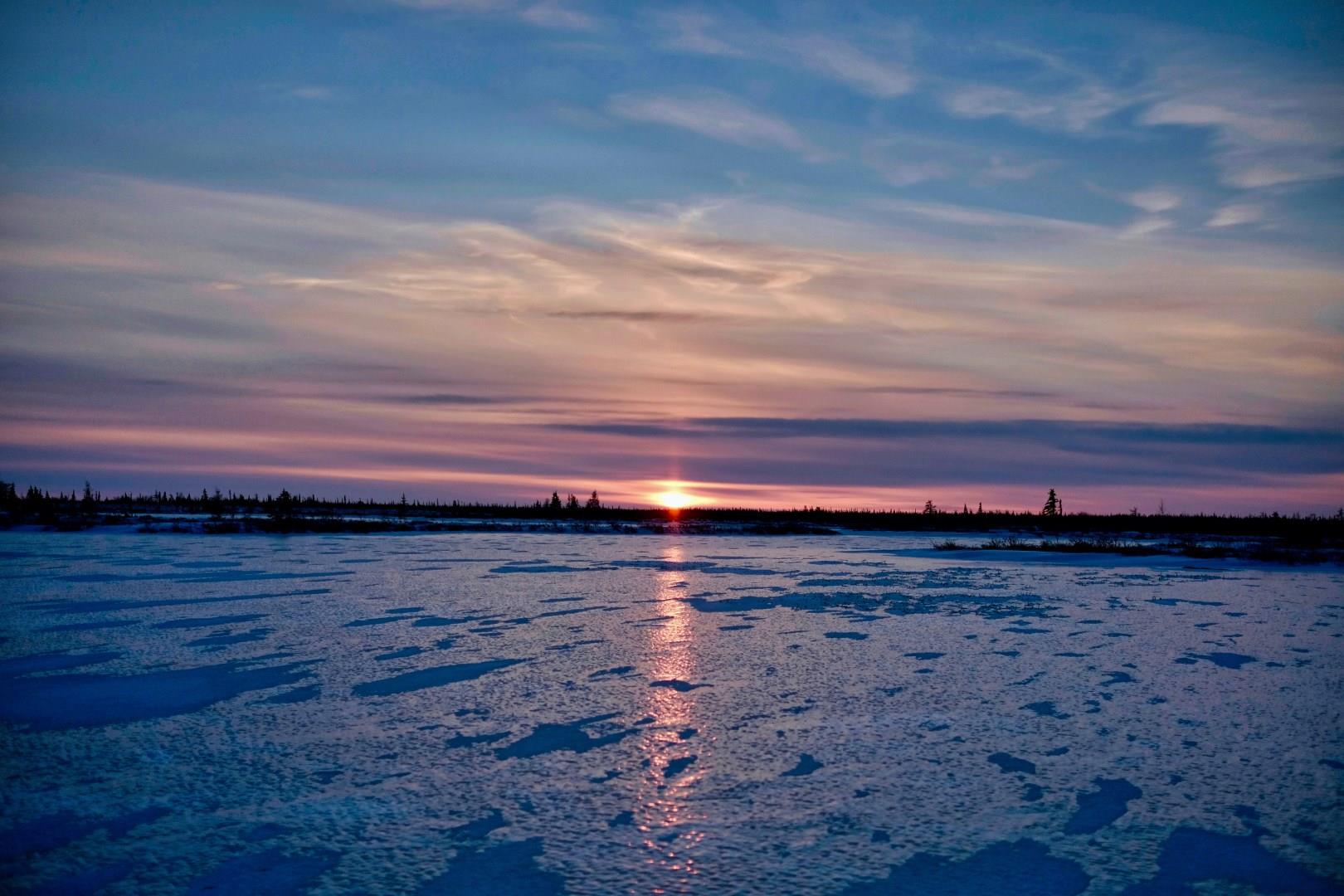
Churchill
Nestled along the shores of Hudson Bay in northern Manitoba, Churchill is a unique and captivating destination known for its remarkable wildlife and rugged beauty. Often referred to as the "Polar Bear Capital of the World," Churchill offers an unparalleled opportunity to witness these majestic creatures in their natural habitat. Each year, visitors flock to the town from October to November for the polar bear viewing season, when the bears migrate along the coast waiting for the bay to freeze.
