
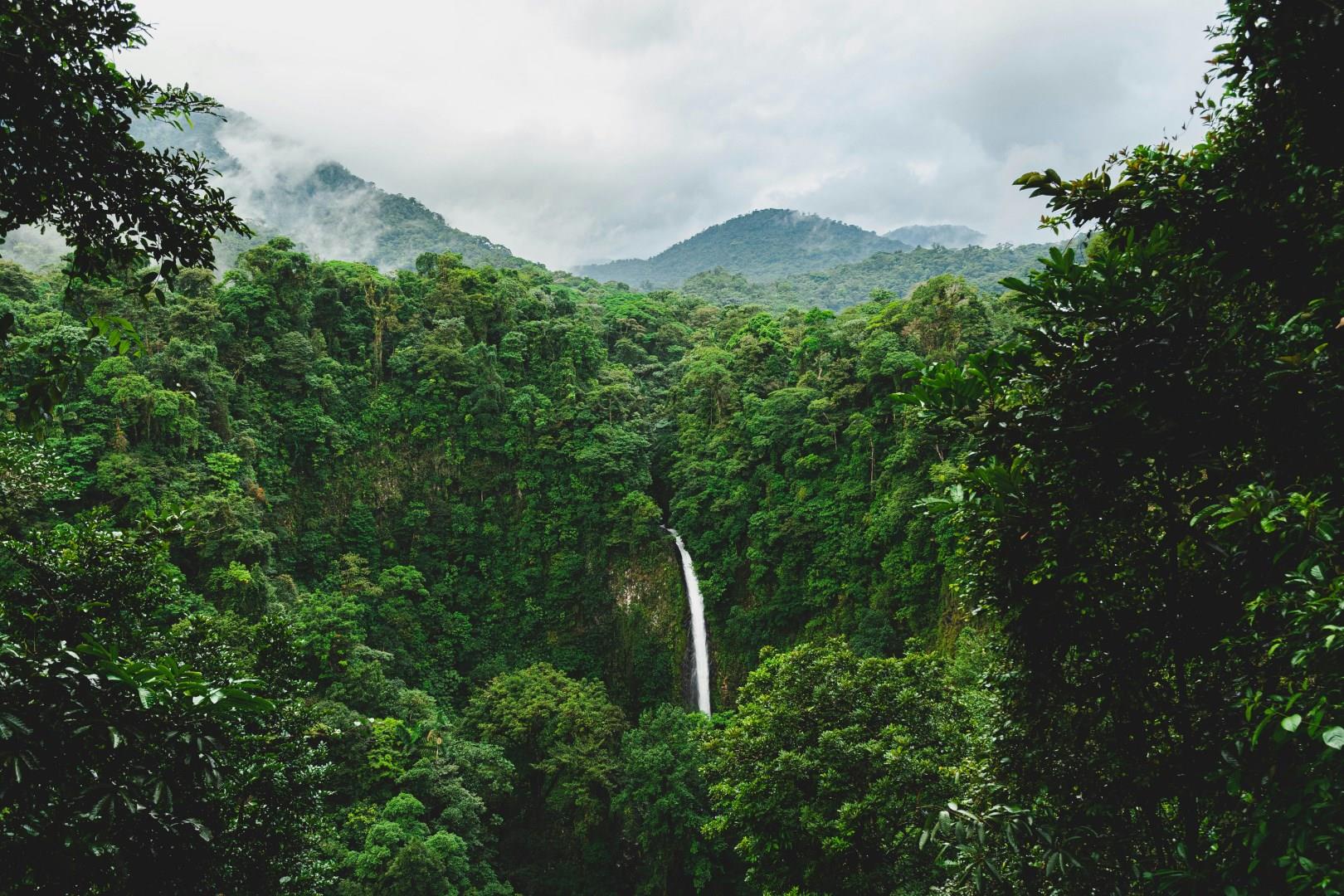
La Fortuna
La Fortuna is a town in northern Costa Rica, located in the San Carlos region at the base of Arenal Volcano. It is known for rainforest landscapes, geothermal hot springs, and outdoor activities connected to the surrounding mountains and rivers.
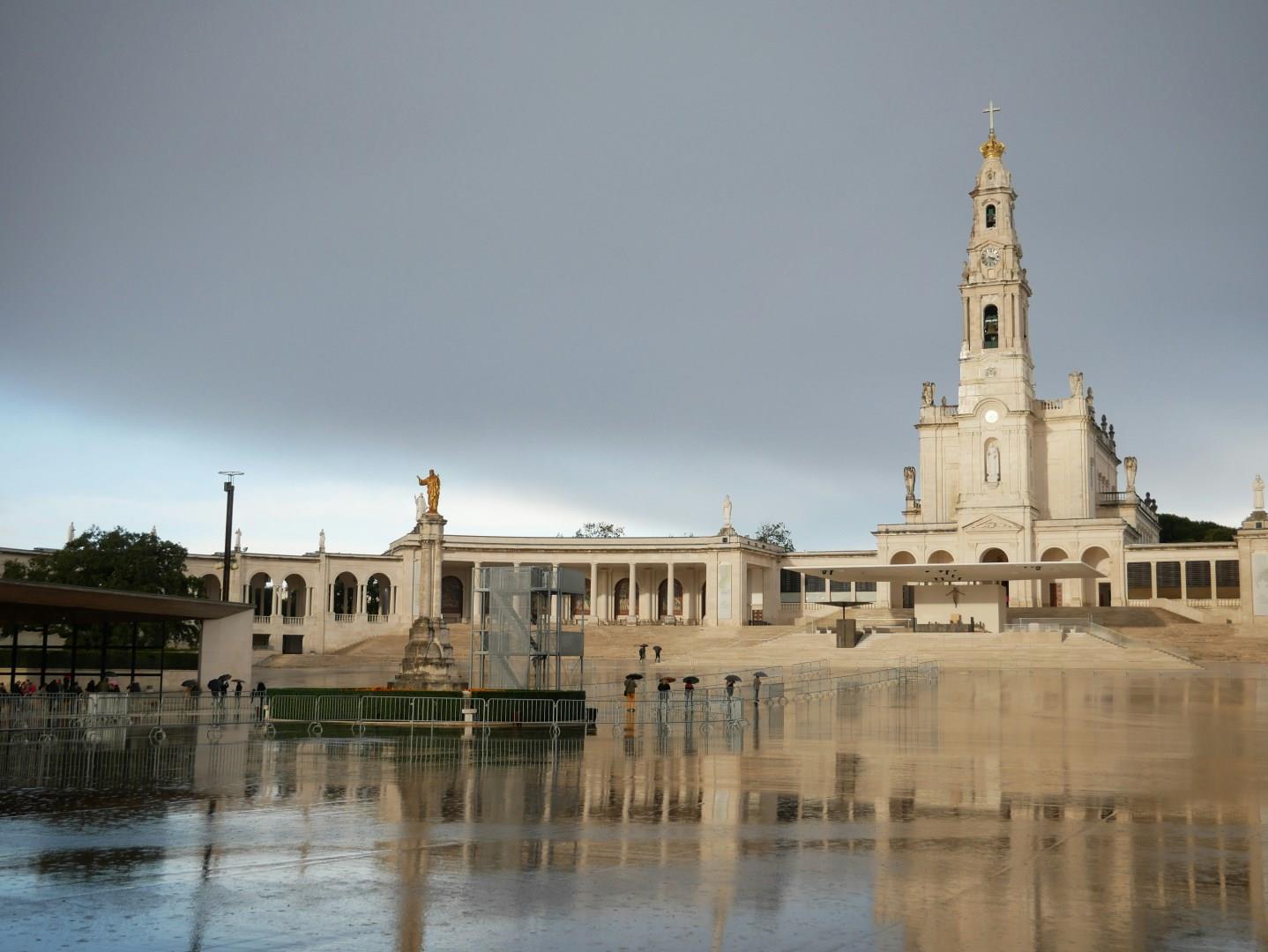
Fatima
Fátima, a small town in central Portugal, has become one of the most significant pilgrimage sites in the world, drawing millions of visitors annually. The Sanctuary of Fátima, a sprawling complex of religious buildings and monuments, stands at the heart of the town. Pilgrims from all over the globe come to light candles, attend mass, and walk the sacred paths in reverence.

Canterbury
Canterbury is a large region on New Zealand’s South Island, stretching from the Pacific coast across the broad Canterbury Plains to the Southern Alps. Its landscape changes from farmland and vineyards to high mountains, glacial lakes, braided rivers, and rugged coastline. Christchurch, the region’s main city, provides a cultural and urban centre with the Botanic Gardens, Avon River, museums, galleries, and distinctive post-earthquake architecture.
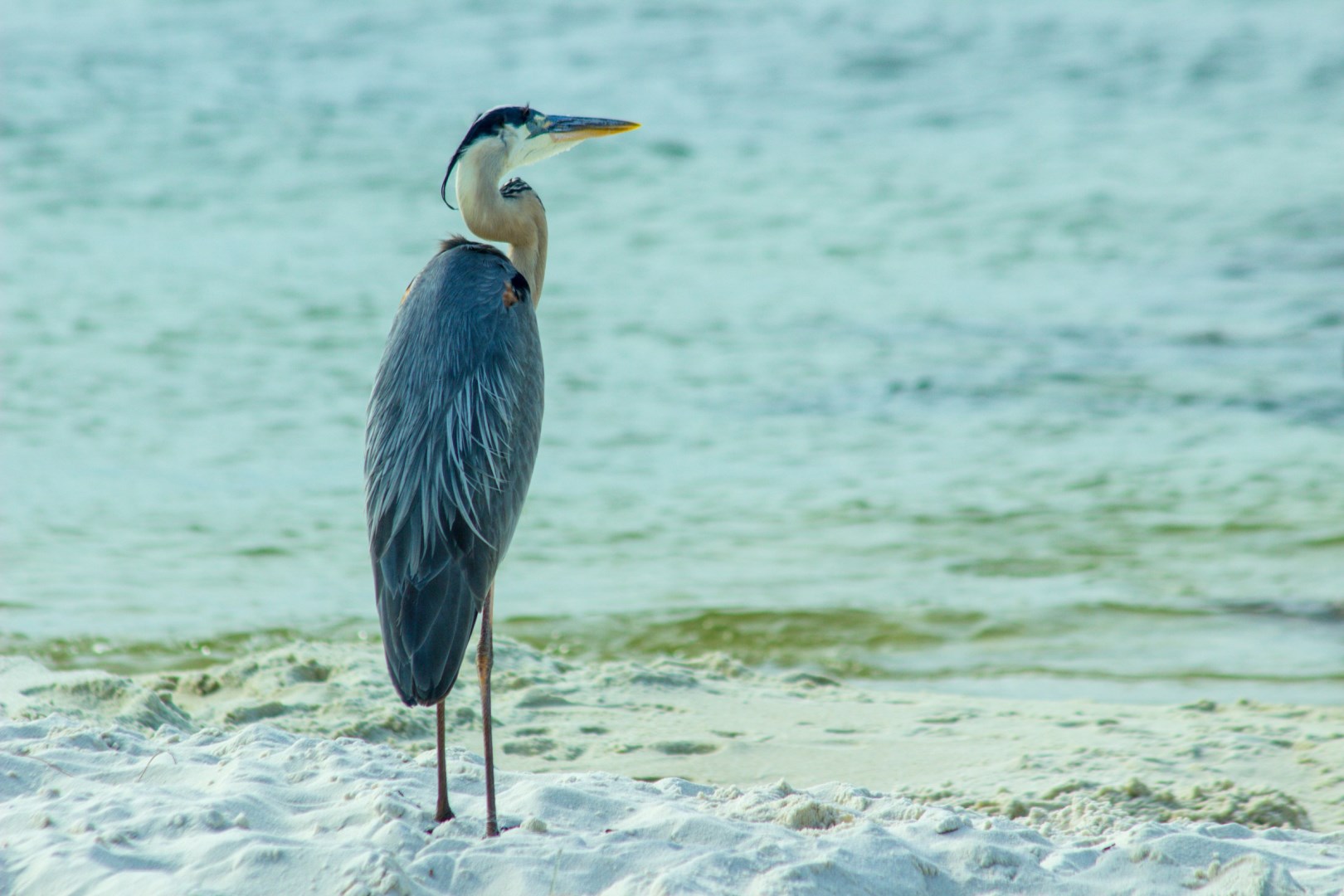
Pensacola
Pensacola is a coastal city in Florida’s western Panhandle, situated around Pensacola Bay near the Gulf of Mexico. Its deep natural harbor has shaped the city’s identity as a port, naval centre, and coastal community. Downtown Pensacola contains historic streets, museums, restaurants, and public squares, while Pensacola Beach lies across the bay on Santa Rosa Island. The city is also closely associated with naval aviation, earning recognition as the “Cradle of Naval Aviation.”
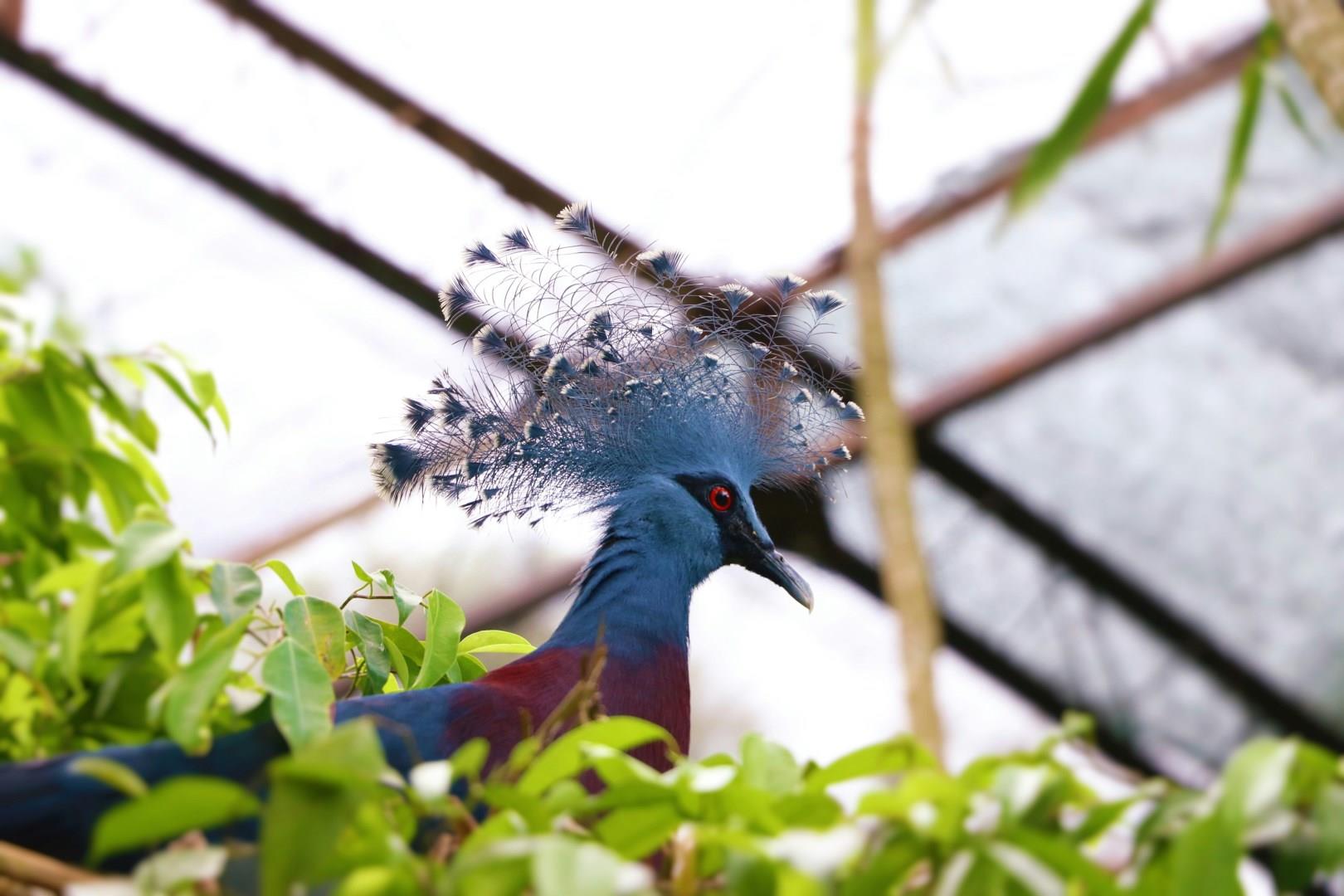
Port Moresby
Port Moresby sits by the Coral Sea as Papua New Guinea’s capital and shows visitors a city of contrasts where glittering new buildings rise beside traditional villages built on stilts. One such place is Hanuabada, the original Motuan village, where roofs reach above water’s edge and everyday life still unfolds in Tok Pisin and local tongue.
