
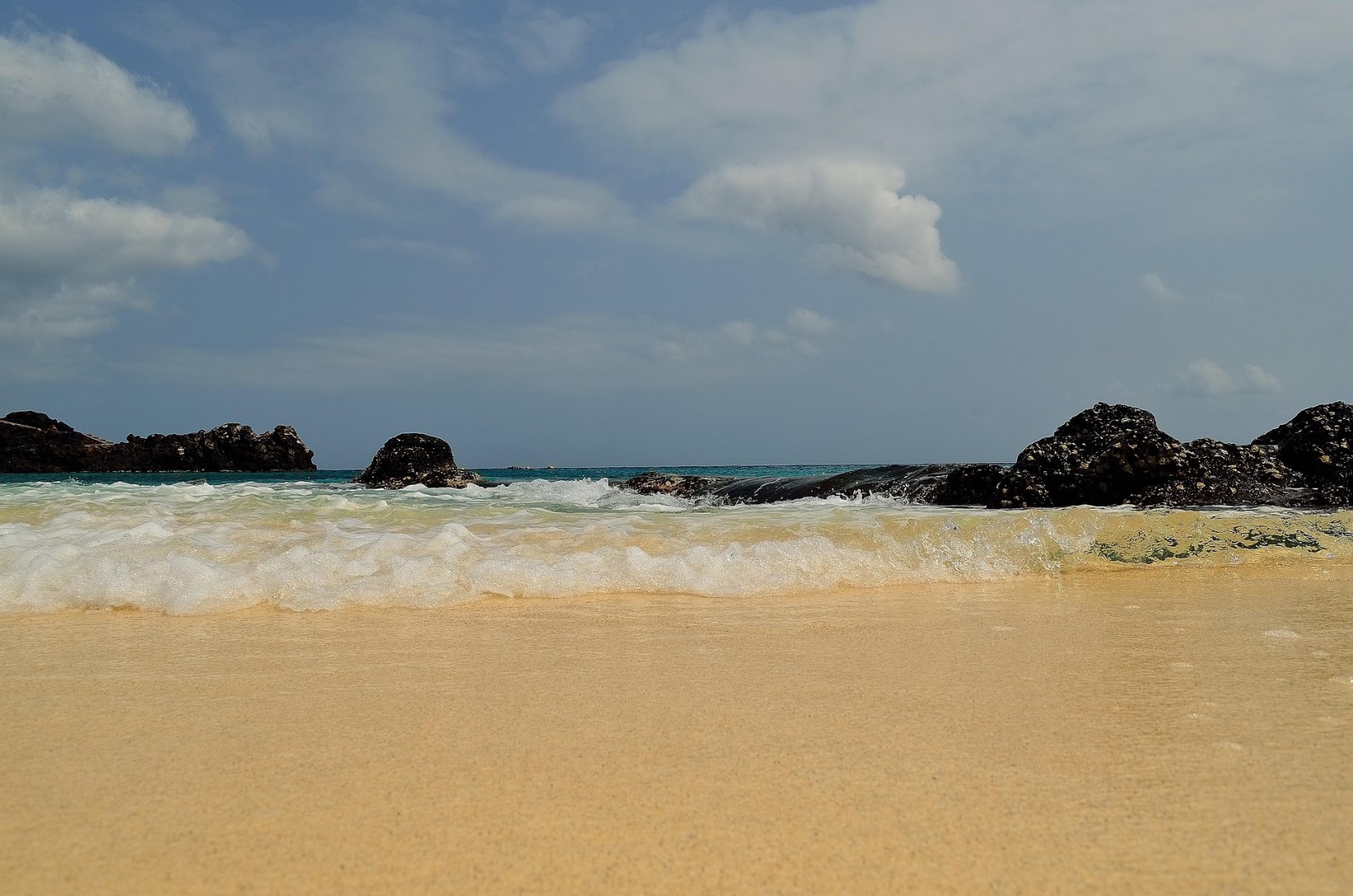
Ascension
Ascension island, British dependency of St. Helena, in the South Atlantic Ocean, about midway between Africa and South America and 700 miles northwest of St. Helena. The small, volcanic island was sighted by the Portuguese in 1501, but it was uninhabited until the exile of Napoleon to St. Helena in 1815.
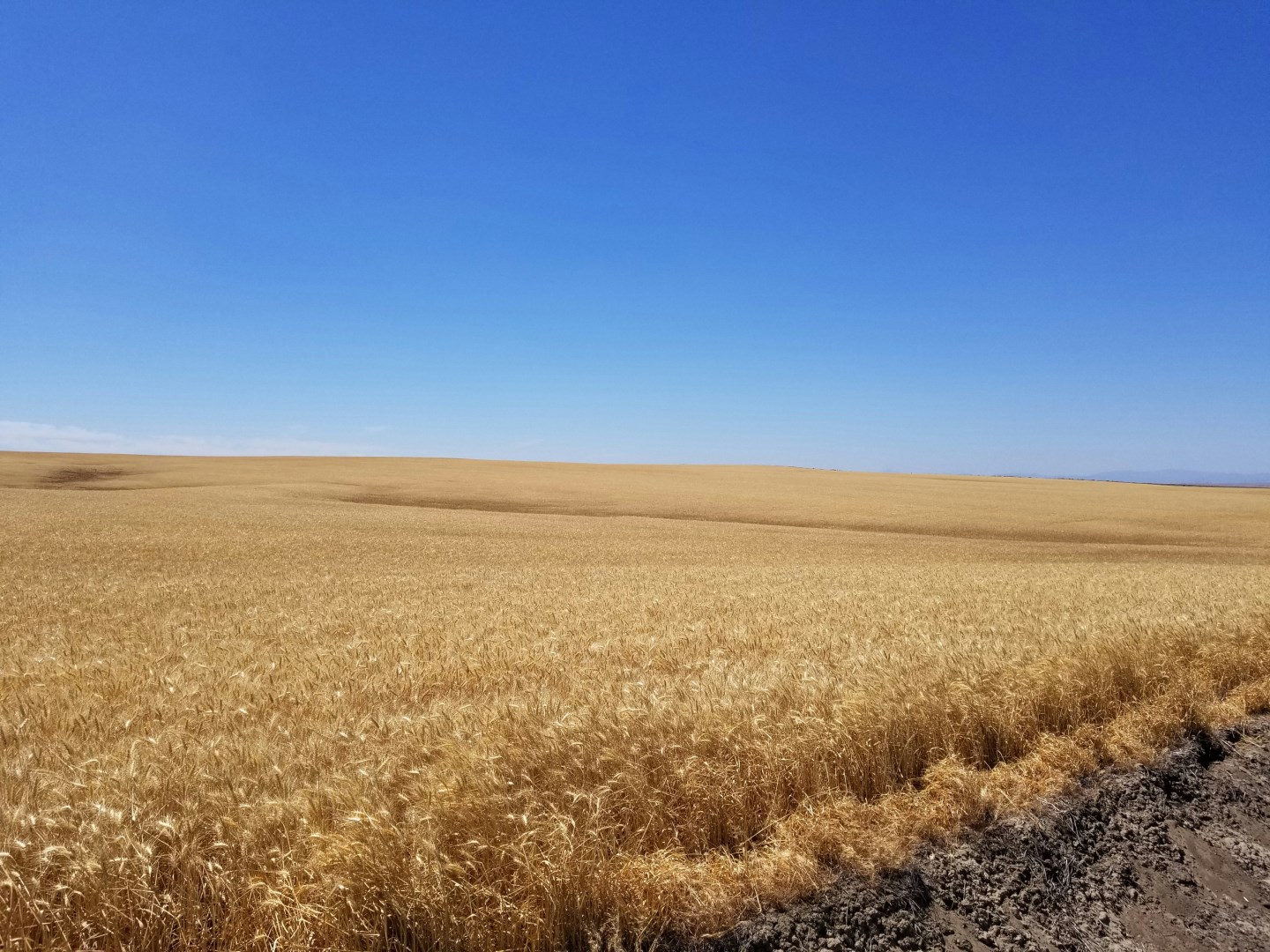
Pendleton
Pendleton, Oregon, sits in the heart of the high desert region, where wide open skies meet rolling wheat fields and the rugged Blue Mountains. The city is widely recognized for its rich history in ranching, railroads, and wool production, which visitors can explore through preserved buildings and museums. Downtown Pendleton features brick storefronts, murals, and sculptures that reflect the city’s connection to both the frontier and the railroad era.
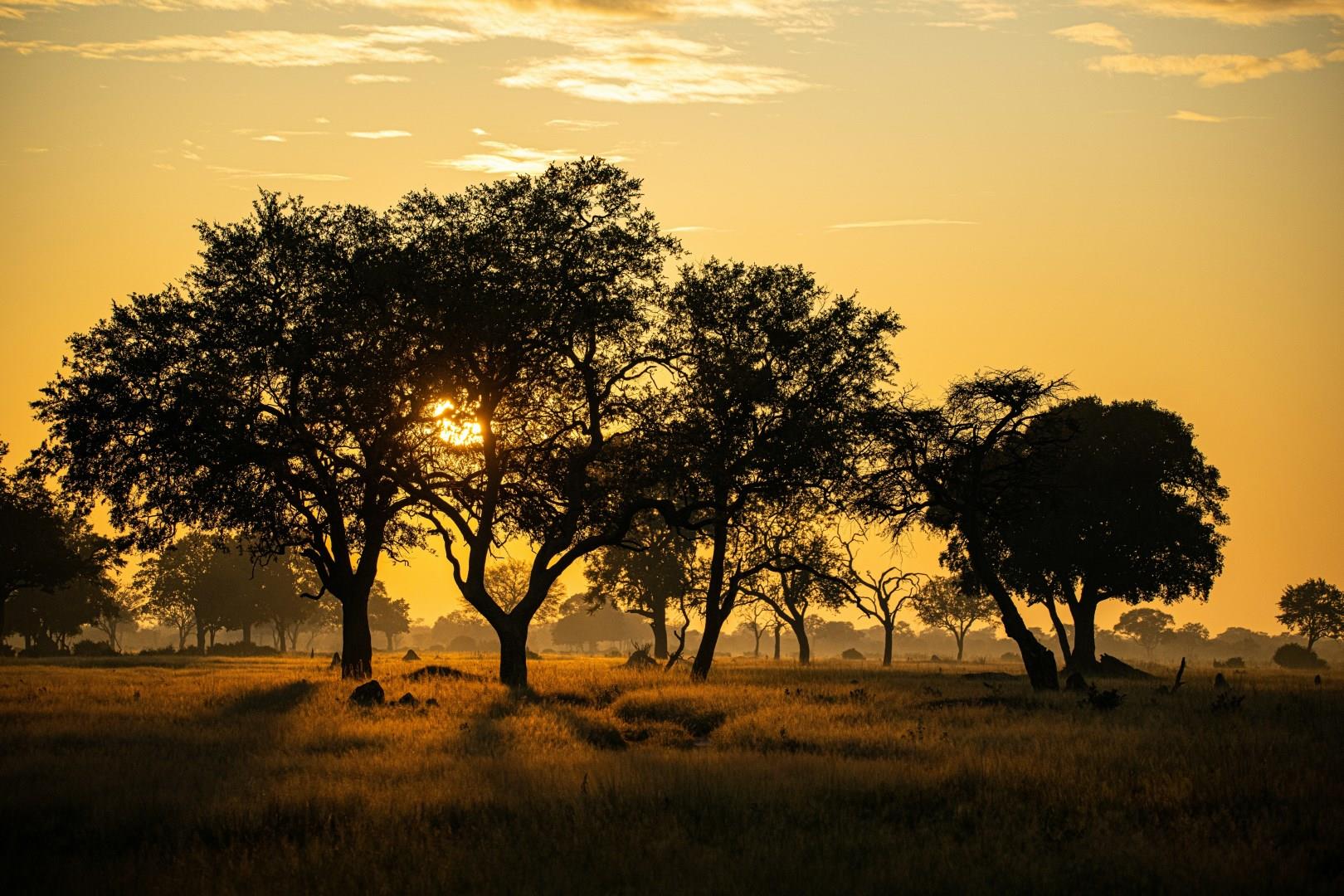
Hwange National Park
Hwange National Park, located in western Zimbabwe, is the country’s largest protected area and one of Africa’s premier wildlife reserves. Covering more than 14,600 square kilometers, it is renowned for its extraordinary diversity of animals and habitats.
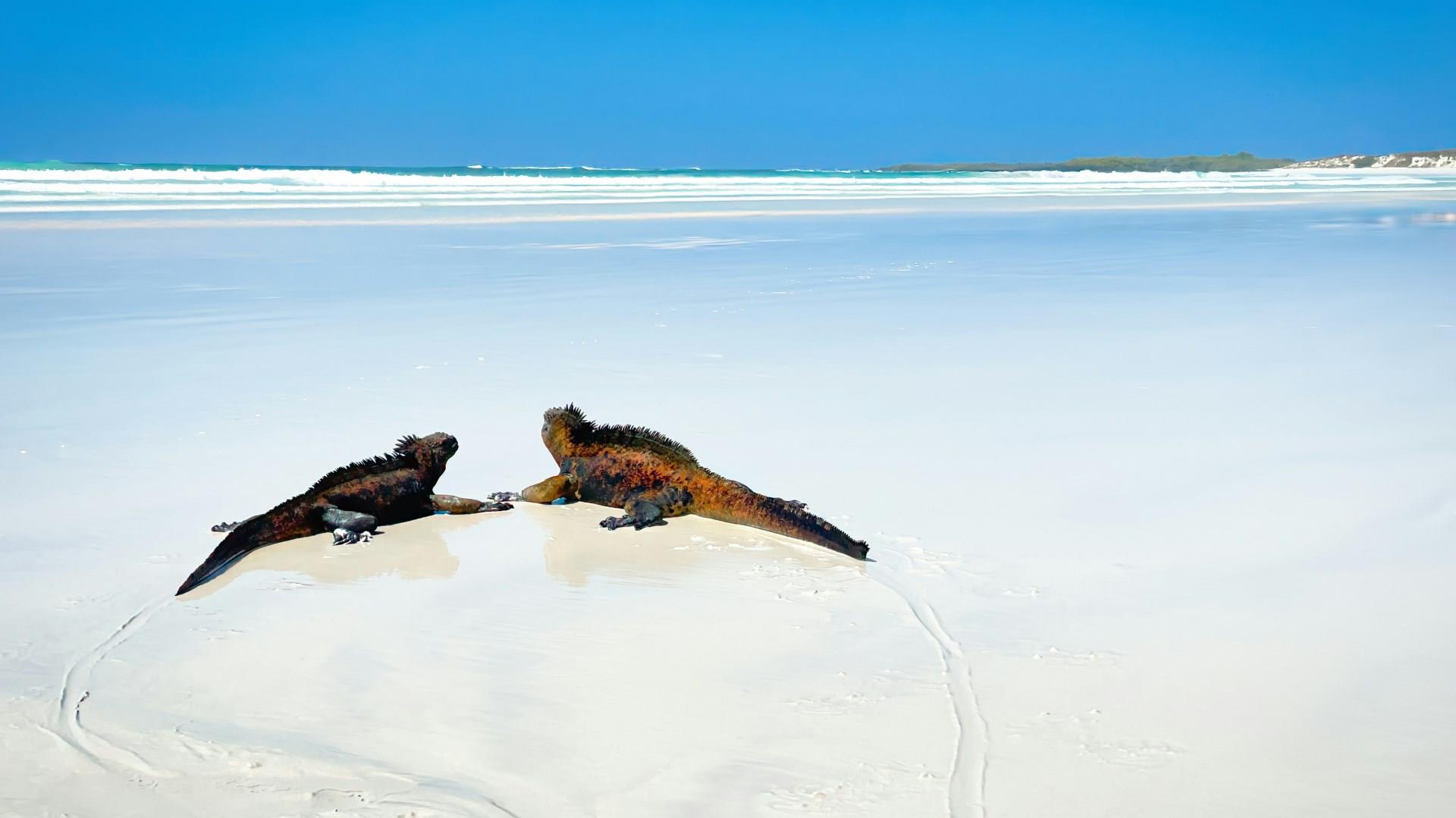
Santa Cruz Island
Santa Cruz Island is the beating heart of the Galápagos and is home to the largest town in the archipelago, Puerto Ayora, and a key access point for travelers exploring this unique region. But beyond its small port and shops, the island reveals a surprising range of ecosystems, from black lava shores to lush highlands where giant tortoises roam freely.
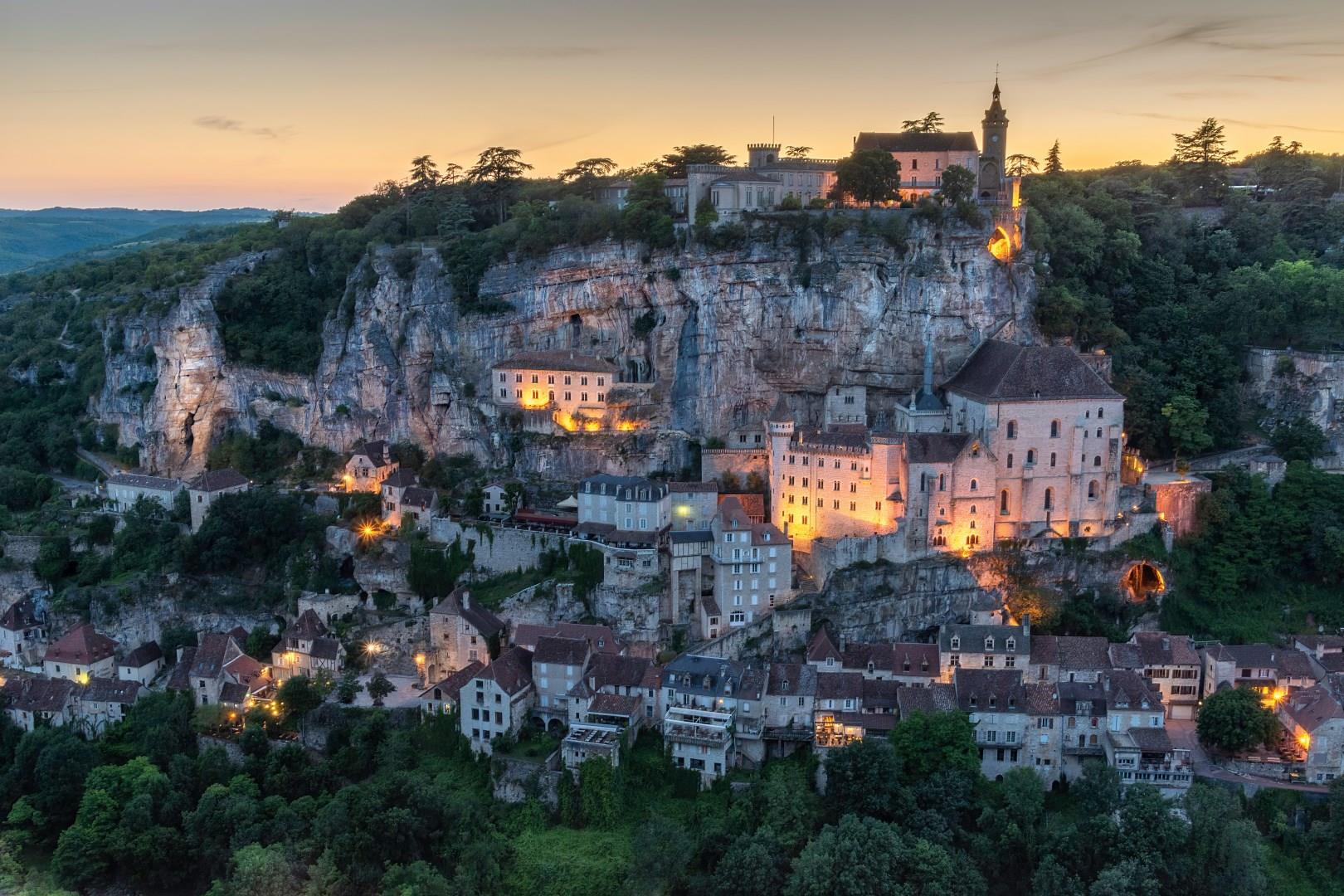
Rocamadour
Rocamadour is a remarkable village set against a steep limestone cliff in the Lot department of southwestern France. Its stone buildings, narrow lanes and ancient sanctuaries rise in stages above the Alzou River valley, giving the settlement a striking silhouette that has drawn visitors for centuries. Pilgrims have come here since the Middle Ages to see the Black Madonna in the Chapelle Notre-Dame and to walk the Chemin de Croix.
