
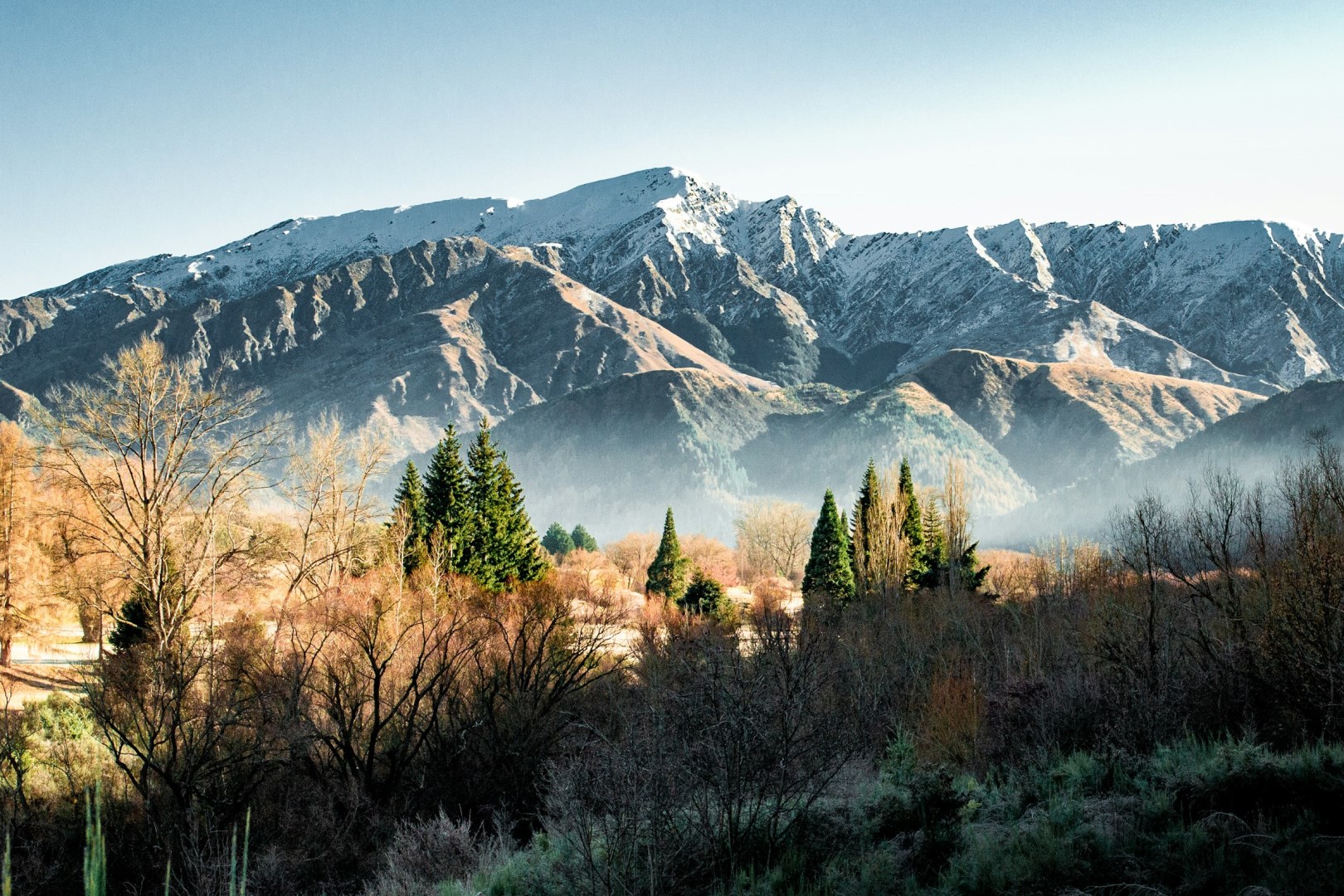
Arrowtown
Arrowtown, New Zealand, is a quaint town steeped in gold rush history, nestled along the Arrow River in the Otago region. The town’s heritage buildings, many carefully preserved from the 19th century, offer a glimpse into its past as a thriving mining settlement.
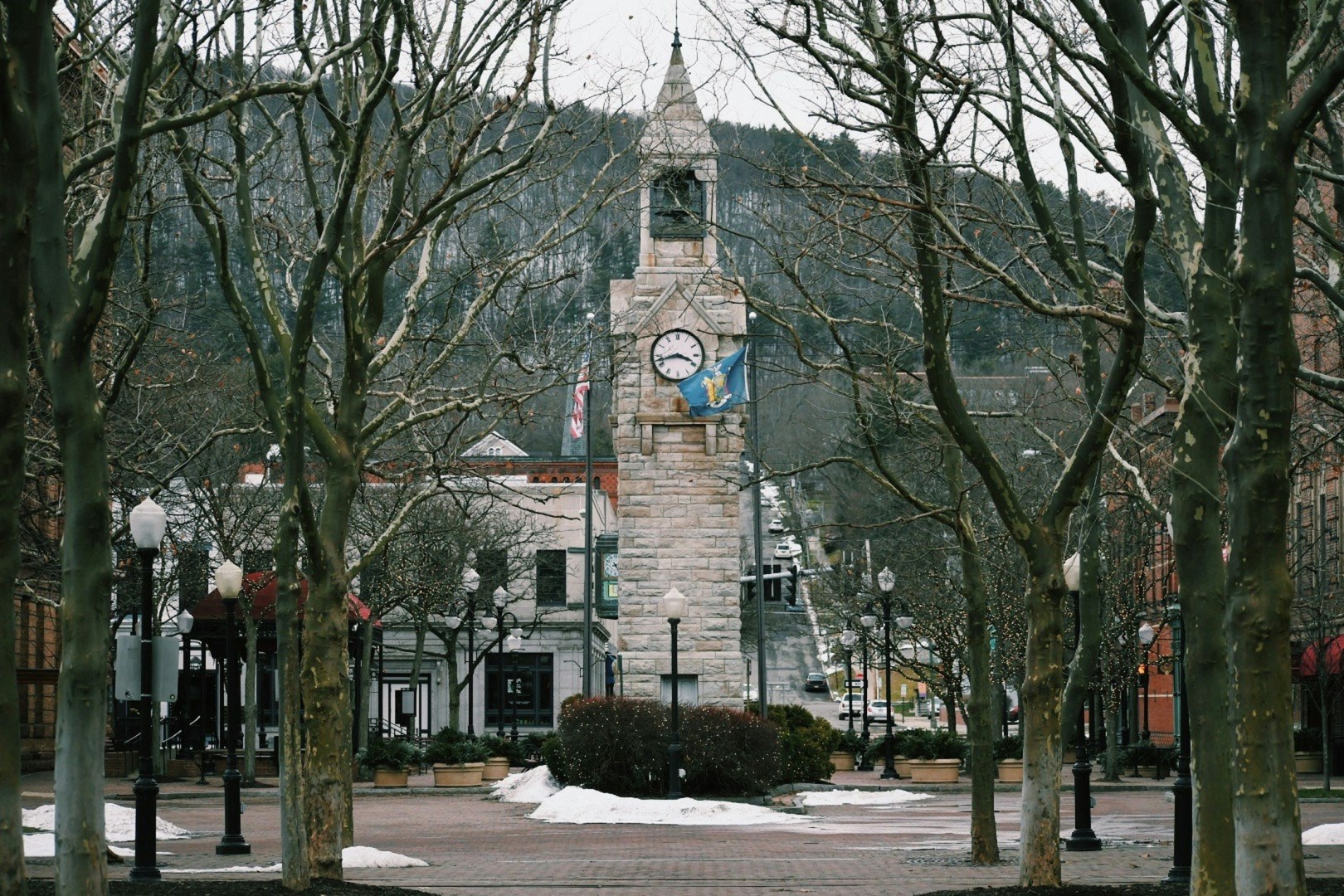
Corning
Corning is a small city in New York’s southern Finger Lakes region, set along the Chemung River and known internationally for its connection to glassmaking. The city combines a compact downtown with historic buildings, museums, galleries, and access to the surrounding hills and waterways. Market Street forms the center of the Gaffer District, where shops, restaurants, cafés, and local businesses occupy restored storefronts.
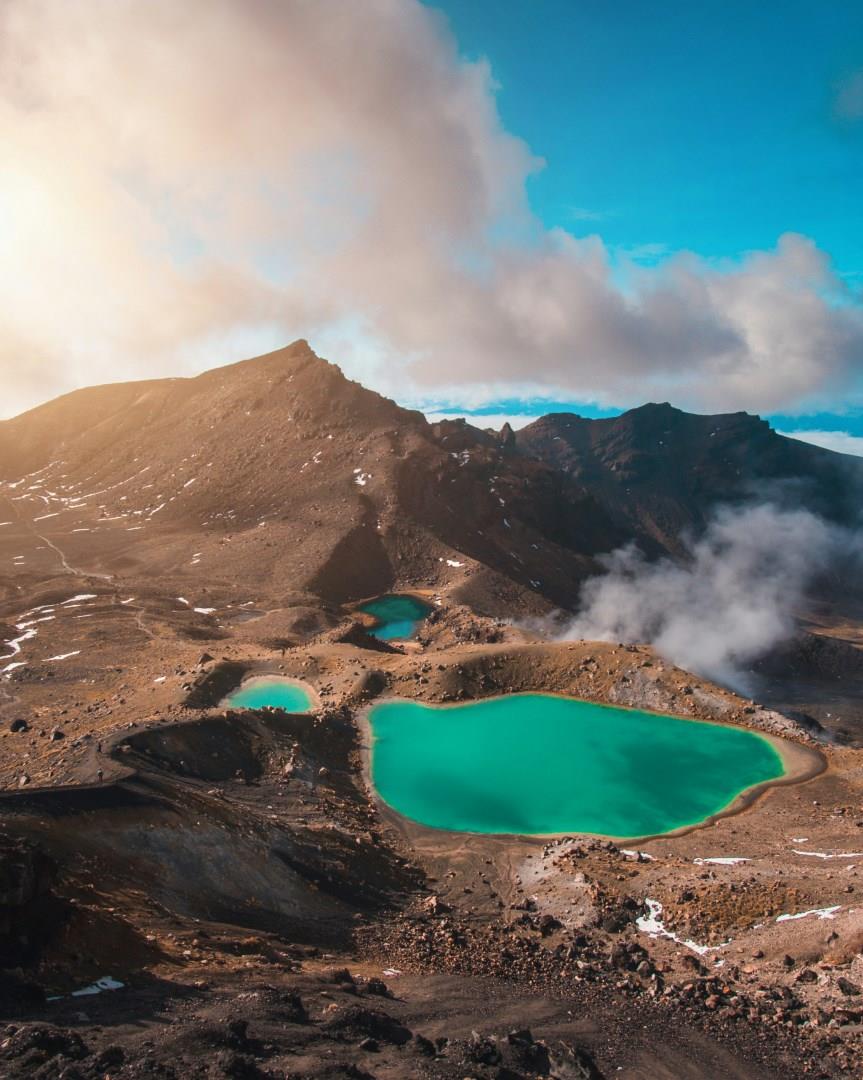
Tongariro National Park
Tongariro National Park, on New Zealand’s North Island, holds deep cultural meaning as well as striking geological presence. It was the country’s first national park, gifted to the nation by Ngāti Tūwharetoa chiefs in the 19th century, establishing a model that tied conservation to Māori guardianship. The volcanic peaks of Tongariro, Ngāuruhoe, and Ruapehu are considered ancestors, giving the landscape a living cultural identity rather than a purely scenic one.
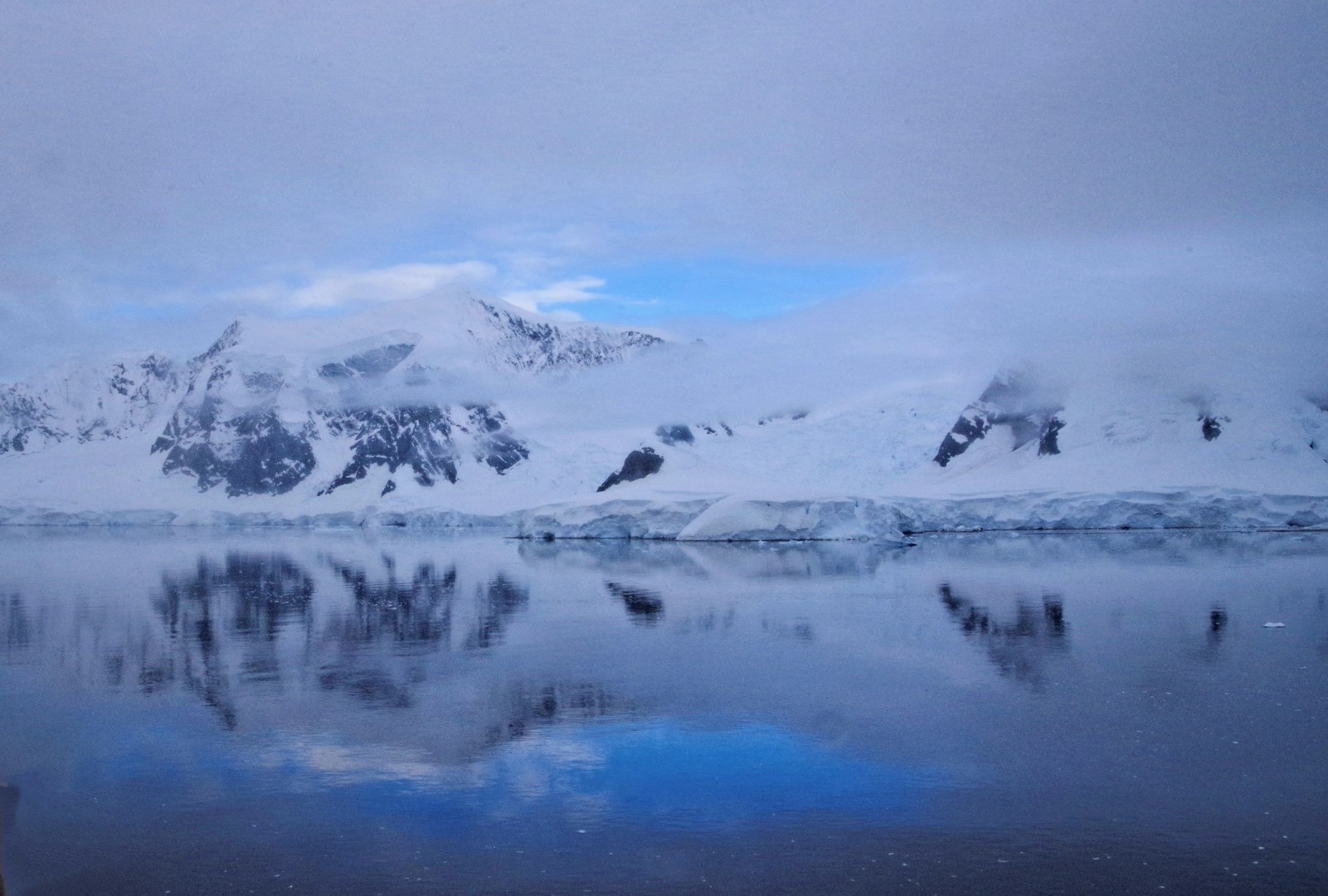
Charlotte Bay
Charlotte Bay is best known for its combination of glacial scenery and marine wildlife. The surrounding mountains descend toward heavily glaciated coastlines, while the bay itself can contain floating sea ice and icebergs of varying sizes. Whales are regularly encountered in the waters of the Antarctic Peninsula, and seals may also be seen around ice and along the shoreline.

Braşov
Nestled in the heart of Romania, Brașov is a charming city that effortlessly blends medieval history with stunning natural beauty. Encircled by the Carpathian Mountains, Brașov's well-preserved medieval architecture and vibrant cultural scene make it a must-visit destination.
