

Hakone
Nestled in the mountains just 90 minutes from Tokyo, Hakone has long been a retreat for travelers seeking both quiet and culture. Once a crucial checkpoint on the historic Tōkaidō road between Edo and Kyoto, Hakone is still shaped by centuries of history. The reconstructed Hakone Sekisho (Hakone Checkpoint) offers a glimpse into the Edo Period, when travelers were inspected by samurai guards before continuing on their journey.

Sarapiquí
Sarapiquí is a rural region in northeastern Costa Rica, known for its network of rivers, rainforest reserves, and agricultural landscapes. Centered around Puerto Viejo de Sarapiquí, the area serves as a gateway to the Caribbean lowlands while remaining distinct from coastal destinations.
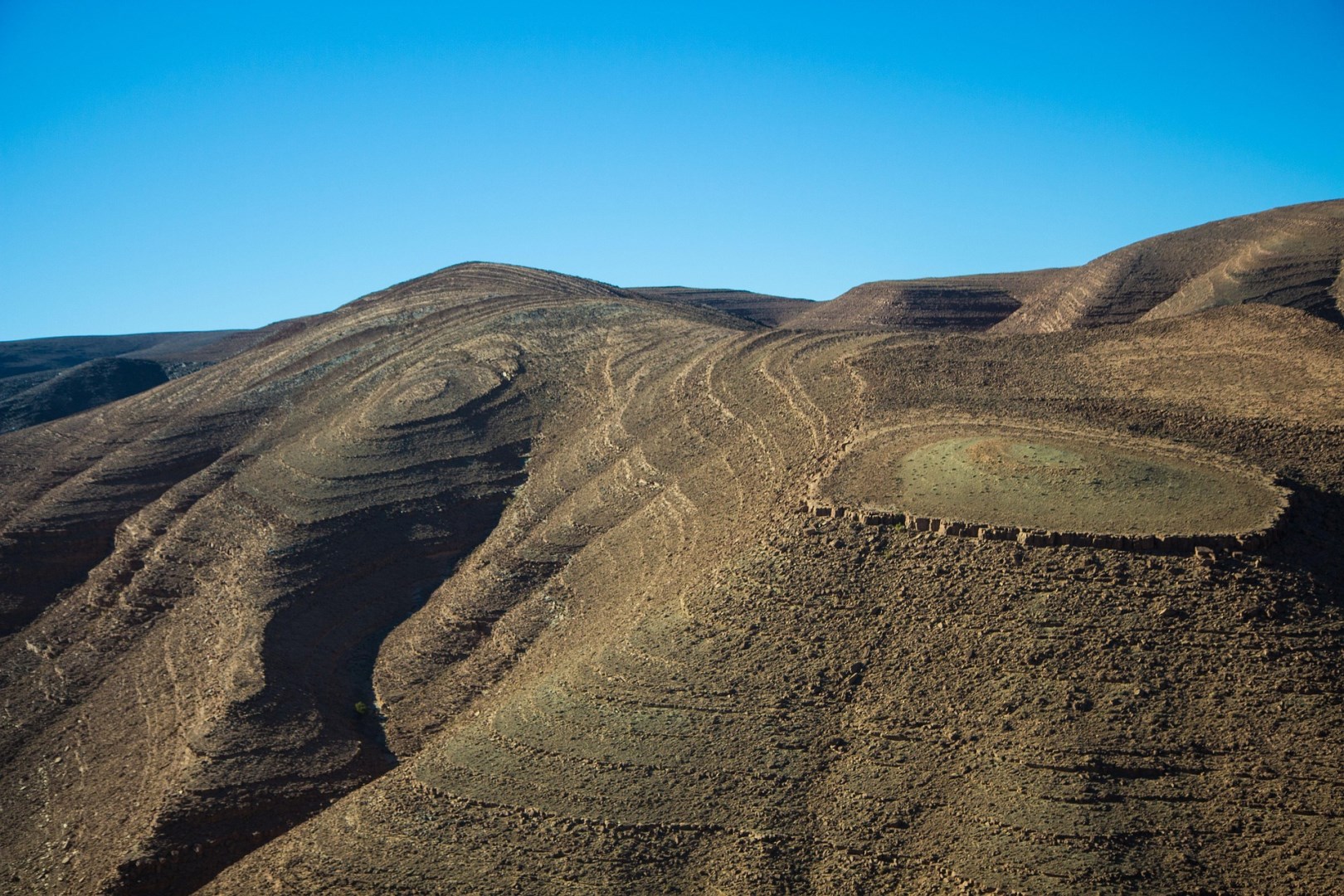
Atlas Mountains
The Atlas Mountains extend across Morocco, Algeria and Tunisia, forming a vast system of ranges between the Mediterranean and Atlantic coasts and the Sahara.

Oslob
Oslob is a coastal municipality in southern Cebu, Philippines, facing the Bohol Strait. The area combines a historic town center with fishing communities, beaches, coral-rich waters, and mountainous terrain rising inland. Oslob is best known for its marine tourism, particularly whale shark encounters, but it also has cultural and natural attractions away from the coast.
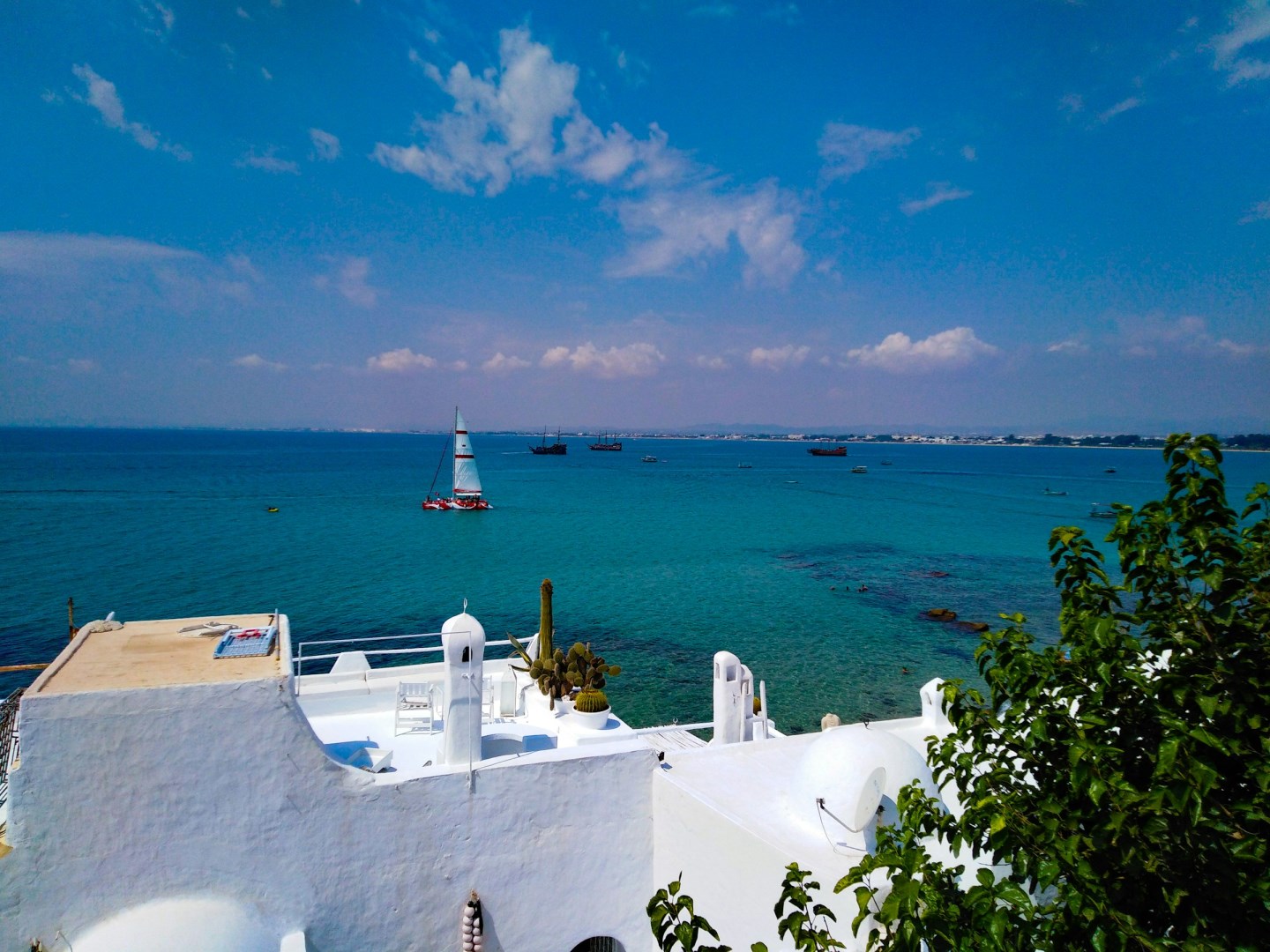
Hammamet
Hammamet is a coastal town on Tunisia’s Cap Bon peninsula, known for its sandy beaches, whitewashed houses, jasmine gardens, and historic medina beside the Mediterranean. The town combines a long-established fishing and agricultural identity with a major seaside tourism district, including Yasmine Hammamet to the south.
