
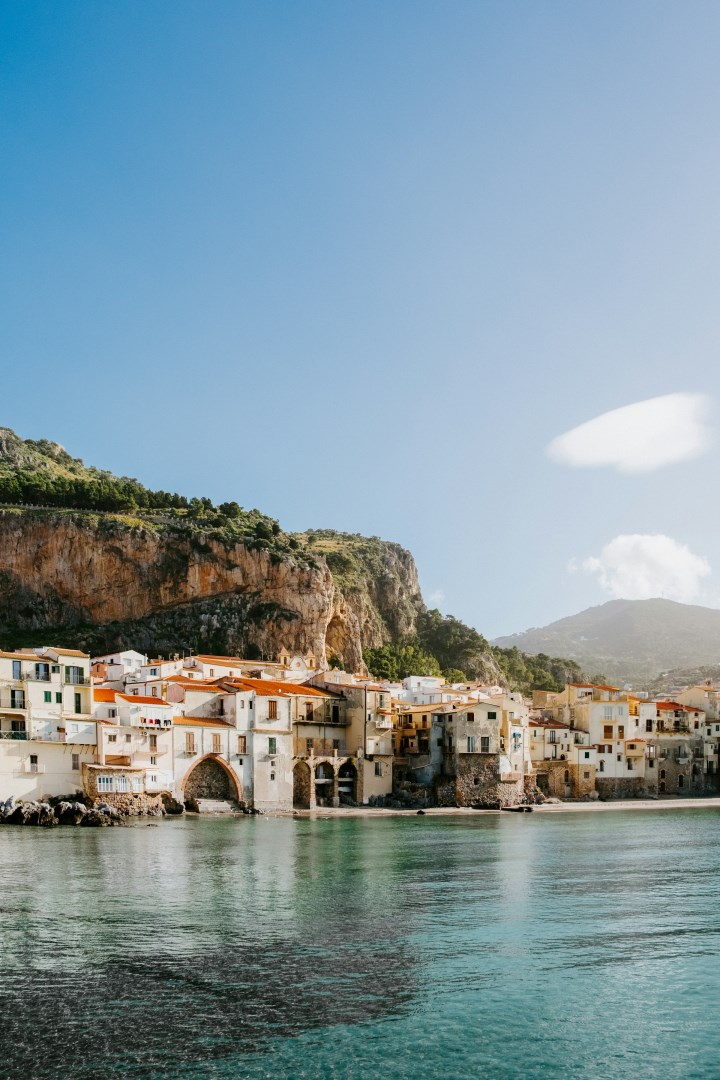
Cefalù
Cefalù is a coastal town on Sicily’s northern shore, set between the Tyrrhenian Sea and the steep slopes of La Rocca, the large limestone outcrop that rises directly behind the historic center. Its old town is arranged around narrow stone streets leading toward Piazza Duomo, while a sandy beach stretches beside the settlement below the town walls. The combination of a compact historic core, prominent mountain, and seafront gives Cefalù a distinctive physical setting.
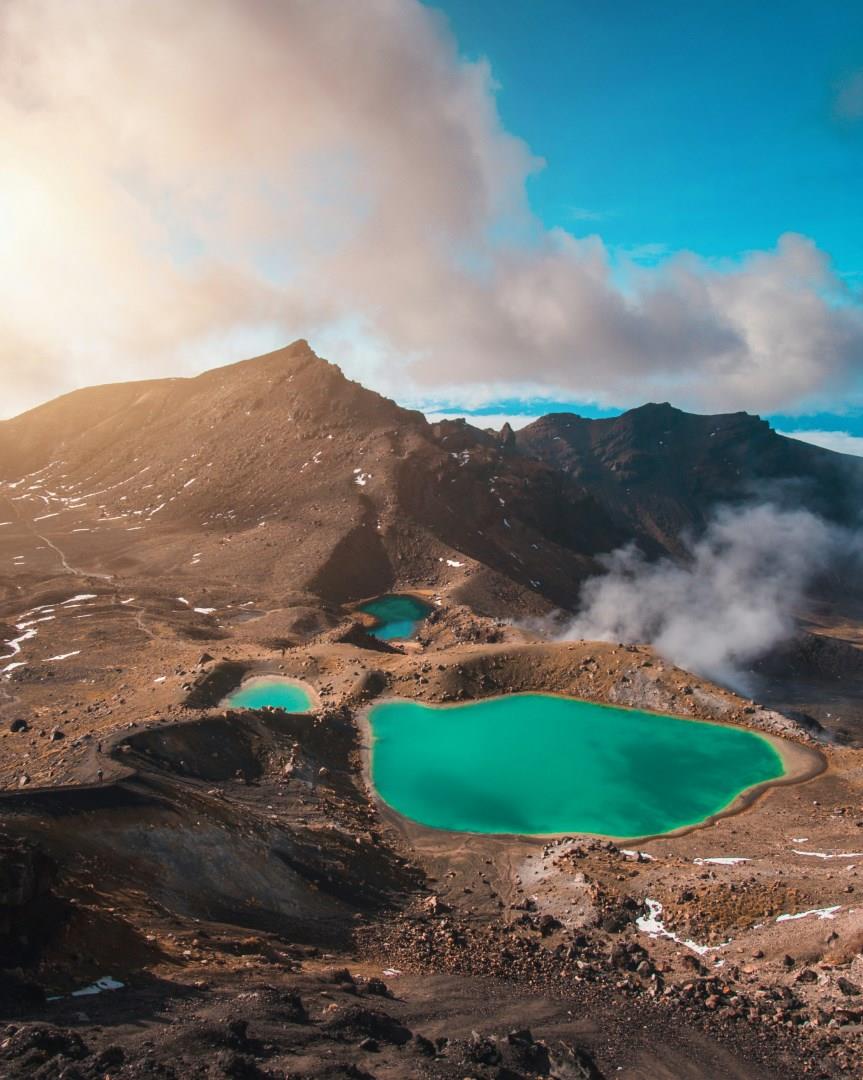
Tongariro National Park
Tongariro National Park, on New Zealand’s North Island, holds deep cultural meaning as well as striking geological presence. It was the country’s first national park, gifted to the nation by Ngāti Tūwharetoa chiefs in the 19th century, establishing a model that tied conservation to Māori guardianship. The volcanic peaks of Tongariro, Ngāuruhoe, and Ruapehu are considered ancestors, giving the landscape a living cultural identity rather than a purely scenic one.
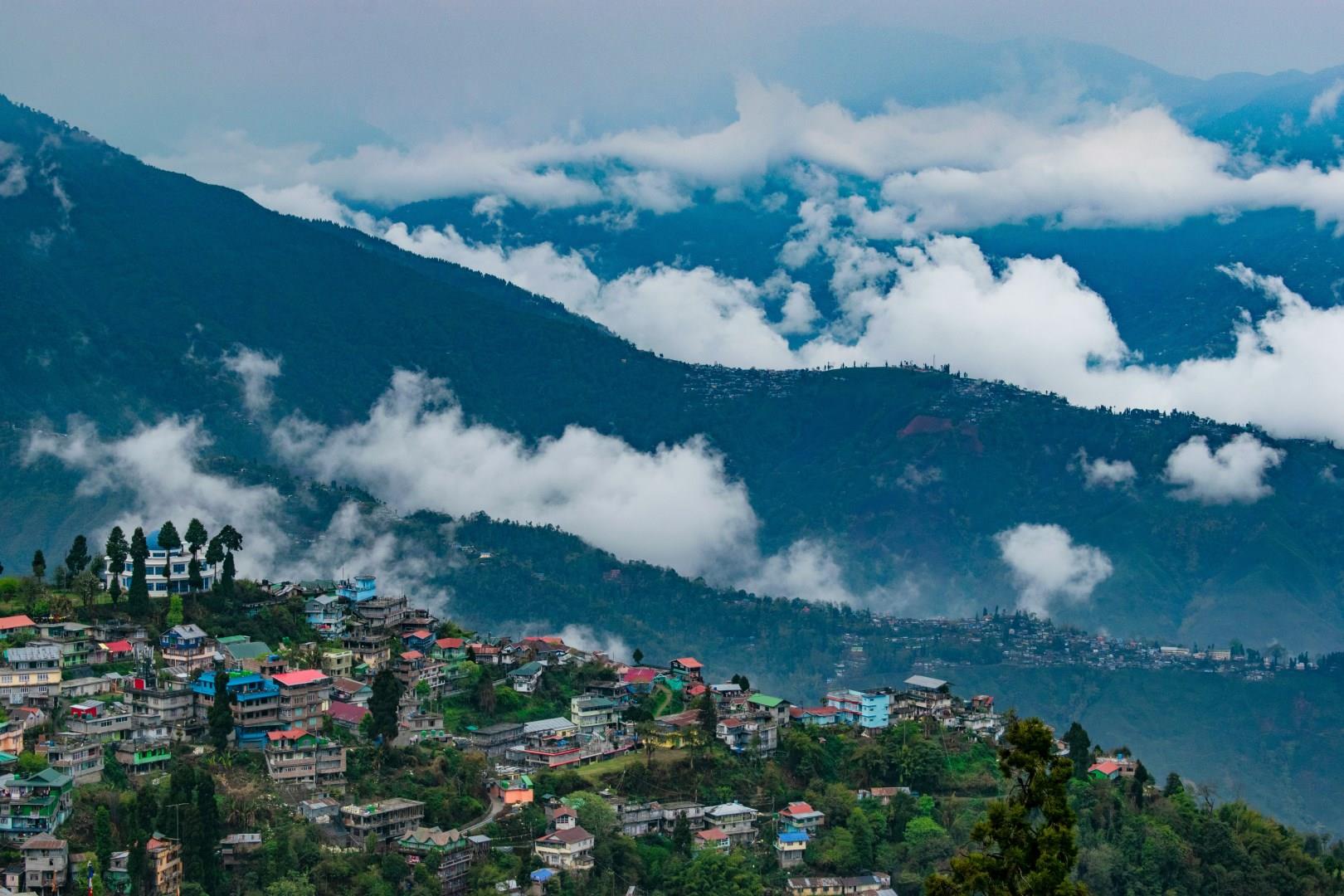
Darjeeling
Darjeeling sits along a ridge in the eastern Himalaya, shaped by colonial history and long-standing ties to the surrounding hills.
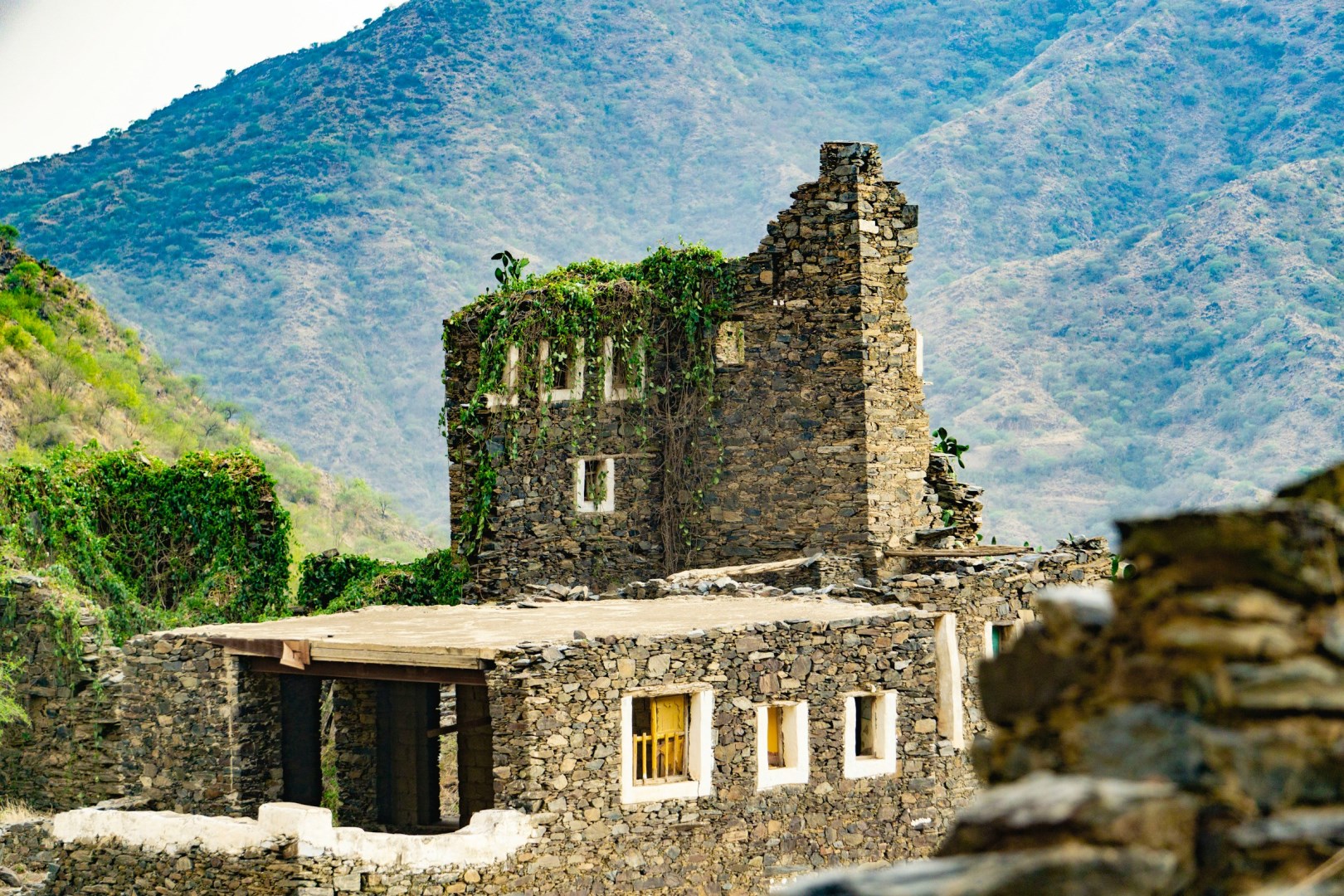
Abha
Abha, the capital of Saudi Arabia’s Asir Province, is a scenic mountain city set nearly 2,200 meters (7,200 feet) above sea level in the Sarawat Mountains. Known for its mild climate, lush green hills, and misty peaks, it stands in striking contrast to the country’s desert landscapes.
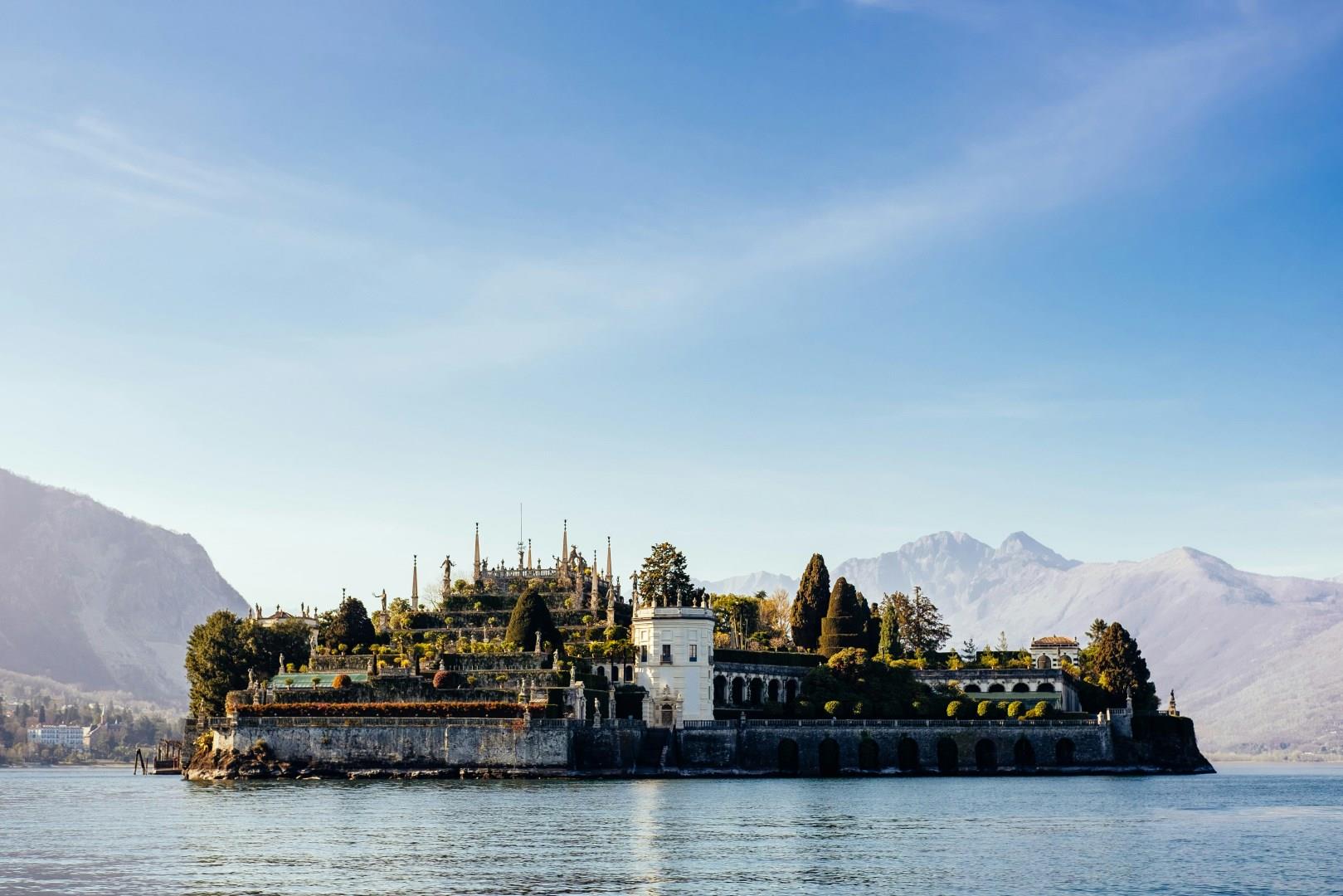
Lake Maggiore
Lake Maggiore, straddling the border of northern Italy and southern Switzerland, is the second-largest lake in Italy and one of the most scenically diverse. Surrounded by Alpine peaks and dotted with elegant towns, the lake has attracted visitors for centuries, including literary figures like Stendhal and Ernest Hemingway. The western shore is home to the Borromean Islands, a group of three small islands known for palaces, terraced gardens, and white peacocks that roam freely across the lawns.
