
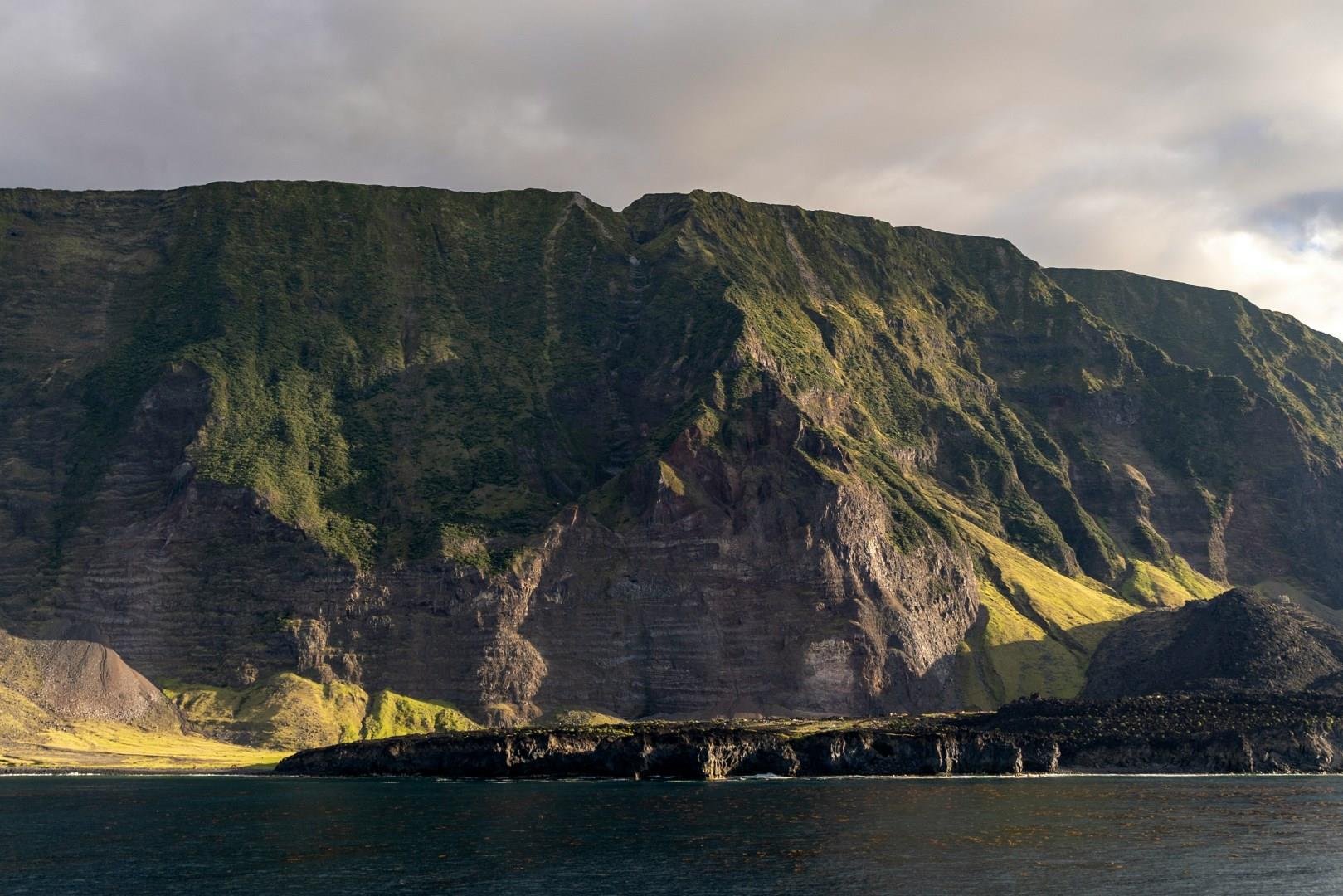
Tristan da Cunha
Tristan da Cunha is a remote volcanic island in the South Atlantic Ocean, forming part of a small archipelago along with Inaccessible Island and Nightingale Island. Known as the most isolated inhabited island in the world, it is accessible only by a week-long boat journey from South Africa.
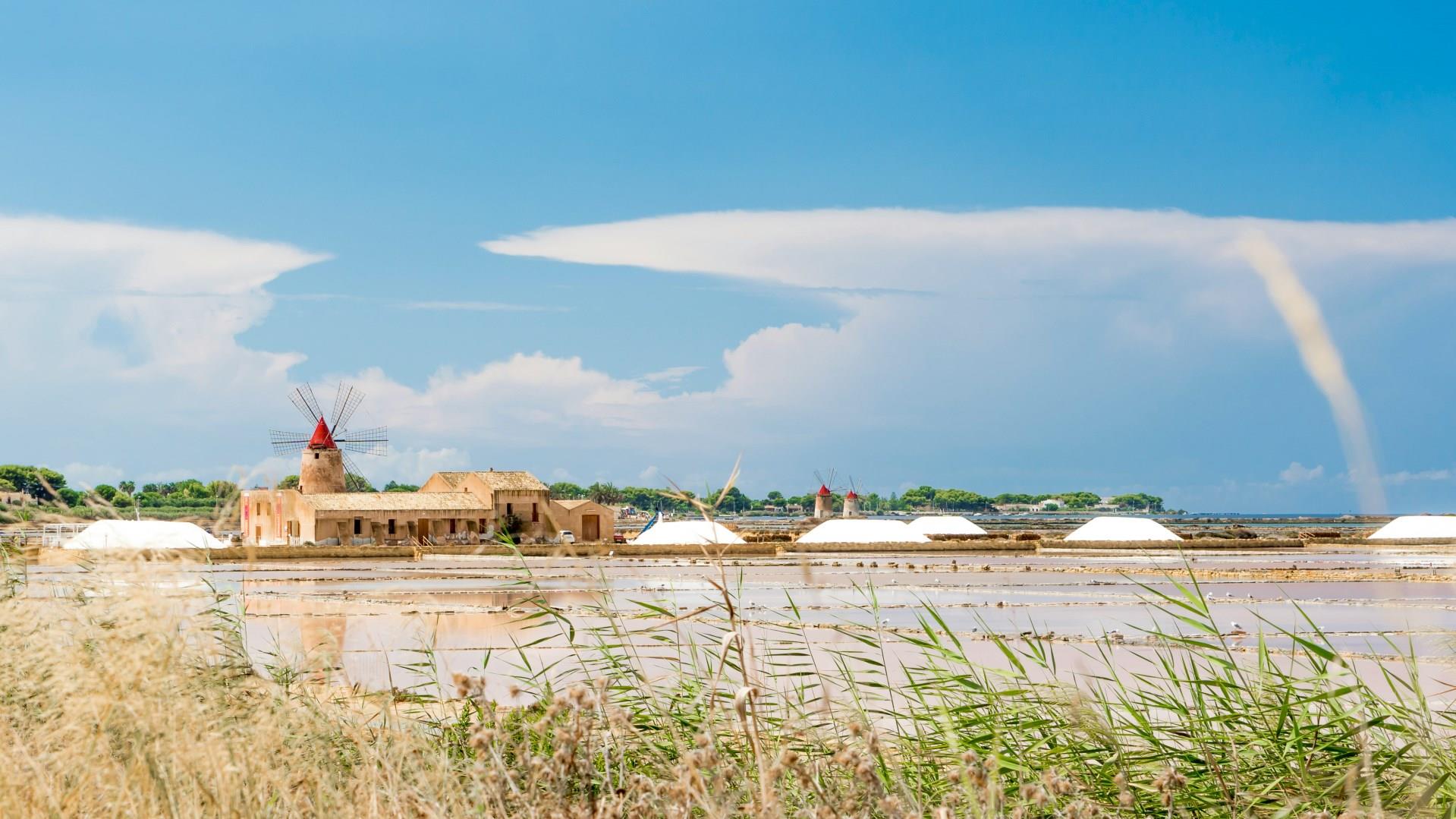
Marsala Sicily
Marsala is a coastal city in western Sicily with a long history shaped by trade, conquest, and winemaking. Founded by the Phoenicians in the 4th century BCE, it later passed through Roman, Arab, Norman, and Spanish hands, each leaving traces in the city’s layout and culture.

Dominica
Dominica, known as the “Nature Island of the Caribbean,” is a haven for eco-tourists and adventure seekers. Nestled between the French islands of Guadeloupe and Martinique, this lush island boasts a remarkable landscape of volcanic mountains, dense rainforests, and stunning waterfalls. Dominica’s most iconic natural wonder is the Boiling Lake, the second-largest hot spring in the world.

Virginia
Virginia is a state where past and present share the same ground. In places like Colonial Williamsburg, costumed interpreters walk the same streets once frequented by American revolutionaries, while nearby Jamestown and Yorktown complete what's known as the Historic Triangle. Outside its historic corridors, Virginia surprises visitors with its changing landscapes, from the rolling horse farms of Middleburg to the rugged terrain of the Blue Ridge Mountains.

Faroe Islands
The Faroe Islands, a hidden gem in the North Atlantic, offers visitors a breathtaking blend of dramatic cliffs, quaint villages, and untouched landscapes. This autonomous territory of Denmark, located between Iceland and Norway, is a dream for nature lovers and adventurers alike. The islands boast rugged coastlines, with towering cliffs like those at Vestmanna, where you can take boat tours to witness seabirds nesting on the rock faces.
