
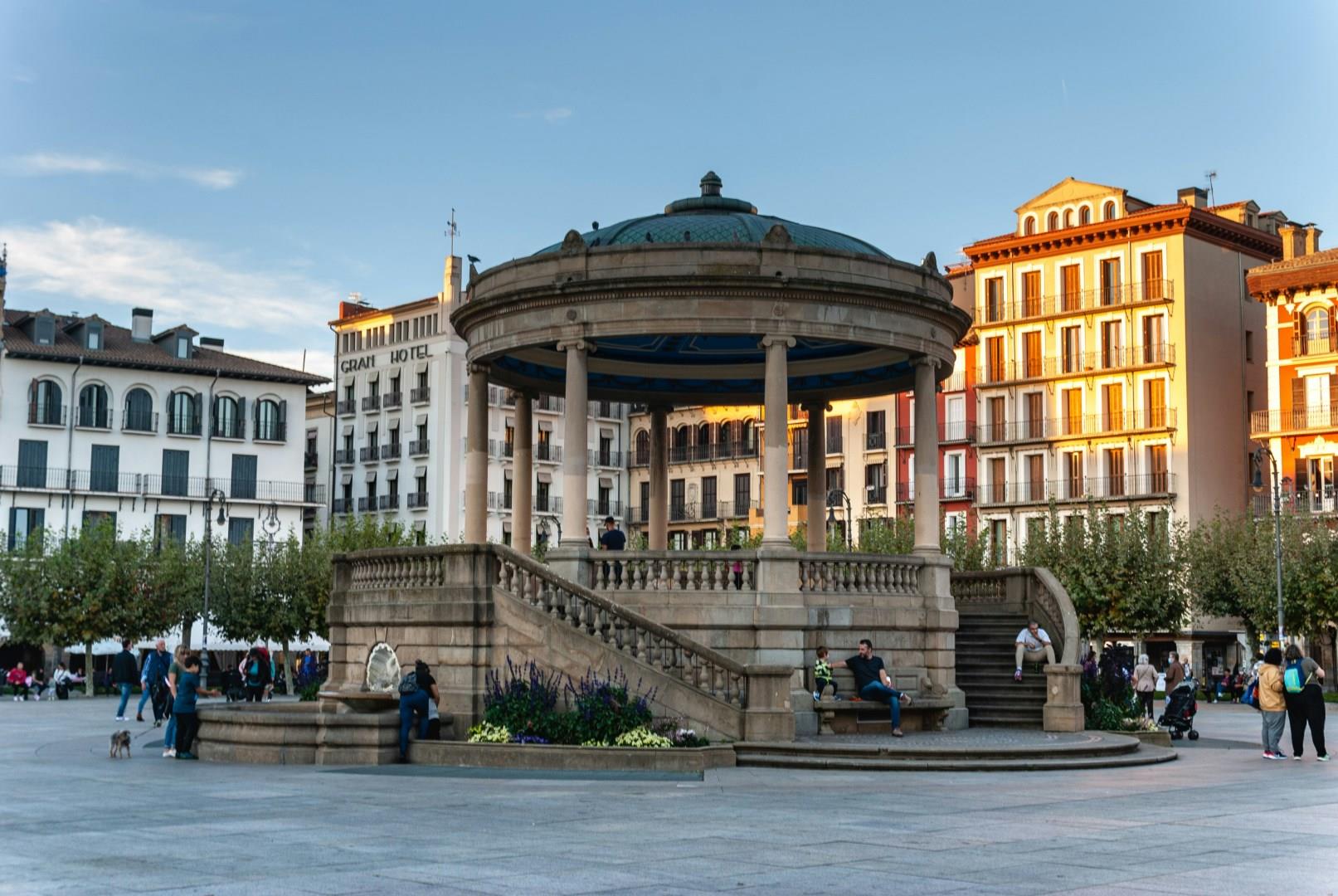
Pamplona
Pamplona, the capital of Spain’s Navarre region, is best known worldwide for the Running of the Bulls during the San Fermín festival each July. But beyond the brief rush of that event lies a city steeped in medieval history, Basque influence, and a slower pace that surprises many visitors. One of the most significant aspects of Pamplona is its place on the Camino de Santiago, the ancient pilgrimage route to Santiago de Compostela.
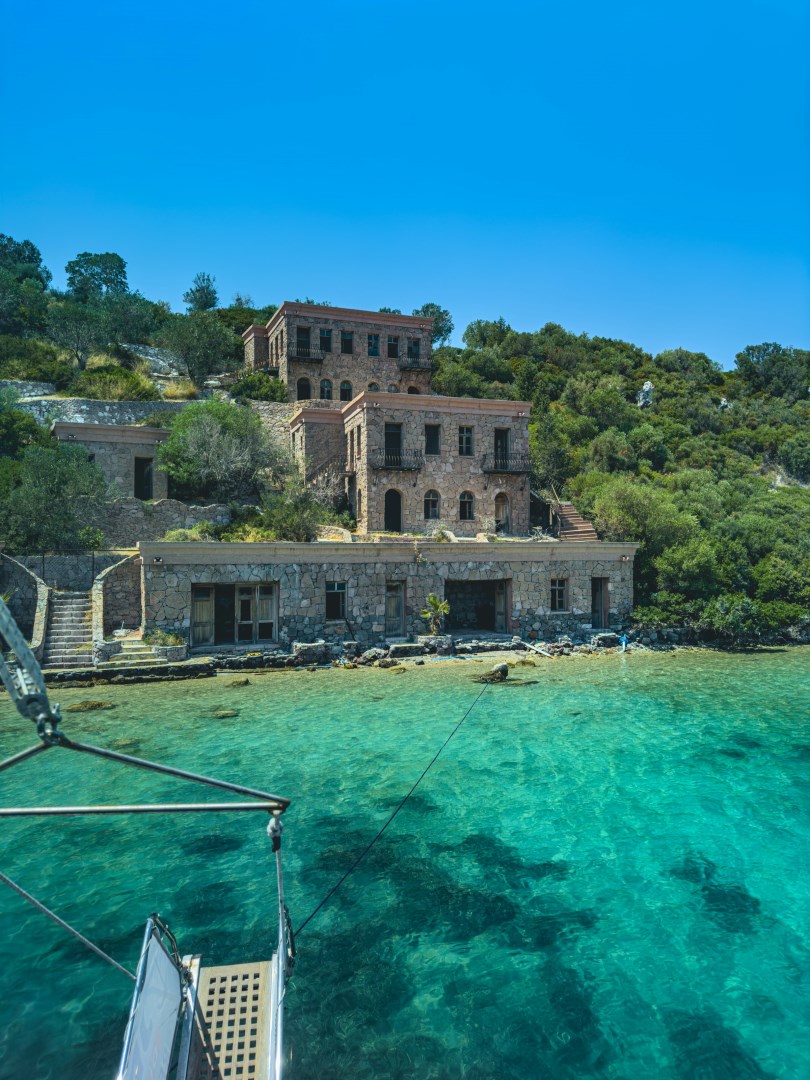
Dikili
Dikili leads the way to the ancient city of Pergamum, also known as Bergma. This city thrived under the Romans from the 2nd century BC to the 2nd century AD. One of the most fascinating aspects of the ancient site is the medical complex, Asklepieon, where advanced psychological treatments were practiced.
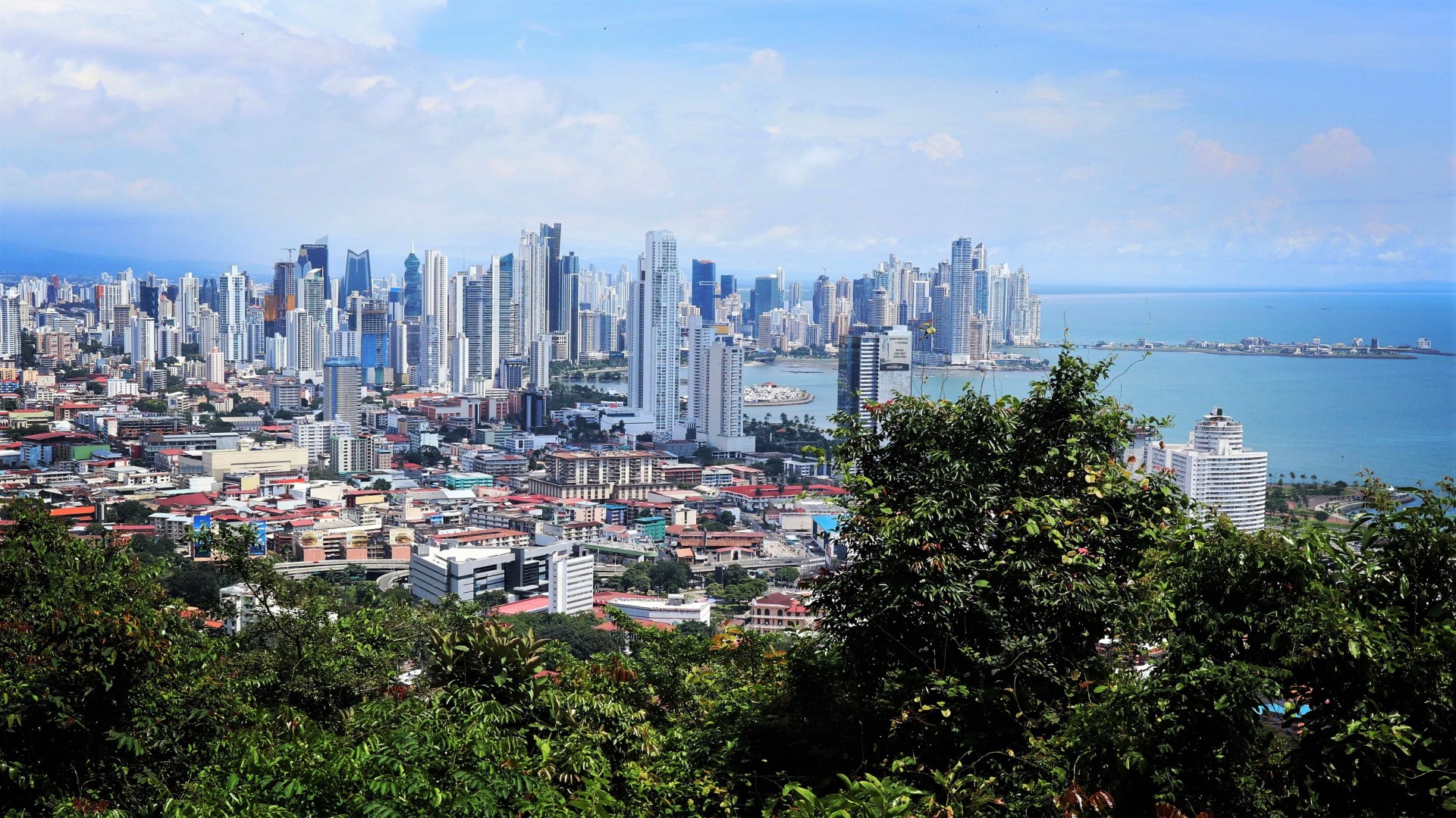
Fuerte Amador
Fuerte Amador is a waterfront district located at the Pacific entrance of the Panama Canal in Panama City. Built on a causeway created with rock excavated during canal construction, the area links four small islands: Naos, Perico, Culebra, and Flamenco.
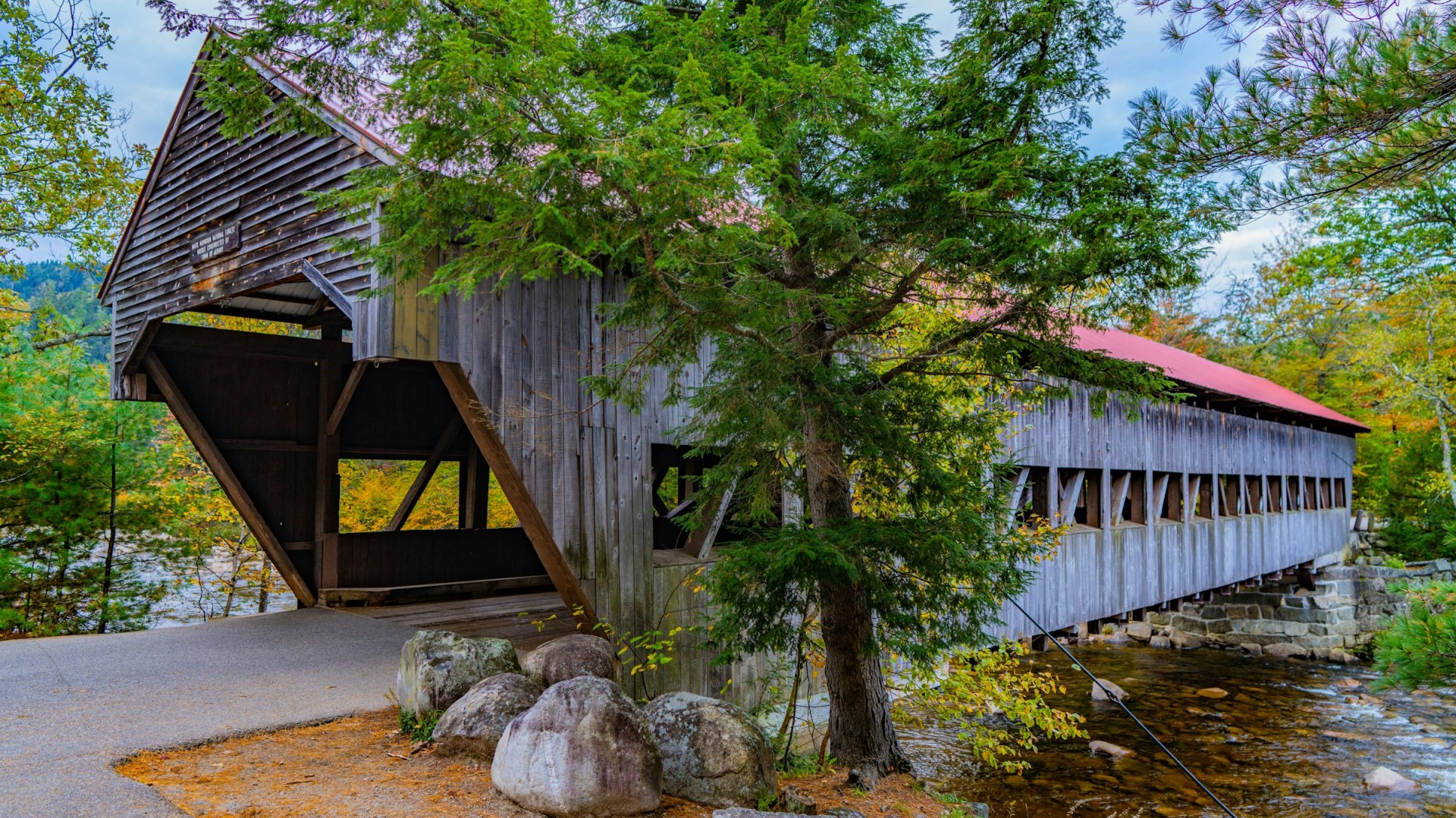
Albany
Albany is a small town in Carroll County, New Hampshire, located at the southern edge of the White Mountains. Much of the town lies within the White Mountain National Forest, giving Albany a predominantly forested landscape of mountains, rivers, ponds, and wooded roads. The Kancamagus Highway crosses the northern part of town and provides access to some of the region’s best-known mountain scenery. Albany is also close to Mount Chocorua, one of the most recognisable peaks in New Hampshire.

Búzios
Armação dos Búzios, or Búzios, a small peninsula just a few hours from Rio de Janeiro, is known for its striking coastline, relaxed atmosphere, and vibrant cultural scene. Once a quiet fishing village, it rose to international attention in the 1960s when French actress Brigitte Bardot visited and fell in love with its laid-back lifestyle. The region is famous for its more than 20 beaches, each with its own personality.
