

Bimini Islands
The Bimini Islands, the westernmost point of the Bahamas, are a tiny chain of islands steeped in history, legend, and natural wonder. Bimini has long been celebrated as the “Gateway to the Bahamas,” blending fishing traditions, maritime lore, and a laid-back island culture.
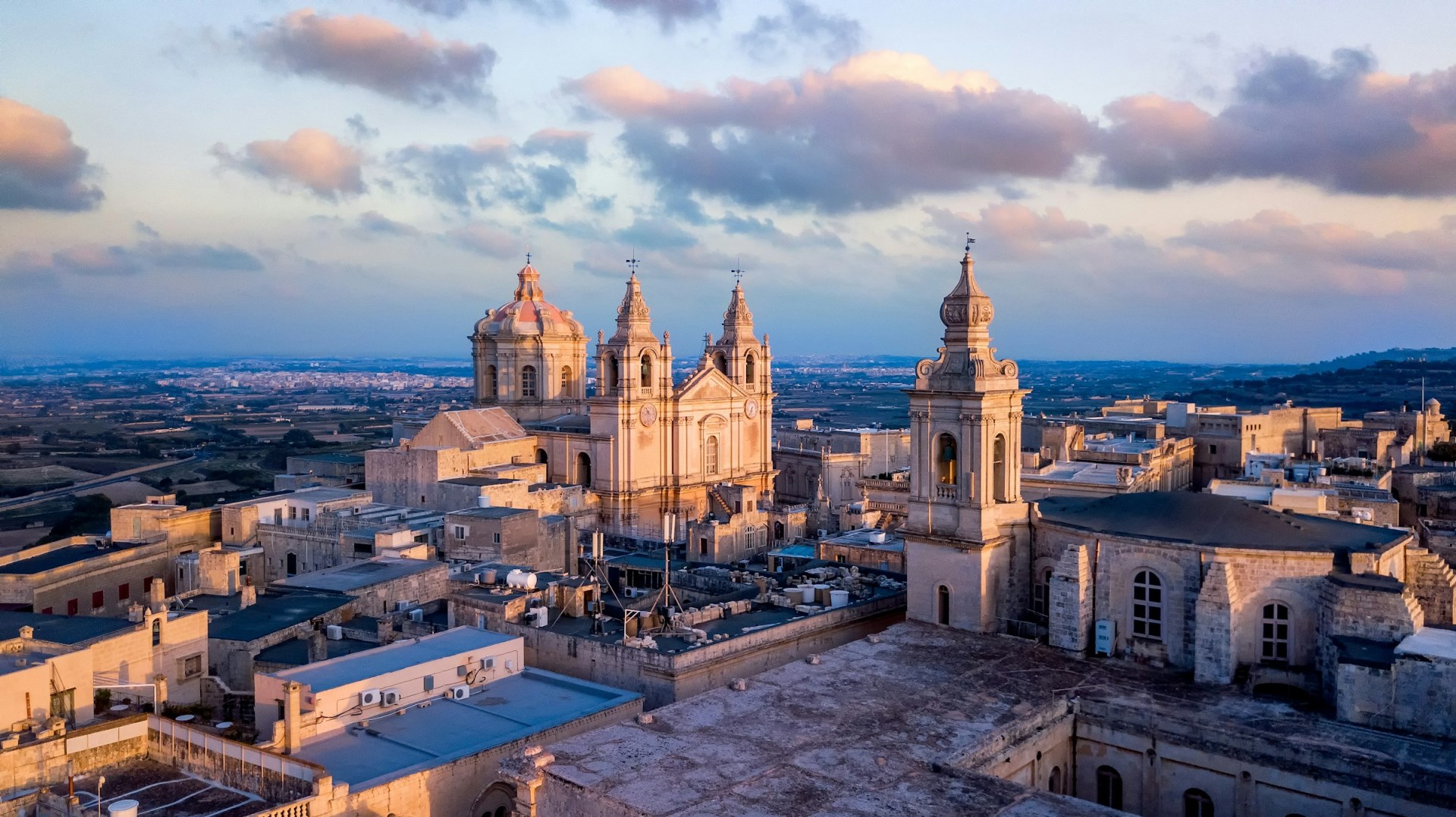
Mdina
Mdina is a fortified hilltop city in central Malta, known as the Silent City for its quiet streets and enclosed historic character. The former capital occupies a limestone plateau above the surrounding countryside, with massive walls, narrow lanes, small squares, and honey-colored buildings creating a compact urban landscape. The main entrance leads toward Villegaignon Street and the center of the old city, where St Paul’s Cathedral dominates Cathedral Square.
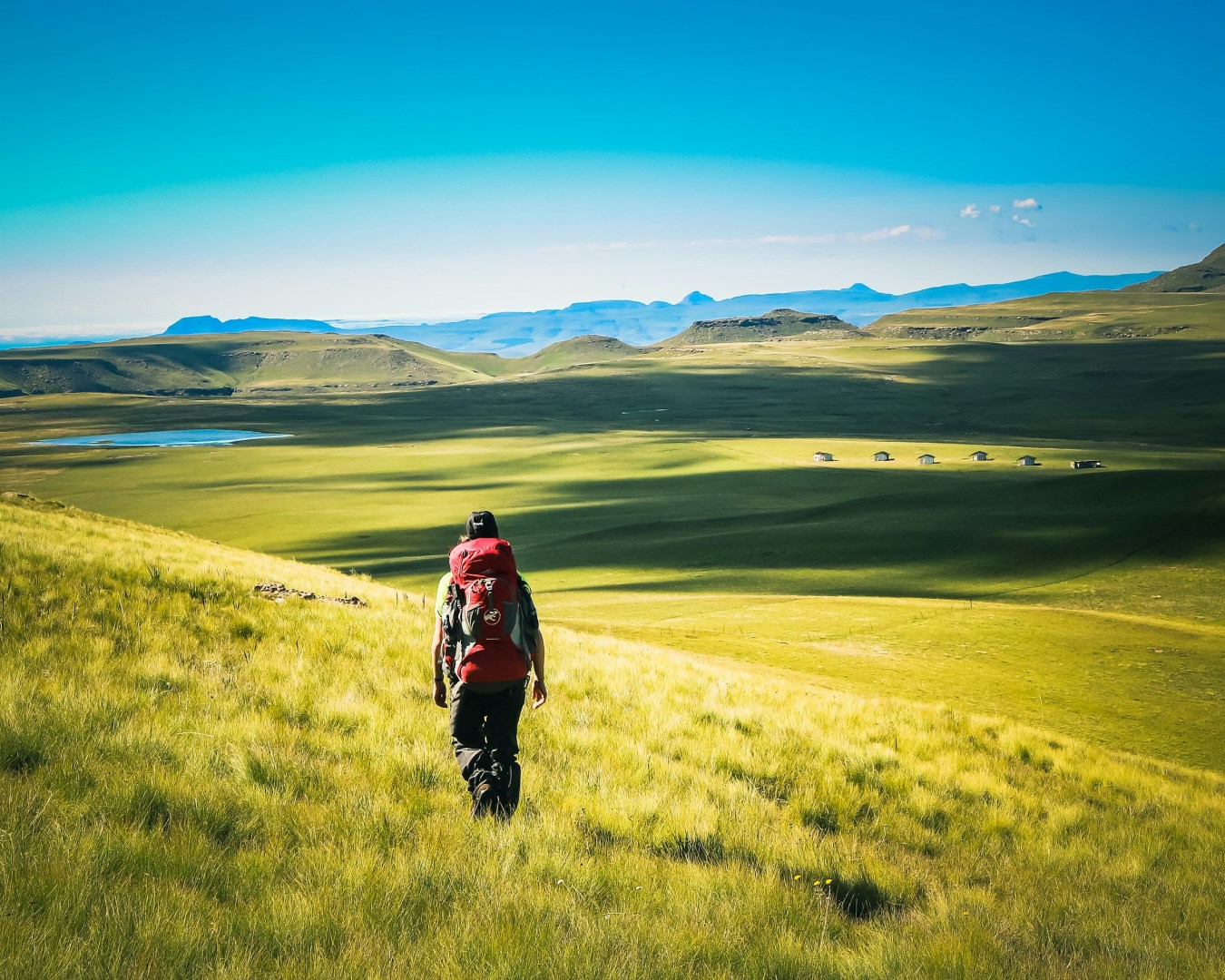
Maloti-Drakensberg Park
Maloti-Drakensberg Park spans the mountainous borderlands of Lesotho and South Africa, forming a large protected landscape of high plateaus, steep cliffs, sandstone formations, grasslands, and river valleys. The Lesotho section is centered on Sehlabathebe National Park, while the South African portion includes uKhahlamba-Drakensberg Park. The area is recognized as a UNESCO World Heritage property for both its natural and cultural importance.

Yukon
Whitehorse is the territorial capital of this Canadian site of the 1898 gold rush. It consists mostly of rural towns, where the main industries are mining and tourism. It is a land of forests, rivers and tall mountain ranges covering a total of 207,075 sq. miles.
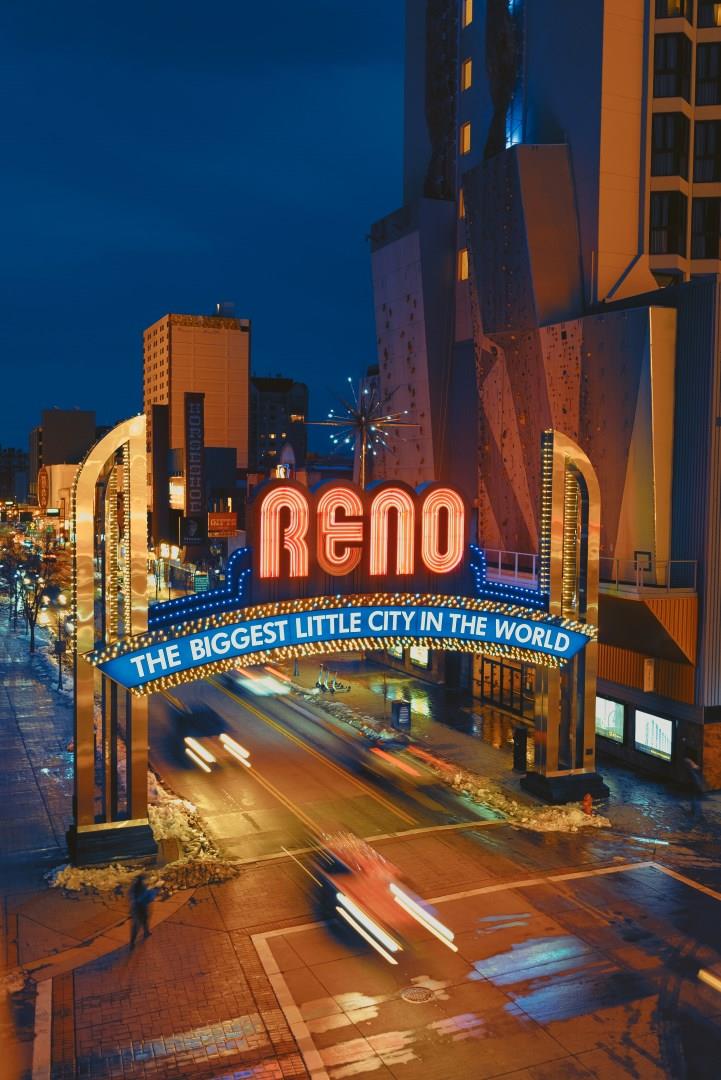
Reno
Reno, Nevada is known as “The Biggest Little City in the World” and has evolved well beyond its casino roots. Today, it’s a city where vintage neon signs share the skyline with vibrant murals and historic train depots sit beside riverside coffee shops. The Truckee River runs through downtown, anchoring the city with a scenic Riverwalk lined with public art, restaurants, and the sounds of rushing water.
