
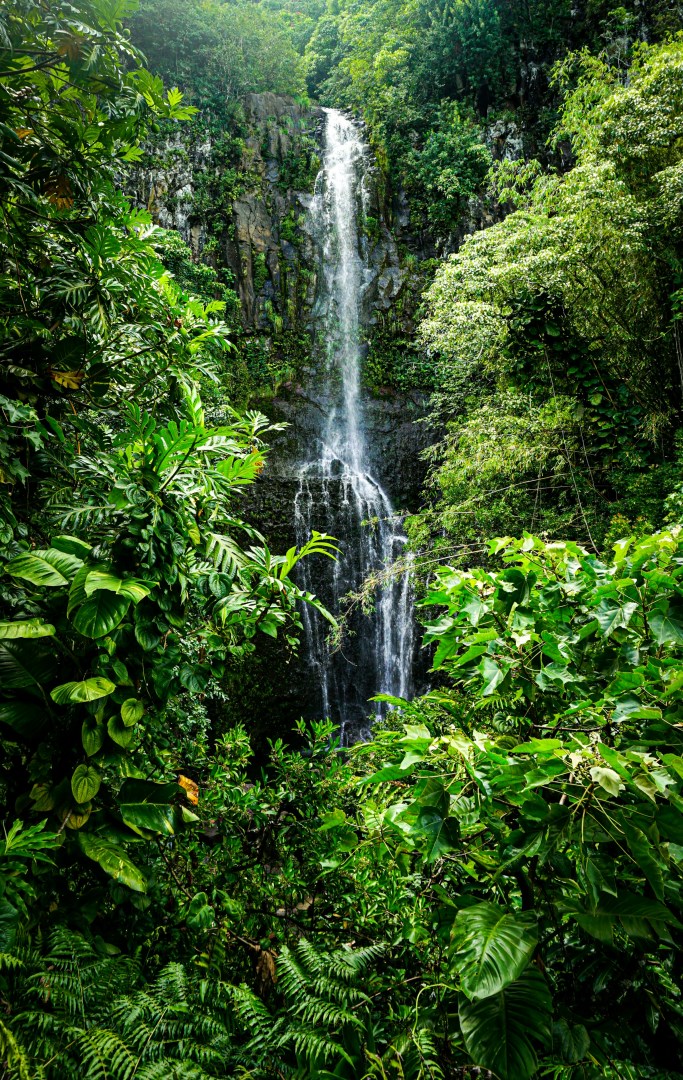
Hana, Maui
Located on the Island of Maui, Hawaii in the Pacfic Ocean, Hana is noted for its isolated location and quiet atmosphere.

Osaka
Osaka is a city that thrives on contrasts with centuries-old castles sit just blocks from neon-lit arcades and high-speed trains. Once known as “Japan’s kitchen” during the Edo period, Osaka played a key role in rice trading and food distribution across the country. Today, visitors can walk the grounds of Osaka Castle, originally built in the 16th century by Toyotomi Hideyoshi, and take in panoramic city views from the top floor of its museum.
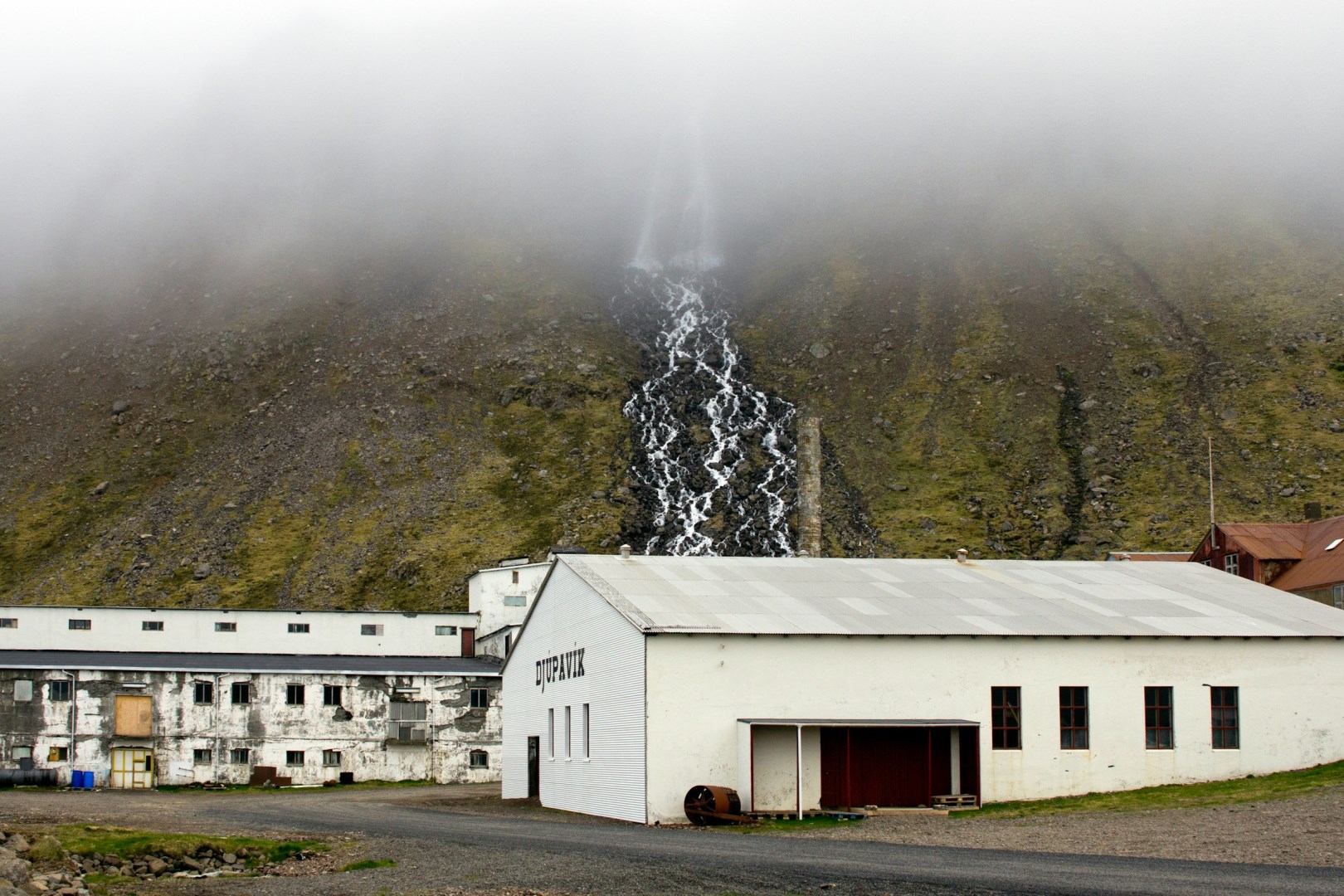
Djúpavík
Djúpavík is a tiny settlement on the shore of Reykjarfjörður in the remote Strandir region of Iceland’s Westfjords. The village is surrounded by steep mountains, a narrow fjord, and largely undeveloped coastal landscapes, with only a handful of buildings clustered beside the water. Its identity is closely tied to the abandoned herring-processing complex that dominates the settlement.
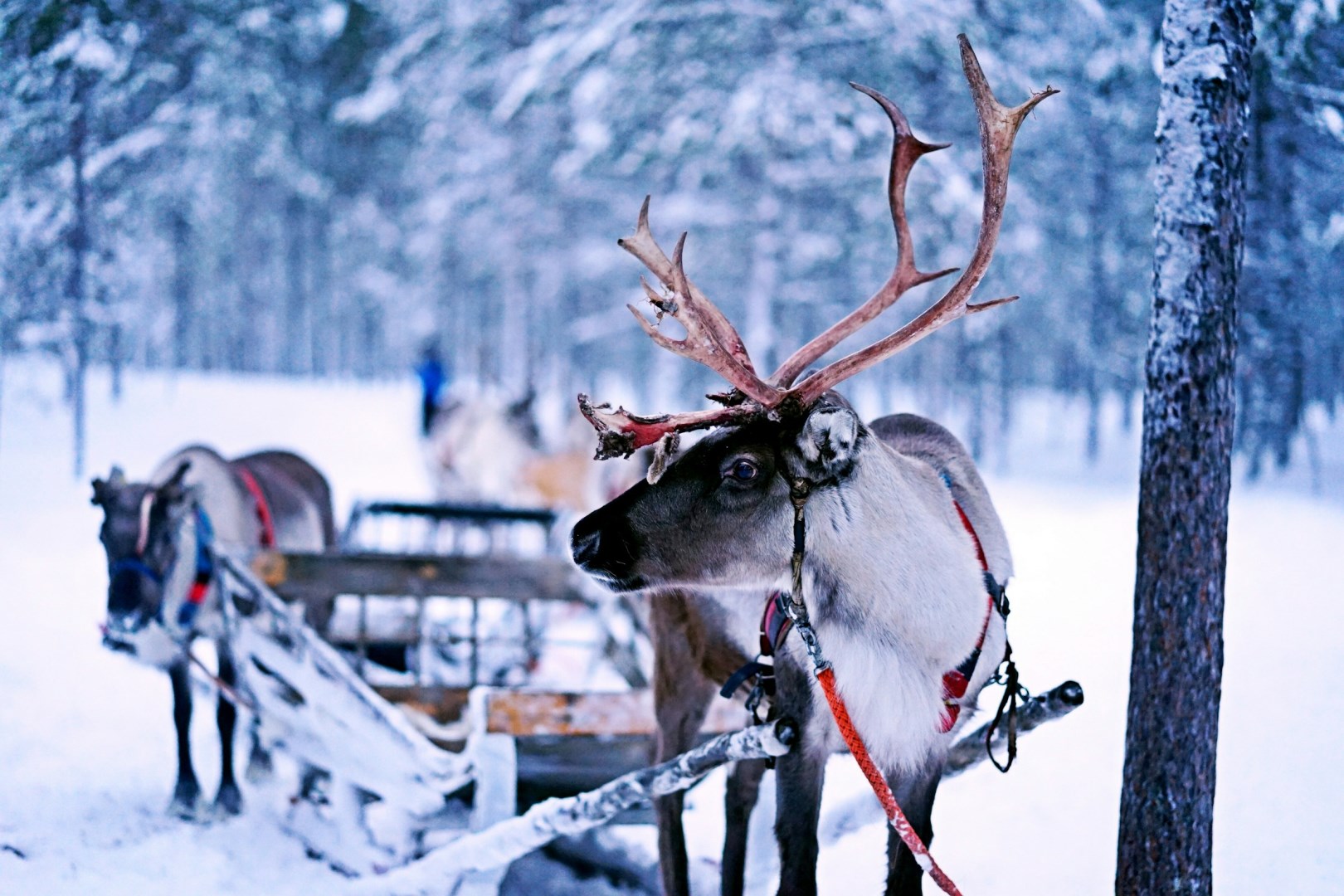
Ivalo
Ivalo is a small settlement in Finnish Lapland, located along the Ivalo River in the municipality of Inari, well north of the Arctic Circle. It serves as the administrative and commercial center of the municipality and provides services for the surrounding wilderness communities. The river runs through the settlement before continuing toward Lake Inari, while extensive forests and open fell country surround the valley.
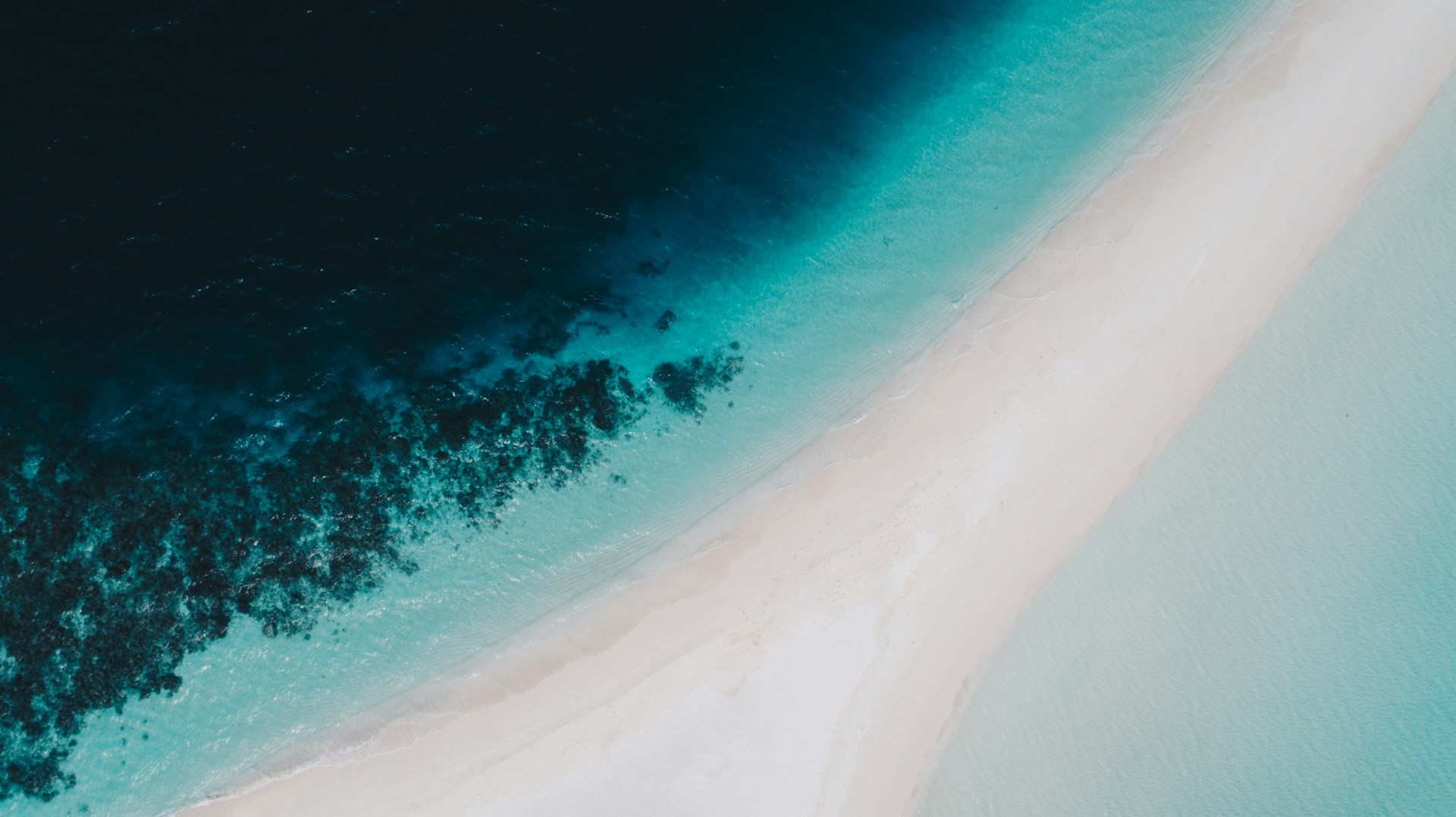
South Malé Atoll
South Malé Atoll, also known as Kaafu Atoll, lies immediately south of Malé and is among the most accessible island regions in the Maldives. Its islands range from established local communities to private resort islands, surrounded by lagoons, coral reefs, sandbanks, and channels. Maafushi, Gulhi, Guraidhoo, and Thulusdhoo are well-known inhabited islands in the wider Malé atoll region, while resort islands provide a different style of stay.
