
Lebanon
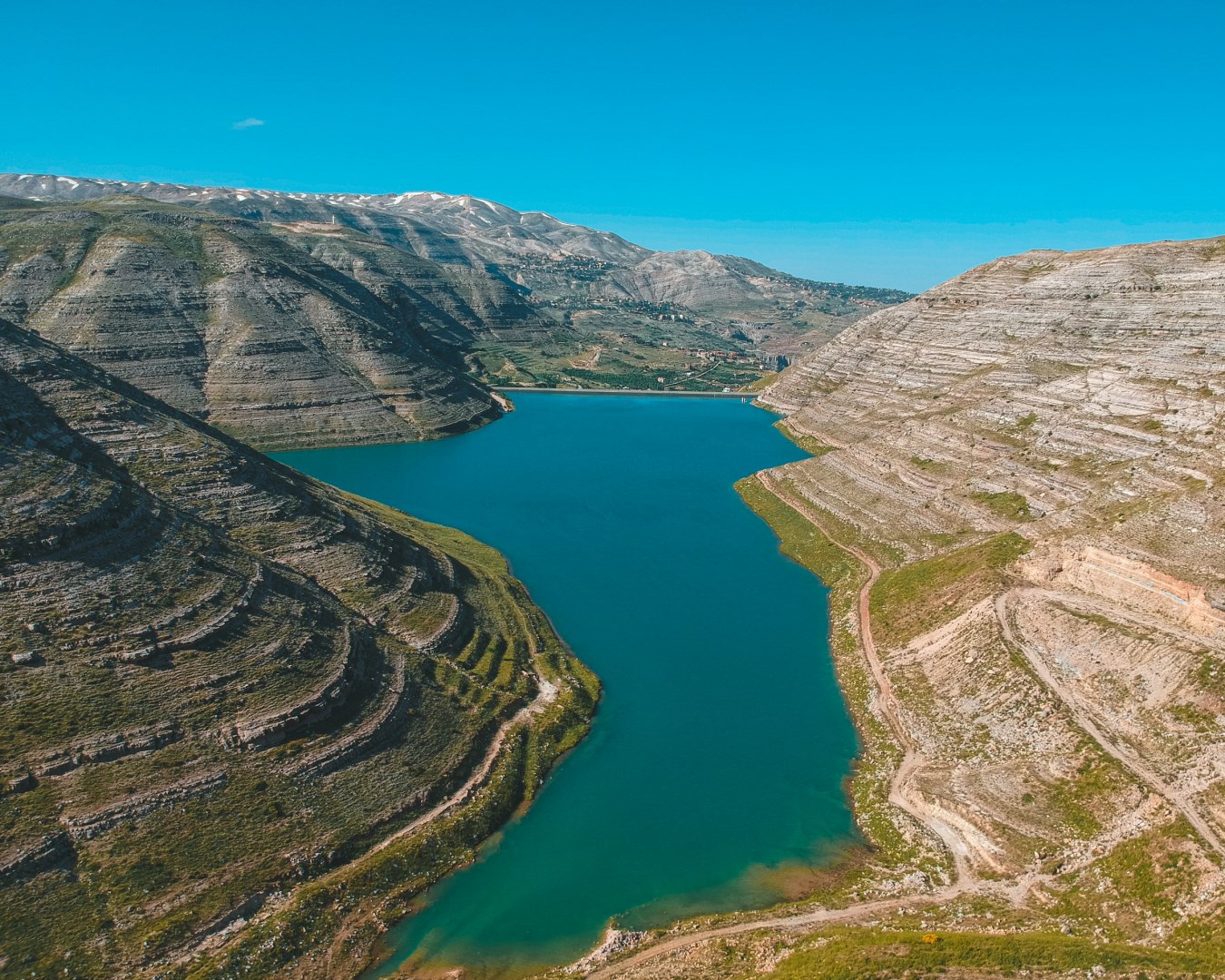
Lebanon unfolds like an open-air museum, with ancient stones that tell stories from centuries past. In Baalbek, the Temple of Bacchus stands among the most impressive Roman ruins outside Italy, its columns framed by Beqaa Valley light. In Byblos, one of the oldest cities in the world, ruins sit beside a bustling harbor and modern cafés, blending past and present in a single stroll.

Slovakia
Slovakia is a country shaped by mountains, castles, and centuries of shifting borders. Tucked in the heart of Europe, it offers visitors a chance to explore medieval towns, alpine peaks, and deep-rooted traditions still practiced in daily life. Bratislava, the capital, sits along the Danube River and is one of the few national capitals that borders Austria and Hungary.

Luján de Cuyo
Luján de Cuyo is a municipality in Mendoza Province, Argentina, located southwest of the city of Mendoza at the edge of the Andes. The area is closely associated with vineyards, irrigation channels, mountain foothills, and districts such as Chacras de Coria, Vistalba, Agrelo, and Cacheuta.
Ilulissat
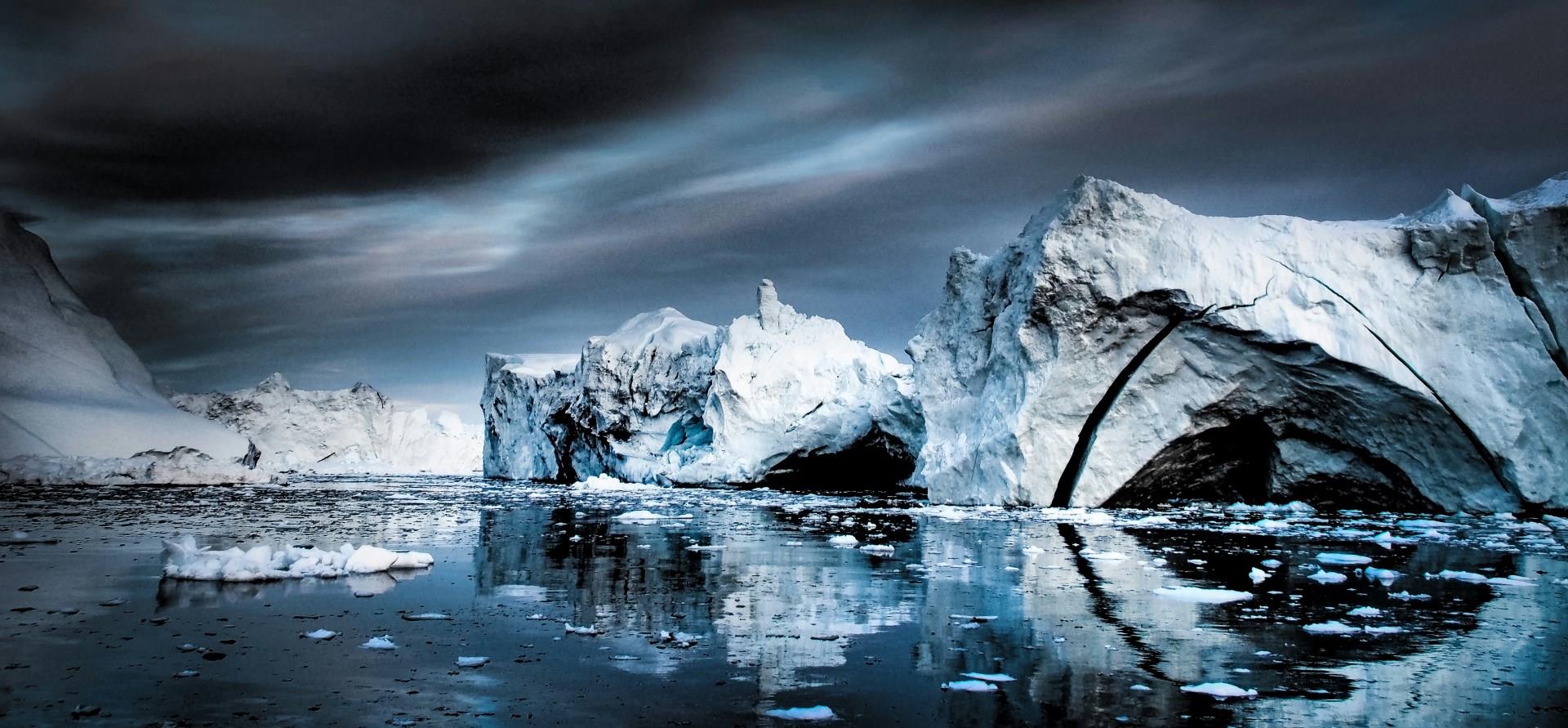
On Greenland’s west coast, Ilulissat (once known as Jakobshavn) welcomes travelers with astonishing ice scenery and a sense of scale that feels almost otherworldly. The town sits beside Disko Bay, where immense icebergs drift silently past, glowing pink and gold in the Arctic light. The name “Ilulissat” means “icebergs,” and it could not be more fitting. Here, every turn toward the sea offers a fresh view of towering ice forms, each one sculpted by nature into something fleeting and beautiful.
Sligo
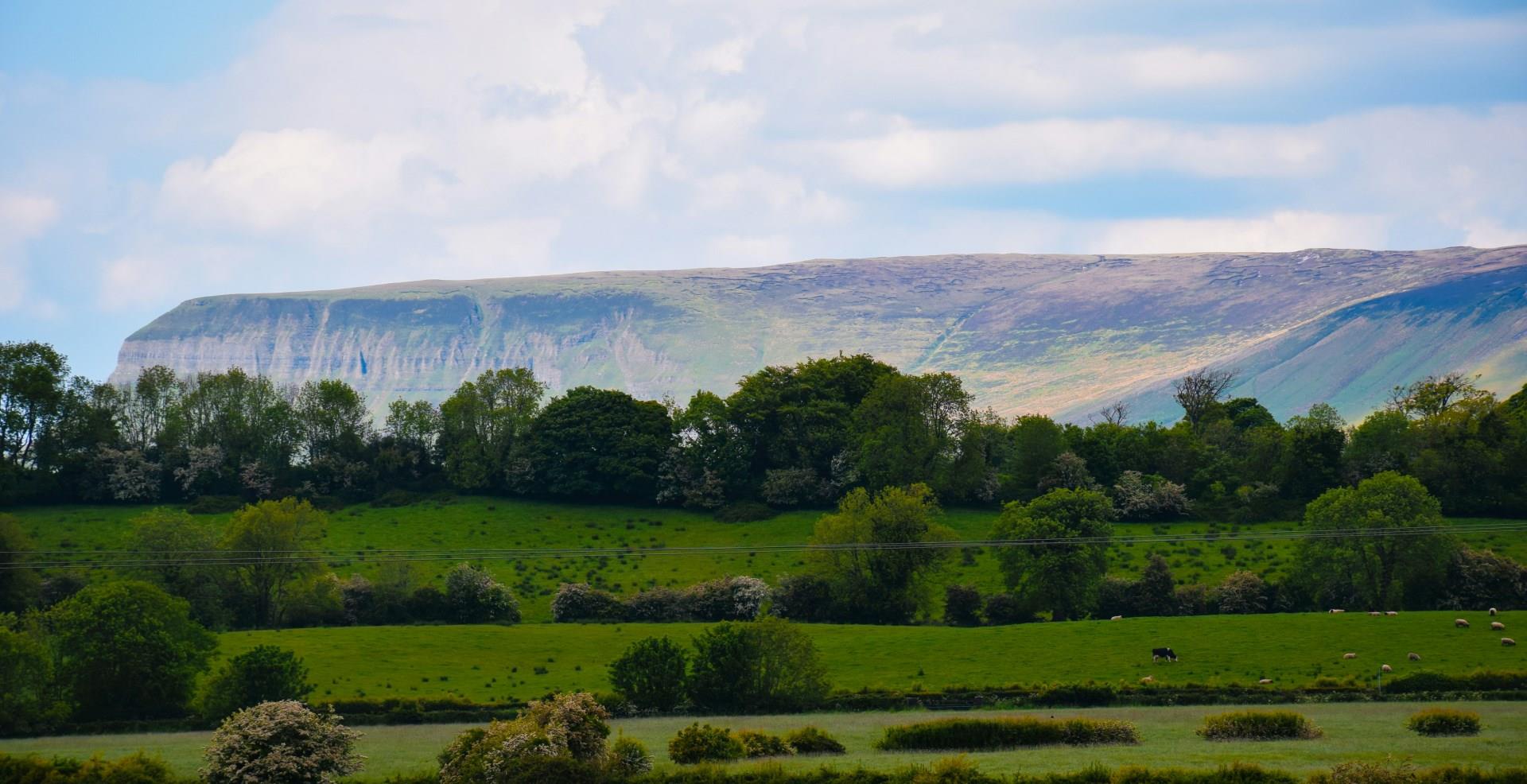
Sligo, a coastal town in the northwest of Ireland, is known for its rugged landscapes, literary heritage, and vibrant cultural scene. Nestled between mountains and the Atlantic Ocean, it has long inspired poets and writers, most famously W.B. Yeats, whose presence still echoes through the town’s galleries, libraries, and walking trails. Sligo’s charm lies in its mix of natural beauty and creative energy, where the rugged countryside meets lively streets full of music and arts.
