
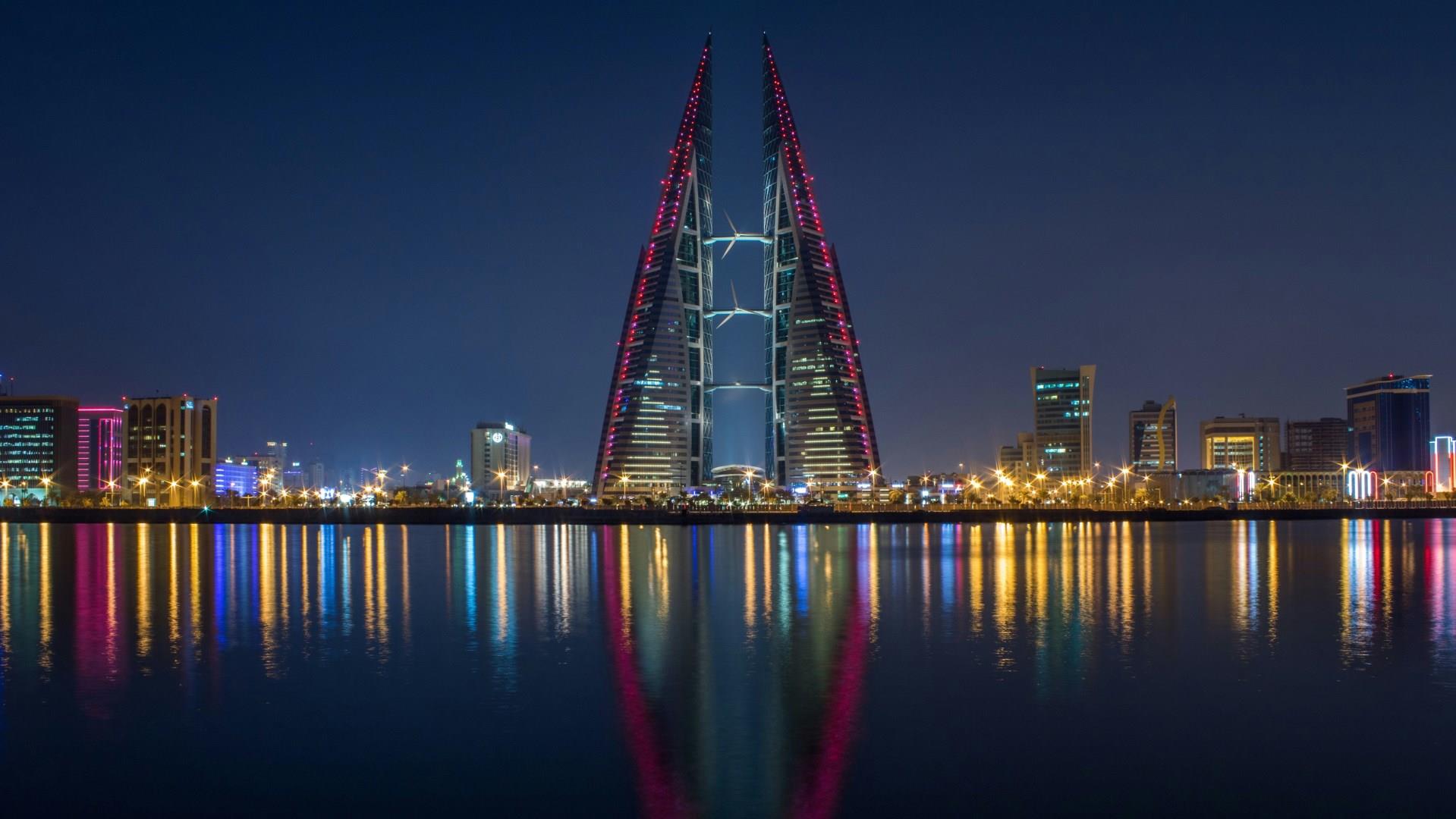
Manama
Manama pulses with stories from long ago and today. Just beyond the modern skyline lies Qal’at al‑Bahrain, a layered mound once the capital of Dilmun, used by societies from the Kassites to the Portuguese. Visitors can climb its crumbling stairways and imagine life across centuries there. Nearby, the Bahrain National Museum, opened in 1988 in a stately waterside building, displays archaeological finds from ancient Dilmun to modern-day artifacts and is one of the Gulf's first modern museums.
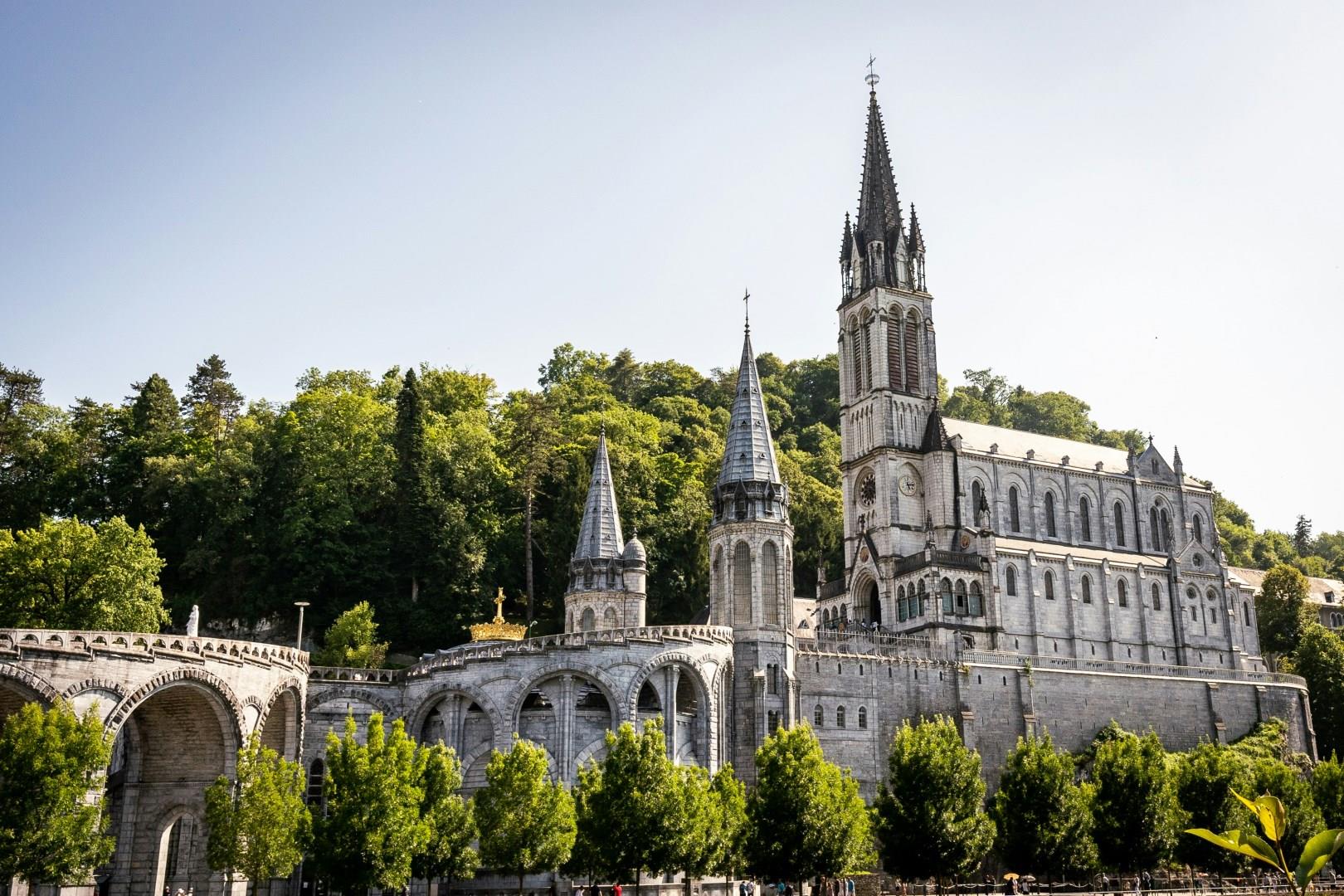
Lourdes
Located at the foot of the Pyrenees in southwestern France, Lourdes is best known for the Marian apparitions reported by 14-year-old Bernadette Soubirous in 1858. These events transformed the small market town into one of the most visited pilgrimage sites in the world. The Sanctuary of Our Lady of Lourdes, which includes the Grotto of Massabielle, the Basilica of the Immaculate Conception, and the underground Basilica of St. Pius X, draws millions each year.
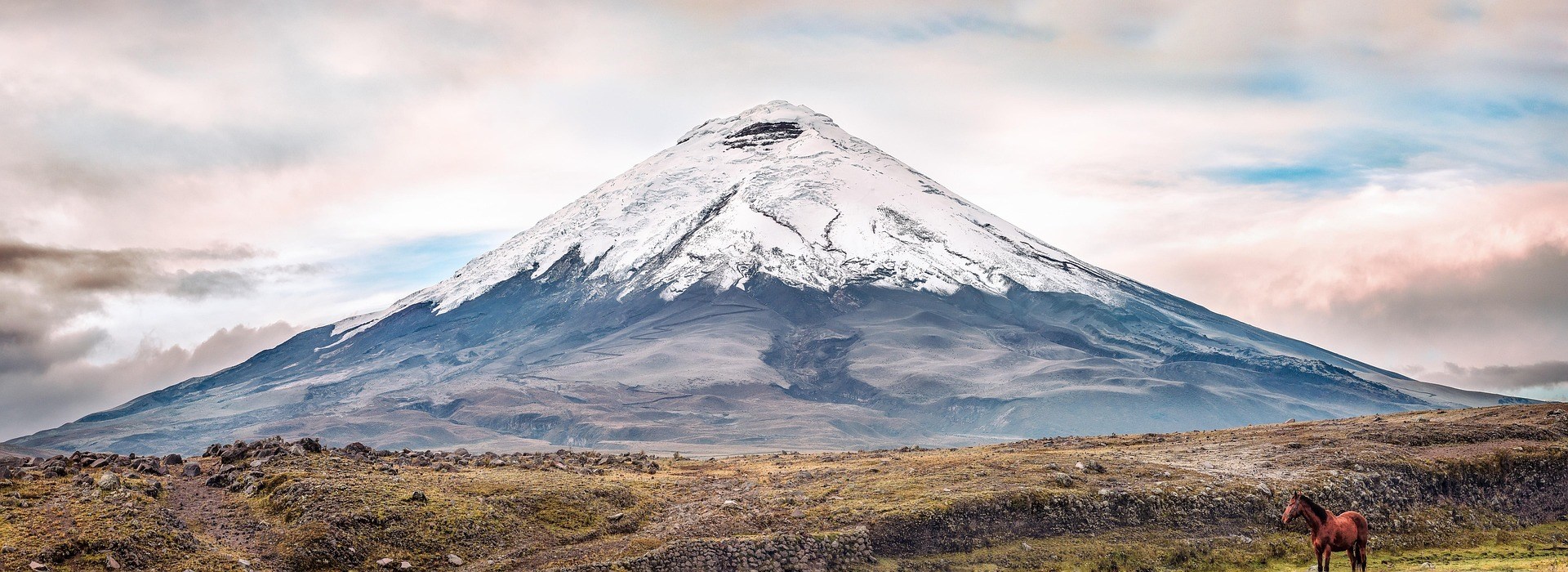
Cotopaxi National Park
Cotopaxi National Park is a protected Andean landscape in Ecuador, located around the snow-capped Cotopaxi volcano and extending across the provinces of Cotopaxi, Pichincha, and Napo. Its high-altitude terrain includes volcanic plains, grasslands, wetlands, and rugged mountain slopes. Cotopaxi, one of the world's highest active volcanoes, dominates the park and rises above the surrounding páramo.
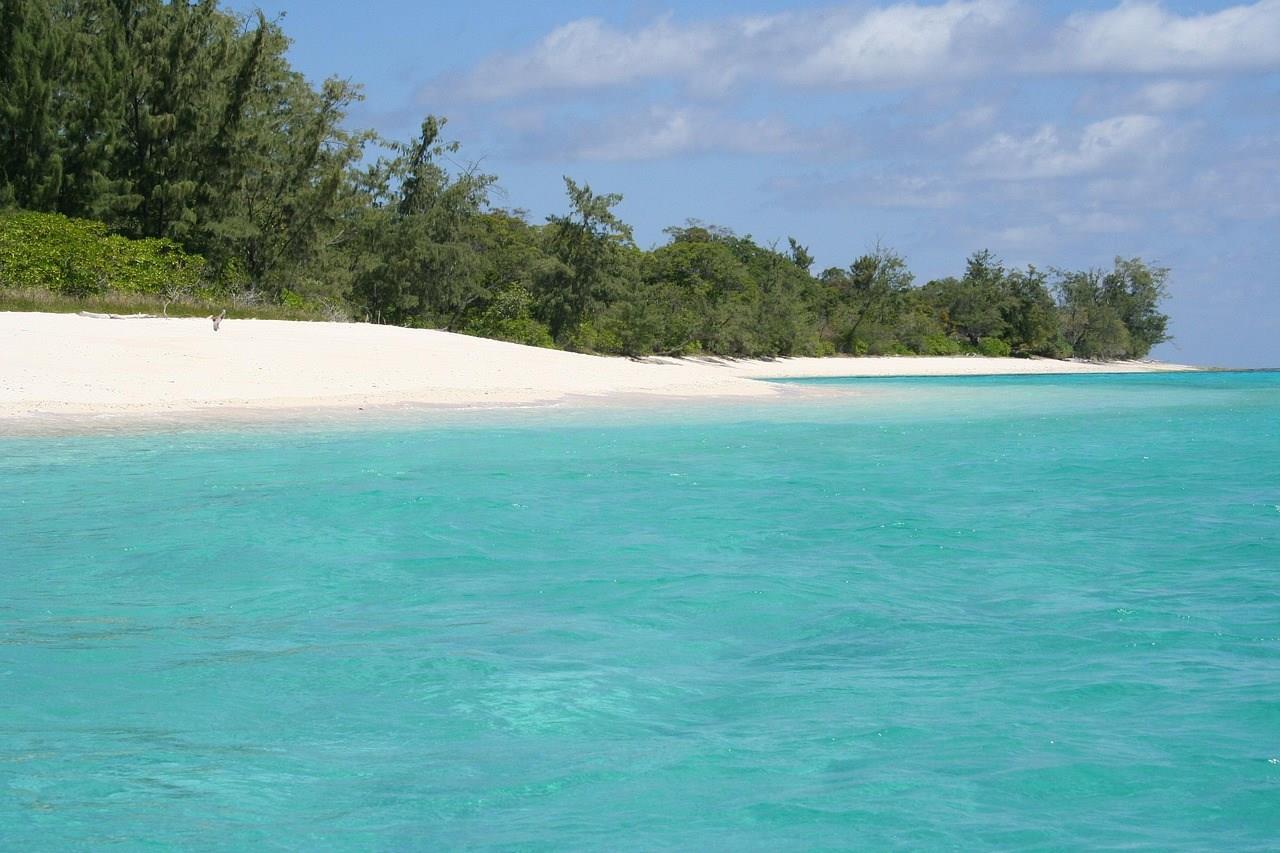
Timor-Leste
Timor-Leste, one of the world’s youngest nations, is a place where resilience and cultural richness shape everyday life. Its history is deeply marked by centuries of Portuguese colonial rule, followed by Indonesian occupation and a long struggle for independence, achieved in 2002.
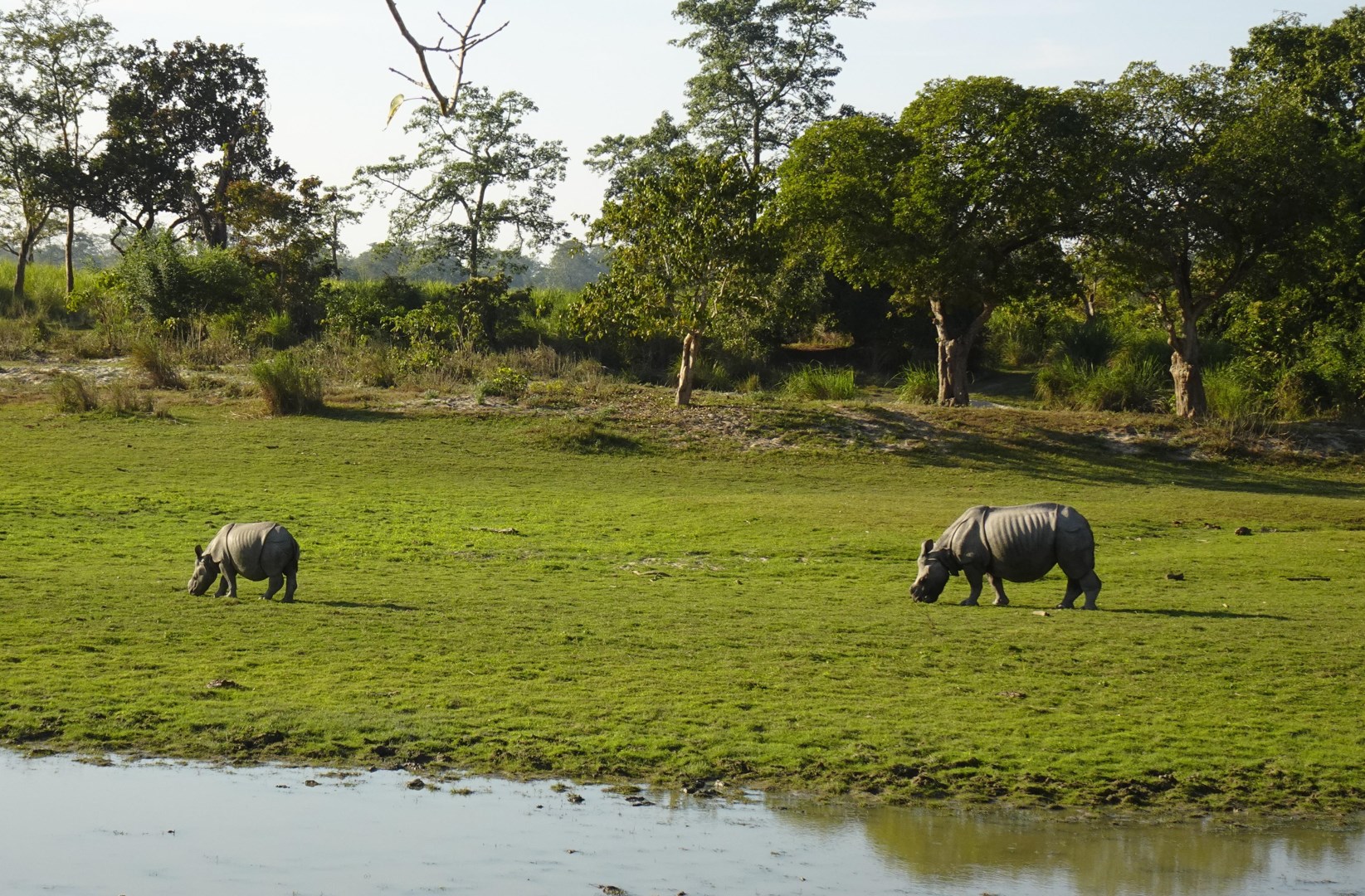
Khama Rhino Sanctuary
Khama Rhino Sanctuary is a community-based wildlife reserve in Botswana, located near the town of Serowe in the central part of the country. Established to protect endangered rhinoceros populations, the sanctuary covers a broad area of savanna and woodland, centered around natural water sources that attract a range of animals.
