
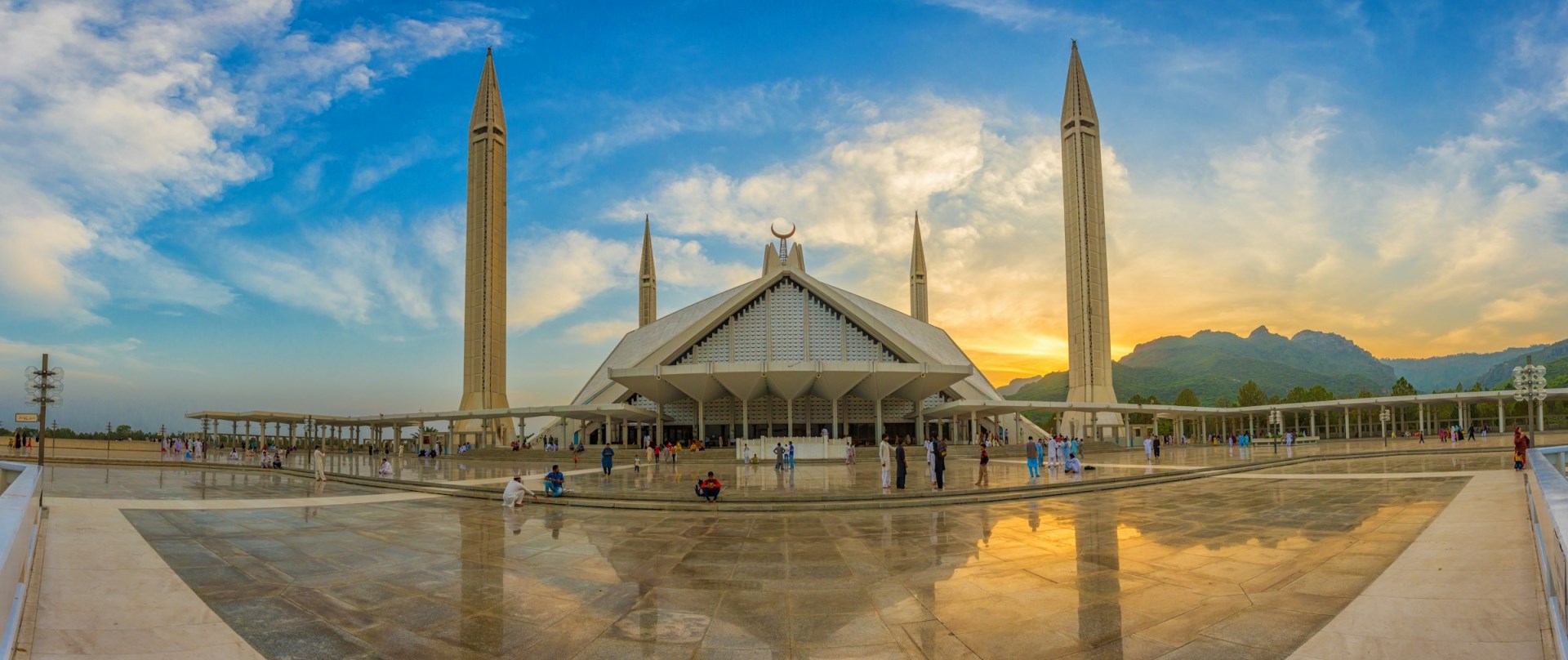
Islamabad
Islamabad is the capital of Pakistan, set against the wooded slopes of the Margalla Hills in the north of the country. Planned as a purpose-built capital, the city is organized around broad avenues, landscaped sectors, parks, and green belts, giving it a different character from Pakistan’s older cities. The Faisal Mosque is its most recognizable landmark, with its tent-shaped design and prominent position beneath the hills.
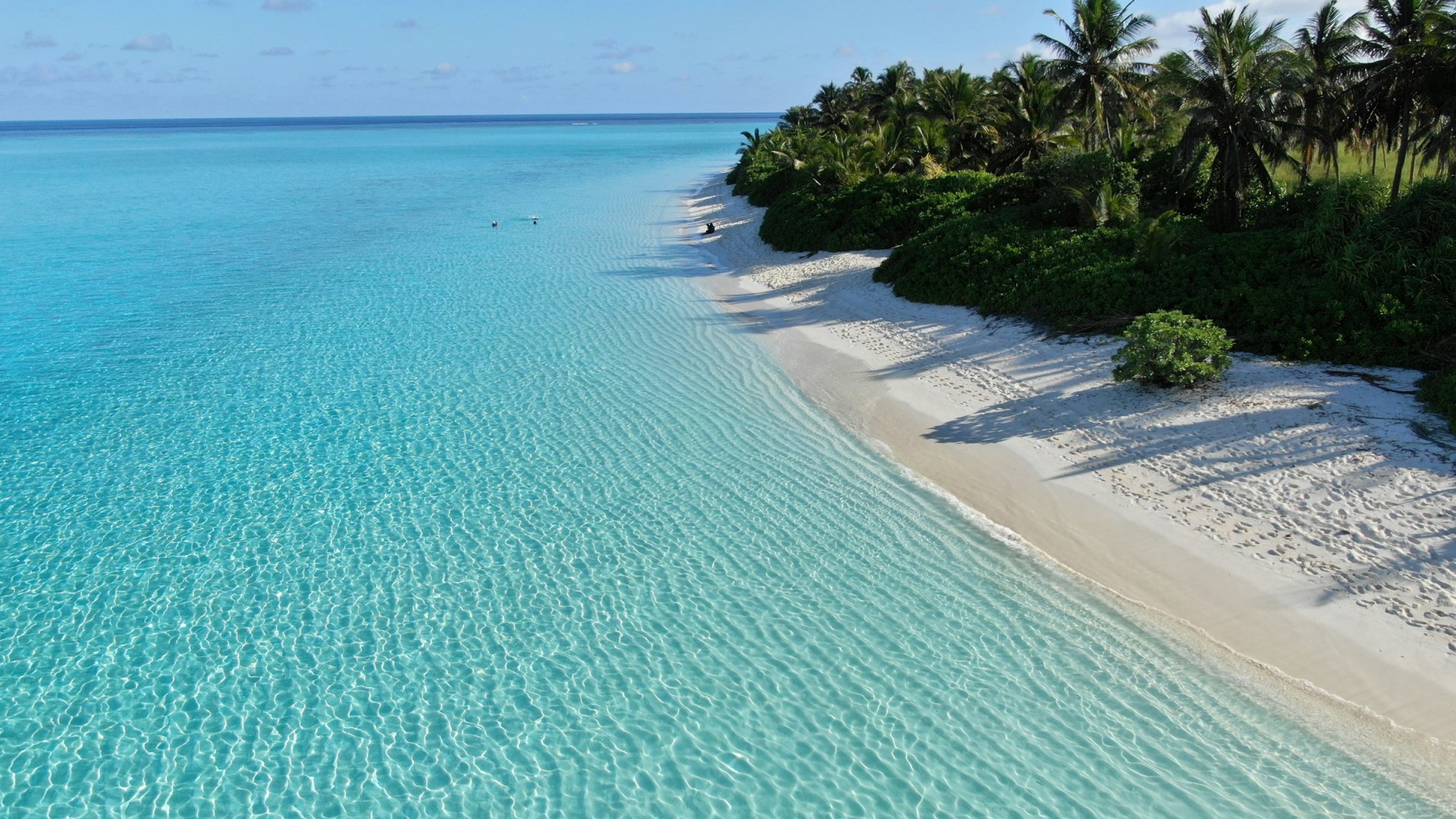
Thoddoo
Thoddoo is a local island in the North Ari Atoll of the Maldives, distinguished by its unusually strong agricultural tradition. While coral reefs, beaches, and lagoons surround the island, much of its interior is covered by productive farmland, with watermelon, papaya, eggplant, chili, drumstick, breadfruit, and other crops cultivated for local consumption and markets. The island’s broad green interior sets it apart from many smaller Maldivian islands where available land is more limited.
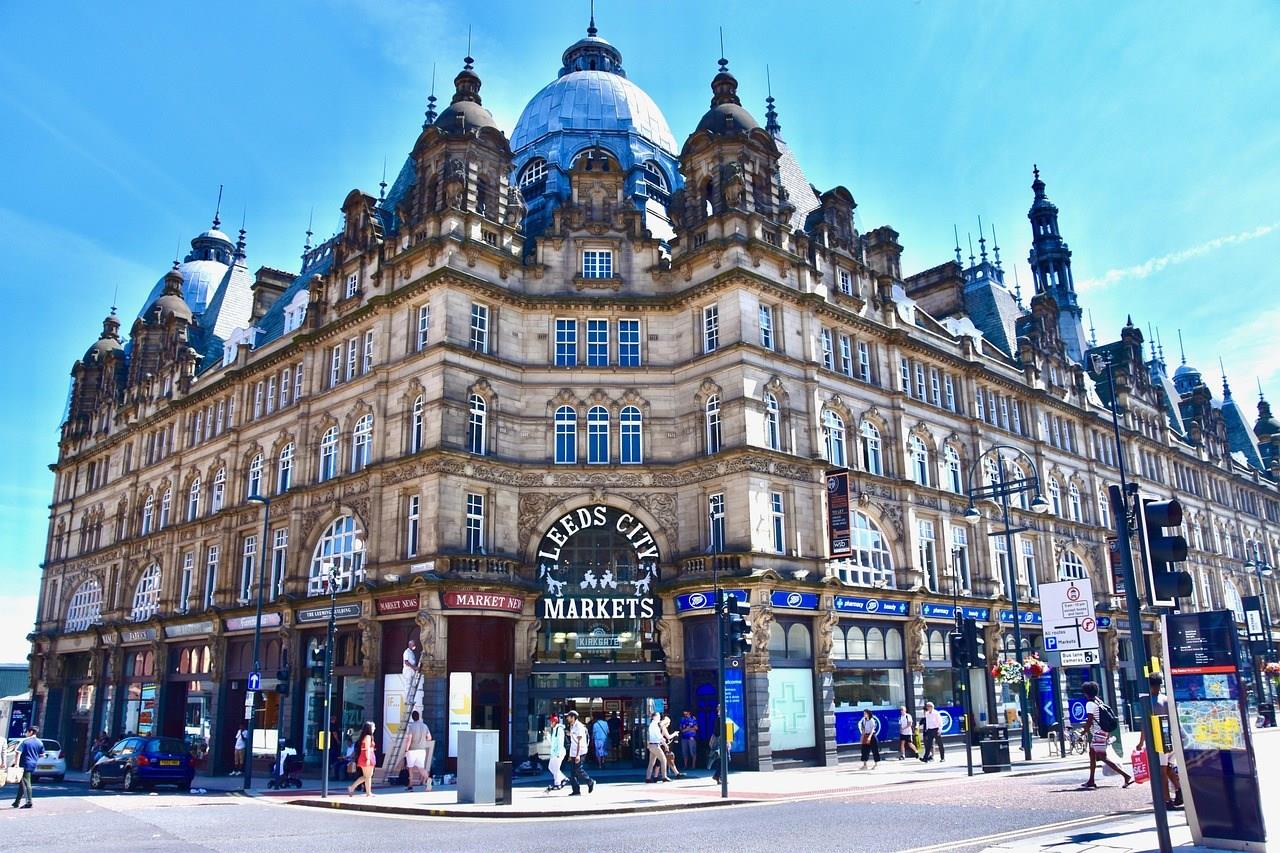
Leeds
Leeds, in the heart of West Yorkshire, is one of northern England’s most dynamic cities, where industrial heritage meets modern creativity. Once a powerhouse of the textile trade during the Industrial Revolution, the city has transformed into a hub for business, culture, and education.
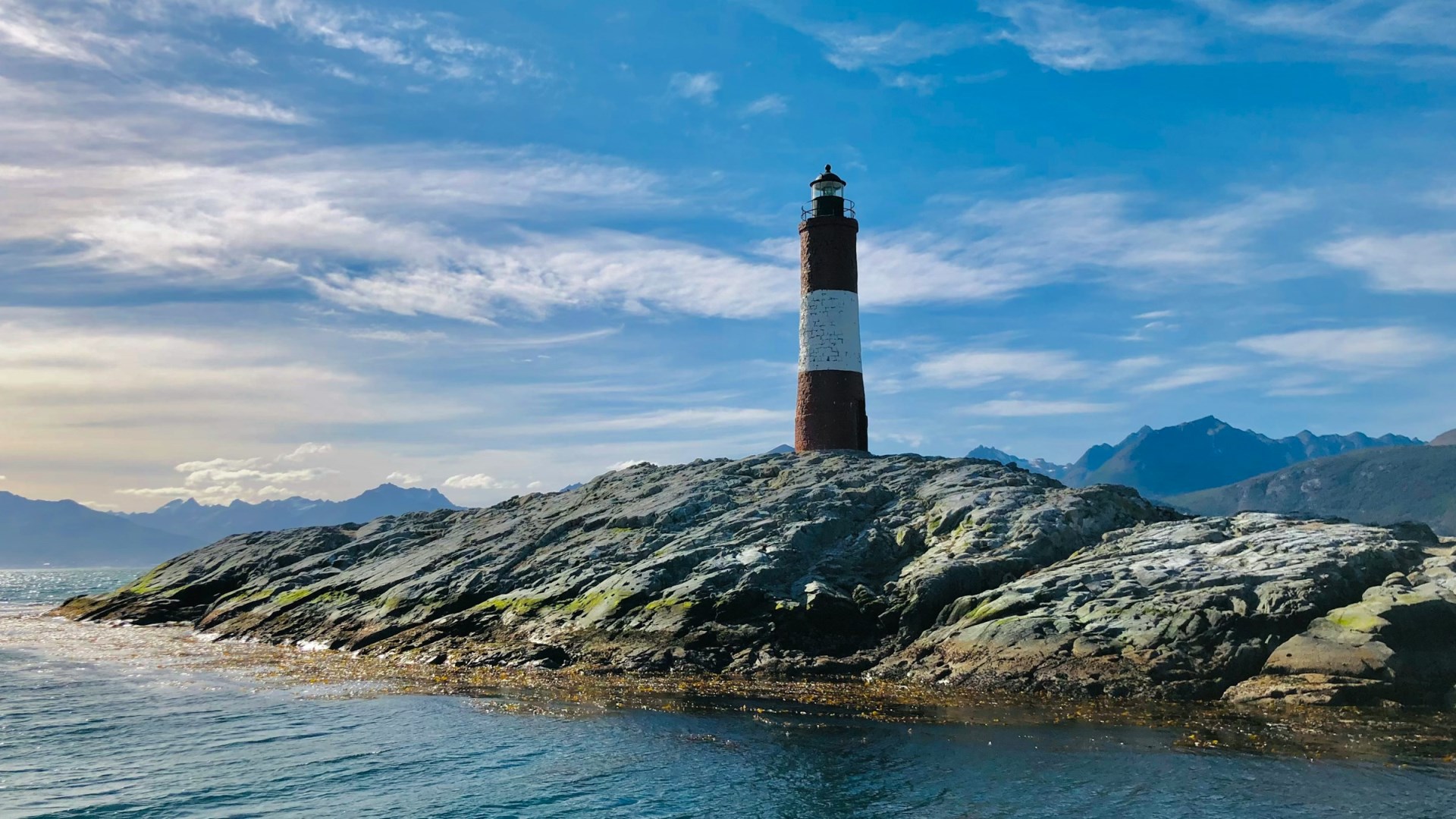
Tierra Del Fuego
Argentina shares half of this island territory in the South Atlantic Ocean with Chile. It's a place of oil derricks, sheep, glaciers, wind and waterways. Ushuaia and Río Grande are the two main towns; awesome scenery, wild walks and fishing are the island's main attractions. Argentina's only coastal national park comprises rivers, lakes, forests and glaciers, with great trekking and wildlife-spotting opportunities.
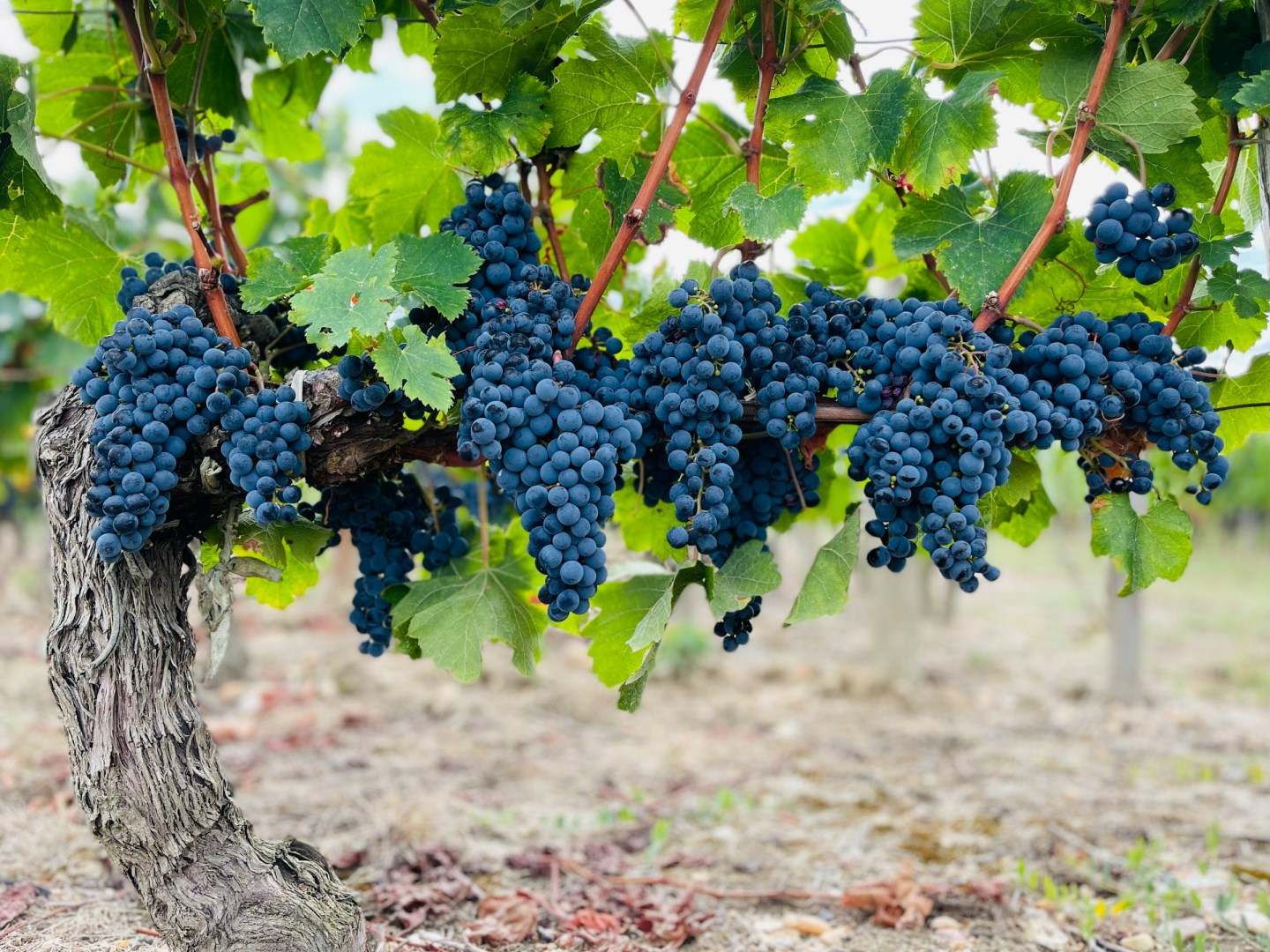
Bordeaux
Bordeaux is ready for its close-up! After years of improvements, modern public transportation is in place and the city is gleaming after a wave of restorations. When visiting this lovely destination, be sure to walk across the Garonne River-spanning Stone Bridge (17 arches in all!) and see Place des Quinconces, France's grandest public square.
