
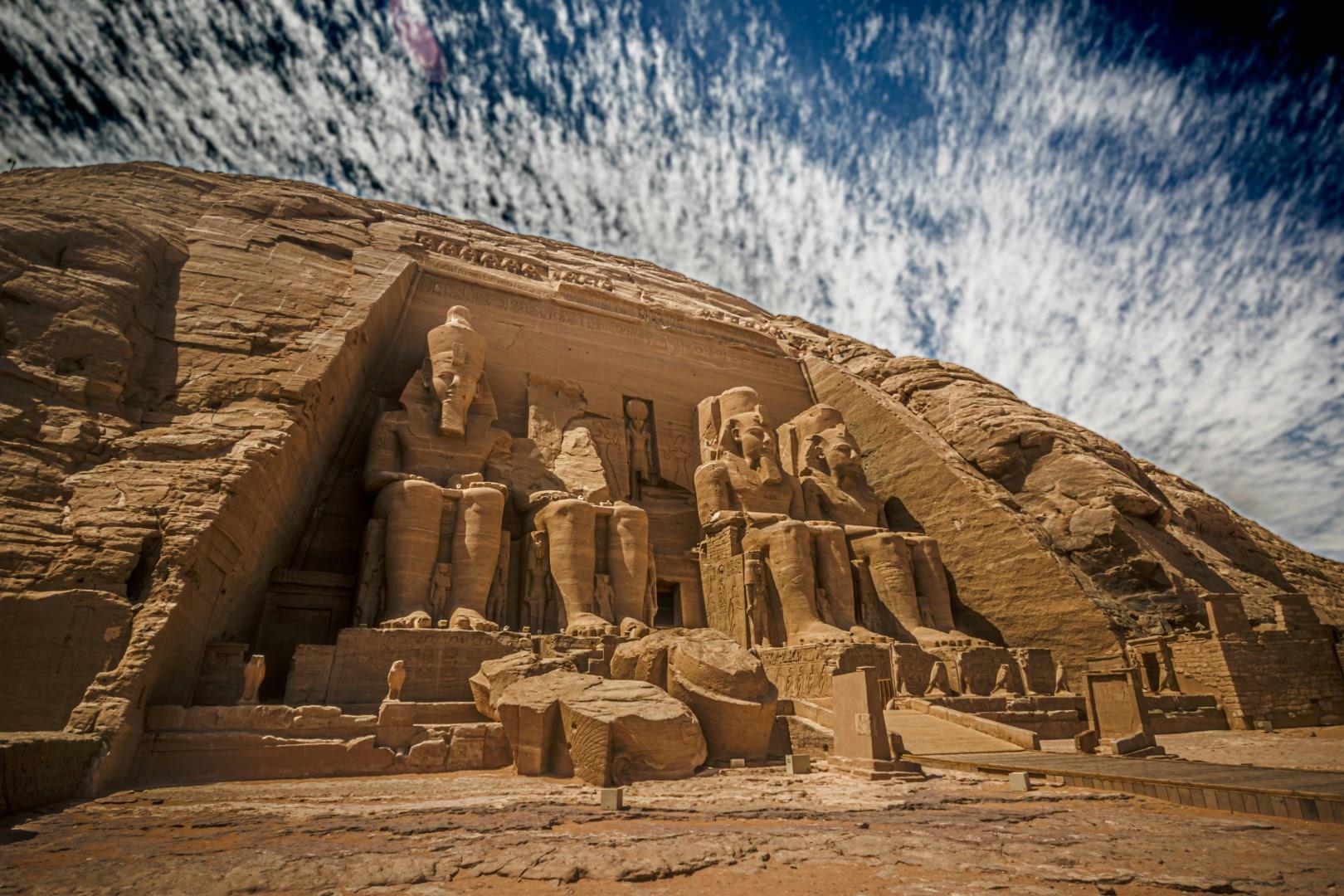
Abu Simbel
Abu Simbel, in southern Egypt near the border with Sudan, is one of the most awe-inspiring archaeological sites of the ancient world. Built during the reign of Pharaoh Ramses II in the 13th century BCE, the twin temples were carved directly into the sandstone cliffs overlooking the Nile. The Great Temple, with its four colossal statues of Ramses II seated at the entrance, was designed not only to honor the pharaoh but also to project his power to neighboring Nubia.
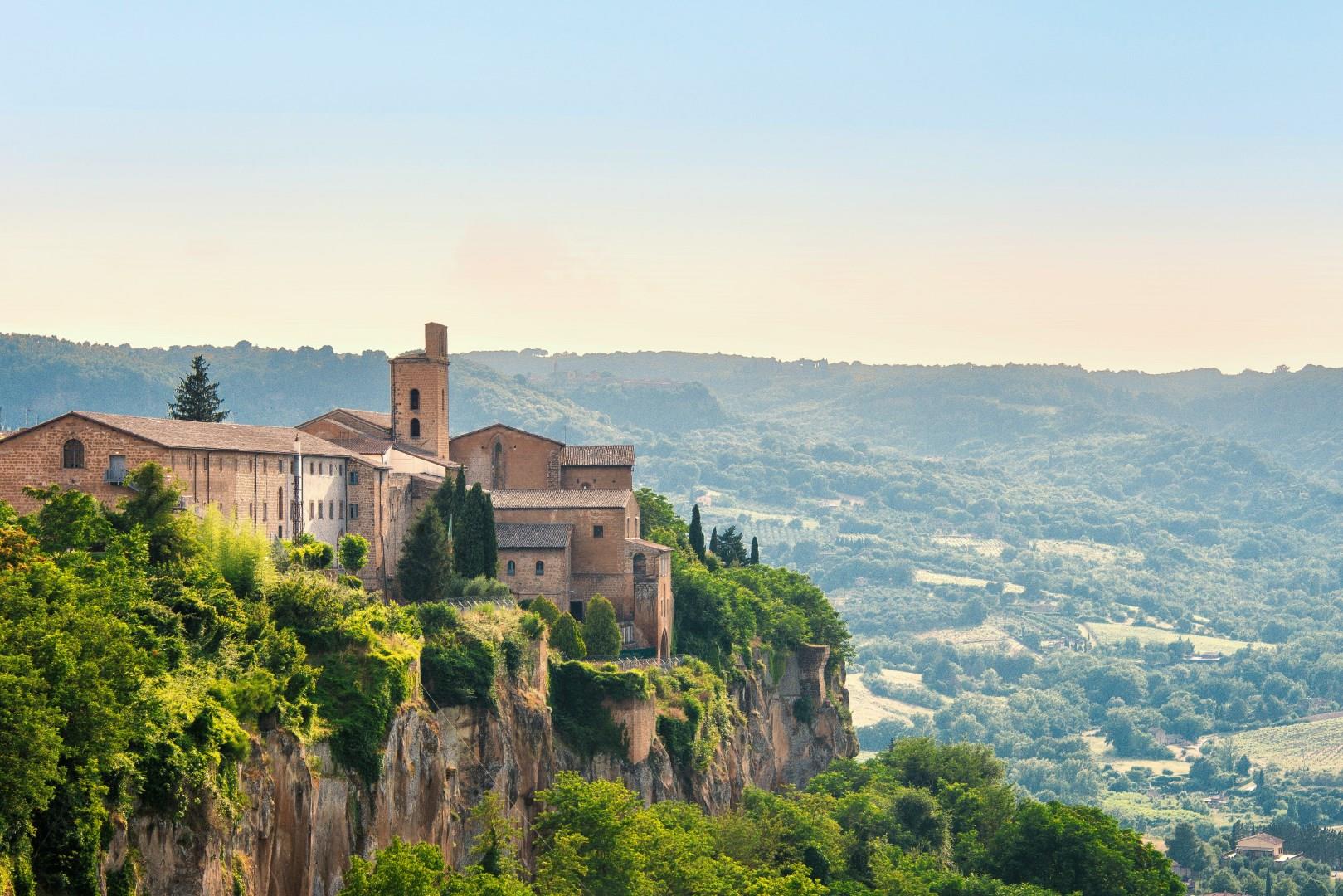
Orvieto
Orvieto, perched atop a volcanic tuff cliff in Umbria, Italy, is a town that effortlessly combines history, art, and striking landscapes. Its dramatic position overlooking the surrounding countryside immediately captures attention.

Malé
Located southwest of India and Sri Lanka, this small yet dense island capital is the cultural center of the Maldives.
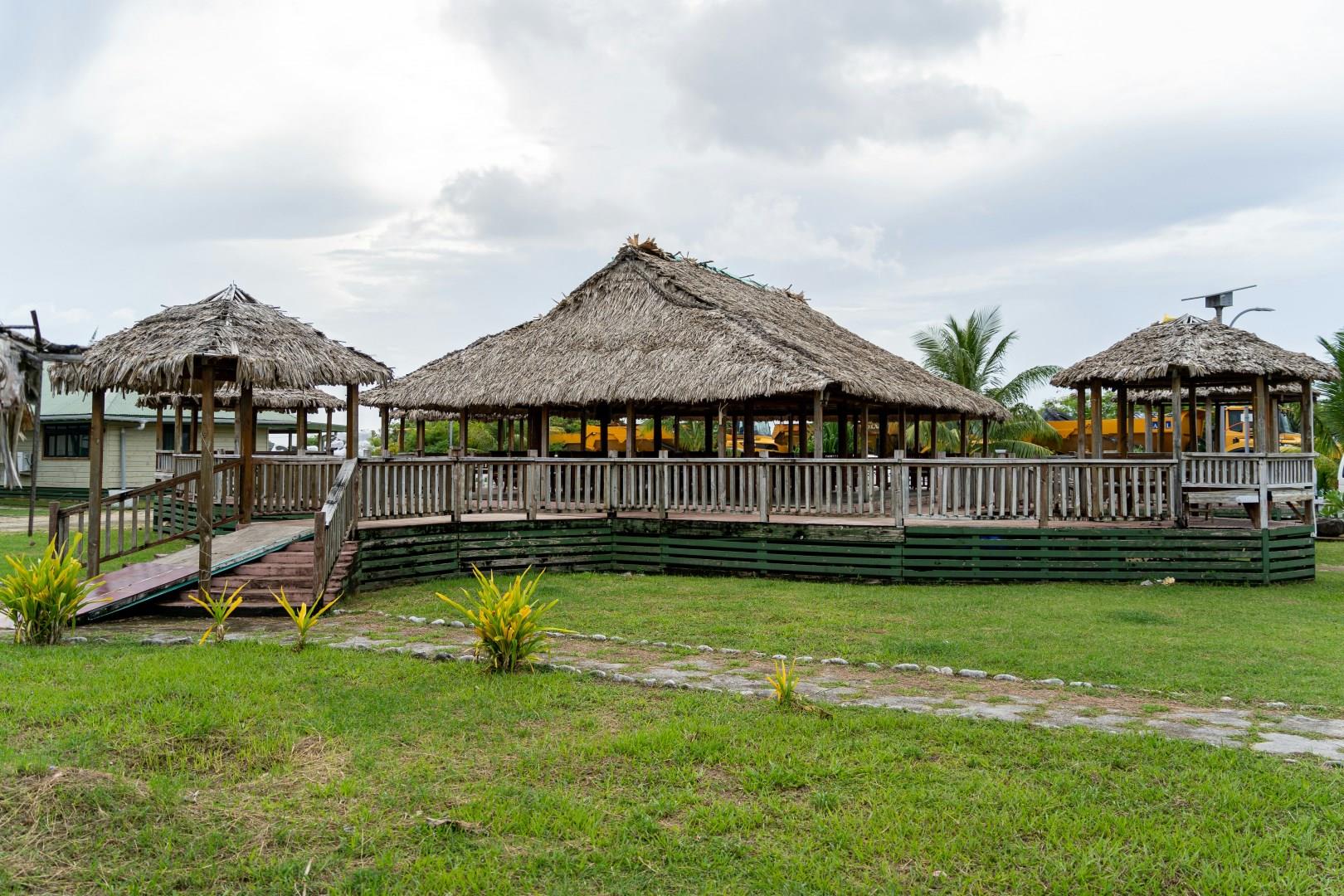
Funafuti Atoll
Funafuti Atoll, the capital of Tuvalu, is a narrow strip of land wrapped around a brilliant turquoise lagoon that stretches over 20 kilometers across. Despite being just 600 meters at its widest point, Funafuti is the heartbeat of the country, where government buildings, homes, schools, and the island’s only airport all coexist along sandy roads lined with coconut trees.

Estonia
>Estonia, a hidden gem in Northern Europe, boasts a fascinating mix of medieval charm and modern vibrancy. The capital city, Tallinn, is renowned for its well-preserved medieval Old Town, a UNESCO World Heritage Site. Wander through the cobbled streets of the Old Town, where you’ll encounter stunning Gothic architecture, including the impressive Alexander Nevsky Cathedral and the Town Hall, with its ornate spire and charming square.
