
Mayaro Bay
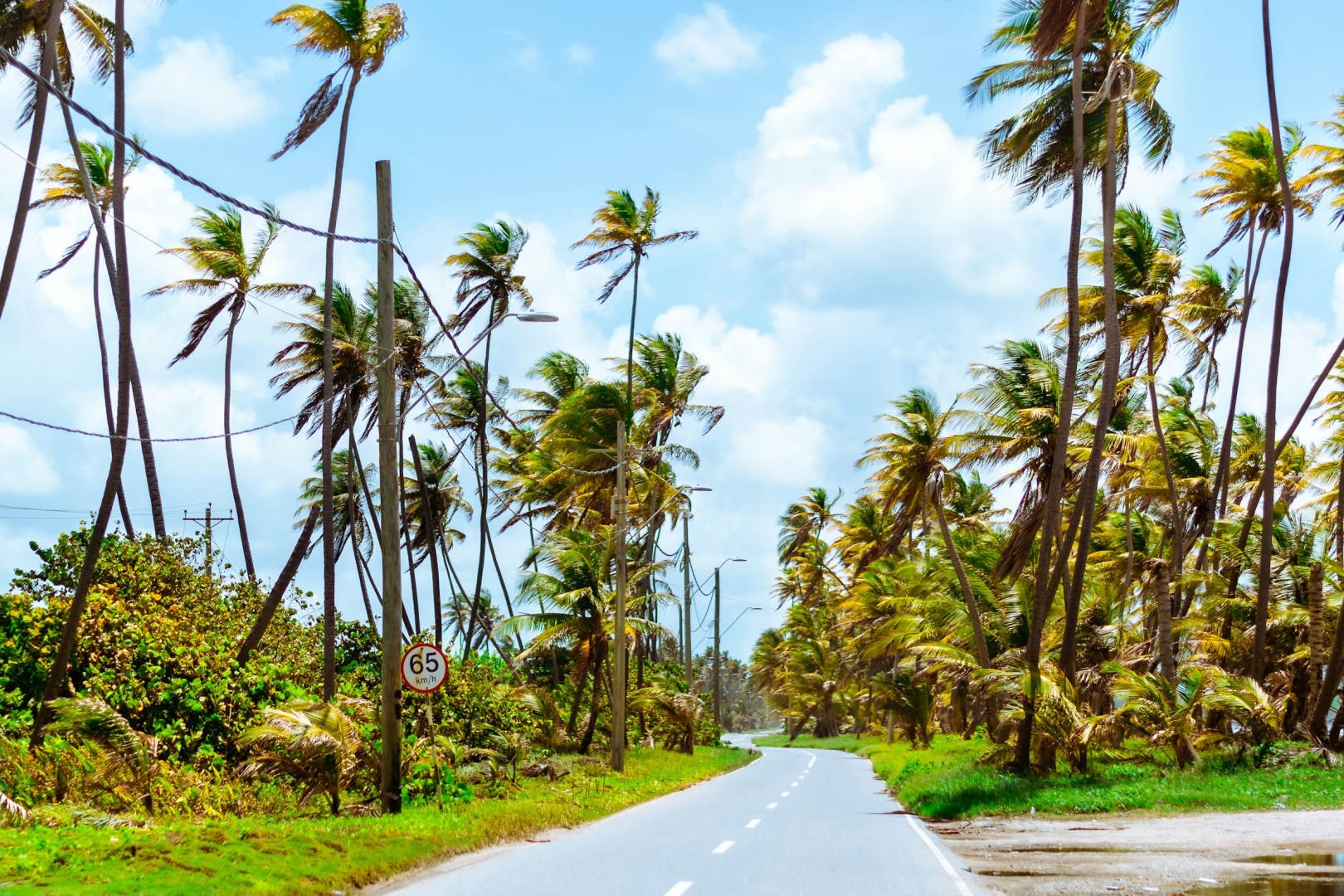
Mayaro Bay is a long stretch of coastline on the southeastern side of Trinidad, facing the Atlantic Ocean and extending along the Mayaro coast. The area is known for its broad sandy beaches, coconut palms, coastal vegetation, and low-lying landscapes shaped by the sea. Unlike Trinidad’s more developed northwestern coastal districts, Mayaro has a more rural character, with villages, fishing activity, small farms, and scattered residences along the shoreline.
Ajloun
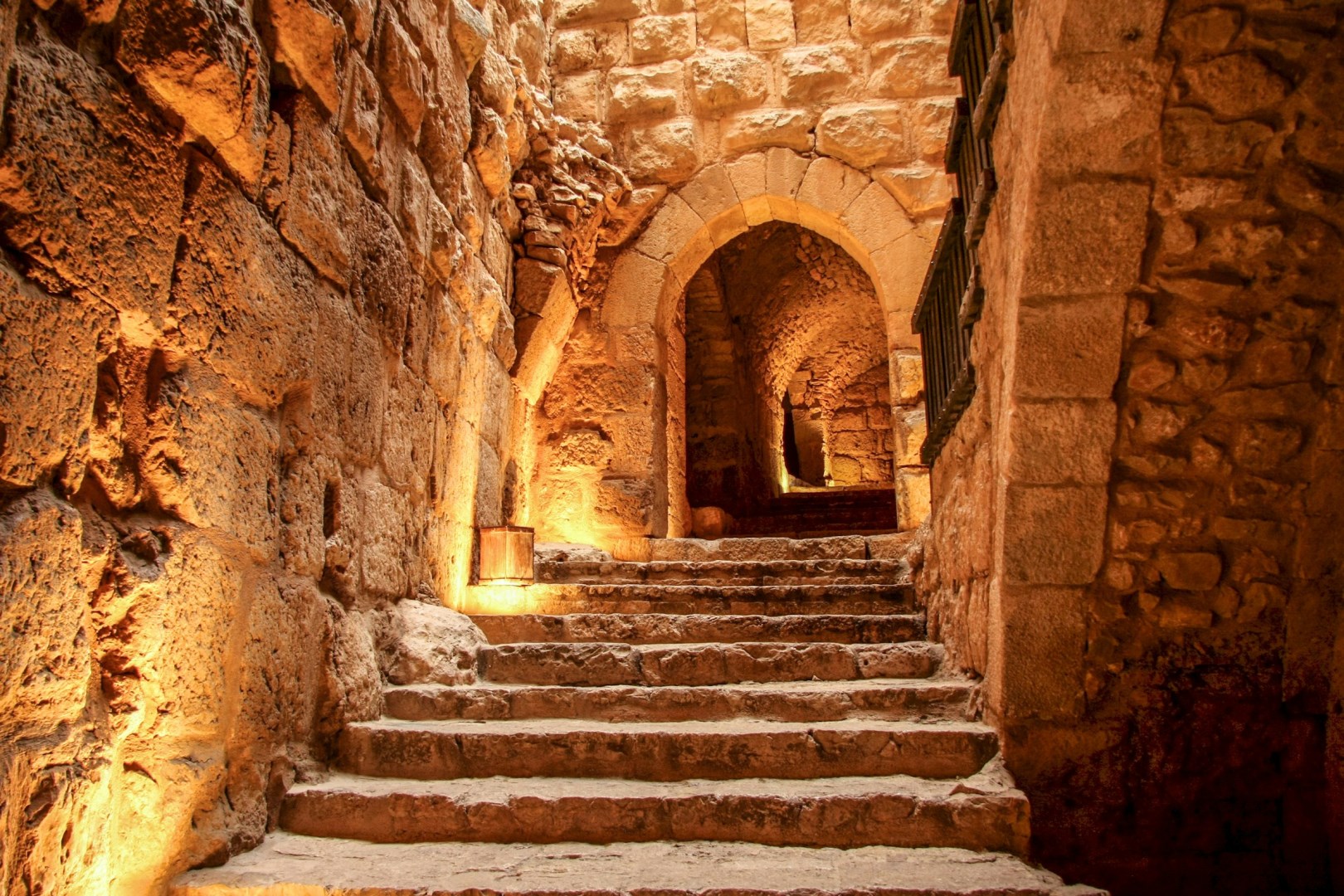
Attractions in Ajloun include the 12th century Saracen Castle built by Saladin in the campaign against the Crusaders.
Two Hummock Island
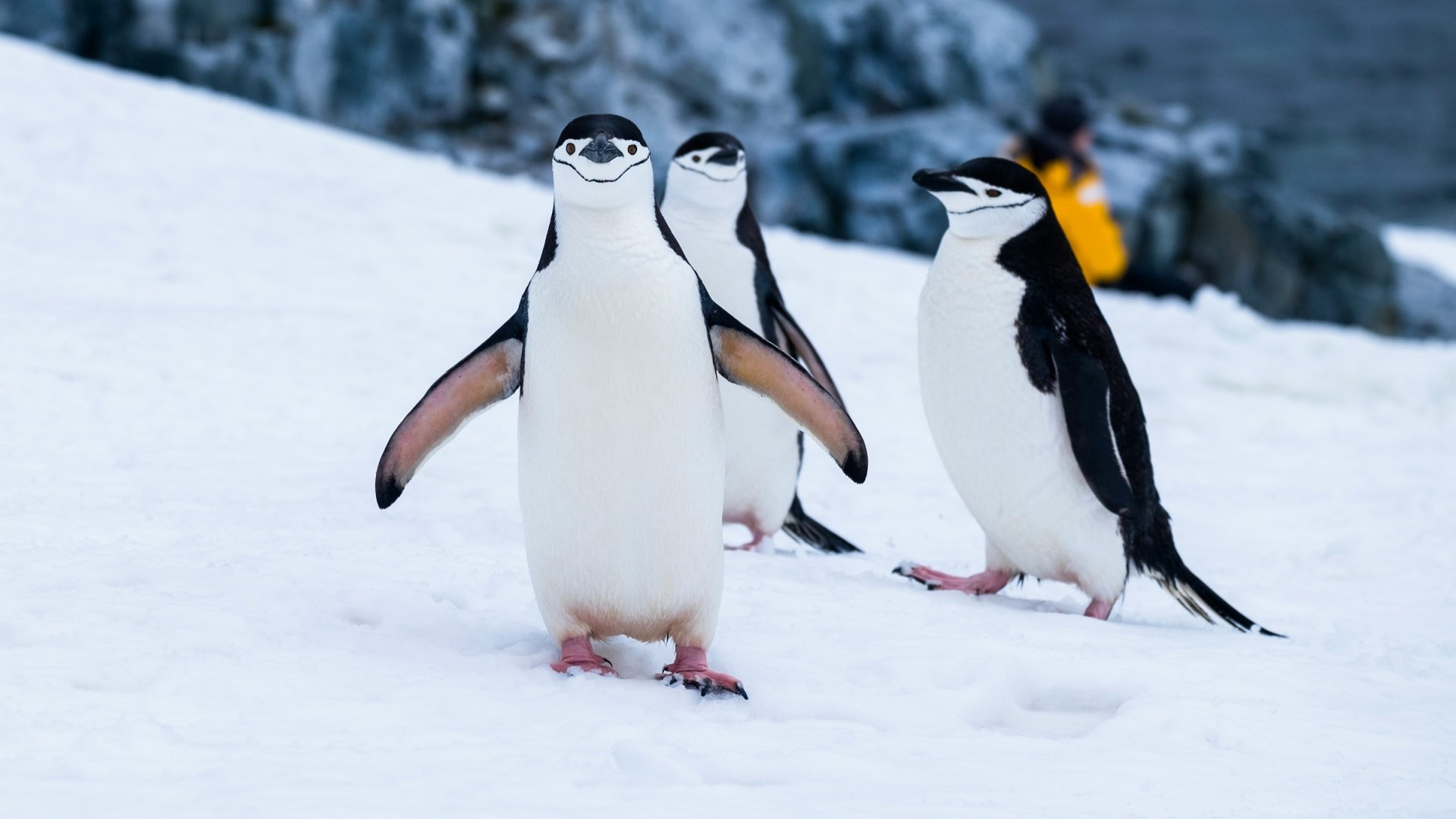
Two Hummock Island is a mountainous island off the west coast of the Antarctic Peninsula, separated from the mainland by the Lemaire Channel region and surrounded by ice-filled waters. The island is named for its two prominent peaks, which rise above a rugged landscape of snow, rock, and glaciers. Its remote setting makes it a less frequently visited destination than some nearby Antarctic sites, but expedition vessels may approach the island for wildlife viewing, scenic cruising, or shore activi
Gruyère
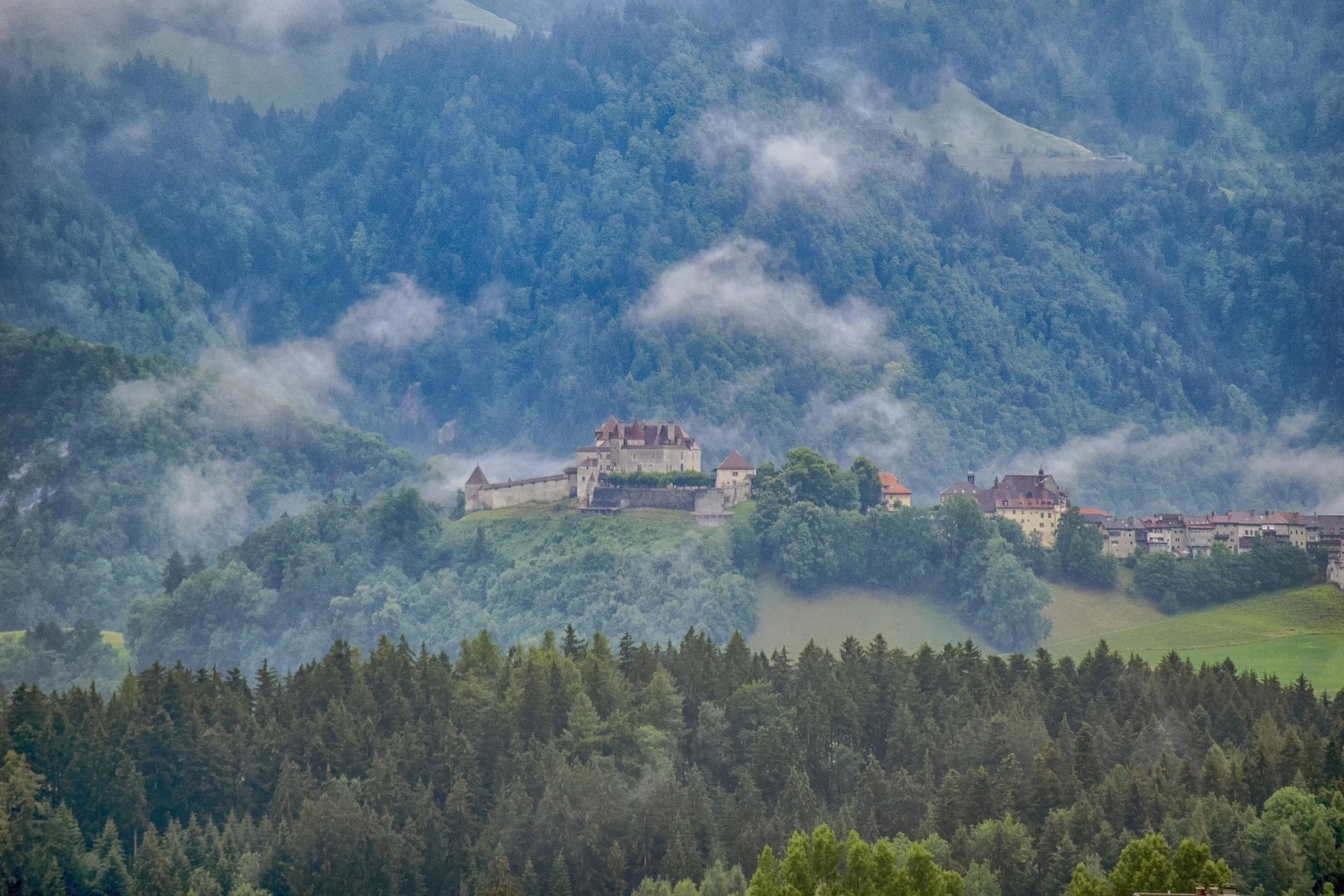
A district of west-central Switzerland, famous for its cheese and chocolate.

Cyprus
In Cyprus, travelers are immersed in a culture that draws on Europe, the Middle East, and 9000 years of constant invasion. Crusader castles rub shoulders with ancient vineyards, frescoed monasteries overlook citrus orchards, and sandy, sun-soaked feet tread Roman mosaic floors.
