
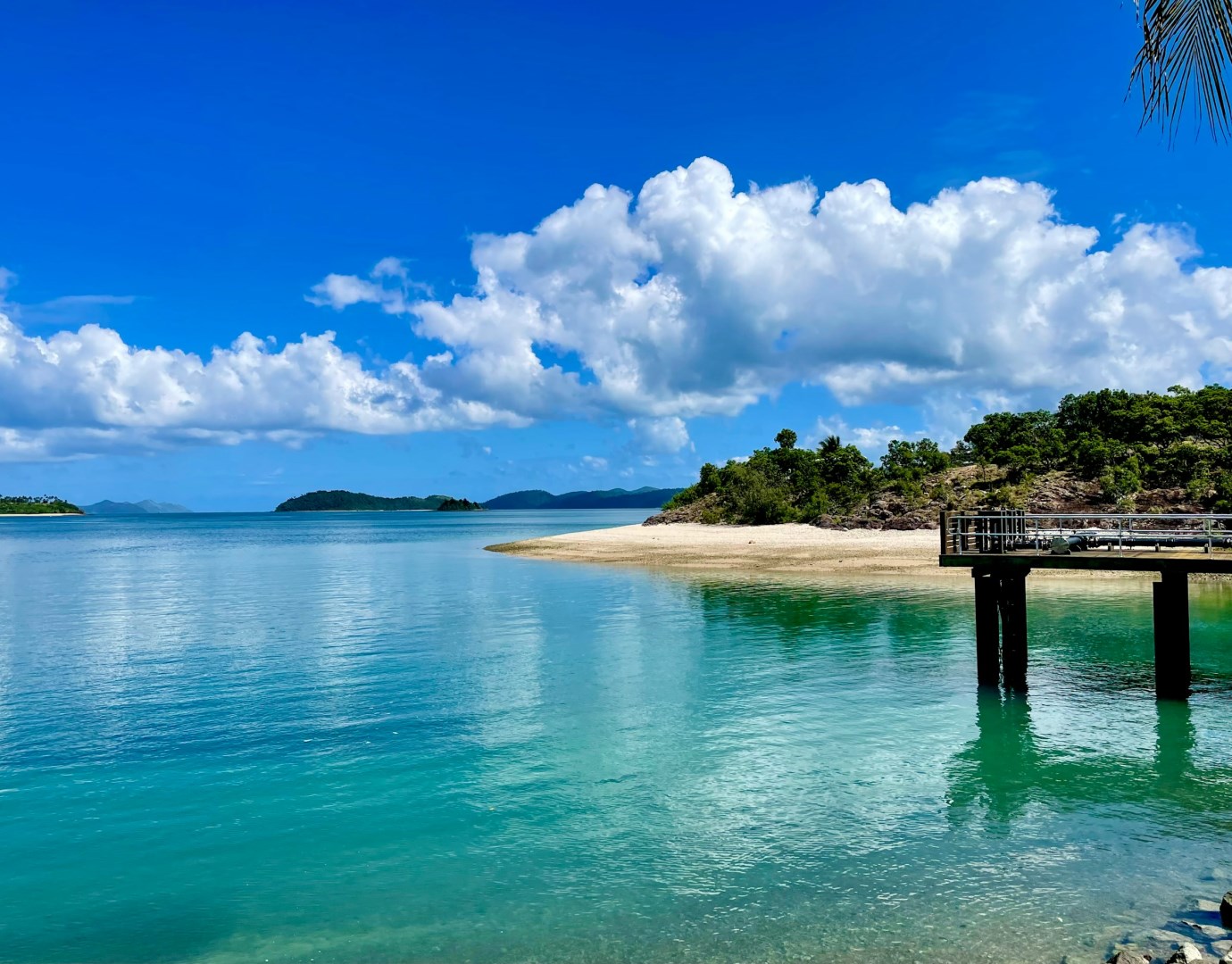
Hamilton Island
An island off the northeast coast of Australia, south of Whitsunday Island, and part of the Cumberland Island Group.
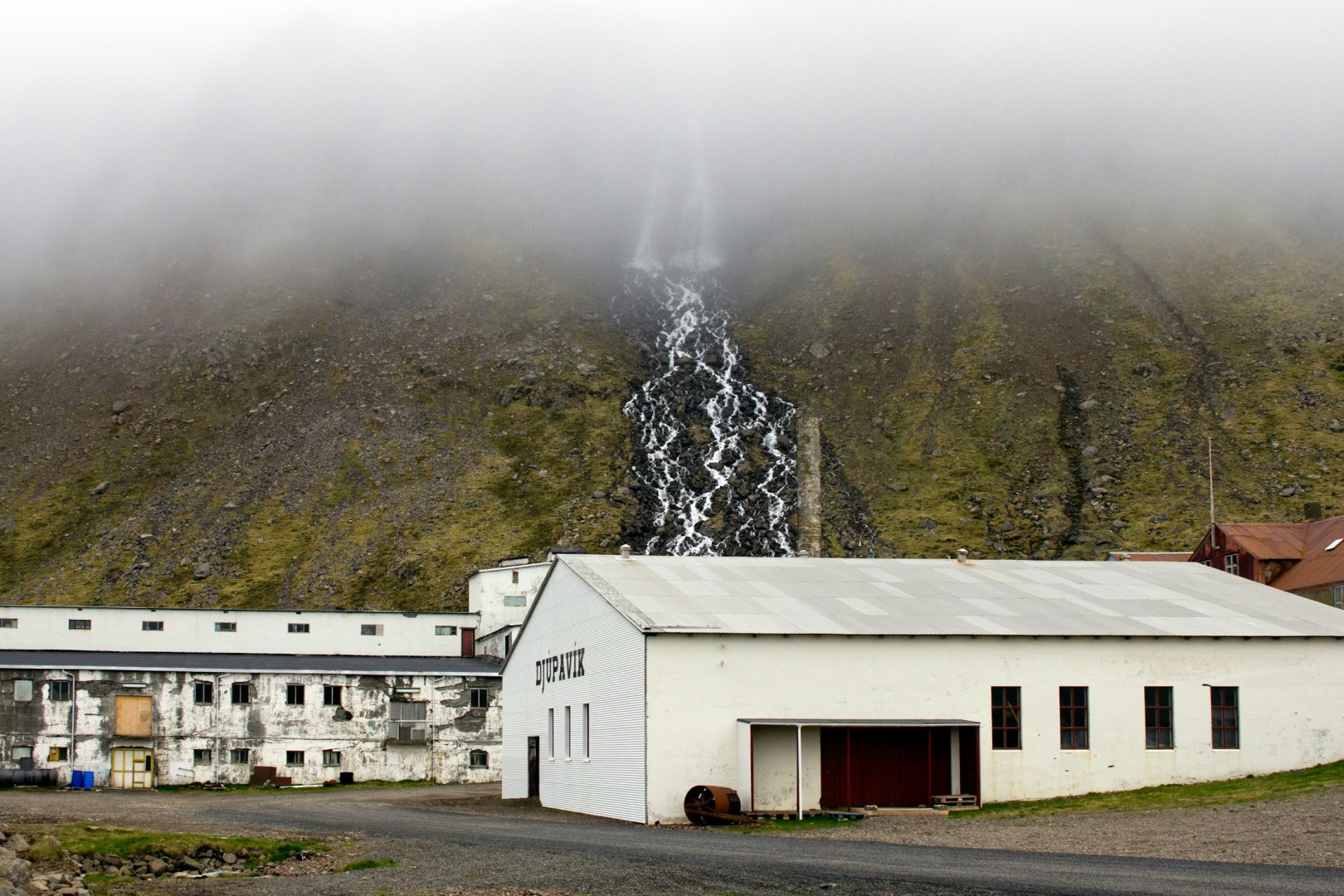
Djúpavík
Djúpavík is a tiny settlement on the shore of Reykjarfjörður in the remote Strandir region of Iceland’s Westfjords. The village is surrounded by steep mountains, a narrow fjord, and largely undeveloped coastal landscapes, with only a handful of buildings clustered beside the water. Its identity is closely tied to the abandoned herring-processing complex that dominates the settlement.
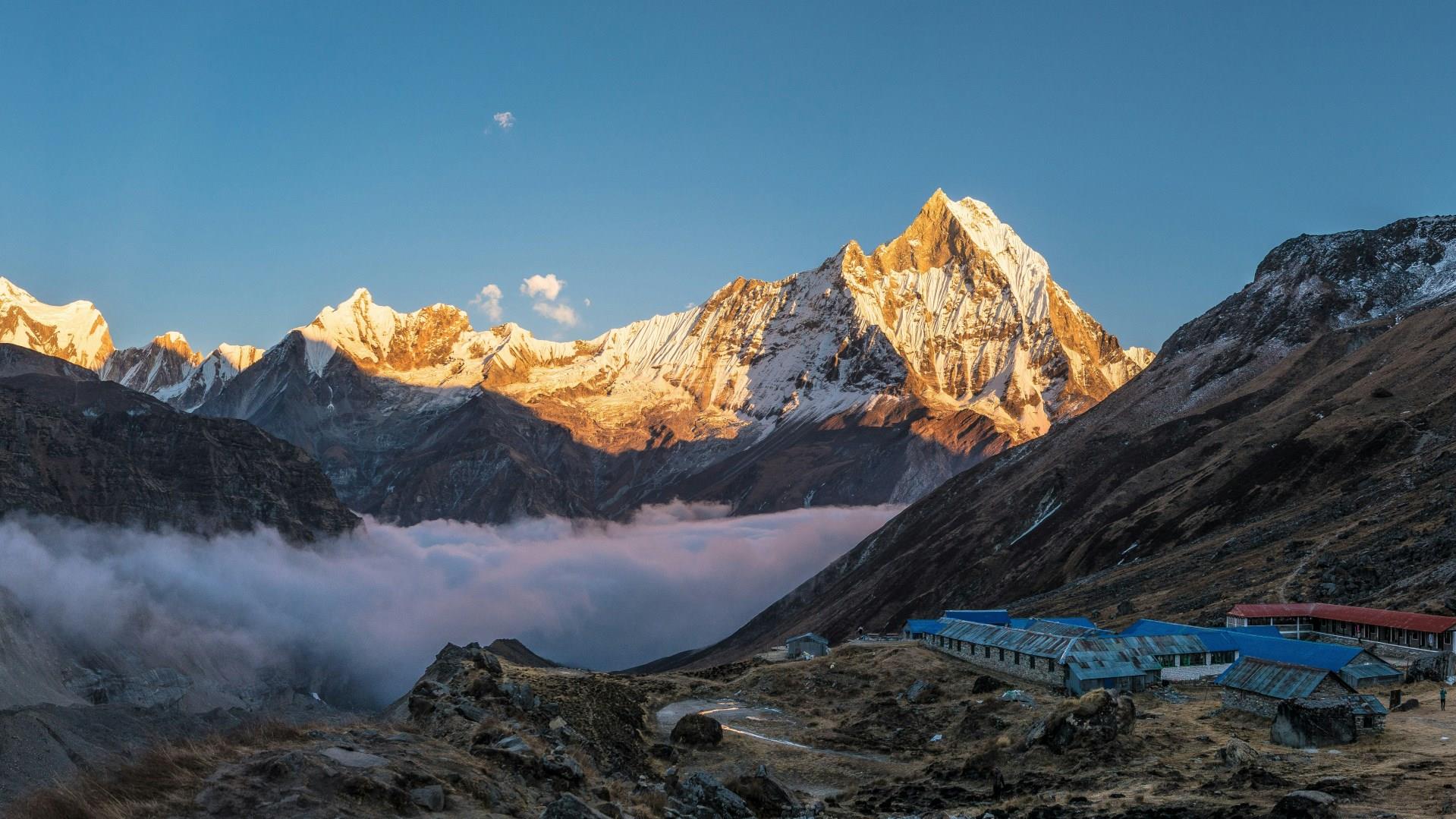
Annapurna
The Annapurna region of central Nepal is defined by both cultural depth and extreme topography. Home to a wide range of ethnic communities, including Gurung, Thakali, and Manangi peoples, the area has long been shaped by trans-Himalayan trade routes and mountain agriculture.

Spitzkoppe
Spitzkoppe, often referred to as the "Matterhorn of Namibia," is a stunning granite peak rising majestically from the desert floor, offering some of the most dramatic landscapes in the country. Located between Usakos and Swakopmund, this isolated mountain range, with its highest point standing at 1,728 meters, is a paradise for hikers, climbers, and nature lovers. The area is also rich in ancient San rock art, providing visitors with a glimpse into Namibia's prehistoric past.
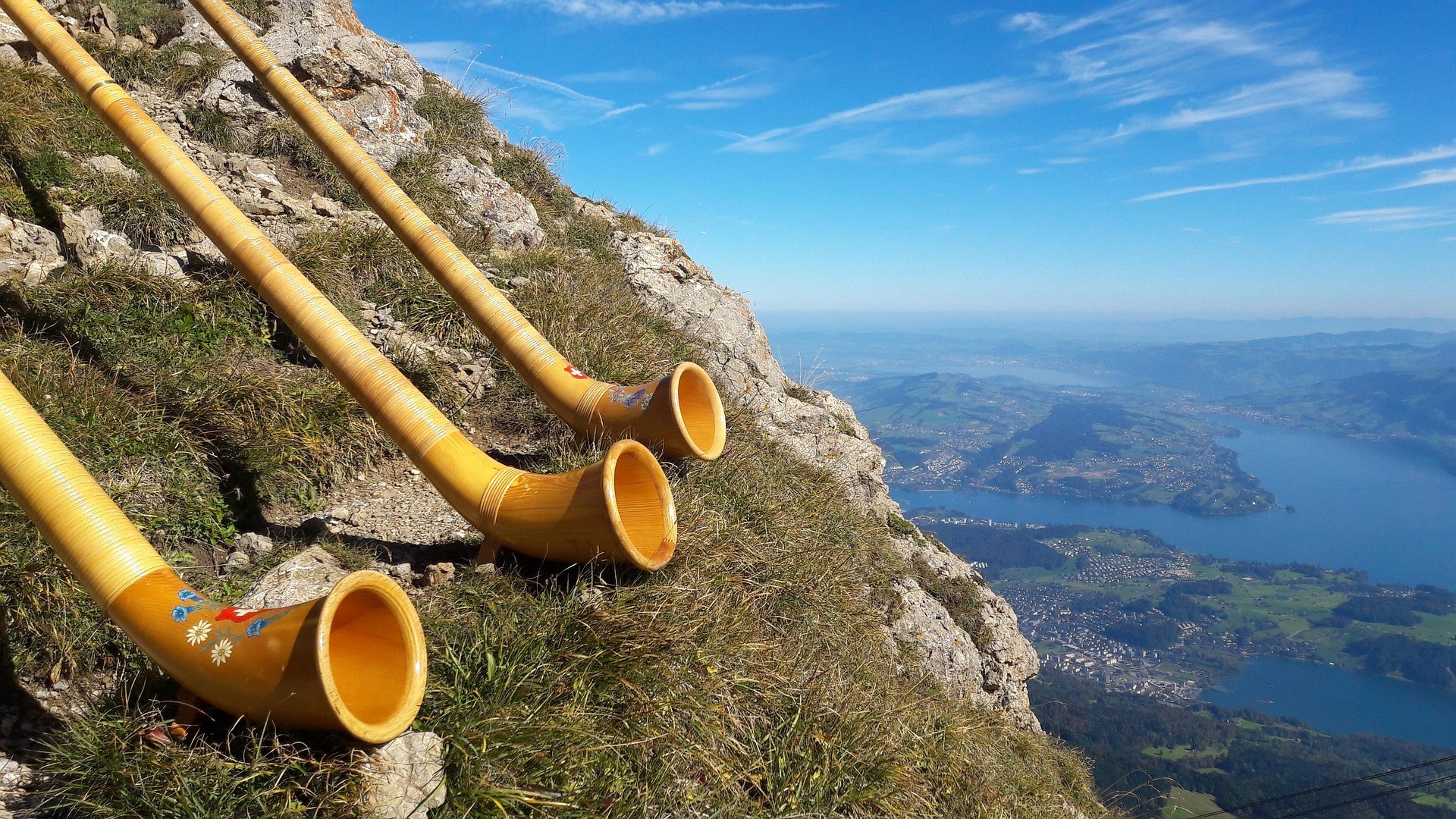
Switzerland
Switzerland's daily life appears to be full of contradictions: the old and the new, natural beauty and industrial production, neutrality and international frankness. These sharp contrasts go hand in hand, and this unity is the real reason that this small country in the heart of Europe has developed into such an important communication and trading partner in the world today. It is Switzerland's contrasts - its diversity which attracts both the businessman and the tourist alike.
