

Mississippi
Mississippi, a state rich in history and culture, offers a unique blend of Southern charm and historic significance. For those drawn to natural beauty, Mississippi's landscape is a tapestry of rolling hills, dense forests, and scenic rivers.
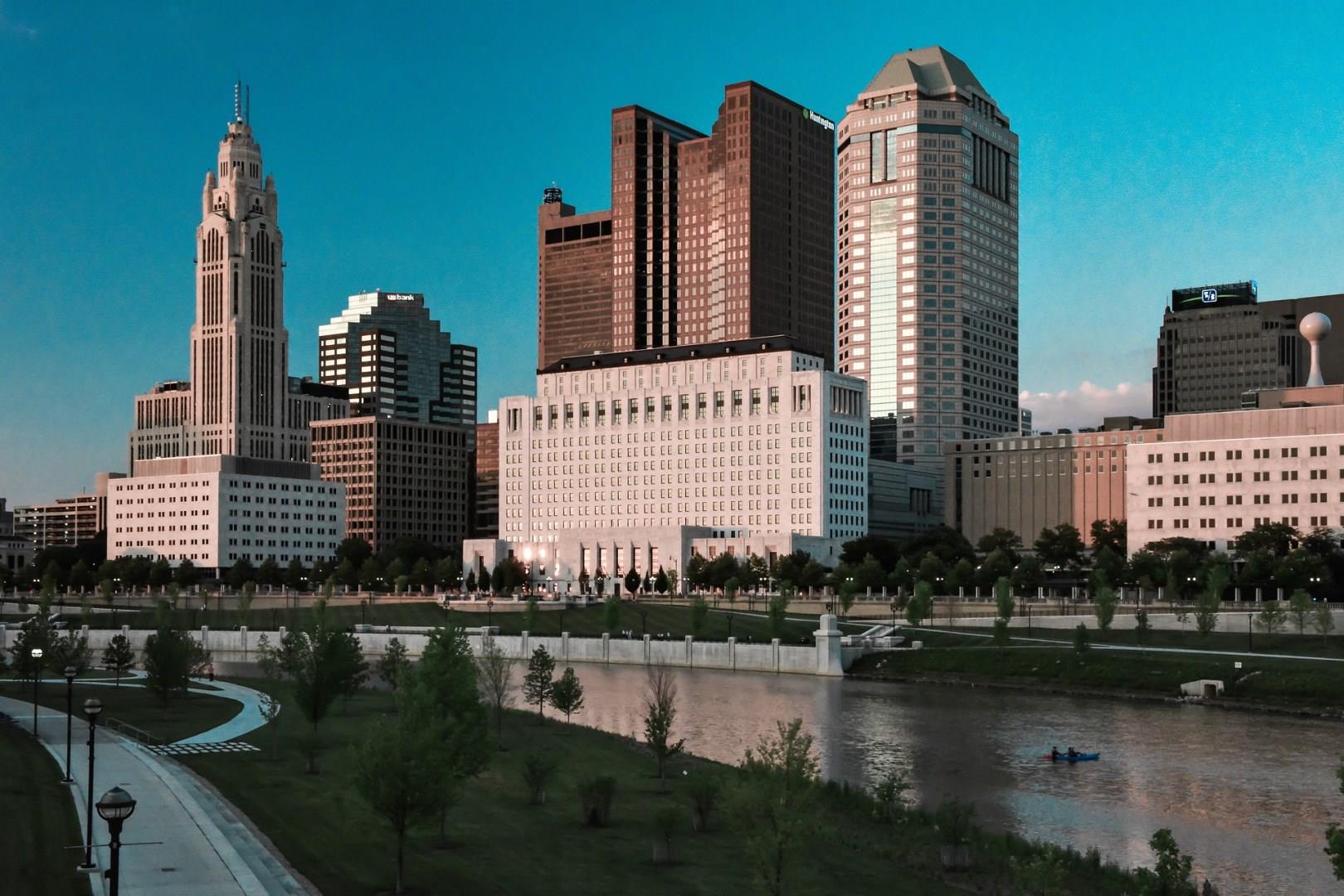
Columbus
Columbus, city and seat of Muscogee County, western Georgia, a port at the head of the Chattahoochee River, opposite Phenix City, Alabama. Columbus is a regional transportation, trade, cultural, and manufacturing hub. Its many textile, food-processing, and metalworking industries are powered by hydroelectric plants on the Chattahoochee River.

Mahon
Mahón, the capital of Menorca, one of the Balearic Islands in Spain, is a charming and historic city that offers a blend of Mediterranean beauty, rich culture, and vibrant history. Located on the eastern coast of the island, Mahón boasts a picturesque harbor, which is one of the largest natural harbors in the world.

Speyer
Speyer, located in the Rhineland-Palatinate region of Germany, is a city rich in history and culture. One of its most notable landmarks is the Speyer Cathedral, a UNESCO World Heritage Site and one of the largest Romanesque churches in the world.
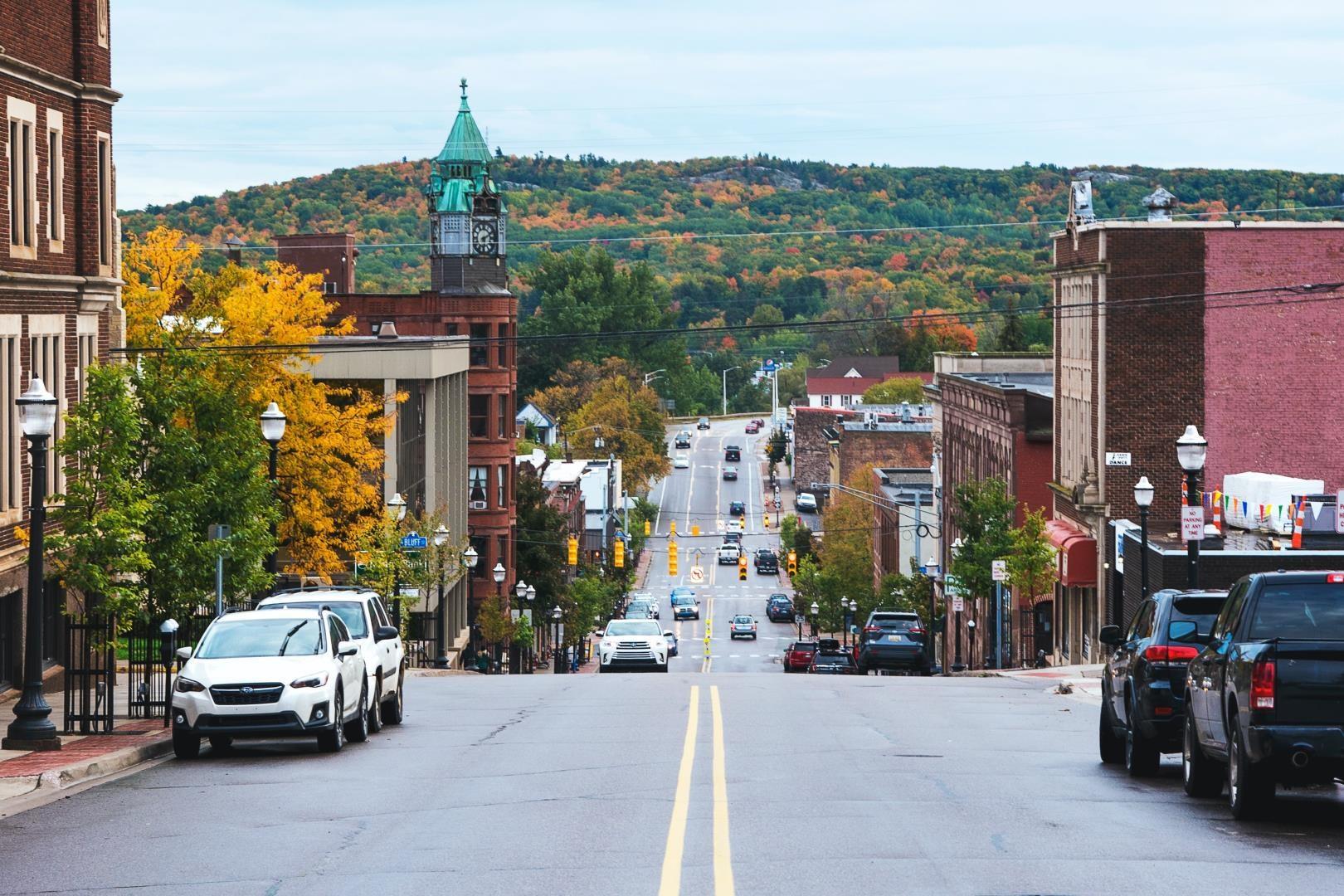
Marquette
West of Hiawatha National Forest, Marquette sits on the shore of Lake Superior and is the biggest city on Michigan's Upper Peninsula. Visit historic Marquette Harbor Lighthouse for spectacular panoramic views of Superior, or take advantage of snowy Marquette Mountain and a variety of winter sports at the height of Marquette's winter season.
