
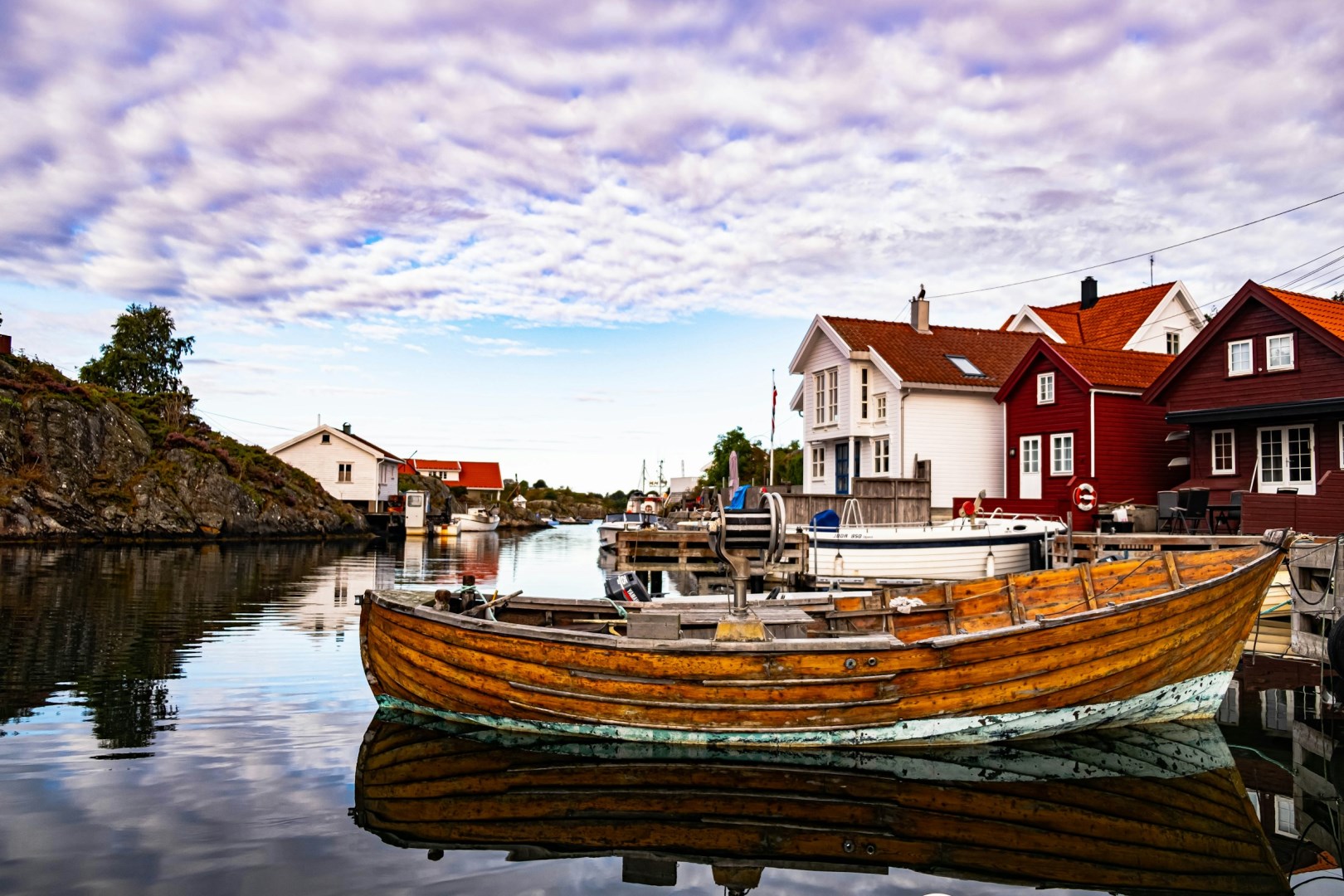
Kristiansand
Located on the southern coast of Norway, Kristiansand is a charming port city and a favorite summer destination for locals and tourists alike. Highlights of this coastal gem include the Christiansholm Fortress, the Kristiansand Zoo, the Kristiansand Cathedral, Gimle Gård, and the Fiskebrygga wharf.
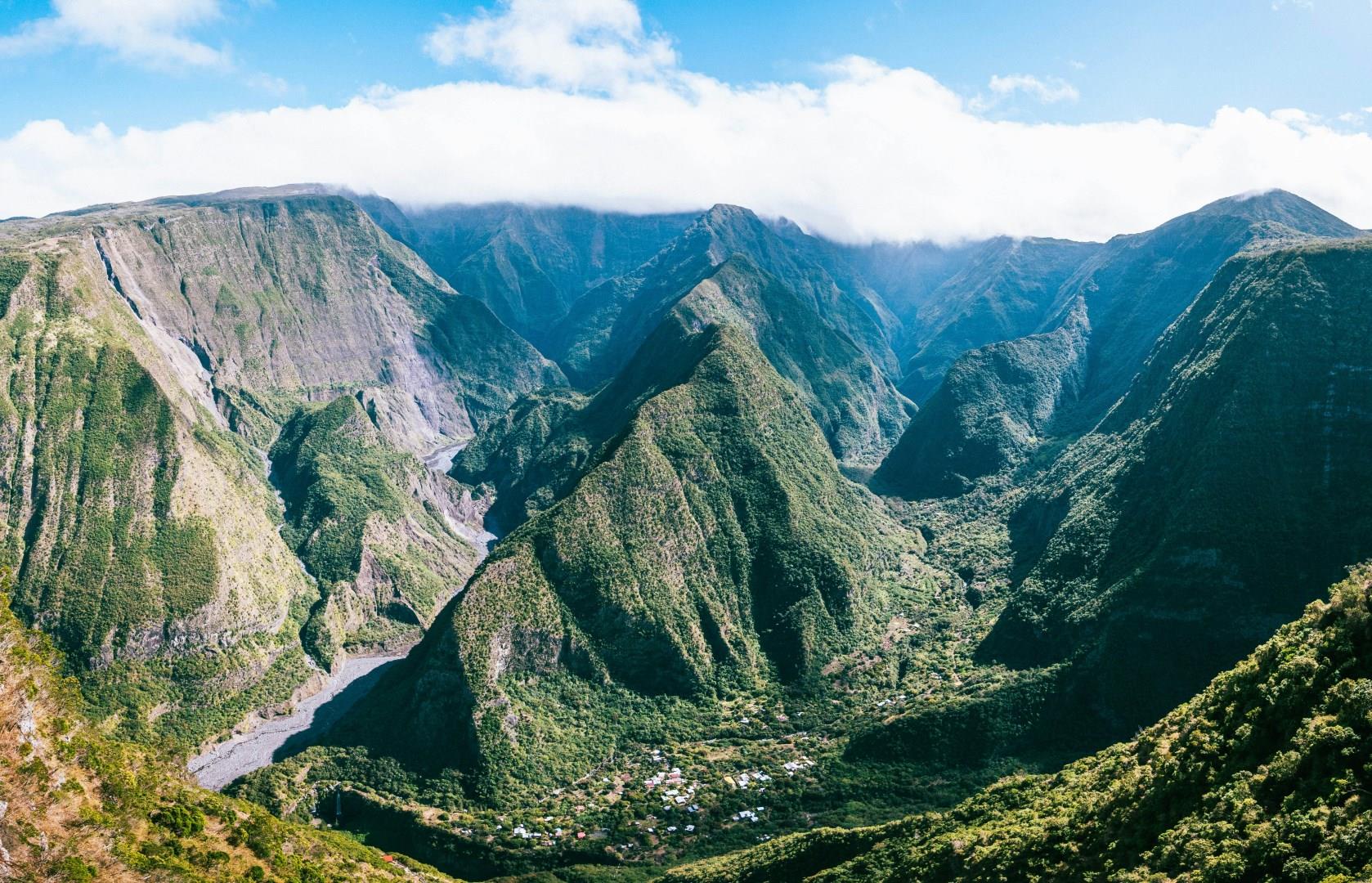
Réunion
Réunion, a French overseas department in the Indian Ocean, lies east of Madagascar and combines European and Creole influences in a tropical setting. Its volcanic landscapes, lush forests, and coastal towns make it an extraordinary destination for those seeking both culture and nature.
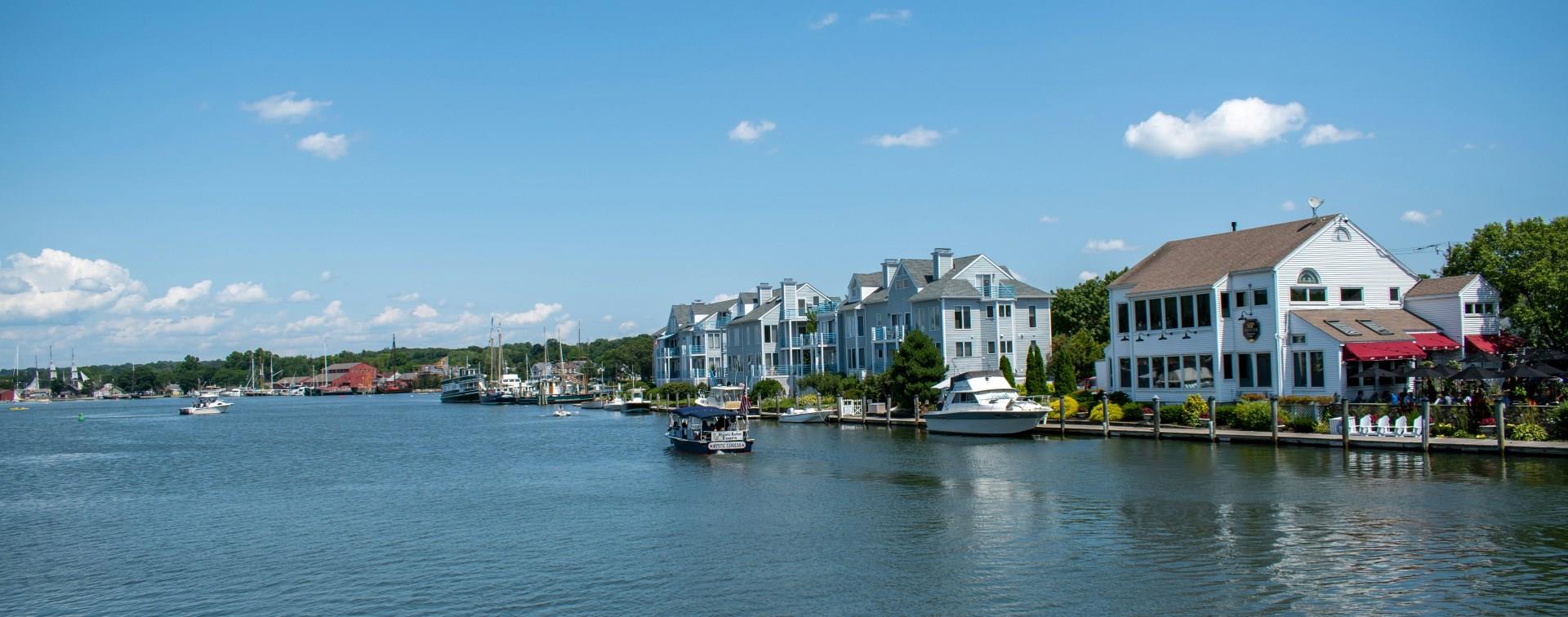
Mystic
Mystic, Connecticut, is a small town with a big story, one shaped by shipbuilders, sea captains, and centuries of maritime tradition. Once a bustling shipbuilding center during the 18th and 19th centuries, Mystic still carries the soul of a working seaport. Today, visitors can explore its nautical past at the Mystic Seaport Museum, home to America’s last wooden whaleship, the *Charles W. Morgan*.
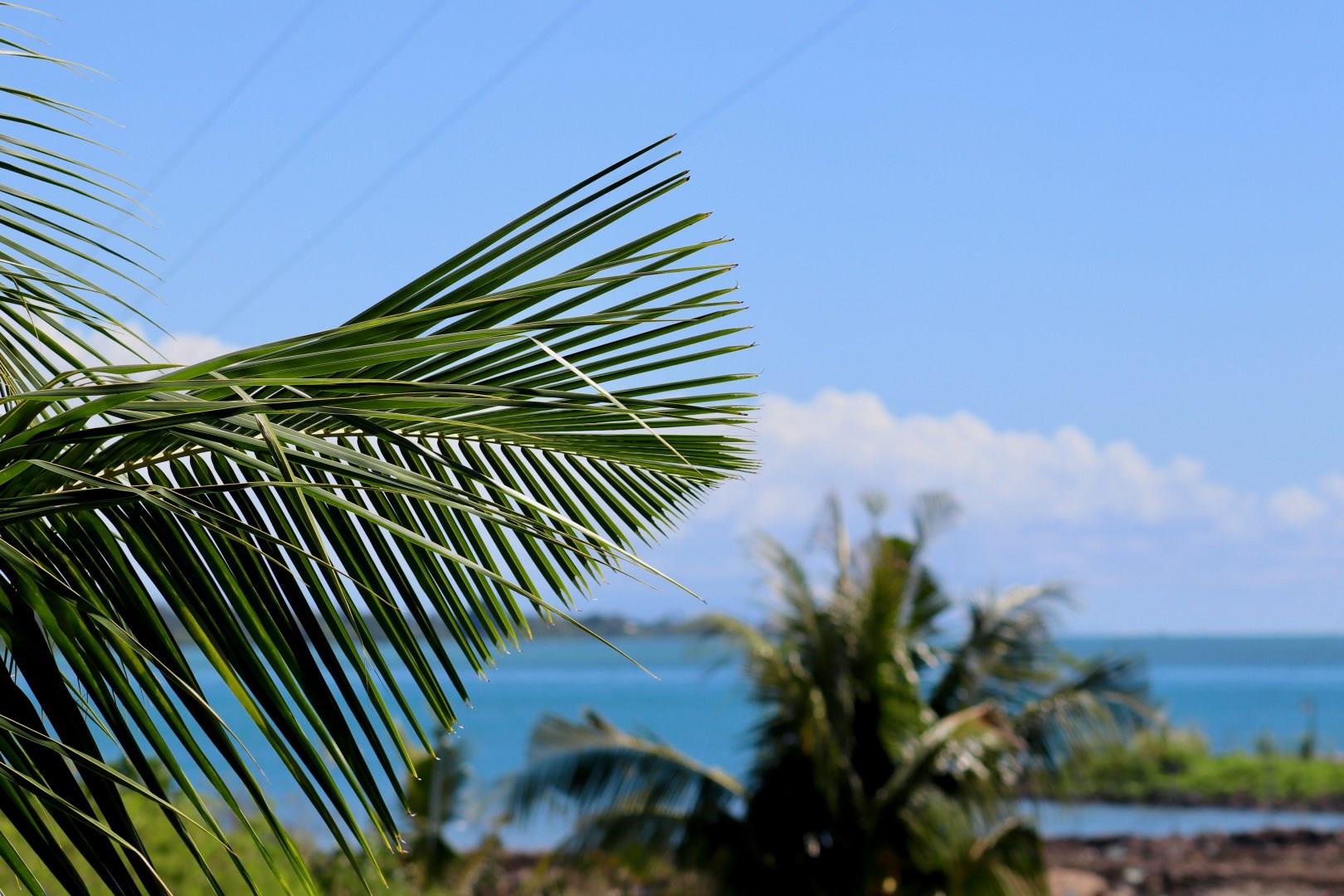
Apia
Apia, the lively capital of Samoa, sits on the north coast of Upolu island and blends the island’s rich traditions with a laid-back charm that’s hard to miss. Once a small village, Apia has grown into a central hub where local culture, commerce, and history meet. From bustling markets to quiet waterfronts, Apia offers visitors a chance to experience Samoa’s rhythm at their own pace.
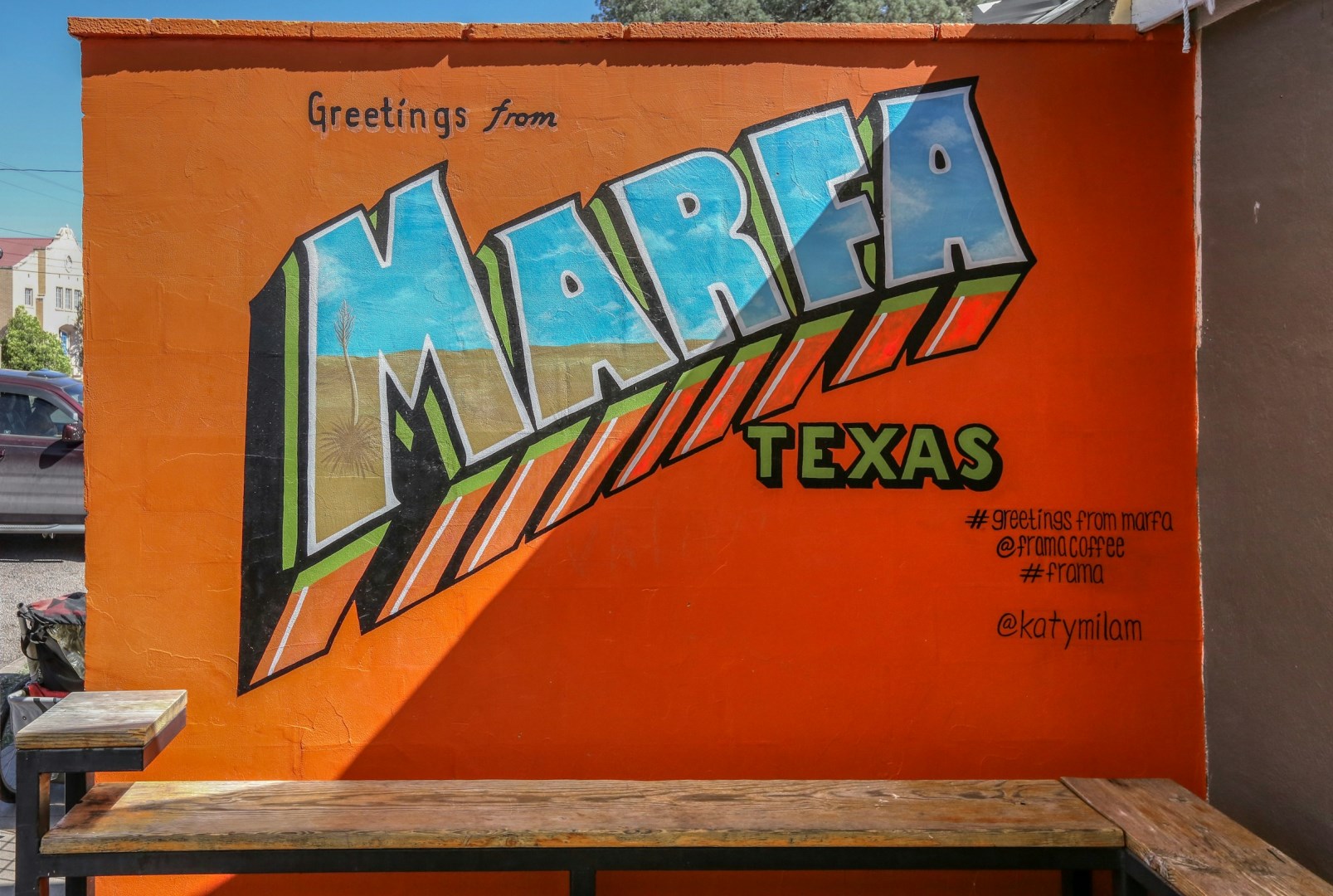
Marfa
This desert city in west Texas might be small in size, but it is big in arts! As an arts hub, founded by artist Donald Judd, it features both huge outdoor, and indoor, installations on an old army base. Whether you are looking for traditional, or quirky, in your art, Marfa has it.
