
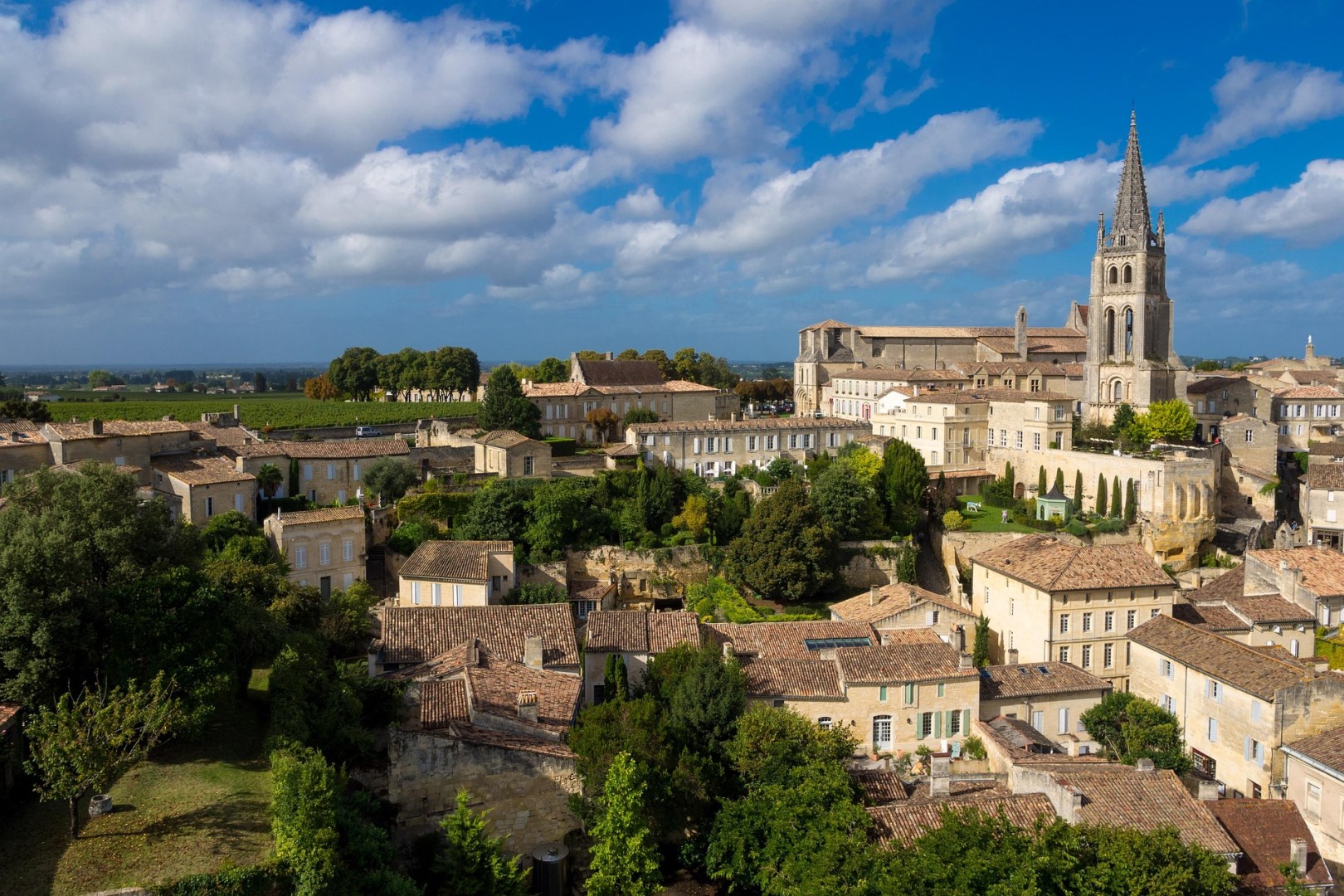
Saint-Émilion
Saint-Émilion, nestled in the heart of southwest France, is a living monument to centuries of craftsmanship, faith, and wine-making. Recognized as a UNESCO World Heritage Site since 1999, this medieval town sits on a limestone plateau surrounded by vineyards that date back to Roman times. Visitors can explore cobbled streets that wind past centuries-old stone houses, descend into underground catacombs carved by monks, and visit the astonishing Monolithic Church.
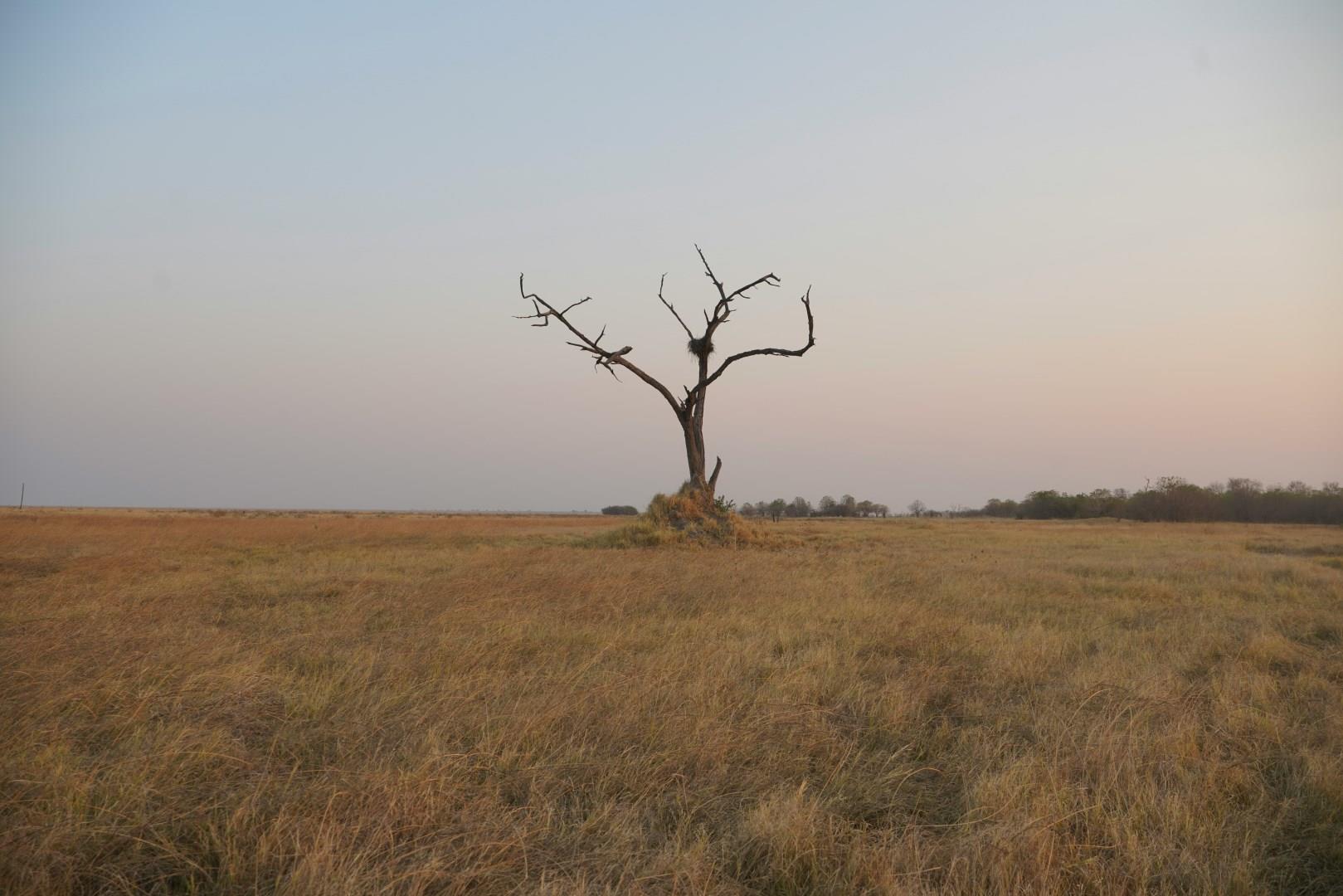
Maun
Maun, often referred to as the "tourism capital" of Botswana, is a vibrant gateway to the Okavango Delta, one of the world's largest inland deltas. Visitors can explore the nearby Moremi Game Reserve, known for its diverse wildlife and stunning landscapes, or take a scenic flight over the delta for a bird's-eye view of this spectacular UNESCO World Heritage Site.

Durban
Durban is a big subtropical city in the north-eastern province of KwaZulu/Natal. It has been a major port since the 1850s and is home to the largest concentration of Indian-descended people in the country - Mohandas Gandhi arrived here as an indentured labourer in 1893. Today the city is better known as a holiday-makers' fun parlour with a happening nightlife.

Sitka
Sitka is a coastal community on Baranof Island in Southeast Alaska, set between the forested slopes of the Alexander Archipelago and the waters of Sitka Sound. The city has a compact waterfront setting surrounded by temperate rainforest, islands, mountains, and productive marine waters. Sitka's location gives it a strong connection to fishing, boating, wildlife, and outdoor recreation, while its streets and historic buildings reflect both Tlingit and Russian influences.
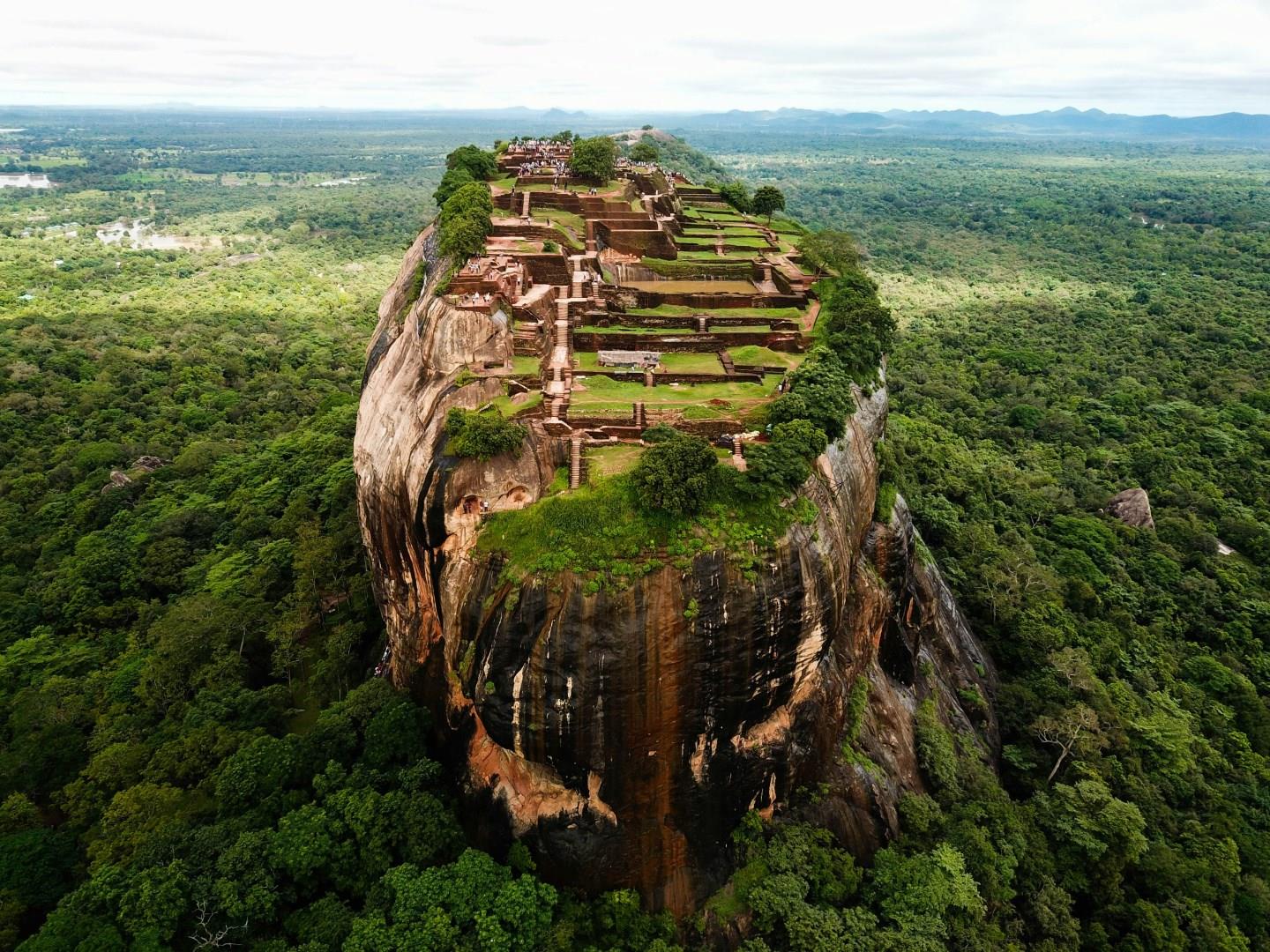
Sigiriya
Sigiriya, in central Sri Lanka, is an ancient rock fortress and one of the country’s most iconic archaeological sites. Rising nearly 200 meters from the surrounding plains, the massive granite column is crowned by the ruins of a royal palace built in the 5th century CE by King Kasyapa.
