
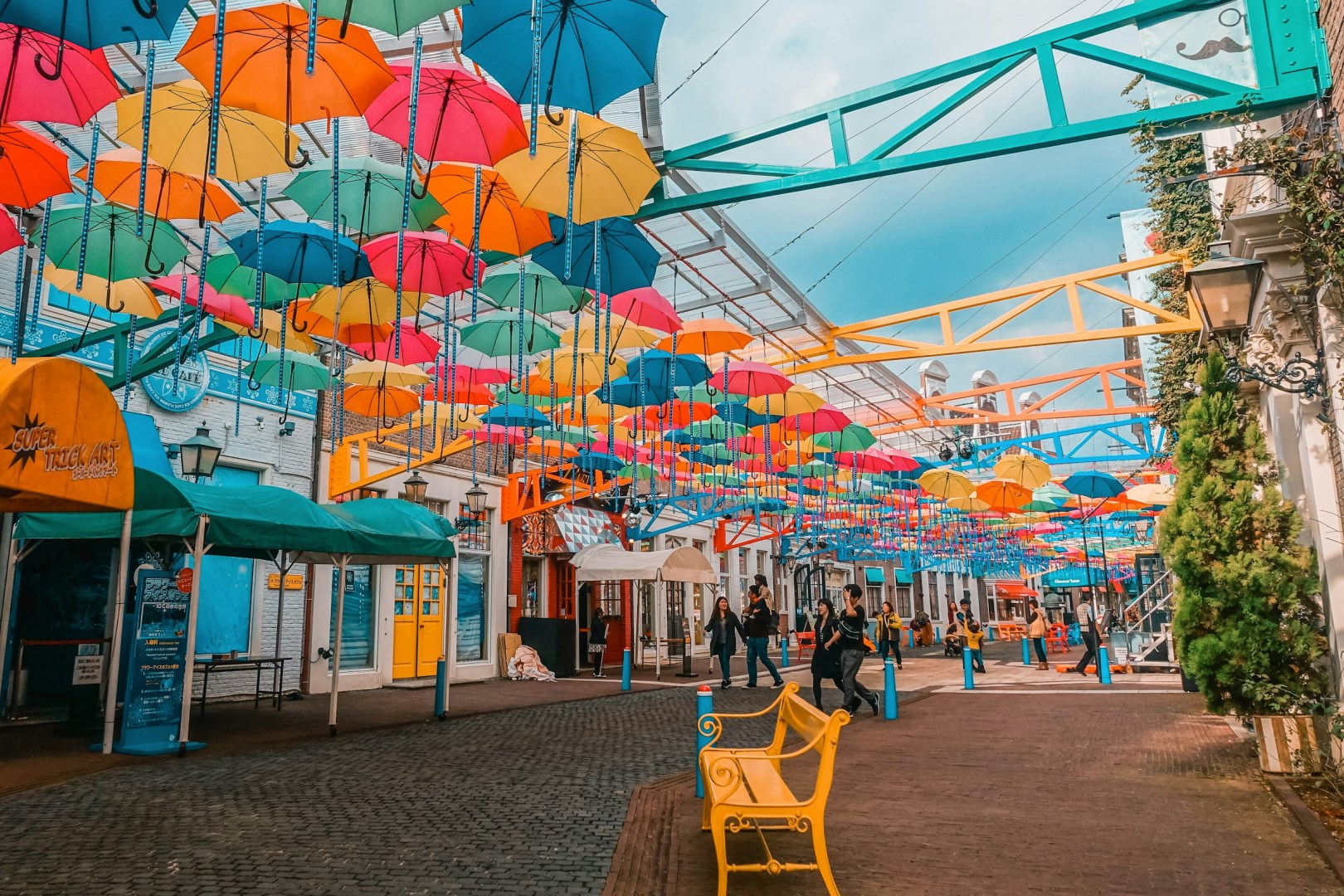
Sasebo
Sasebo is a port city in Nagasaki Prefecture on the northwestern coast of Kyushu, shaped by its sheltered harbor, islands, and long maritime connections. Its identity reflects both Japanese and international influences, with naval facilities, American cultural connections, and a busy waterfront existing alongside traditional neighborhoods. The city is also a gateway to the Kujukushima area, a coastal landscape known for its many small islands and winding shorelines.

Norway
Norway offers a landscape shaped by glaciers, framed by fjords, and steeped in Viking history. The country's coastline stretches for over 100,000 kilometers if you count every inlet and island, which makes it one of the longest in the world. Travelers can take a ferry through the Geirangerfjord or cruise along the Lofoten Islands, where steep mountain peaks rise dramatically from the sea. These routes aren’t just scenic; they’ve been lifelines for coastal communities for centuries.
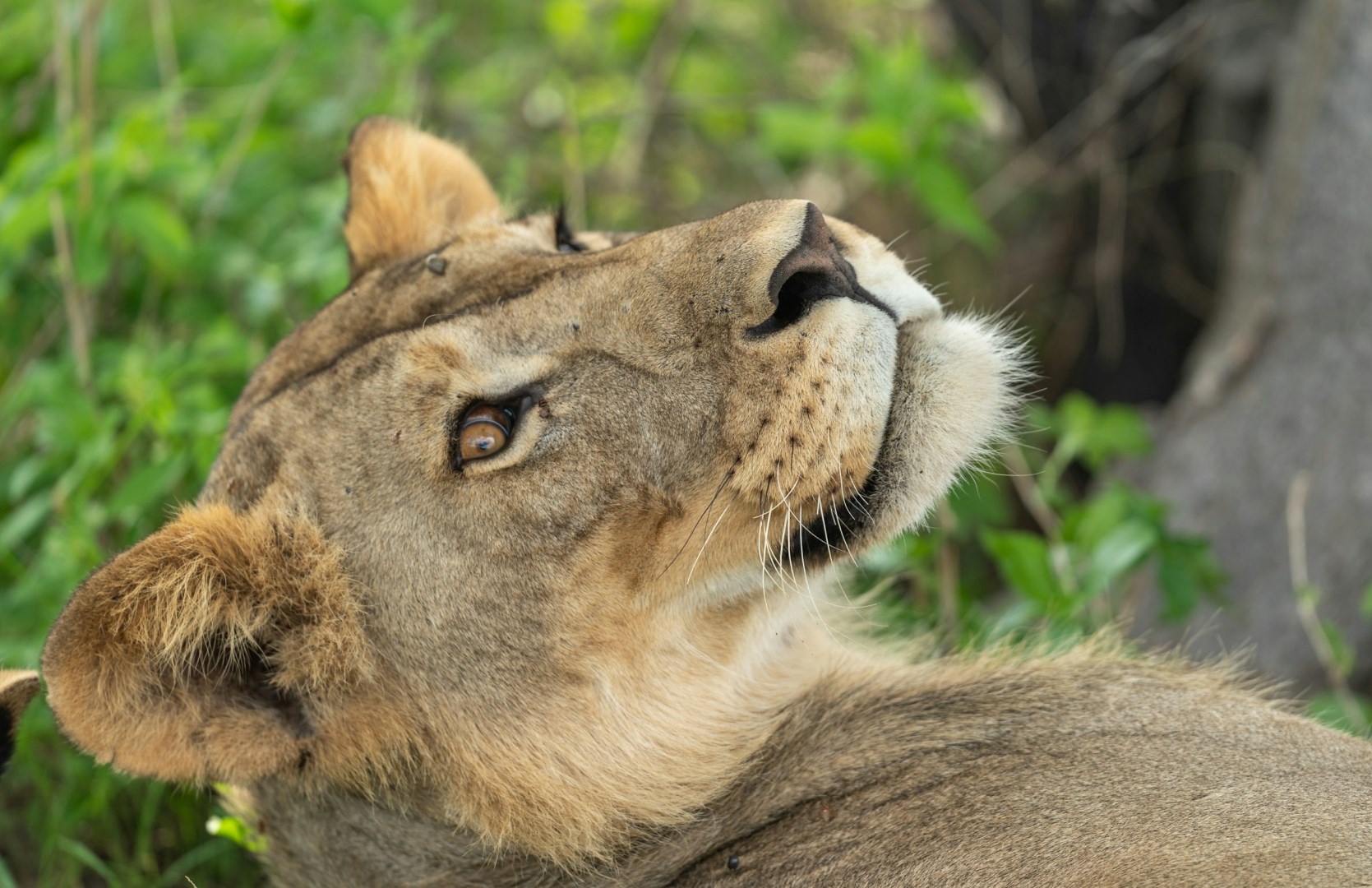
Ruaha National Park
Ruaha National Park is a vast protected area in south-central Tanzania, covering about 20,226 square kilometres. The park is defined by a varied landscape of open savanna, miombo woodland, rocky hills, seasonal rivers, and large baobab trees. The Great Ruaha River forms one of its most important natural features, providing water and supporting wildlife across the surrounding plains.

Ljubljana
Ljubljana, Slovenia's charming capital, offers a delightful blend of historical allure and modern vibrancy. Nestled along the Ljubljanica River, this picturesque city invites visitors to explore its well-preserved medieval architecture and vibrant cultural scene. At the heart of Ljubljana is the iconic Ljubljana Castle, perched on a hilltop with stunning panoramic views of the city.
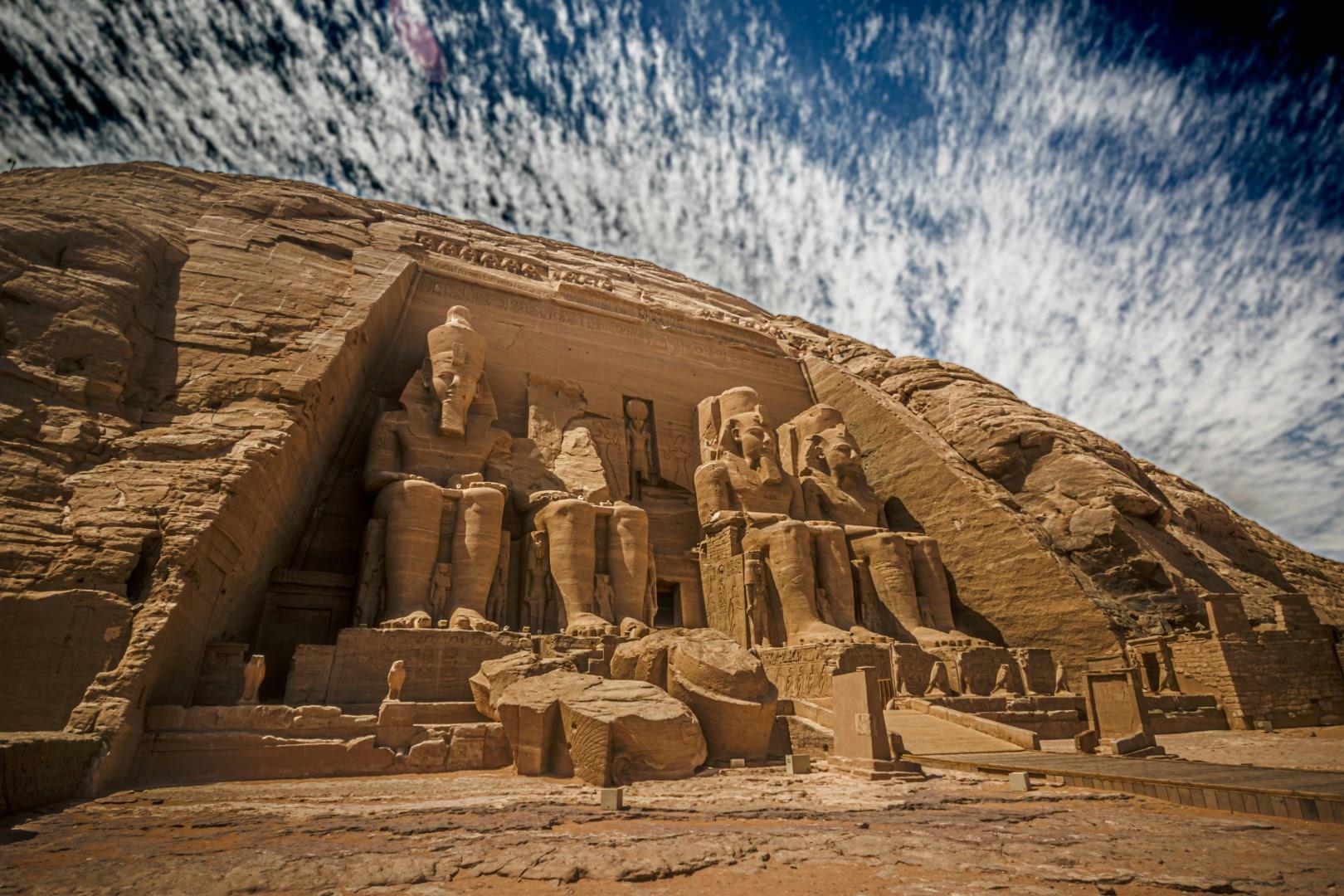
Abu Simbel
Abu Simbel, in southern Egypt near the border with Sudan, is one of the most awe-inspiring archaeological sites of the ancient world. Built during the reign of Pharaoh Ramses II in the 13th century BCE, the twin temples were carved directly into the sandstone cliffs overlooking the Nile. The Great Temple, with its four colossal statues of Ramses II seated at the entrance, was designed not only to honor the pharaoh but also to project his power to neighboring Nubia.
