
Letterkenny
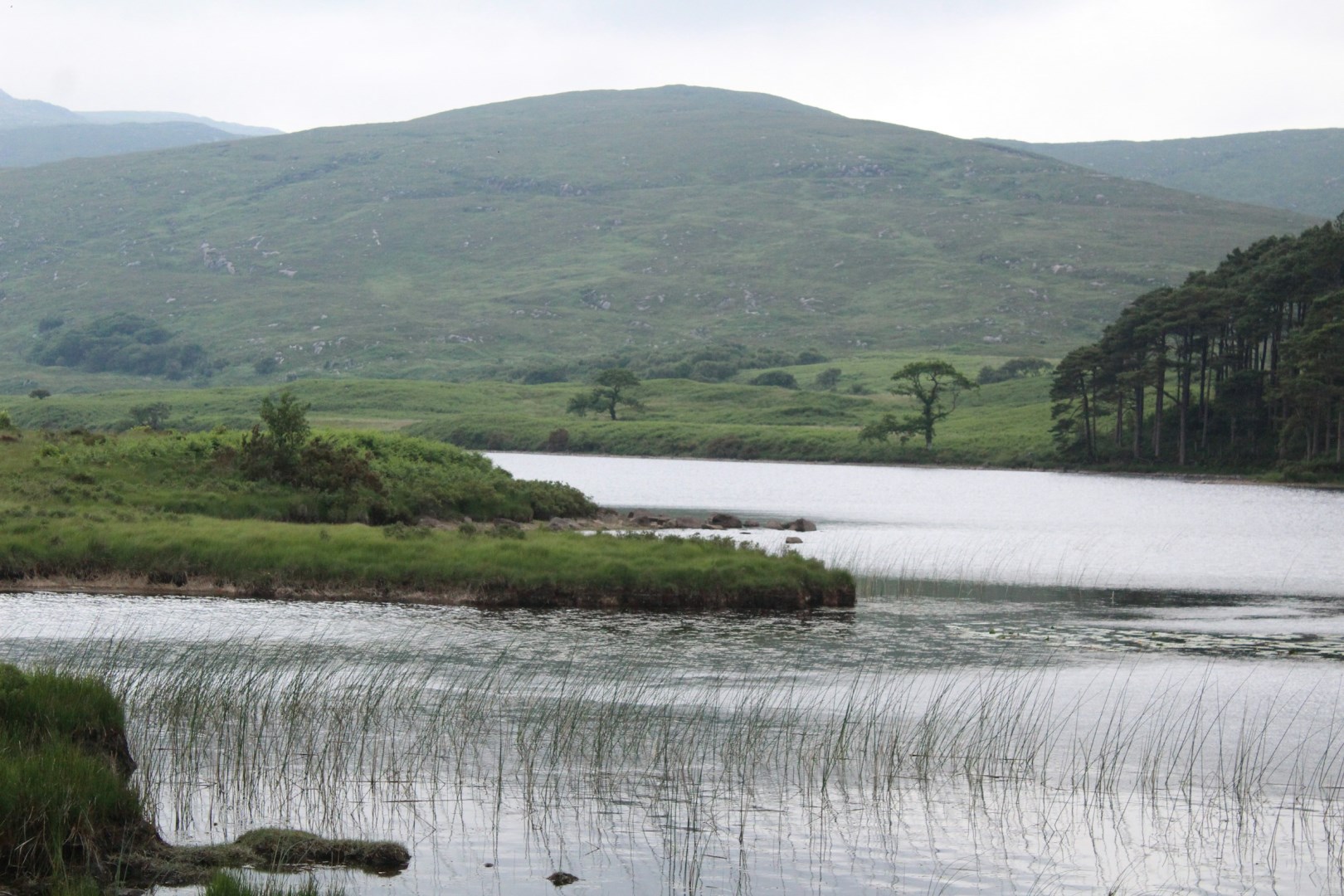
Letterkenny, the largest town in County Donegal, Ireland, is a vibrant hub where traditional charm meets modern amenities. Set amidst the picturesque landscapes of Donegal, Letterkenny serves as a gateway to the rugged beauty of the Wild Atlantic Way. This bustling town offers a mix of cultural attractions, outdoor activities, and local charm that will captivate any traveler.

Kampot
Kampot is a riverside town in southern Cambodia with a story that stretches from a bustling 19th-century seaport to a calm center for travelers seeking real local experiences. Wandering these streets reveals faded pastel facades, shuttered balconies, and hints of a past where merchants from China, Malaysia, and Europe met on this quiet stretch of the Cambodian coast.

Rangiroa Atoll
Rangiroa’s beaches and stunning sunsets provide the perfect backdrop for relaxation. The lagoon is ideal for paddleboarding or taking a boat excursion to explore hidden coves.
Poole
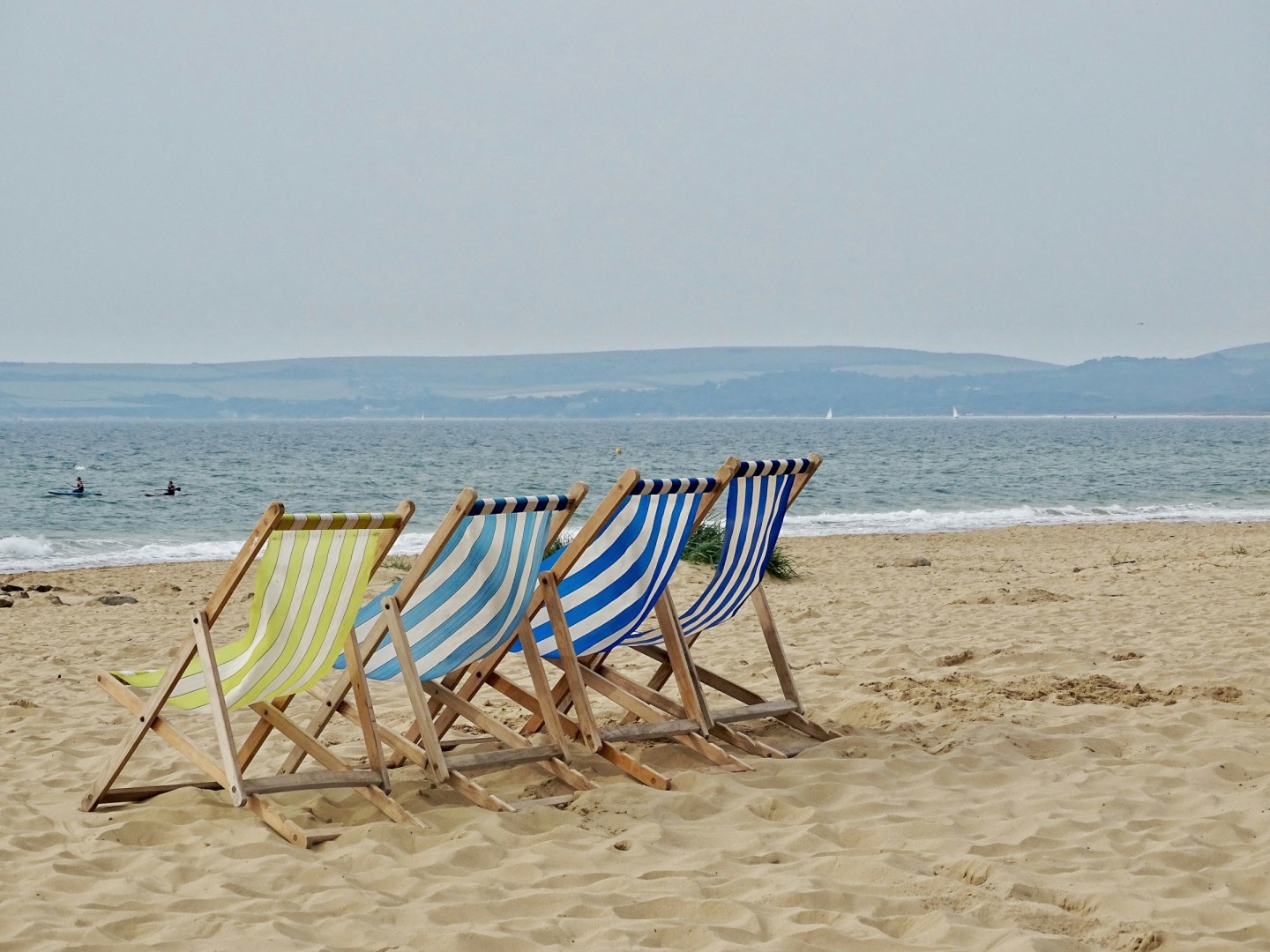
Poole is a coastal town in Dorset, southern England, centred on one of the largest natural harbours in the world. Its waterfront combines a working port, marina, sandy beaches, and historic streets, giving the town several distinct areas to explore. Poole Quay is lined with restaurants, pubs, and boat operators, while the Old Town contains historic buildings and narrow lanes.

Texas
Texas is a state where size meets story from high plains to coastal shores, every region brings something distinct to the table. In San Antonio, visitors can walk through centuries of layered history starting at the Alamo, a site of one of the most famous battles in the state’s fight for independence. The nearby San Antonio Missions, a UNESCO World Heritage Site, offers a deeper look into the Spanish colonial influence that shaped the region.
